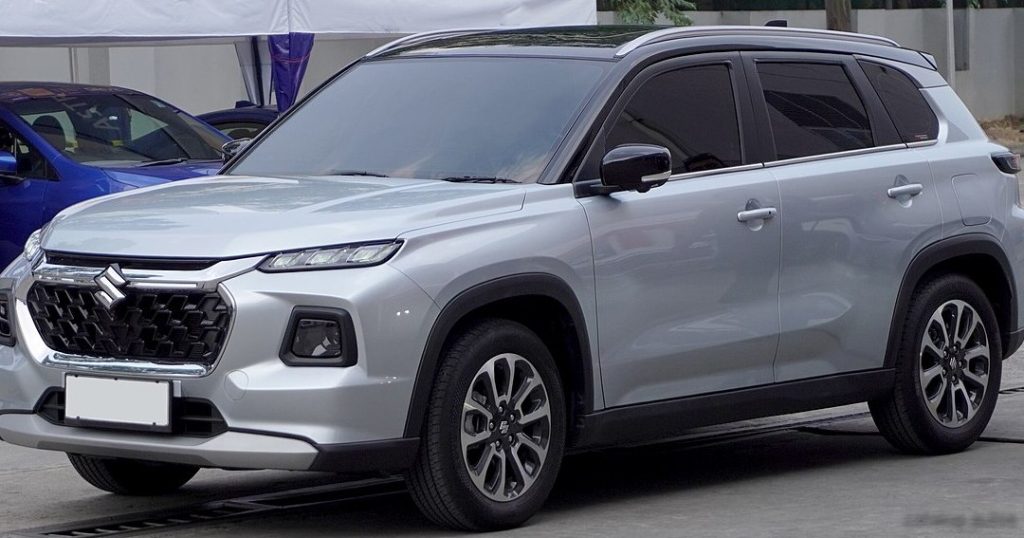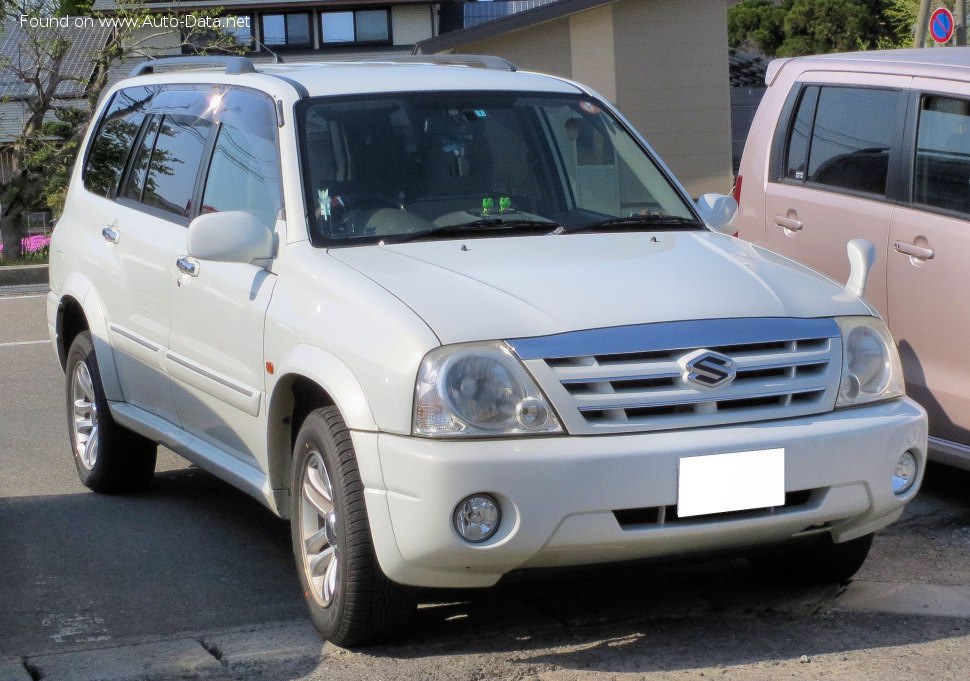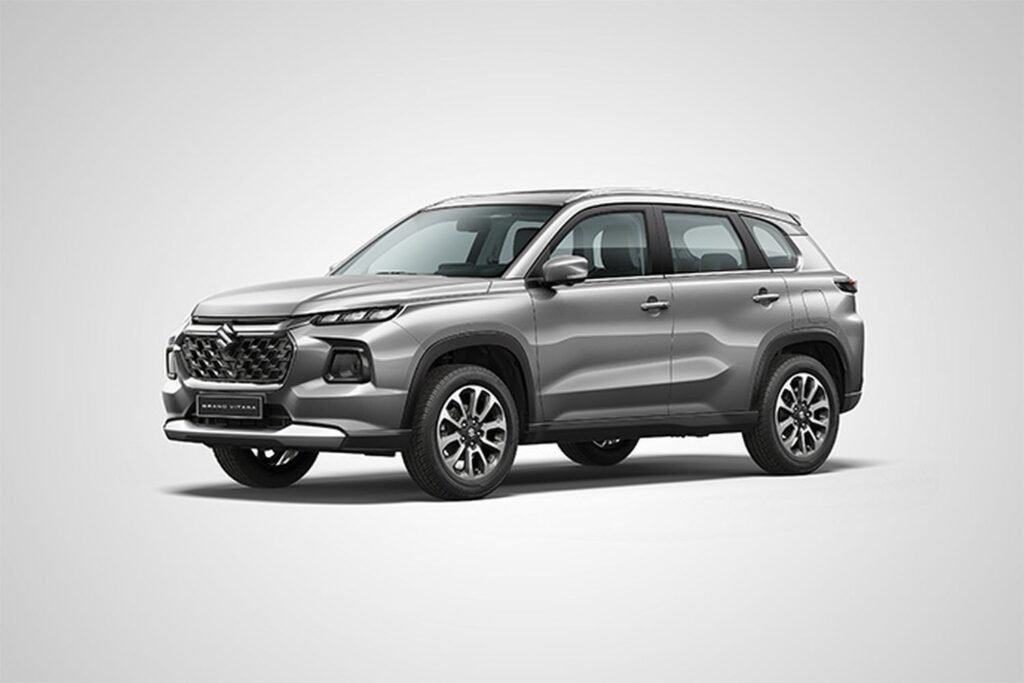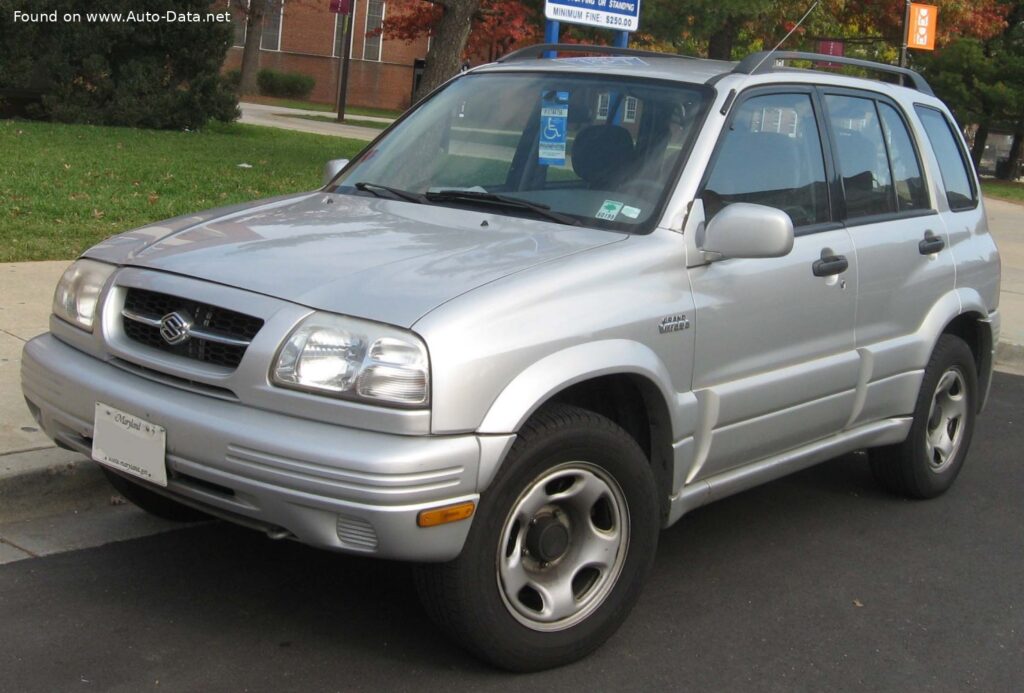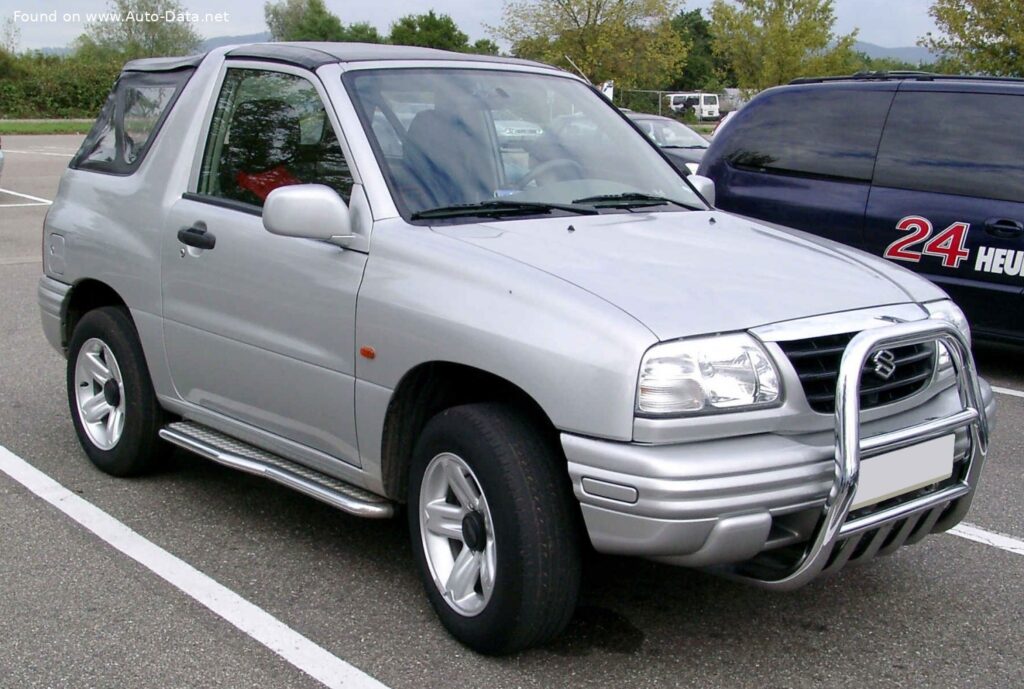
The Suzuki Grand Vitara Cabrio 2.0 i 16V, produced between 1998 and 2005, represented a unique offering in the compact SUV segment. This variant, part of the second-generation Grand Vitara (codenamed TA01), distinguished itself with its fully retractable soft-top convertible design, blending the practicality of a small SUV with the open-air experience of a cabriolet. Positioned as a more lifestyle-oriented version of the Grand Vitara, it catered to buyers seeking a distinctive and versatile vehicle. The Cabrio shared its core platform with the 3-door and 5-door hardtop Grand Vitara models, but offered a different aesthetic and driving experience. It was primarily sold in European and Asian markets, with limited availability in North America.
Powertrain & Engine Architecture
The Grand Vitara Cabrio 2.0 i 16V was powered by the J20A engine, a 1.998-liter (121.93 cubic inches) inline-four cylinder gasoline engine. This engine, a mainstay in Suzuki’s lineup during the late 1990s and early 2000s, featured a cast iron block and an aluminum cylinder head. The “16V” designation indicates the engine utilized four valves per cylinder, enhancing breathing and contributing to its power output. Fuel delivery was managed by a multi-port fuel injection system, providing precise fuel metering for improved efficiency and performance. The J20A engine produced 128 horsepower at 6000 rpm and 174 Nm (128.34 lb-ft) of torque at 2900 rpm. The compression ratio was set at 9.3:1.
The engine was typically paired with a 5-speed manual transmission, which was the most common configuration. While an automatic transmission was offered in some markets, it was less prevalent and often criticized for its sluggish performance compared to the manual. The engine’s longitudinal mounting allowed for a traditional front-engine, all-wheel-drive layout. The J20A engine is known for its relative simplicity and durability, though it is not without its potential maintenance needs, particularly regarding timing belt replacement.
Engine Specifications
Key engine specifications include a cylinder bore of 84 mm (3.31 inches) and a piston stroke of 90 mm (3.54 inches). The engine required 5.2 liters (5.49 US quarts) of engine oil and 6.5 liters (6.87 US quarts) of coolant. The J20A engine’s design prioritized reliability and ease of maintenance over outright performance, making it a practical choice for the Grand Vitara Cabrio.
Driving Characteristics
The Grand Vitara Cabrio 2.0 i 16V offered a driving experience that prioritized usability over sporty performance. With 128 hp propelling a vehicle weighing approximately 1290 kg (2843.96 lbs), acceleration was adequate but not brisk. The 0-100 km/h (0-62 mph) sprint took around 11.4 seconds, while the 0-60 mph time was approximately 10.8 seconds. Top speed was limited to 160 km/h (99.42 mph). The 5-speed manual transmission allowed drivers to make the most of the engine’s powerband, while the optional automatic transmission often felt underpowered, particularly when fully loaded or tackling inclines.
The all-wheel-drive system, typically a selectable 4×4 with low range, provided enhanced traction in various conditions. However, the Cabrio’s soft-top construction and relatively short wheelbase resulted in a noticeable degree of body flex, particularly on uneven surfaces. The steering, utilizing a hydraulic rack and pinion system, was reasonably precise but lacked significant feedback. Overall, the driving experience was best described as comfortable and capable, rather than exhilarating.
Equipment & Trim Levels
The Grand Vitara Cabrio 2.0 i 16V typically came equipped with a reasonable level of standard features, reflecting its positioning as a mid-range offering. Standard equipment generally included power windows, power steering, central locking, and an AM/FM radio. Air conditioning was often included, but sometimes offered as an optional extra. Interior upholstery was typically cloth, with leather options available at an additional cost. The dashboard layout was functional and straightforward, with clearly labeled controls.
Optional extras included alloy wheels, a CD player, upgraded sound system, and a sunroof (in addition to the retractable soft-top). Safety features were relatively basic for the era, typically consisting of ABS (Anti-lock Braking System) and driver/passenger airbags. Trim levels varied depending on the market, with higher-spec models offering additional comfort and convenience features.
Chassis & Braking
The Grand Vitara Cabrio shared its chassis with the 3-door hardtop model, featuring a coil spring suspension at both the front and rear. The suspension was tuned for comfort and ride quality, rather than aggressive handling. Front brakes were discs, providing adequate stopping power, while rear brakes were drums, a cost-saving measure common in this class of vehicle. The Cabrio’s relatively lightweight construction helped to mitigate the limitations of the rear drum brakes.
The vehicle rode on 215/60 R16 tires mounted on 16-inch wheels. The front and rear track widths were both 1460 mm (57.48 inches). The all-wheel-drive system, coupled with the coil spring suspension, provided reasonable off-road capability for light to moderate terrain. However, the Cabrio’s soft-top and limited ground clearance restricted its ability to tackle more challenging obstacles.
Market Reception & Comparison
The Grand Vitara Cabrio 2.0 i 16V received mixed reviews from automotive critics. While the unique convertible design was widely praised, the vehicle’s performance and handling were often criticized as being underwhelming. The automatic transmission, in particular, was a common point of contention. Compared to the 5-door Grand Vitara, the Cabrio offered less practicality due to its limited rear seat space and smaller cargo area. However, it provided a more distinctive and enjoyable driving experience for those prioritizing open-air motoring.
In terms of fuel economy, the 2.0 i 16V engine delivered approximately 12 l/100 km (19.6 US mpg) in urban driving and 7.6 l/100 km (30.9 US mpg) on the extra-urban cycle. These figures were comparable to other compact SUVs of the era. Reliability was generally good, although owners reported occasional issues with the timing belt and cooling system. Compared to the more powerful V6-equipped Grand Vitara models, the 2.0 i 16V offered a more affordable entry point into the Grand Vitara lineup.
Technical Specifications
| Brand | Suzuki |
| Model | Grand Vitara |
| Generation | Grand Vitara Cabrio |
| Type (Engine) | 2.0 i 16V (128 Hp) |
| Start of production | 1998 year |
| End of production | 2005 year |
| Fuel consumption (urban) | 12 l/100 km (19.6 US mpg) |
| Fuel consumption (extra urban) | 7.6 l/100 km (30.9 US mpg) |
| Fuel Type | Petrol (Gasoline) |
| Acceleration 0 – 100 km/h | 11.4 sec |
| Acceleration 0 – 62 mph | 11.4 sec |
| Acceleration 0 – 60 mph | 10.8 sec |
| Maximum speed | 160 km/h (99.42 mph) |
| Weight-to-power ratio | 10.1 kg/Hp |
| Power | 128 Hp @ 6000 rpm |
| Torque | 174 Nm @ 2900 rpm (128.34 lb.-ft. @ 2900 rpm) |
| Engine layout | Front, Longitudinal |
| Engine Model/Code | J20A |
| Engine displacement | 1998 cm3 (121.93 cu. in.) |
| Number of cylinders | 4 |
| Cylinder Bore | 84 mm (3.31 in.) |
| Piston Stroke | 90 mm (3.54 in.) |
| Compression ratio | 9.3:1 |
| Kerb Weight | 1290 kg (2843.96 lbs.) |
| Max. weight | 1800 kg (3968.32 lbs.) |
| Trunk (boot) space – minimum | 210 l (7.42 cu. ft.) |
| Trunk (boot) space – maximum | 828 l (29.24 cu. ft.) |
| Fuel tank capacity | 56 l (14.79 US gal) |
| Length | 3865 mm (152.17 in.) |
| Width | 1710 mm (67.32 in.) |
| Height | 1690 mm (66.54 in.) |
| Wheelbase | 2200 mm (86.61 in.) |
| Drive wheel | All wheel drive (4×4) |
| Number of gears | 5 gears, manual transmission |
Legacy
The Suzuki Grand Vitara Cabrio 2.0 i 16V remains a relatively uncommon vehicle today, particularly in well-preserved condition. The J20A engine, while generally reliable, requires regular maintenance, including timely timing belt replacement, to prevent potential issues. The soft-top mechanism can also be prone to wear and tear, requiring occasional repairs. Despite these potential maintenance needs, the Cabrio has developed a cult following among enthusiasts who appreciate its unique styling and open-air driving experience. On the used car market, well-maintained examples command a premium, reflecting their rarity and desirability. The Grand Vitara Cabrio represents a unique chapter in Suzuki’s history, showcasing the brand’s willingness to experiment with unconventional designs and cater to niche markets.