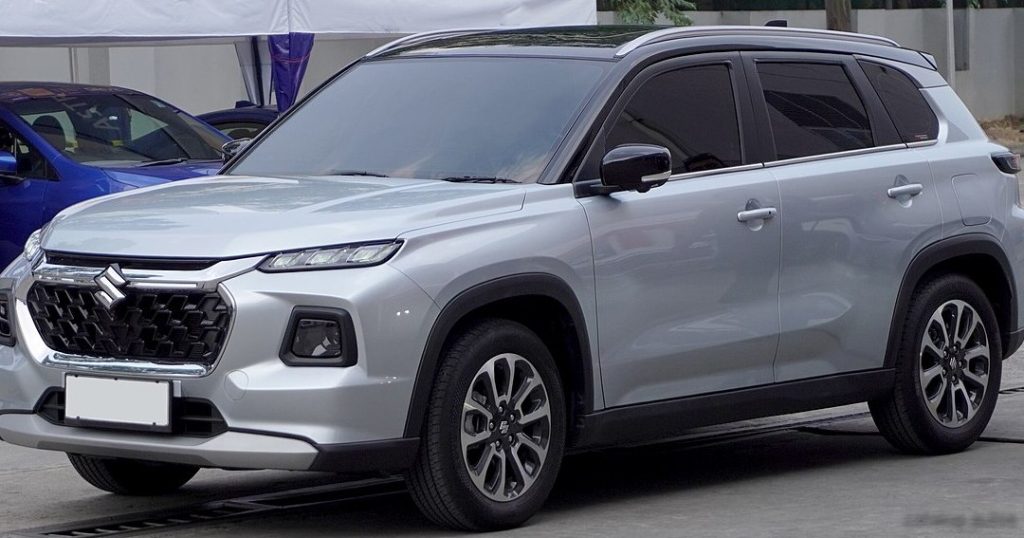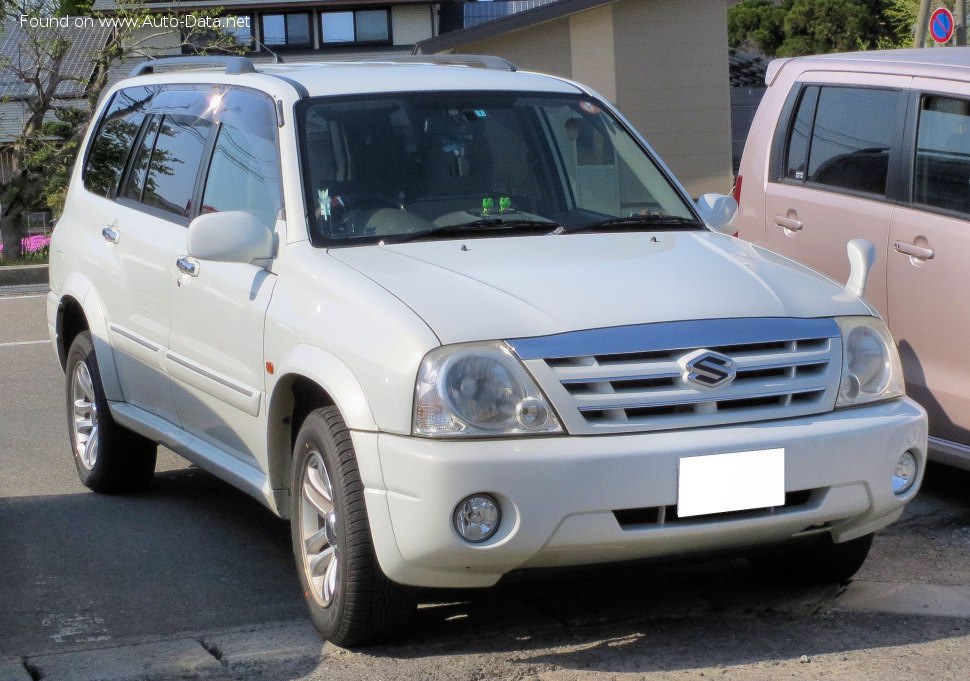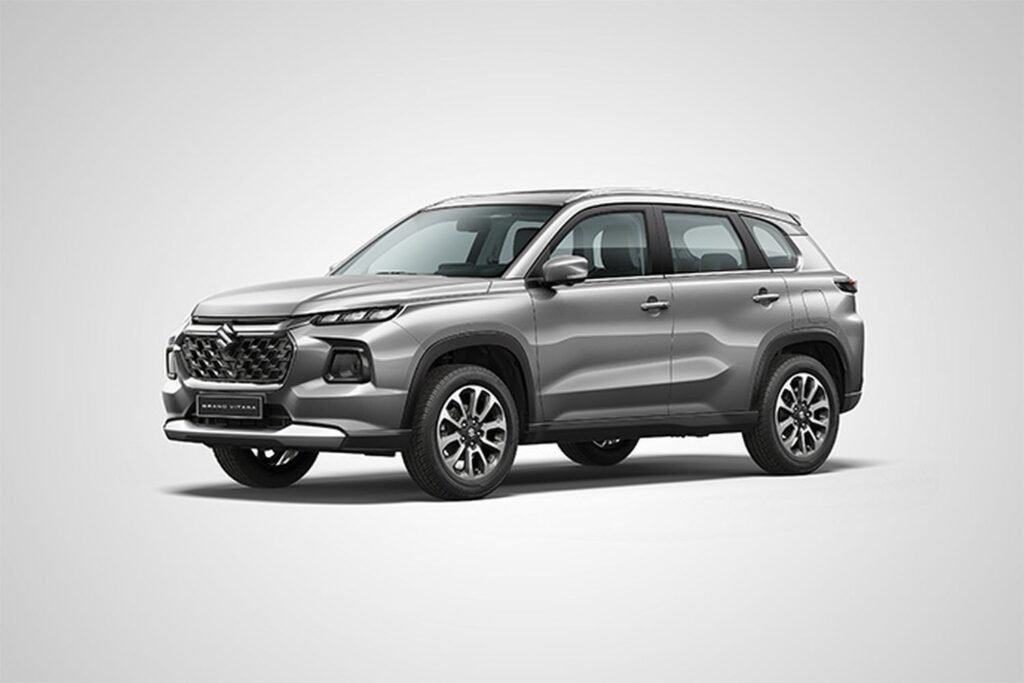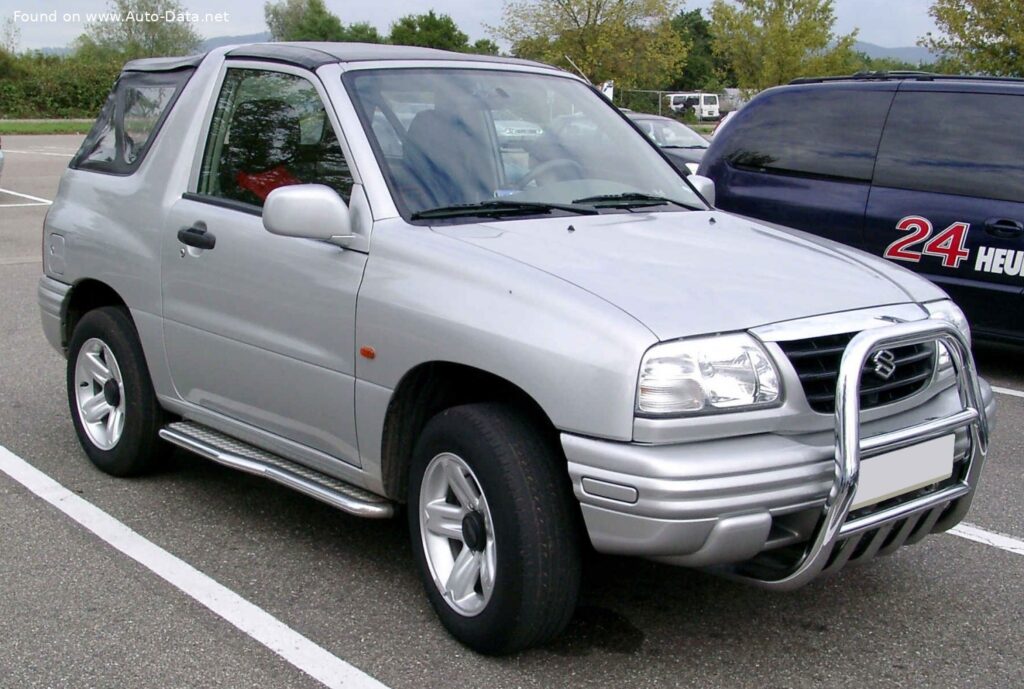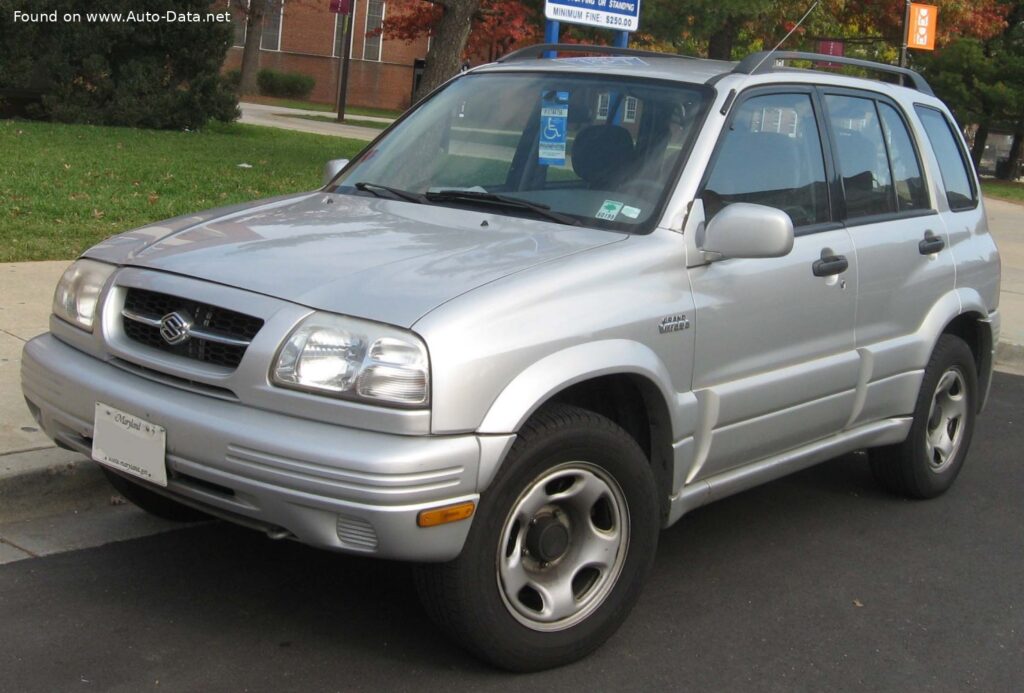
The Suzuki Grand Vitara (FT,GT) 2.0 HDI (5 dr) (109 Hp) represented a significant offering in the compact SUV segment, produced from 2000 to 2005. Renowned for its blend of rugged capability, practical design, and Suzuki’s reputation for reliability, the Grand Vitara gained a strong foothold in global markets. This specific variant, powered by a 2.0-liter HDI diesel engine, was particularly popular in Europe and other international regions where diesel fuel efficiency and torque were highly valued. It combined Suzuki’s SUV expertise with a well-regarded European diesel powerplant, offering a versatile and economical package for both commuting and light off-road use.
The Grand Vitara FT/GT Generation
Debuting at the turn of the millennium, the FT/GT generation of the Grand Vitara built upon its predecessors by offering increased refinement and a more contemporary aesthetic while maintaining its off-road DNA. The 5-door configuration, specifically, catered to families and individuals needing more passenger and cargo space, making it a practical choice in a growing segment of crossovers. The integration of the 2.0-liter HDI diesel engine further enhanced its appeal, providing a solution for markets prioritizing diesel performance and economy. This model occupied a mid-range position within the Grand Vitara lineup, offering a balance between the more affordable gasoline options and the potentially more expensive or higher-performance trims.
Powertrain & Engine Architecture: The RHW Diesel
The heart of the Suzuki Grand Vitara (FT,GT) 2.0 HDI (5 dr) (109 Hp) was its 2.0-liter (1997 cm3) common rail diesel engine. This inline-four cylinder unit, identified by the engine code RHW, was developed by the PSA Group (Peugeot Citroën) and licensed to Suzuki for European market offerings. The engine delivered 109 horsepower at 4000 rpm, a competitive output for a compact SUV of its time. However, its strength lay in its torque output of 250 Newton-meters (184.39 lb-ft) available from a low 1750 rpm. This low-end torque provided excellent pulling power for everyday driving, highway cruising, and off-road excursions.
The engine featured a front-mounted, longitudinal layout, common in vehicles designed for four-wheel-drive systems. Its compression ratio of 17.6:1 indicated a design optimized for diesel combustion efficiency. A turbocharger boosted both power and torque, overcoming the limitations of a naturally aspirated diesel. The common rail fuel injection system precisely controlled fuel delivery, improving fuel economy, reducing emissions, and refining engine operation. The engine oil capacity was 4.75 liters (5.02 US qt) and coolant capacity 6.5 liters (6.87 US qt), designed for durability and ease of maintenance.
Driving Characteristics
The 109 hp / Automatic combination in the Grand Vitara offered a relaxed driving experience. While not particularly sporty, the engine’s low-end torque meant that drivers didn’t need to constantly downshift. The automatic transmission, typically a four-speed unit, was geared for fuel efficiency and smooth operation rather than rapid acceleration. Compared to the manual transmission versions, the automatic offered convenience but sacrificed some responsiveness. Compared to higher-output gasoline versions, the 2.0 HDI Automatic provided significantly better fuel economy but less overall power and acceleration. The gear ratios were optimized for maintaining momentum on inclines and providing adequate power for everyday driving situations.
Equipment & Trim Levels
The Suzuki Grand Vitara (FT,GT) 2.0 HDI typically came with a reasonable level of standard equipment. Interior upholstery was usually cloth, with a functional and durable design. The dashboard configuration was straightforward, prioritizing ease of use. Standard features often included power windows, power door locks, and air conditioning. Optional extras available for this trim included alloy wheels, a sunroof, upgraded audio systems, and sometimes, leather upholstery. The focus was on providing a practical and well-equipped vehicle without excessive luxury.
Chassis & Braking
The Grand Vitara FT/GT utilized a traditional body-on-frame chassis, providing superior structural rigidity and off-road durability compared to unibody construction. The suspension typically consisted of coil springs and shock absorbers, designed to balance ride comfort with off-road capability. Braking systems varied depending on the specific market and trim level, but generally included front disc brakes and rear drum brakes. Stabilizer bars were often included to reduce body roll during cornering. The chassis and braking systems were designed to handle the weight and torque characteristics of the diesel engine and provide a safe and controlled driving experience.
Market Reception & Comparison
Critics generally viewed the 2.0 HDI Automatic Grand Vitara favorably, praising its fuel economy, torque delivery, and overall practicality. It was often seen as a sensible choice for buyers needing a versatile SUV that could handle both urban commuting and occasional off-road adventures. Compared to gasoline-powered trims, the diesel version offered significantly better fuel economy, making it a cost-effective option for high-mileage drivers. However, some critics noted that the automatic transmission could feel slightly sluggish compared to the manual version. Reliability was generally considered to be good, consistent with Suzuki’s reputation. Compared to rivals like the Honda CR-V and Toyota RAV4, the Grand Vitara offered a more rugged and capable alternative, albeit with potentially less refinement.
Technical Specifications
| Category | Specification |
| Brand | Suzuki |
| Model | Grand Vitara |
| Generation | Grand Vitara (FT,GT) |
| Type (Engine) | 2.0 HDI (5 dr) (109 Hp) |
| Start of Production | 2000 year |
| End of Production | 2005 year |
| Powertrain Architecture | Internal Combustion engine |
| Body Type | SUV |
| Seats | 5 |
| Doors | 5 |
| Fuel Type | Diesel |
| Power | 109 Hp @ 4000 rpm |
| Power per Liter | 54.6 Hp/l |
| Torque | 250 Nm (184.39 lb-ft) @ 1750 rpm |
| Engine Layout | Front, Longitudinal |
| Engine Model/Code | RHW |
| Engine Displacement | 1997 cm3 (2.0 l / 121.86 cu. in.) |
| Number of Cylinders | 4 |
| Engine Configuration | Inline |
| Cylinder Bore | 85 mm (3.35 in) |
| Piston Stroke | 88 mm (3.46 in) |
| Compression Ratio | 17.6:1 |
| Number of Valves per Cylinder | 2 |
| Fuel Injection System | Diesel Commonrail |
| Engine Aspiration | Turbocharger |
| Engine Oil Capacity | 4.75 l (5.02 US qt) |
| Coolant Capacity | 6.5 l (6.87 US qt) |
Legacy
The Suzuki Grand Vitara (FT,GT) 2.0 HDI has proven to be a durable and reliable vehicle, maintaining a positive reputation in the used car market. The RHW diesel engine, while not without its potential maintenance needs (like any diesel engine, requiring regular servicing and attention to the fuel system), is generally considered robust and long-lasting when properly maintained. The body-on-frame construction contributes to its longevity, making it a good choice for buyers seeking a dependable and capable SUV that can withstand years of use. Today, these vehicles are often sought after by those looking for a practical and affordable SUV with genuine off-road capability and good fuel economy.