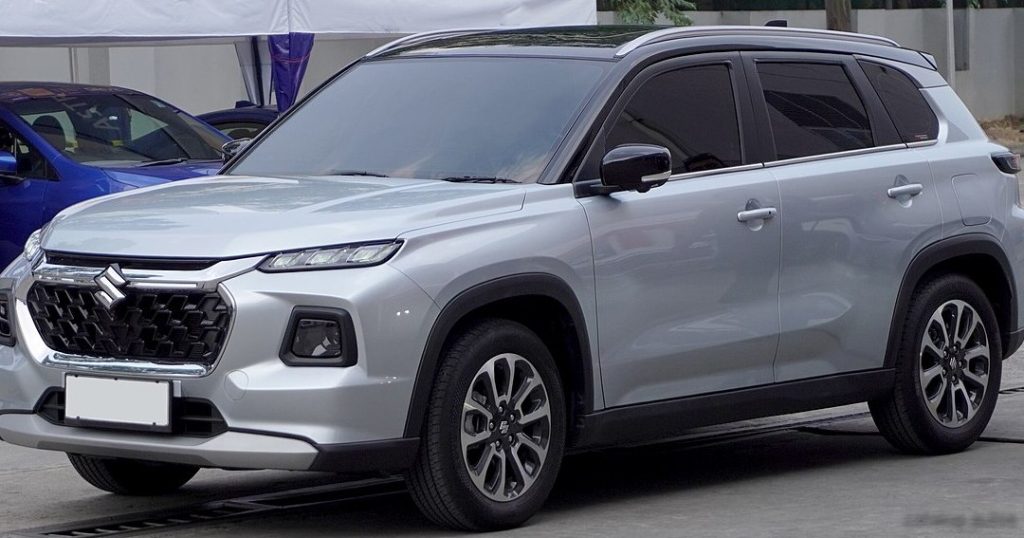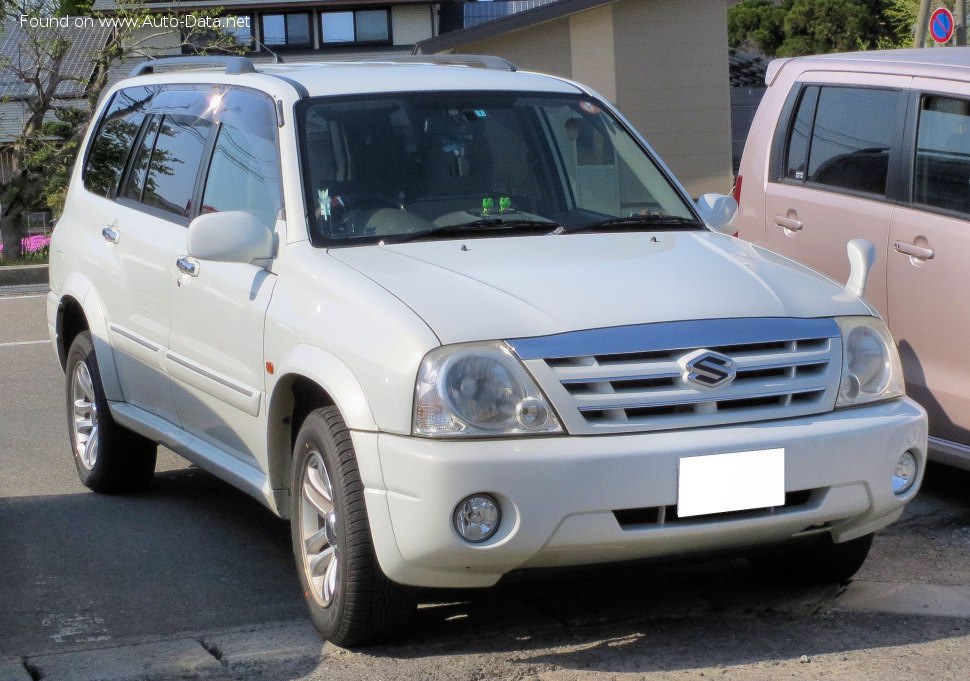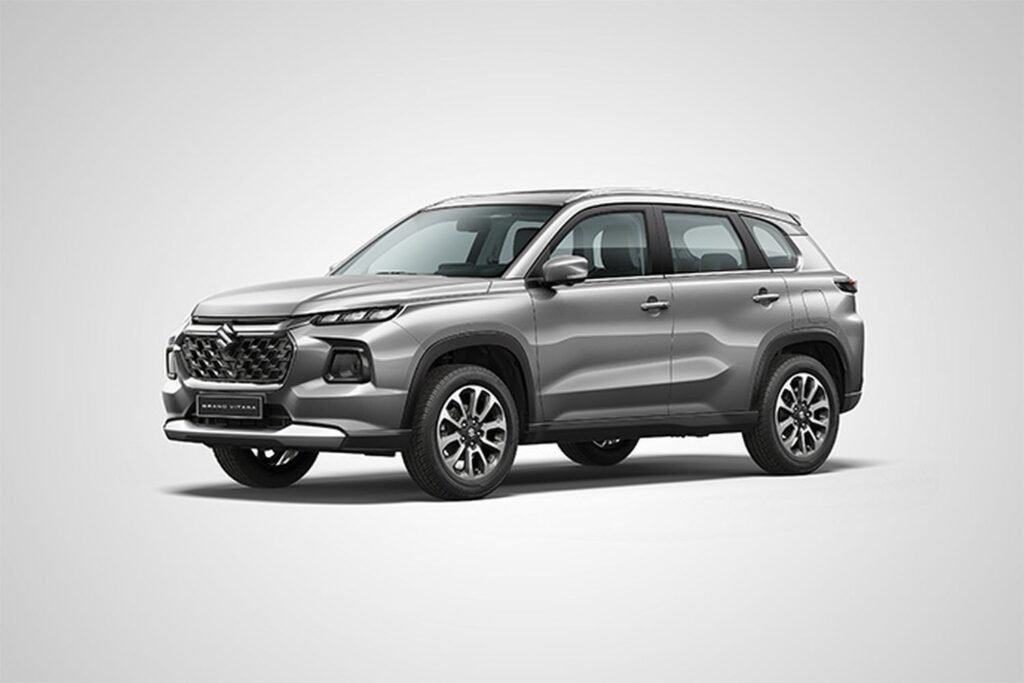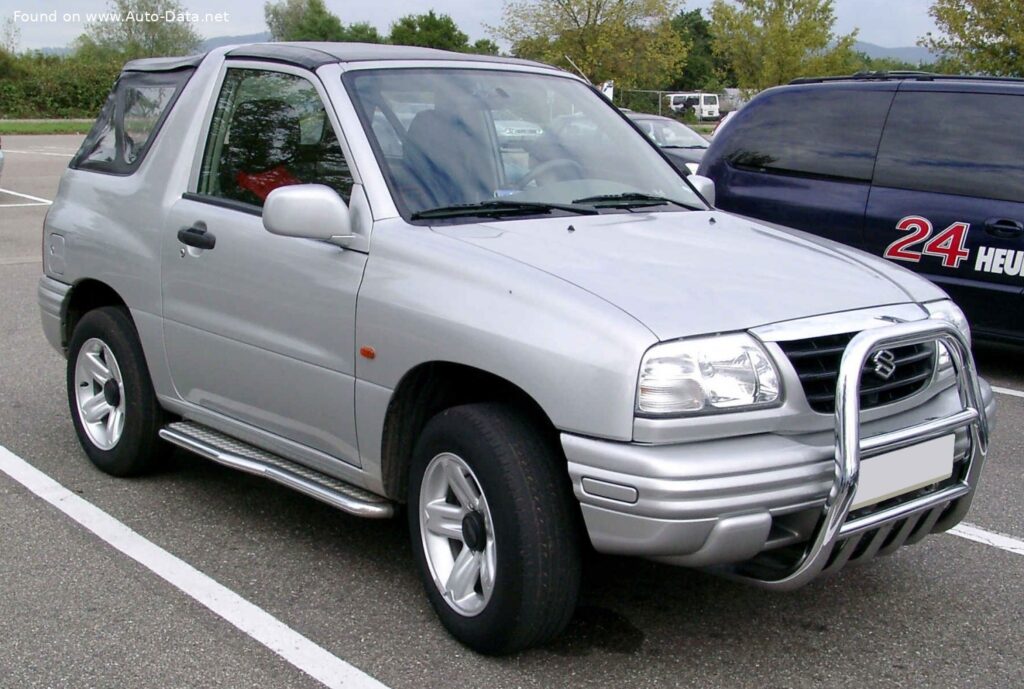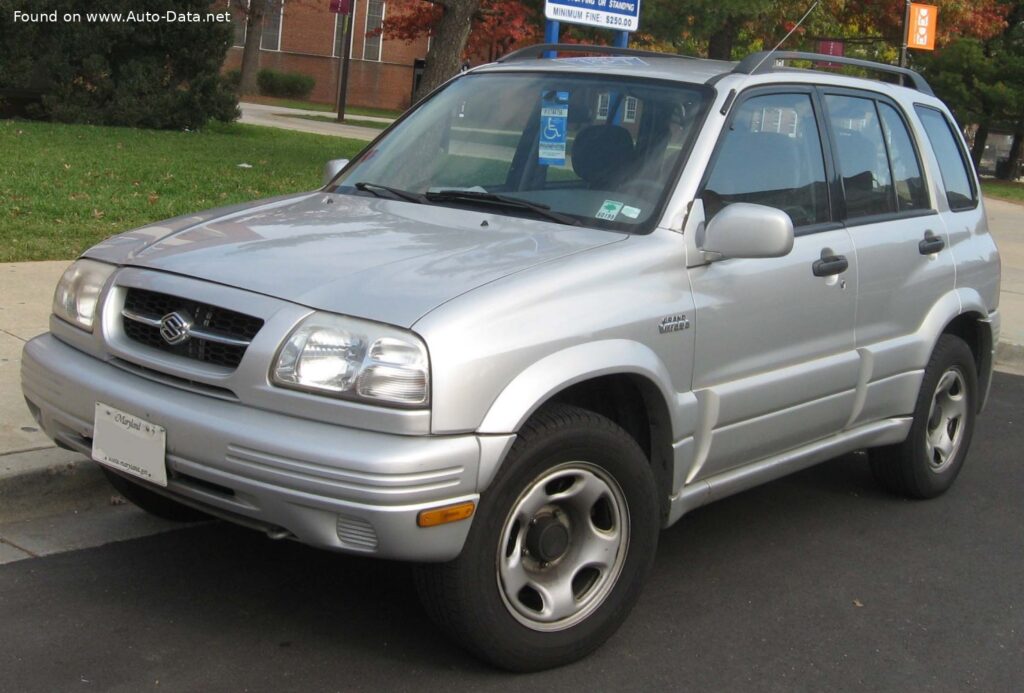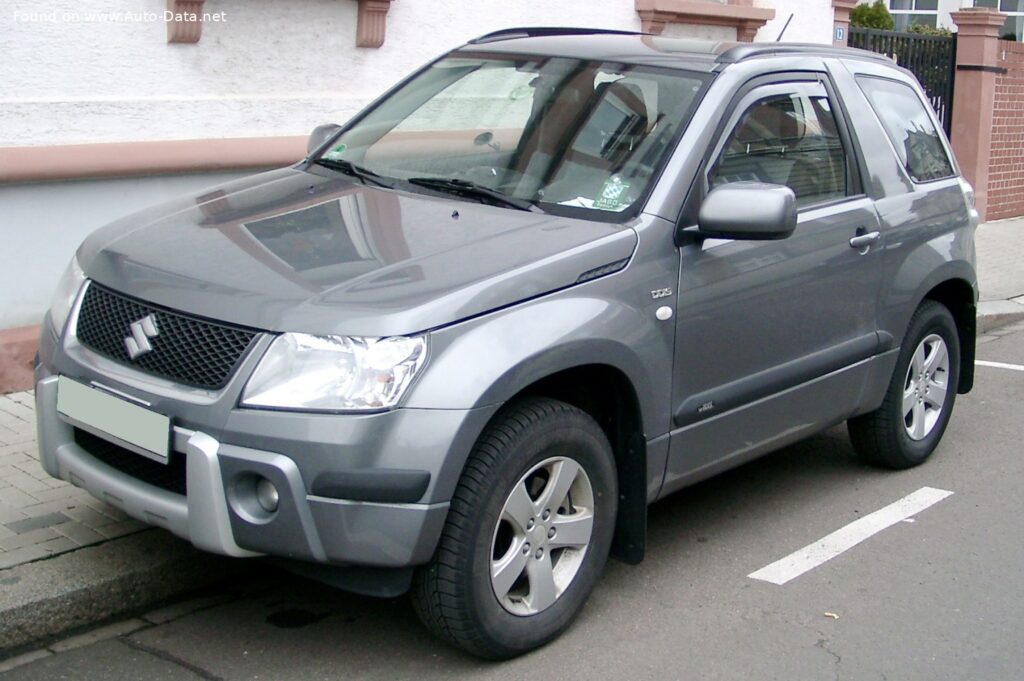
The Suzuki Grand Vitara II 3 Door 2.4 VVT (163 Hp), produced between 2005 and 2008, represents a significant evolution in Suzuki’s lineage of compact sport utility vehicles. As part of the second generation of the Grand Vitara (codenamed JB series), this particular variant distinguished itself with its more compact three-door body style, catering to a market segment that valued both urban maneuverability and genuine off-road capability. While the five-door Grand Vitara had a more pronounced presence in the North American market, the three-door model, especially with the potent 2.4-liter VVT engine, found strong appeal in European, Asian, and Oceanic markets where smaller, yet robust, 4x4s were highly sought after. This generation marked a shift towards an integrated ladder-frame chassis, offering a blend of car-like refinement on pavement and the rugged durability expected of a traditional SUV.
The Grand Vitara II 3 Door: Positioning and Overview
The Suzuki Grand Vitara II 3 Door, with its 2.4-liter engine, was positioned as a versatile vehicle, capable of handling daily commutes with relative ease while also being prepared for more adventurous excursions. It occupied a mid-range position within the Grand Vitara II lineup, offering a step up in performance from the base 1.6-liter engine options, but remaining more accessible than the larger displacement engines available in some markets. Suzuki, a brand with a strong heritage in building capable small 4x4s, leveraged its expertise to create a vehicle that was both practical and engaging, embodying a spirit of exploration in a compact package. The three-door configuration specifically targeted buyers who prioritized a sportier aesthetic and didn’t require the rear passenger space of the five-door model.
Powertrain & Engine Architecture
At the heart of this particular Grand Vitara II 3 Door model was the J24B engine, a naturally aspirated 2.4-liter (2393 cc) inline-four gasoline unit equipped with Variable Valve Timing (VVT). This engine falls under the Suzuki M-series engine family. The J24B utilizes a multi-point fuel injection system and a double overhead camshaft (DOHC) valvetrain with four valves per cylinder. This configuration allowed for efficient combustion and a broad powerband. The engine’s compression ratio is 9.5:1. The J24B engine is known for its relative simplicity and durability, contributing to its long-term reliability.
The 2.4 VVT engine was typically paired with a five-speed manual transmission, although a four-speed automatic transmission was also offered in some markets. The automatic transmission, while providing convenience, was generally considered less responsive and slightly less fuel-efficient than the manual counterpart. The automatic transmission featured electronically controlled torque converter lock-up for improved highway fuel economy. The transfer case allowed for selectable four-wheel drive with low range gearing, enhancing off-road capability.
Driving Characteristics
The 163 hp / Automatic setup in the Grand Vitara II 3 Door delivered a competent, if not exhilarating, driving experience. Acceleration from 0 to 60 mph took approximately 11.1 seconds, which was competitive for a compact SUV of its time, but noticeably slower than the manual transmission version. The automatic transmission’s gear ratios were tuned for a balance of fuel economy and drivability, with a focus on smooth shifts rather than aggressive acceleration. The engine produced 165.95 lb-ft (225 Nm) of torque at 3800 rpm, providing adequate low-end grunt for navigating urban streets and tackling moderate off-road obstacles. Compared to the manual transmission, the automatic version felt less engaging and required more throttle input for brisk acceleration. The full-time all-wheel-drive system provided confident handling on both paved and unpaved surfaces, while the low-range gearing enabled the vehicle to overcome more challenging terrain.
Equipment & Trim Levels
The Grand Vitara II 3 Door 2.4 VVT typically came standard with features such as air conditioning, power windows, power door locks, and a basic audio system. Higher trim levels offered options like alloy wheels, a sunroof, upgraded audio systems, and leather upholstery. Safety features included Anti-lock Braking System (ABS) and dual front airbags. The interior design was functional and utilitarian, with durable materials and a focus on practicality. The dashboard layout was straightforward and easy to use, with clearly labeled controls. The rear seats, while relatively cramped in the three-door configuration, could be folded down to expand cargo space. Optional extras included a rear parking sensor, a navigation system (in some markets), and a tow hitch.
Chassis & Braking
The Grand Vitara II 3 Door utilized an integrated ladder-frame chassis, providing a robust and durable foundation. The front suspension consisted of a MacPherson strut setup, while the rear suspension employed a coil spring arrangement. This suspension configuration offered a good balance of ride comfort and off-road capability. The vehicle’s ground clearance was sufficient for navigating moderate off-road terrain. Braking duties were handled by ventilated discs at the front and solid discs at the rear, supplemented by ABS. The steering system was a rack-and-pinion setup, providing responsive and precise handling. The vehicle rode on 225/65 R17 tires, mounted on 17-inch wheel rims, offering a good compromise between grip and ride comfort. Stabilizer bars were fitted to both the front and rear axles to reduce body roll during cornering.
Market Reception & Comparison
Critics generally praised the Grand Vitara II 3 Door 2.4 VVT for its ruggedness, off-road capability, and value for money. However, some reviewers noted that the automatic transmission felt somewhat sluggish and that the interior was not as refined as some of its competitors. Fuel economy was considered respectable for a compact SUV with all-wheel drive, averaging around 26.1 US mpg (9 l/100 km) in combined driving. Compared to the 1.6-liter versions, the 2.4 VVT offered a significant performance boost, making it a more enjoyable and versatile vehicle. Compared to the five-door model, the three-door version was seen as more sporty and agile, but less practical for families. In terms of reliability, the J24B engine proved to be generally dependable, with few major issues reported.
Technical Specifications
| Category | Specification |
| General Information | |
| Brand | Suzuki |
| Model | Grand Vitara |
| Generation | Grand Vitara II 3 Door |
| Type (Engine) | 2.4 VVT (163 Hp) |
| Start of production | 2005 year |
| End of production | 2008 year |
| Powertrain Architecture | Internal Combustion engine |
| Body type | SUV |
| Seats | 5 |
| Doors | 3 |
| Performance Specs | |
| Fuel consumption (economy) – urban | 20.6 US mpg (11.4 l/100 km) |
| Fuel consumption (economy) – extra urban | 30.9 US mpg (7.6 l/100 km) |
| Fuel consumption (economy) – combined | 26.1 US mpg (9 l/100 km) |
| Fuel Type | Petrol (Gasoline) |
| Acceleration 0 – 60 mph | 11.1 sec |
| Acceleration 0 – 100 km/h | 11.7 sec |
| Maximum speed | 114.95 mph (185 km/h) |
| Weight-to-power ratio | 8.9 kg/Hp, 112.8 Hp/tonne |
| Weight-to-torque ratio | 6.4 kg/Nm, 155.7 Nm/tonne |
| Engine Specs | |
| Power | 163 Hp @ 6000 rpm |
| Power per liter | 68.1 Hp/l |
| Torque | 165.95 lb.-ft. (225 Nm) @ 3800 rpm |
| Engine layout | Front, Longitudinal |
| Engine Model/Code | J24B |
| Engine displacement | 2393 cm3 (146.03 cu. in.) |
| Number of cylinders | 4 |
| Engine configuration | Inline |
| Cylinder Bore | 3.62 in. (92 mm) |
| Piston Stroke | 3.54 in. (90 mm) |
| Compression ratio | 9.5:1 |
| Number of valves per cylinder | 4 |
| Fuel injection system | Multi-port manifold injection |
| Engine aspiration | Naturally aspirated engine |
| Valvetrain | DOHC |
| Engine oil capacity | 5.07 US qt (4.8 l) |
| Coolant | 7.71 US qt (7.3 l) |
| Space, Volume and Weights | |
| Kerb Weight | 3185.68 lbs. (1445 kg) |
| Max. weight | 3968.32 lbs. (1800 kg) |
| Max load | 782.64 lbs. (355 kg) |
| Fuel tank capacity | 14.53 US gal (55 l) |
| Dimensions | |
| Length | 157.68 in. (4005 mm) |
| Width | 71.26 in. (1810 mm) |
| Height | 66.73 in. (1695 mm) |
| Wheelbase | 96.06 in. (2440 mm) |
| Front track | 60.63 in. (1540 mm) |
| Rear (Back) track | 61.81 in. (1570 mm) |
| Drivetrain, Brakes and Suspension Specs | |
| Drive wheel | All wheel drive (4×4) |
| Number of gears and type of gearbox | 5 gears, manual transmission |
| Front suspension | Spring Strut |
| Rear suspension | Coil spring |
| Front brakes | Ventilated discs |
| Rear brakes | Disc |
| Assisting systems | ABS (Anti-lock braking system) |
| Steering type | Steering rack and pinion |
| Tires size | 225/65 R17 |
| Wheel rims size | 17 |
Legacy
The Grand Vitara II 3 Door 2.4 VVT, while no longer in production, remains a popular choice among enthusiasts and those seeking a capable and reliable used SUV. The J24B engine is known for its longevity and relatively low maintenance costs. Parts availability is generally good, and the vehicle’s simple mechanicals make it relatively easy to repair. Today, these vehicles can be found in good condition for reasonable prices, making them an attractive option for those who value practicality, off-road capability, and a classic Suzuki 4×4 experience. The enduring appeal of the Grand Vitara II 3 Door is a testament to its well-engineered design and its ability to deliver on its promise of versatility and durability.