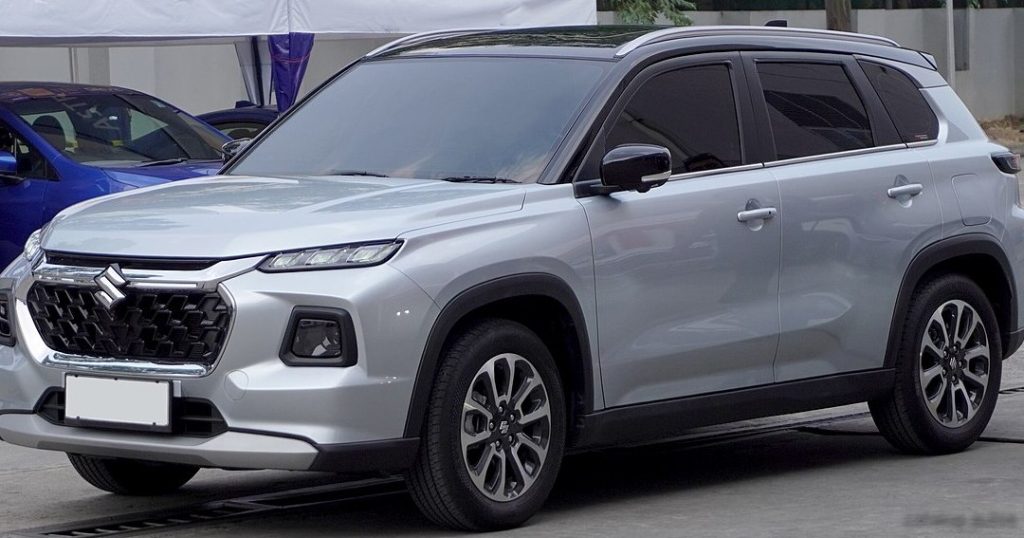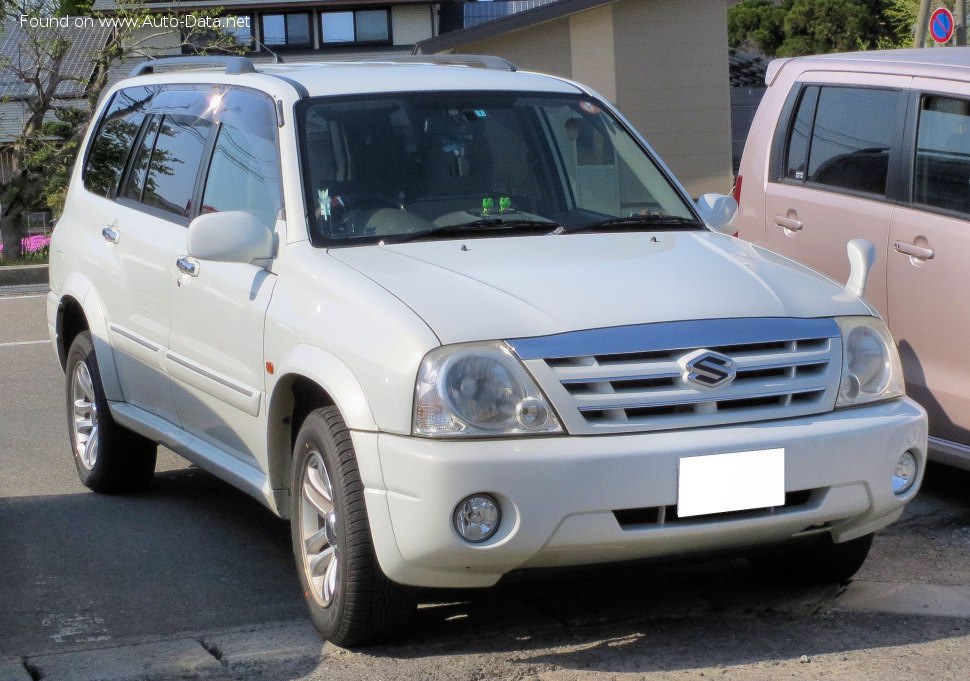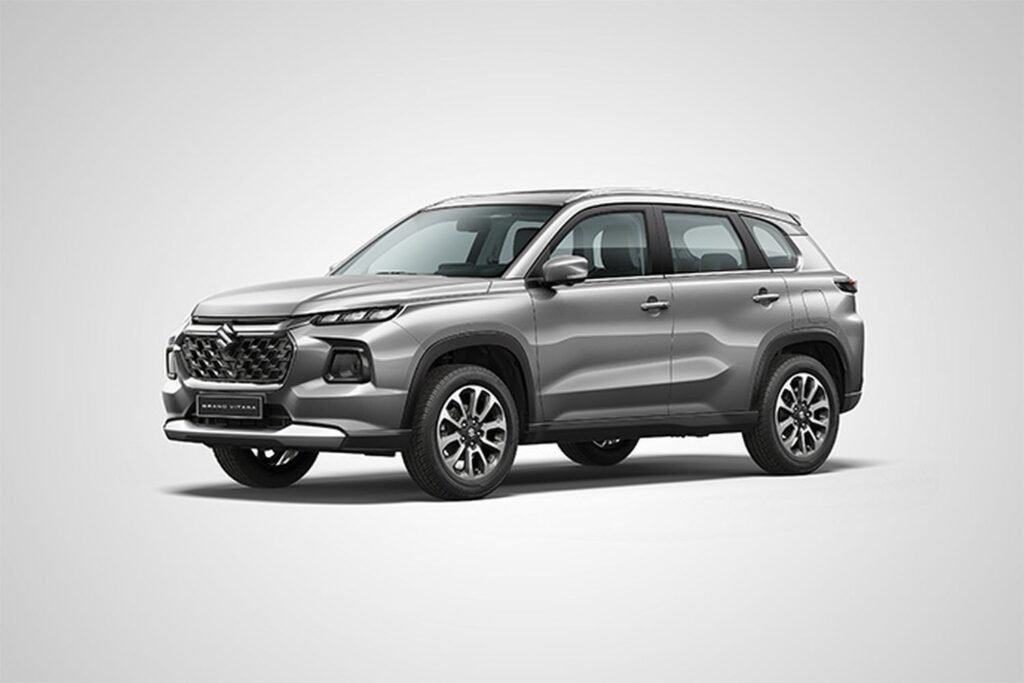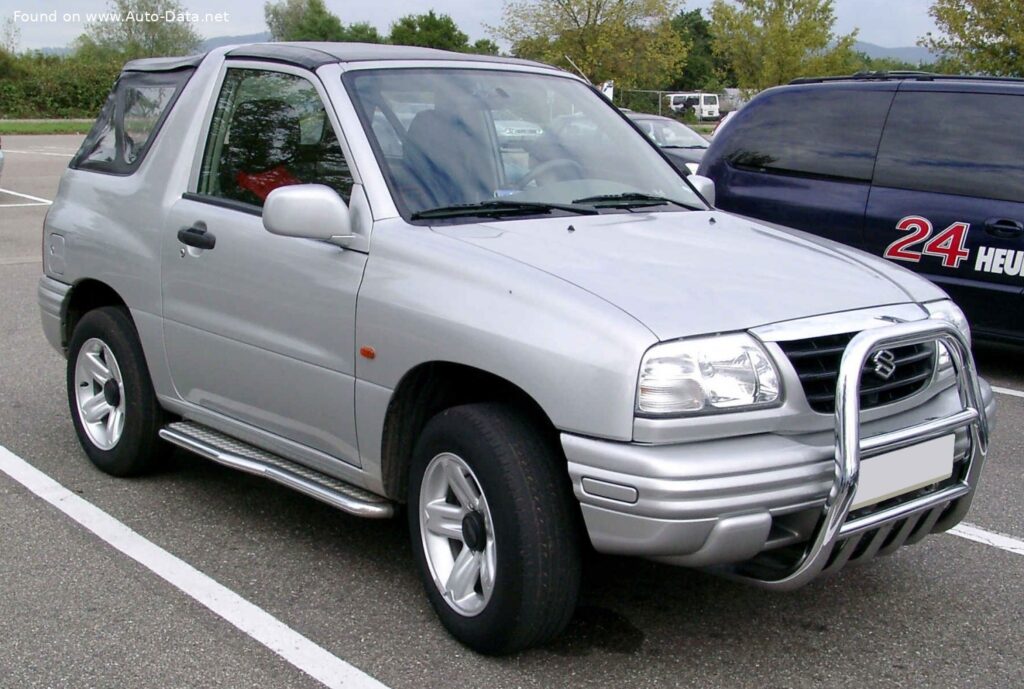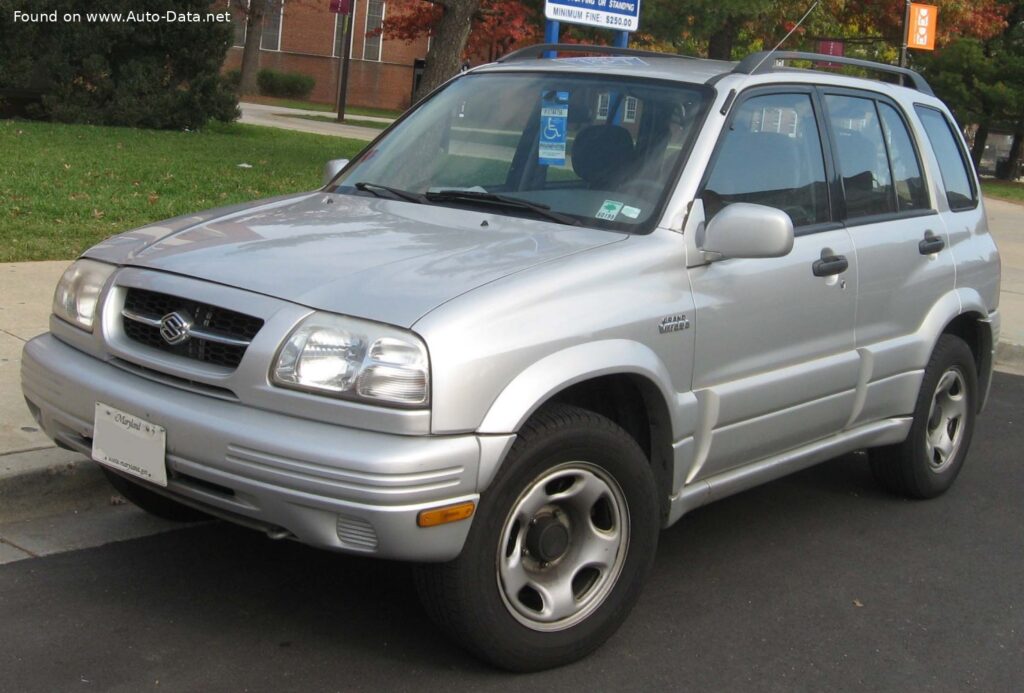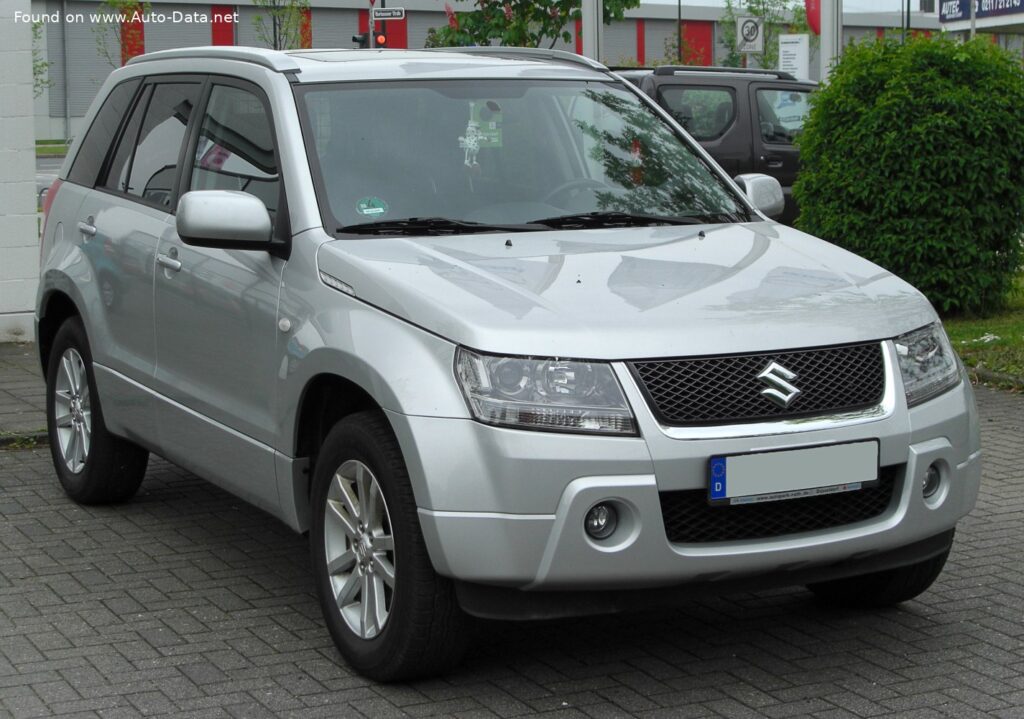
The Suzuki Grand Vitara II 5 Door 2.0 i 16V (140 Hp) represents a significant step forward for Suzuki’s popular compact SUV line. Produced from 2005 to 2008, this second-generation model marked a shift towards a more refined and integrated design while retaining the brand’s renowned ruggedness and off-road capability. While the Grand Vitara nameplate was known in North America, this particular 2.0-liter, four-cylinder gasoline engine variant was primarily aimed at international markets – notably Europe, Asia, and Australia – where fuel efficiency and engine displacement-based taxation were key consumer considerations, differing from the larger V6 engines often favored in the United States. The Suzuki Grand Vitara II 5 Door 2.0 i 16V (140 Hp) sought to blend everyday drivability with genuine all-wheel-drive prowess, positioning itself as a versatile option in the growing compact SUV segment.
Powertrain & Engine Architecture
The heart of this Grand Vitara II was Suzuki’s J20A engine, a naturally aspirated 2.0-liter (1995 cm3 or 121.74 cu. in.) inline-four gasoline unit. This powerplant featured a Double Overhead Camshaft (DOHC) valvetrain with 16 valves (four per cylinder), optimizing airflow for efficient combustion. Fuel delivery was managed by a multi-port fuel injection system, a common and reliable setup for the era. The engine boasted a compression ratio of 9.7:1, producing 140 horsepower at 6500 rpm and 137.19 lb-ft of torque at 4000 rpm. This resulted in a weight-to-power ratio of 11.3 kg/Hp, or approximately 88.6 Hp per tonne, providing adequate performance for a vehicle of its size and intended use.
The J20A engine utilized a conventional engine management system for the time, relying on sensors to monitor various parameters like engine temperature, throttle position, and oxygen levels in the exhaust. This information was fed to the Engine Control Unit (ECU), which adjusted fuel injection and ignition timing to optimize performance and emissions. The engine’s block was constructed from cast iron for durability, while the cylinder head was made of aluminum alloy to reduce weight. The timing chain, rather than a belt, was used to drive the camshafts, contributing to lower maintenance requirements.
This 2.0-liter engine was typically paired with a 5-speed manual transmission, although a 4-speed automatic transmission was also available. The automatic transmission was a conventional hydraulic control unit design, offering smooth but not particularly rapid shifts. The automatic transmission was geared towards fuel efficiency and comfortable cruising rather than sporty acceleration. Both transmissions channeled power to an advanced all-wheel-drive (4×4) system, a hallmark of the Grand Vitara’s more capable SUV philosophy.
Driving Characteristics
In real-world conditions, the 140 hp / Automatic combination delivered adequate, but not exhilarating, performance. Acceleration from 0-60 mph took approximately 11.9 seconds, with a top speed of 109.36 mph (176 km/h). Compared to the manual transmission version, the automatic resulted in a slight performance decrease due to the transmission’s inherent power loss. The automatic’s gear ratios were optimized for fuel economy and smooth cruising, meaning it wasn’t as responsive as the manual when quick acceleration was needed. The 4×4 system provided enhanced traction in slippery conditions, making it suitable for light off-road use, but it wasn’t designed for serious rock crawling or extreme terrain.
The automatic transmission’s shift points were programmed to prioritize fuel efficiency, which sometimes resulted in the engine feeling slightly strained during overtaking maneuvers. The overall driving experience was comfortable and refined, particularly on paved roads, thanks to the unibody construction and well-tuned suspension. However, drivers accustomed to more powerful engines or sportier transmissions might find the 2.0-liter automatic somewhat lacking in responsiveness.
Equipment & Trim Levels
The Grand Vitara II 5 Door 2.0 i 16V (140 Hp) typically served as a mid-range offering in the lineup, positioned above the base models but below the more luxurious or higher-performance trims. Standard features generally included power steering with a rack and pinion system, air conditioning, power windows, central locking, and an audio system with CD player. Interior upholstery was typically cloth, with options for upgraded materials in higher trim levels. The dashboard layout was functional and straightforward, with easy-to-read gauges and logically placed controls.
Optional extras available for this trim included alloy wheels, a sunroof, leather upholstery, and a more advanced audio system with navigation. Safety features, such as Anti-lock Braking System (ABS) and dual front airbags, were often standard, although availability could vary depending on the specific market. Some models also offered features like rear parking sensors and a roof rack for added convenience.
Chassis & Braking
The Grand Vitara II utilized a unibody construction with an integrated ladder frame, providing a balance of on-road refinement and off-road durability. The front suspension consisted of spring struts, while the rear suspension employed coil springs. This setup offered a comfortable ride and reasonable handling characteristics. The vehicle rode on 17-inch wheels with 225/65 R17 tires, providing a good compromise between on-road grip and off-road traction.
The braking system comprised ventilated discs at the front for improved heat dissipation and drum brakes at the rear, a common configuration for SUVs of this era and weight class. ABS was typically standard, enhancing stopping control in emergency situations. The steering system was a rack and pinion setup, providing precise and responsive steering feel. Stabilizer bars were fitted to both the front and rear axles to reduce body roll during cornering.
Market Reception & Comparison
Critics generally viewed the 2.0-liter Grand Vitara as a competent and versatile SUV, particularly in markets where fuel efficiency and engine displacement were important factors. It was praised for its comfortable ride, spacious interior, and capable all-wheel-drive system. However, some reviewers noted that the 140 hp engine could feel underpowered, especially when fully loaded or driving uphill. Compared to the larger V6-powered Grand Vitara models, the 2.0-liter version offered better fuel economy but less outright performance.
Fuel economy was a key strength of the 2.0-liter variant, with combined fuel consumption rated at 9.1 liters per 100 kilometers (25.8 US mpg). This was significantly better than the V6 models. Reliability was generally good, although some owners reported minor issues with the automatic transmission. Overall, the 2.0-liter Grand Vitara offered a compelling value proposition for buyers seeking a practical and capable compact SUV.
Technical Specifications
| Brand | Suzuki |
| Model | Grand Vitara |
| Generation | Grand Vitara II 5 Door |
| Type (Engine) | 2.0 i 16V (140 Hp) |
| Production Start | 2005 year |
| Production End | 2008 year |
| Powertrain Architecture | Internal Combustion engine |
| Body type | SUV |
| Seats | 5 |
| Doors | 5 |
| Fuel consumption (urban) | 11.6 l/100 km |
| Fuel consumption (extra urban) | 7.6 l/100 km |
| Fuel consumption (combined) | 9.1 l/100 km |
| Fuel Type | Petrol (Gasoline) |
| Acceleration 0 – 60 mph | 11.9 sec |
| Maximum speed | 176 km/h |
| Maximum speed (mph) | 109.36 mph |
| Emission standard | Euro 4 |
| Weight-to-power ratio | 11.3 kg/Hp |
| Engine Specs | |
| Power | 140 Hp @ 6500 rpm |
| Torque | 186 Nm @ 4000 rpm |
| Torque (lb.-ft.) | 137.19 lb.-ft. @ 4000 rpm |
| Engine layout | Front, Longitudinal |
| Engine Model/Code | J20A |
| Engine displacement | 1995 cm3 |
| Engine displacement (liters) | 2.0 liters |
| Engine displacement (cu. in.) | 121.74 cu. in. |
| Number of cylinders | 4 |
| Cylinder Bore | 84 mm |
| Cylinder Bore (in.) | 3.31 in. |
| Piston Stroke | 90 mm |
| Piston Stroke (in.) | 3.54 in. |
| Compression ratio | 9.7:1 |
| Number of valves per cylinder | 4 |
| Fuel injection system | Multi-port manifold injection |
| Engine aspiration | Naturally aspirated engine |
| Valvetrain | DOHC |
| Engine oil capacity | 4.8 l |
| Engine oil capacity (US qt) | 5.07 US qt |
| Coolant capacity | 7.3 l |
| Coolant capacity (US qt) | 7.71 US qt |
| Kerb Weight | 1580 kg |
| Kerb Weight (lbs.) | 3483.3 lbs. |
| Max. weight | 2070 kg |
| Max. weight (lbs.) | 4563.57 lbs. |
| Max load | 490 kg |
| Max load (lbs.) | 1080.27 lbs. |
| Fuel tank capacity | 66 l |
| Fuel tank capacity (US gal) | 17.44 US gal |
| Length | 4470 mm |
| Length (in.) | 175.98 in. |
| Width | 1810 mm |
| Width (in.) | 71.26 in. |
| Height | 1695 mm |
| Height (in.) | 66.73 in. |
| Wheelbase | 2640 mm |
| Wheelbase (in.) | 103.94 in. |
| Front track | 1540 mm |
| Front track (in.) | 60.63 in. |
| Rear (Back) track | 1570 mm |
| Rear (Back) track (in.) | 61.81 in. |
| Drive wheel | All wheel drive (4×4) |
| Number of gears and type of gearbox | 5 gears, manual transmission |
| Front suspension | Spring Strut |
| Rear suspension | Coil spring |
| Front brakes | Ventilated discs |
| Rear brakes | Drum |
| Assisting systems | ABS (Anti-lock braking system) |
| Steering type | Steering rack and pinion |
| Tires size | 225/65 R17 |
| Wheel rims size | 17 |
Legacy
The Suzuki Grand Vitara II, and specifically the 2.0 i 16V (140 Hp) variant, has established a reputation for reliability and durability. The J20A engine, while not particularly powerful, is known for its longevity and relatively low maintenance costs. The 4×4 system continues to perform well in many examples, and the unibody construction has proven to be robust over time.
In the used car market today, these Grand Vitara IIs represent a good value proposition for buyers seeking a capable and affordable SUV. They are often found with reasonable mileage and well-maintained, making them a practical choice for daily commuting and light off-road adventures. However, potential buyers should be aware of the age-related issues common to vehicles of this era, such as worn suspension components and potential corrosion. The automatic transmission should be inspected carefully for smooth operation. Overall, the Suzuki Grand Vitara II 5 Door 2.0 i 16V (140 Hp) remains a testament to Suzuki’s commitment to building versatile and enduring vehicles.