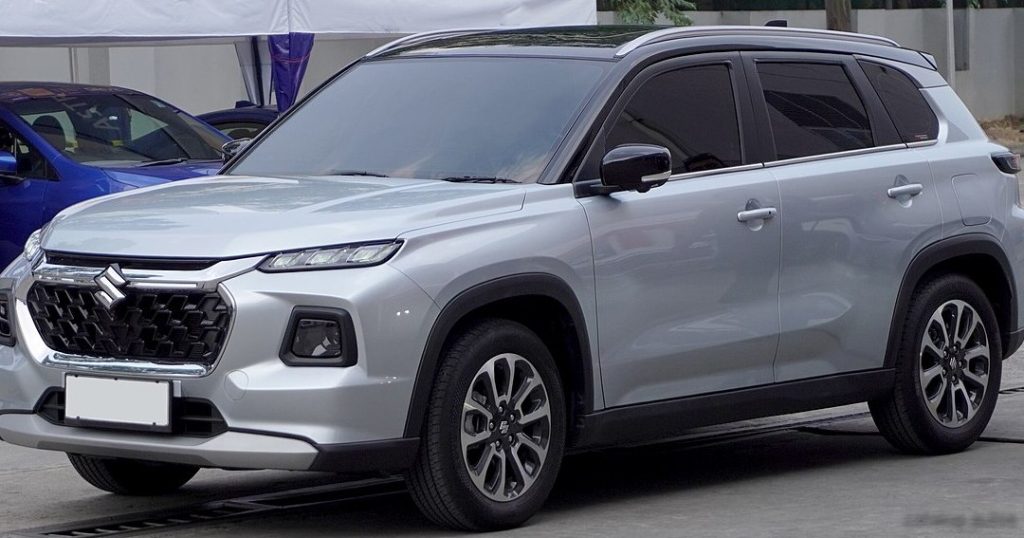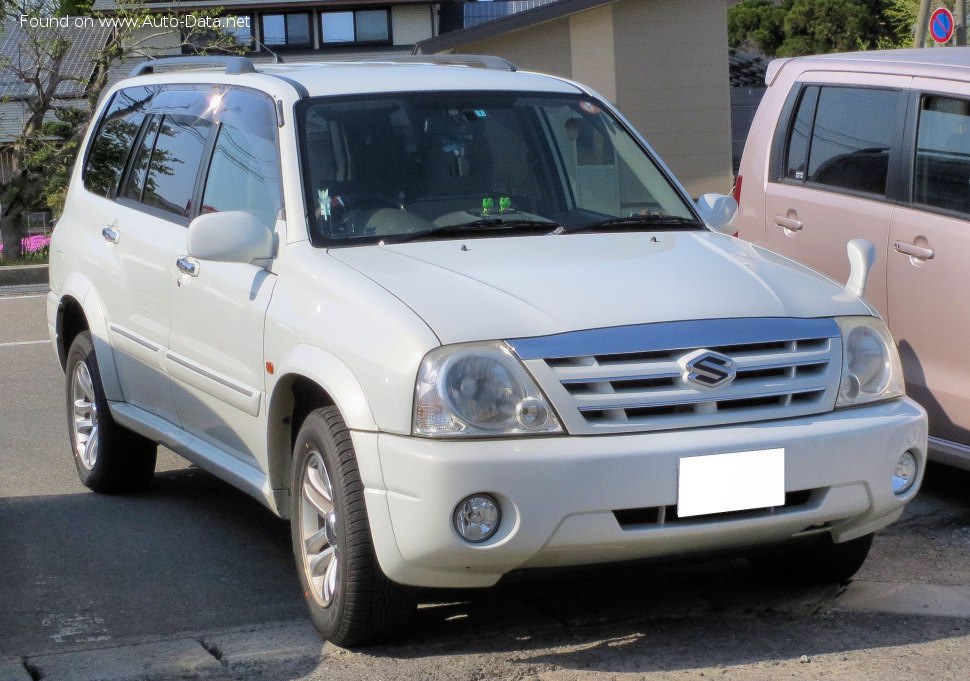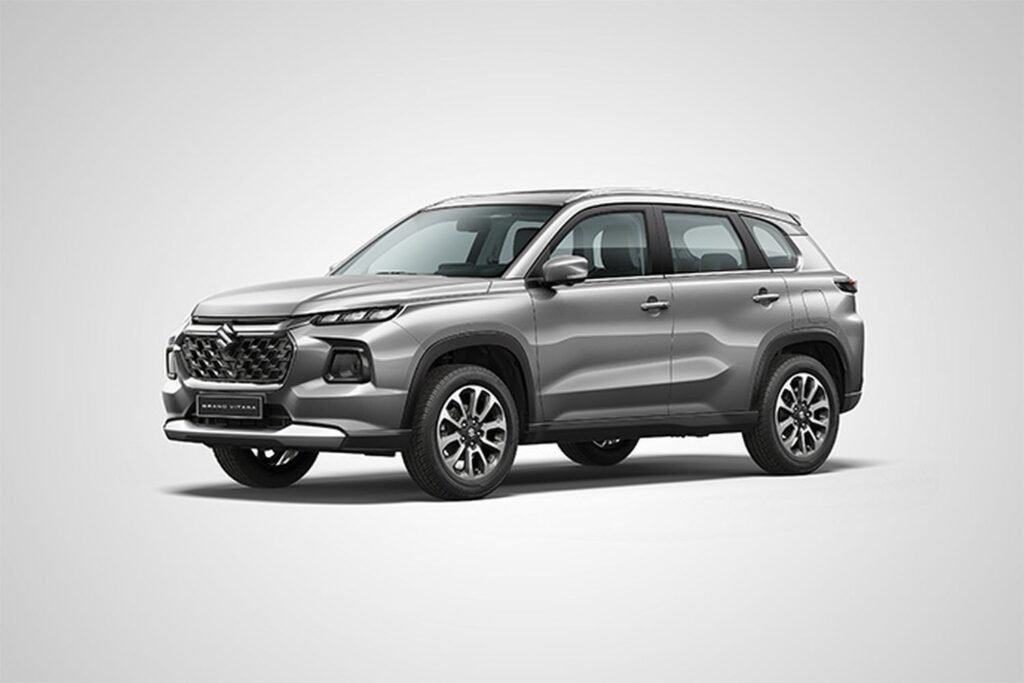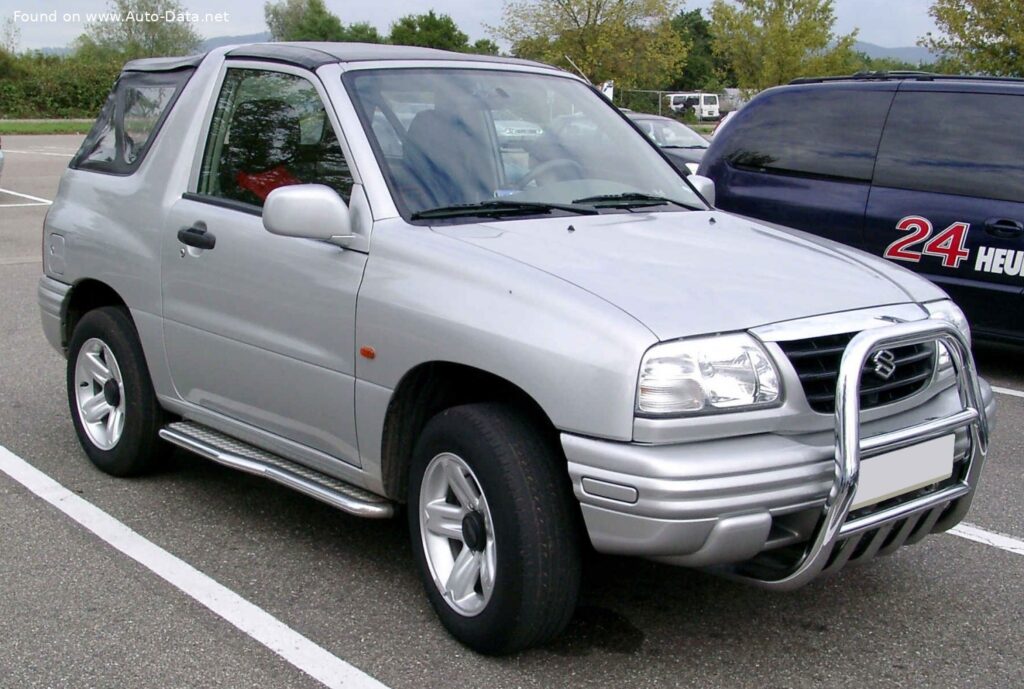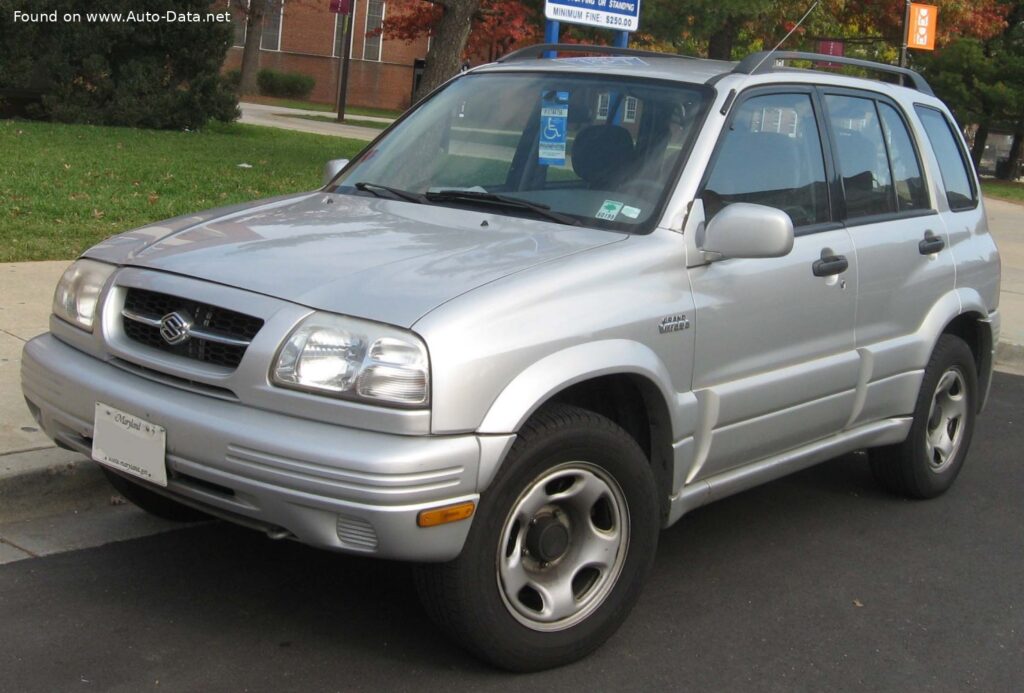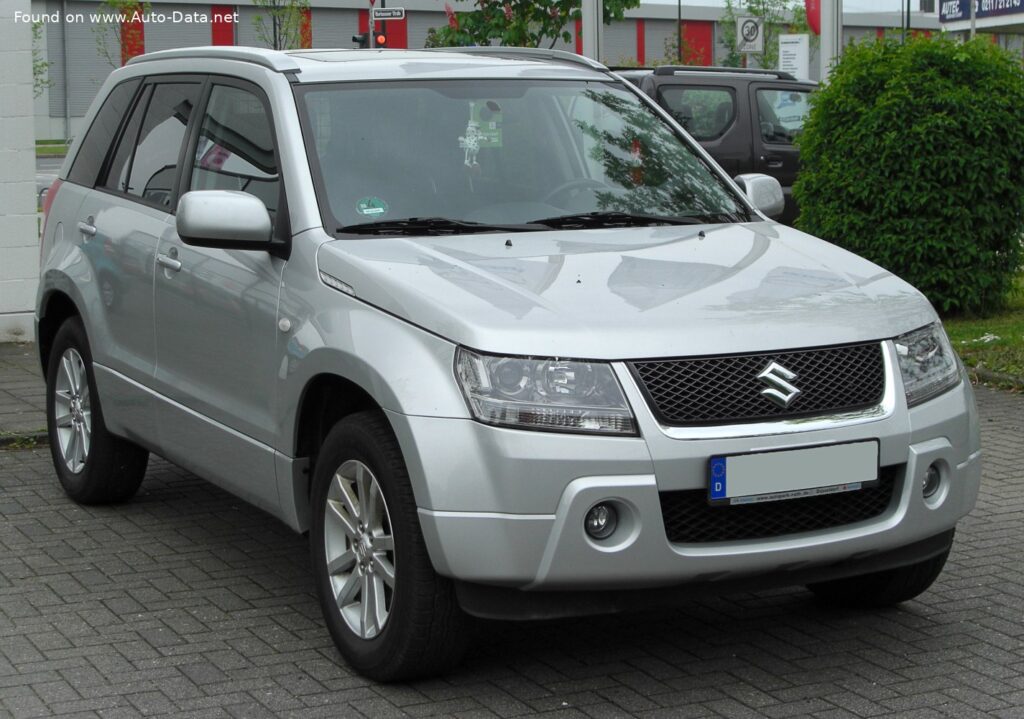
The Suzuki Grand Vitara II 5 Door 2.7 V6 (185 Hp) represents a significant evolution for Suzuki’s popular compact SUV line, marking its second generation. Launched in 2005 and produced until 2008, this particular variant, equipped with a potent 2.7-liter V6 engine, aimed to blend the brand’s renowned off-road heritage with increased on-road refinement and modern amenities. Positioned in the highly competitive compact SUV segment, the Grand Vitara II targeted consumers seeking a versatile vehicle capable of handling both daily urban commutes and more adventurous excursions, albeit this specific variant’s rear-wheel-drive architecture steered it slightly more towards on-road prowess than its more common four-wheel-drive siblings.
The Grand Vitara II: A Shift in Philosophy
Succeeding the original Vitara/Grand Vitara, which gained a reputation for its robust, body-on-frame construction and genuine off-road capability, the second-generation model transitioned to a unibody platform with an integrated ladder frame. This engineering choice aimed to offer a more comfortable and car-like driving experience while retaining a degree of durability and ruggedness that set it apart from many of its purely car-based crossover rivals. The 5-door configuration provided ample space for five occupants and a generous cargo area, making it a practical choice for families and adventurers alike across various international markets, including North America, Europe, and Asia.
Powertrain & Engine Architecture: The H27A V6
At the heart of this particular Suzuki Grand Vitara II 5 Door 2.7 V6 model is a naturally aspirated 2.7-liter V6 gasoline engine, designated with the internal code H27A. This powertrain delivered a respectable 185 horsepower at 6000 rpm, providing ample thrust for highway cruising and confident overtaking maneuvers. Torque output stood at 183.65 lb.-ft. (249 Nm) available at 4500 rpm, ensuring a responsive feel across the rev range. The engine featured a V-configuration with six cylinders, each equipped with four valves, totaling 24 valves, and utilized a Double Overhead Camshaft (DOHC) valvetrain for efficient breathing and power delivery.
Fueling the H27A engine was a direct injection system, a relatively advanced feature for a mainstream SUV in 2005, contributing to improved fuel atomization and combustion efficiency. The engine was longitudinally mounted at the front of the vehicle, a traditional setup often associated with more robust drivetrain configurations. Power was routed to the rear wheels via a 5-speed manual transmission, offering an engaging driving experience for those who preferred more direct control over gear selection. While many Grand Vitara models were celebrated for their sophisticated 4×4 systems, this specific RWD variant presented a simpler, potentially lighter, and more fuel-efficient option, albeit with reduced off-road capability compared to its AWD counterparts.
Transmission Details
The 5-speed manual transmission paired with the 2.7L V6 was a conventional design, prioritizing durability and straightforward operation. Gear ratios were tuned to balance acceleration with highway cruising efficiency. First gear was relatively short for quick starts, while fifth gear was geared for relaxed highway travel. This transmission was not known for particularly sporty shift feel, but rather for its reliability and ease of use.
Driving Characteristics
The 2.7 V6 and 5-speed manual combination in the Grand Vitara II offered a noticeable performance advantage over the base four-cylinder models. Acceleration was brisk, and the engine provided ample power for merging onto highways and passing slower vehicles. Compared to the automatic transmission options available on other Grand Vitara trims, the manual offered a more direct connection to the engine and allowed drivers to fully utilize the V6’s powerband. However, the rear-wheel-drive configuration limited its off-road capabilities compared to the available four-wheel-drive systems. The vehicle felt balanced on paved roads, but lacked the traction needed for serious off-roading. The manual transmission also required more driver involvement, which may not have appealed to all buyers in the SUV segment.
Equipment & Trim Levels
The 2.7 V6 RWD Grand Vitara II typically came with a reasonably well-equipped standard feature set. This included air conditioning, power windows and locks, a CD player with multiple speakers, and basic safety features like dual front airbags. Higher trim levels added features such as alloy wheels, a sunroof, leather upholstery, and upgraded audio systems. The interior generally featured durable plastics and cloth upholstery, prioritizing practicality over luxury. Optional extras included a navigation system, heated seats, and a rear cargo organizer.
Chassis & Braking
The Grand Vitara II utilized an independent suspension system at both the front and rear, a significant upgrade aimed at enhancing ride comfort and handling dynamics. The front suspension utilized a McPherson strut setup with coil springs and an anti-roll bar, while the rear employed an independent multi-link design. This advanced suspension architecture provided a more compliant ride over varied road surfaces and improved stability during cornering, making the vehicle feel more car-like to drive. Braking performance was handled by ventilated discs at the front and solid discs at the rear, complemented by an Anti-lock Braking System (ABS) as a standard assisting system, enhancing safety by preventing wheel lock-up during hard braking. Steering was managed by a rack and pinion system with hydraulic power steering, offering direct feedback and ease of maneuverability.
Market Reception & Comparison
Critics generally praised the Grand Vitara II for its blend of on-road comfort and off-road capability, although the RWD 2.7 V6 variant was often seen as less versatile than its 4WD counterparts. The V6 engine was lauded for its smooth power delivery and ample torque, while the manual transmission was appreciated by enthusiasts. Fuel economy was considered average for the class, and reliability was generally good. Compared to competitors like the Toyota RAV4 and Honda CR-V, the Grand Vitara II offered a more rugged aesthetic and a more engaging driving experience, but lacked the brand recognition and resale value of the Japanese rivals. The RWD configuration made it a less popular choice than the 4WD models, appealing to a niche market of buyers who prioritized on-road performance and fuel efficiency over off-road capability.
Technical Specifications
| Brand | Suzuki |
| Model | Grand Vitara |
| Generation | Grand Vitara II 5 Door |
| Type (Engine) | 2.7 V6 (185 Hp) |
| Start of Production | 2005 year |
| End of Production | 2008 year |
| Powertrain Architecture | Internal Combustion engine |
| Body type | SUV |
| Seats | 5 |
| Doors | 5 |
| Fuel Consumption (Urban) | 13.1 l/100 km (18 US mpg) |
| Fuel Consumption (Extra Urban) | 10.2 l/100 km (23.1 US mpg) |
| Fuel Type | Petrol (Gasoline) |
| Emission Standard | LEV |
| Weight-to-Power Ratio | 8.5 kg/Hp (118.1 Hp/tonne) |
| Weight-to-Torque Ratio | 6.3 kg/Nm (159 Nm/tonne) |
| Power | 185 Hp @ 6000 rpm |
| Power per Liter | 67.6 Hp/l |
| Torque | 249 Nm @ 4500 rpm (183.65 lb.-ft. @ 4500 rpm) |
| Engine Layout | Front, Longitudinal |
| Engine Model/Code | H27A |
| Engine Displacement | 2736 cm3 (166.96 cu. in.) |
| Number of Cylinders | 6 |
| Engine Configuration | V-engine |
| Cylinder Bore | 88 mm (3.46 in.) |
| Piston Stroke | 75 mm (2.95 in.) |
| Number of Valves per Cylinder | 4 |
| Fuel Injection System | Direct injection |
| Engine Aspiration | Naturally aspirated engine |
| Valvetrain | DOHC |
| Engine Oil Capacity | 5.3 l (5.6 US qt) |
| Kerb Weight | 1566 kg (3452.44 lbs.) |
| Trunk (Boot) Space – Minimum | 691 l (24.4 cu. ft.) |
| Trunk (Boot) Space – Maximum | 1951 l (68.9 cu. ft.) |
| Fuel Tank Capacity | 66 l (17.44 US gal) |
| Permitted Trailer Load with Brakes (12%) | 1361 kg (3000.49 lbs.) |
| Drivetrain Architecture | The Internal combustion engine (ICE) drives the rear wheels of the vehicle. |
| Drive Wheel | Rear wheel drive |
| Number of Gears and Type of Gearbox | 5 gears, manual transmission |
| Front Suspension | Independent, type McPherson with coil spring and anti-roll bar |
| Rear Suspension | Independent multi-link suspension |
| Front Brakes | Ventilated discs |
| Rear Brakes | Disc |
| Assisting Systems | ABS (Anti-lock braking system) |
| Steering Type | Steering rack and pinion |
| Power Steering | Hydraulic Steering |
| Tires Size | 225/70 R16; 235/60 R16 |
Legacy
The Suzuki Grand Vitara II, particularly in its 5-door 2.7 V6 (185 Hp) configuration, carved out a distinct niche in the compact SUV market during its production run from 2005 to 2008. While many competitors were increasingly moving towards purely car-based, front-wheel-drive platforms, the Grand Vitara II maintained a more robust character, integrating a unibody structure with an embedded ladder frame. This approach offered a compromise, providing a more comfortable and refined ride than traditional body-on-frame SUVs, yet retaining a greater sense of durability and ruggedness than many contemporary crossovers. The H27A V6 engine, while not known for exceptional fuel economy, proved to be a reliable powerplant when properly maintained. Today, well-maintained examples of this Grand Vitara variant can still be found on the used car market, often appealing to buyers seeking a dependable and affordable SUV with a bit more character than the mainstream options. Common issues include wear and tear on suspension components and potential for oil leaks as the engine ages, but overall, the H27A V6 is considered a relatively robust engine. Its legacy is one of providing a capable and value-oriented SUV that offered a unique blend of on-road comfort and off-road potential.