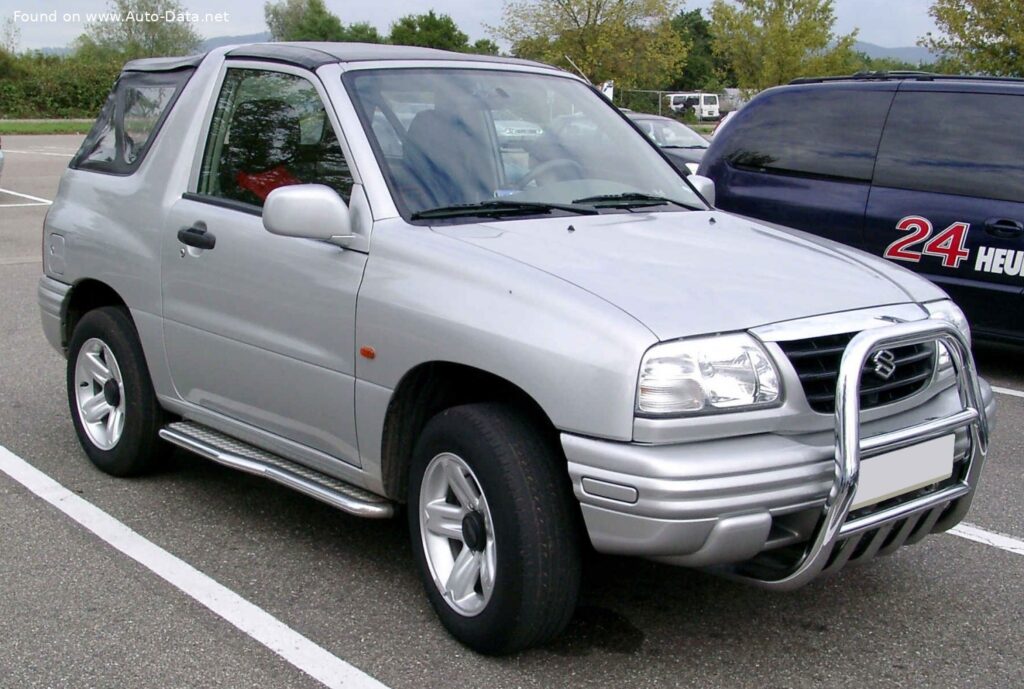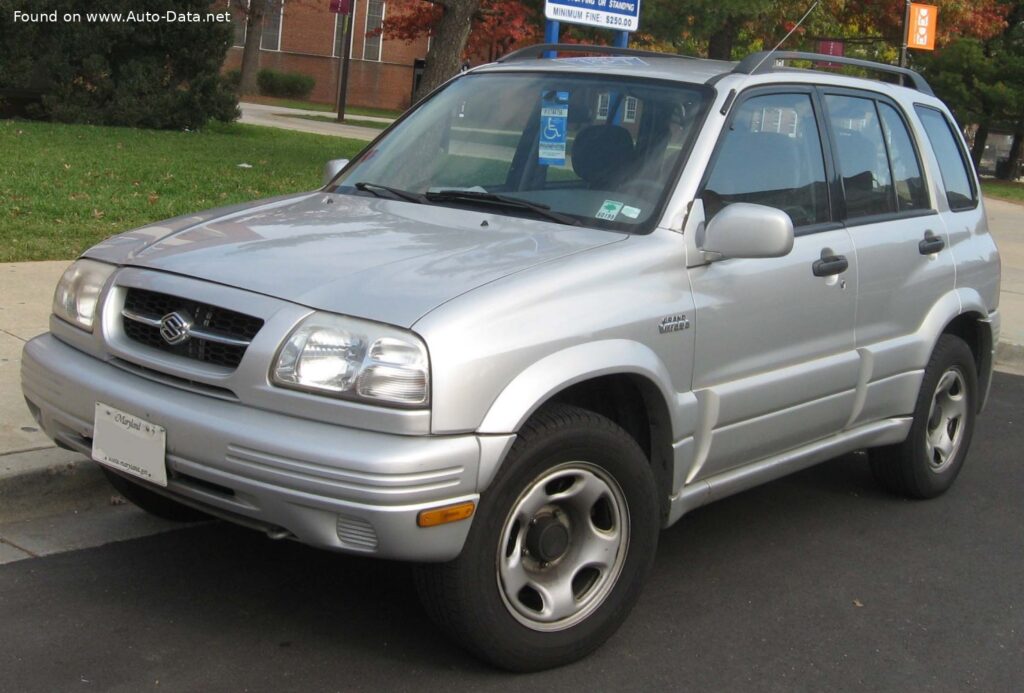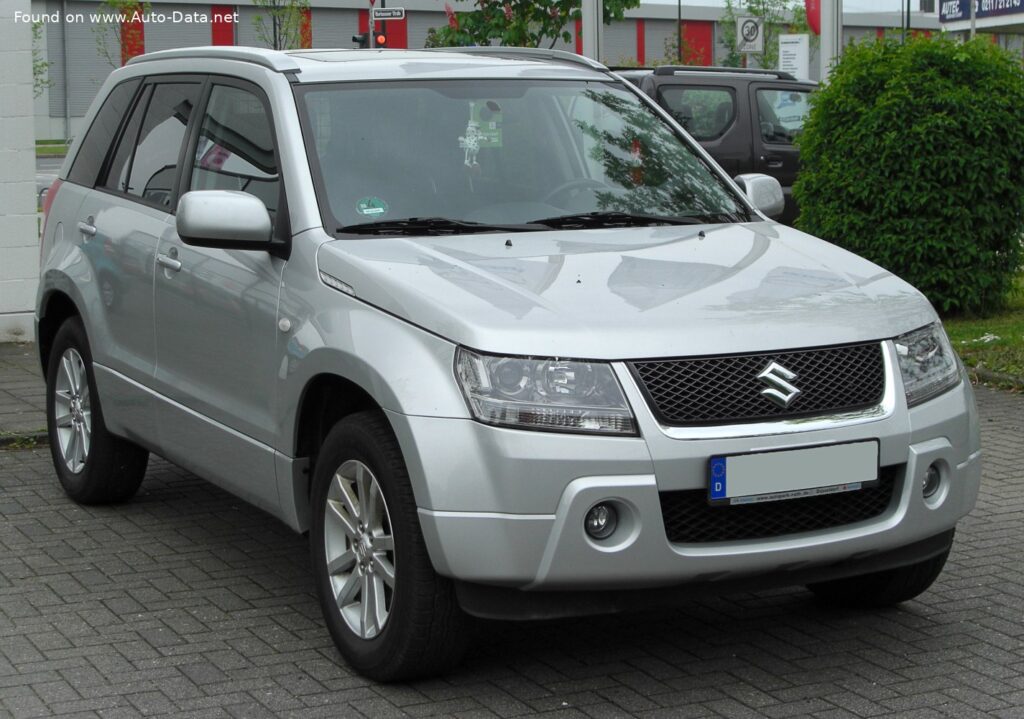
The Suzuki Grand Vitara II 5 Door 2.7 V6 (185 Hp) 4WD represents the second generation of Suzuki’s popular compact sport utility vehicle (SUV), produced from 2005 to 2008. Building on the success of its predecessor, this iteration aimed to blend enhanced on-road refinement with Suzuki’s renowned off-road capability. Positioned in the fiercely competitive compact SUV segment, the Grand Vitara II was designed to appeal to a broad global audience, offering a robust four-wheel-drive system, a versatile five-door body style, and a powerful V6 engine option. While Suzuki is a Japanese brand, the Grand Vitara II was engineered with international markets in mind, including a significant presence in Europe, Australia, and North America, where it was often praised for its excellent value and genuine utility.
This particular variant, equipped with the 2.7-liter V6 engine, stood out in the lineup for its elevated performance and more sophisticated driving experience compared to its four-cylinder siblings. It was a testament to Suzuki’s commitment to offering a well-rounded vehicle that could tackle daily commutes, family adventures, and light to moderate off-road excursions with equal aplomb. The Grand Vitara II was not merely a soft-roader; its permanent all-wheel-drive system and independent suspension setup ensured a level of capability that many rivals in its class could not match, forging a strong reputation for durability and adventure.
Powertrain & Engine Architecture
At the heart of this specific Grand Vitara II model was the H27A engine, a naturally aspirated 2.7-liter V6 gasoline powerplant. This engine was configured in a front, longitudinal layout, a common arrangement for vehicles prioritizing balanced weight distribution and robust drivetrain integration. Featuring a Double Overhead Camshaft (DOHC) valvetrain with four valves per cylinder, the V6 was engineered for smooth power delivery and respectable efficiency for its class and era.
The H27A engine generated a peak output of 185 horsepower (Hp) at 6000 revolutions per minute (rpm), providing ample power for highway cruising and confident acceleration. Torque figures stood at 249 Newton-meters (Nm), or 183.65 pound-feet (lb-ft), delivered at an accessible 4500 rpm. This robust torque output was crucial for the SUV’s performance, particularly when tackling inclines, navigating rough terrain, or towing. The engine’s displacement of 2736 cubic centimeters (166.96 cubic inches) was achieved with a cylinder bore of 88 mm (3.46 inches) and a piston stroke of 75 mm (2.95 inches), a configuration designed for a good balance of power and responsiveness. Fuel was delivered via a direct injection system, optimizing combustion and contributing to the engine’s overall performance characteristics.
Power was channeled through a 5-speed manual transmission, offering drivers an engaging and direct connection to the vehicle’s capabilities. This manual gearbox, combined with the permanent all-wheel-drive (4×4) system, highlighted the Grand Vitara’s focus on driver control and off-road prowess. The drivetrain architecture ensured that the internal combustion engine permanently drove all four wheels, providing continuous traction and stability across varying surfaces.
Driving Characteristics
The 2.7L V6 Grand Vitara II offered a noticeable step up in performance compared to the available four-cylinder engines. While the four-cylinder models prioritized fuel economy, the V6 delivered more responsive acceleration and a more relaxed driving experience, particularly when fully loaded or traveling at highway speeds. The 5-speed manual transmission provided a good range of gear ratios, allowing the driver to keep the engine in its optimal power band. Compared to an automatic transmission equipped model (if available), the manual offered more direct control and a more engaging driving experience. The permanent four-wheel-drive system contributed to confident handling on both paved and unpaved surfaces, providing enhanced traction and stability. However, the added weight of the V6 engine and 4WD system did slightly impact fuel economy compared to the lighter, front-wheel-drive models.
Equipment & Trim Levels
The 2.7 V6 Grand Vitara II typically represented a mid-range to upper-mid-range trim level within the lineup. Standard features generally included air conditioning, power windows and locks, a CD player with multiple speakers, and basic safety equipment like dual front airbags. Interior upholstery was typically cloth, though leather options were often available as upgrades. Depending on the market, features like alloy wheels, a sunroof, and upgraded audio systems were also common on this trim. Optional extras could include a navigation system, heated seats, and a rear parking sensor system. The dashboard configuration was generally straightforward and functional, prioritizing ease of use over elaborate styling.
Chassis & Braking
The Grand Vitara II was built on a body-on-frame chassis, providing a robust and durable foundation for off-road driving. It featured an independent front suspension with McPherson struts, coil springs, and an anti-roll bar, providing responsive handling and a comfortable ride. The rear also benefited from an independent multi-link suspension, further enhancing ride quality and stability, particularly on uneven surfaces. Braking performance was managed by ventilated discs at the front and solid discs at the rear, augmented by an Anti-lock Braking System (ABS) for improved safety during emergency stops. Steering was handled by a hydraulic rack and pinion system, offering direct feedback to the driver. The vehicle rode on a choice of tire sizes, including 225/70 R16, 235/60 R16, or 225/65 R17, depending on the trim and market, contributing to its stable road manners and off-road grip.
Market Reception & Comparison
Critics generally praised the Suzuki Grand Vitara II 2.7 V6 for its combination of off-road capability, on-road refinement, and value for money. It was often seen as a more capable and rugged alternative to car-based crossover SUVs. Fuel economy was considered reasonable for a V6-powered SUV of its size and capability, though it didn’t match the efficiency of the four-cylinder models. Reliability was generally good, with few widespread mechanical issues reported. Compared to other trims in the lineup, the 2.7 V6 offered a significant performance advantage, making it a popular choice for drivers who frequently towed trailers or ventured off-road. However, it came at a higher price point than the base models.
Technical Specifications
| Category | Specification |
| General Information | |
| Brand | Suzuki |
| Model | Grand Vitara |
| Generation | Grand Vitara II 5 Door |
| Type (Engine) | 2.7 V6 (185 Hp) 4WD |
| Start of Production | 2005 year |
| End of Production | 2008 year |
| Powertrain Architecture | Internal Combustion engine |
| Body Type | SUV |
| Seats | 5 |
| Doors | 5 |
| Performance Specs | |
| Fuel Consumption (Urban) | 18 US mpg (13.1 l/100 km) |
| Fuel Consumption (Extra Urban) | 23.1 US mpg (10.2 l/100 km) |
| Fuel Type | Petrol (Gasoline) |
| Emission Standard | LEV |
| Weight-to-Power Ratio | 8.8 kg/Hp (113.8 Hp/tonne) |
| Weight-to-Torque Ratio | 6.5 kg/Nm (153.2 Nm/tonne) |
| Engine Specs | |
| Power | 185 Hp @ 6000 rpm |
| Power per Liter | 67.6 Hp/l |
| Torque | 183.65 lb-ft @ 4500 rpm (249 Nm) |
| Engine Layout | Front, Longitudinal |
| Engine Model/Code | H27A |
| Engine Displacement | 2.7 liters (2736 cm3 / 166.96 cu. in.) |
| Number of Cylinders | 6 |
| Engine Configuration | V-engine |
| Cylinder Bore | 3.46 inches (88 mm) |
| Piston Stroke | 2.95 inches (75 mm) |
| Number of Valves per Cylinder | 4 |
| Fuel Injection System | Direct injection |
| Engine Aspiration | Naturally aspirated engine |
| Valvetrain | DOHC |
| Engine Oil Capacity | 5.6 US quarts (5.3 l) |
| Space, Volume and Weights | |
| Kerb Weight | 3582.51 lbs (1625 kg) |
| Trunk (boot) space – minimum | 24.4 cu. ft. (691 l) |
| Trunk (boot) space – maximum | 68.9 cu. ft. (1951 l) |
| Fuel Tank Capacity | 17.44 US gallons (66 l) |
| Permitted Trailer Load with Brakes (12%) | 3000.49 lbs (1361 kg) |
| Drivetrain, Brakes and Suspension Specs | |
| Drivetrain Architecture | The Internal combustion engine (ICE) drives permanently the four wheels of the vehicle. |
| Drive Wheel | All wheel drive (4×4) |
| Number of Gears and Type of Gearbox | 5 gears, manual transmission |
| Front Suspension | Independent, type McPherson with coil spring and anti-roll bar |
| Rear Suspension | Independent multi-link suspension |
| Front Brakes | Ventilated discs |
| Rear Brakes | Disc |
| Assisting Systems | ABS (Anti-lock braking system) |
| Steering Type | Steering rack and pinion |
| Power Steering | Hydraulic Steering |
| Tires Size | 225/70 R16; 235/60 R16; 225/65 R17 |
Legacy
The Suzuki Grand Vitara II 5 Door 2.7 V6 (185 Hp) 4WD carved out a notable niche in the global compact SUV market during its production run from 2005 to 2008. It was distinguished by its unique blend of traditional SUV ruggedness and modern passenger car refinement, setting it apart from many competitors that were increasingly prioritizing on-road comfort over off-road capability. While many rivals, such as the Toyota RAV4, Honda CR-V, and Nissan X-Trail (Rogue in North America), were transitioning to car-based unibody platforms with less emphasis on serious off-roading, the Grand Vitara II maintained its body-on-frame (integrated ladder frame) construction and a sophisticated permanent four-wheel-drive system, including a low-range transfer case in some markets/trims, making it a true dual-purpose vehicle.
In North America, the Grand Vitara competed against vehicles like the Jeep Liberty, Ford Escape, and its Japanese counterparts. Its V6 engine option provided a compelling alternative for buyers seeking more power than typical four-cylinder offerings, while its genuine 4×4 system appealed to those who valued capability beyond mild dirt roads. Although it didn’t always achieve the sales volumes of its segment leaders, the Grand Vitara garnered a loyal following for its reliability, durability, and robust engineering. It was often seen as a more affordable and equally capable alternative to larger, more expensive SUVs.
Globally, the Grand Vitara enjoyed significant success in markets where challenging terrain and diverse road conditions were common. Its reputation as a go-anywhere vehicle, combined with Suzuki’s heritage in small, capable 4x4s, solidified its position. The 2.7 V6 variant, in particular, offered a refined driving experience on pavement while retaining the necessary grunt for off-road adventures or towing light trailers, with a permitted trailer load of over 3000 pounds. Its LEV (Low Emission Vehicle) rating also indicated Suzuki’s efforts toward environmental responsibility for the time.
The Grand Vitara II’s legacy lies in its steadfast commitment to offering a balanced package: a comfortable and practical family vehicle for daily use, yet inherently capable of venturing off the beaten path. It represented an era when compact SUVs still offered serious off-road credentials without sacrificing too much in terms of everyday drivability and efficiency. Its production run, though relatively short for this generation, cemented its place as a reliable and versatile contender in a highly competitive segment, contributing to Suzuki’s global reputation as a manufacturer of robust and capable utility vehicles.