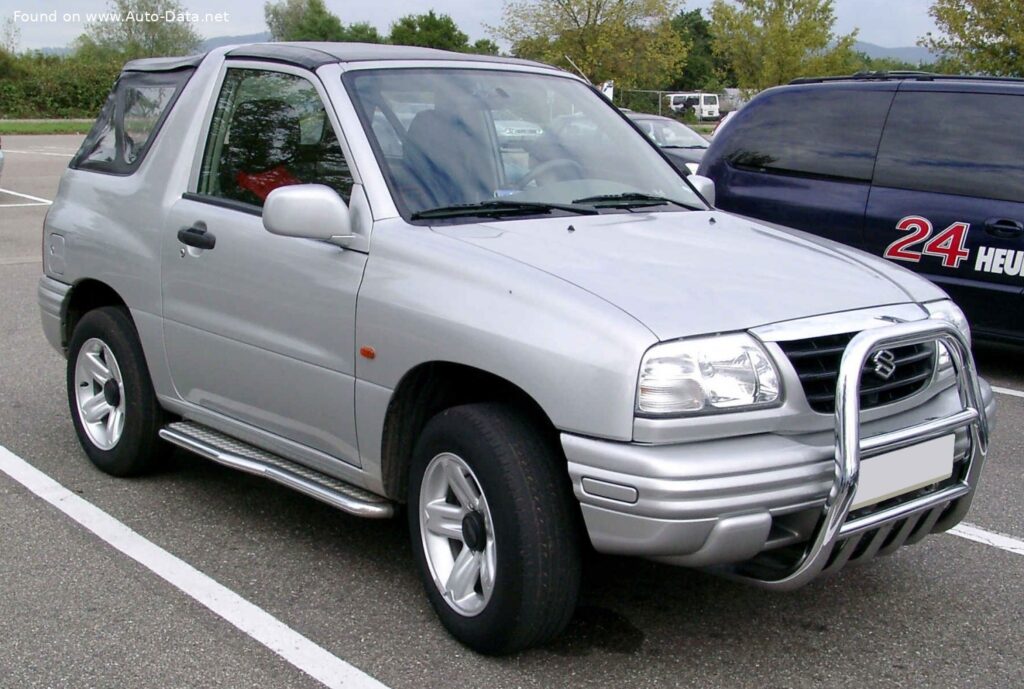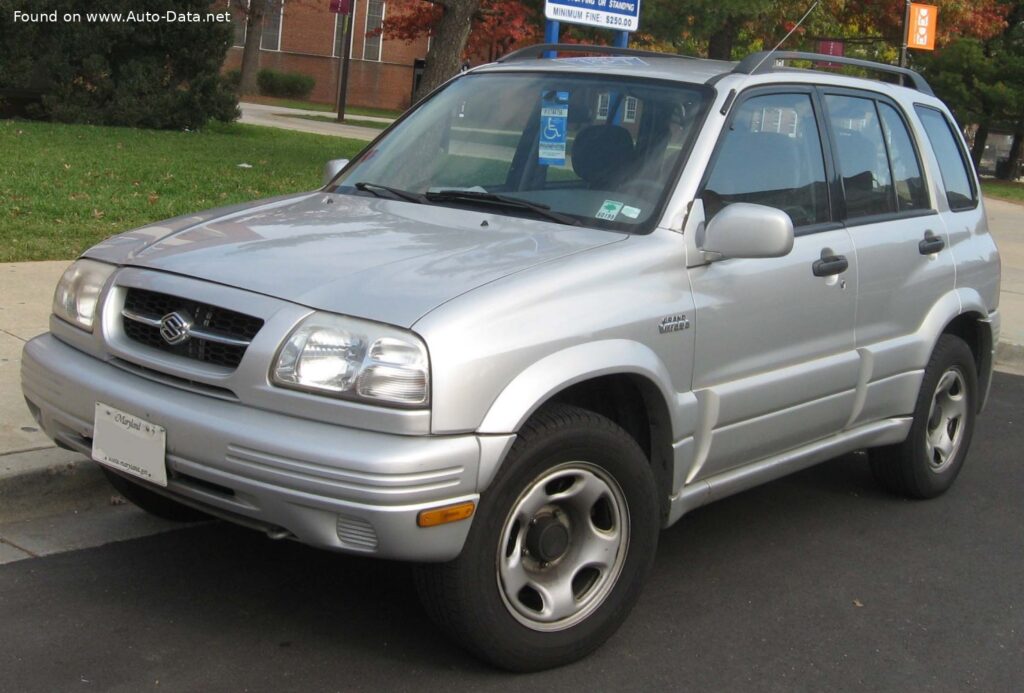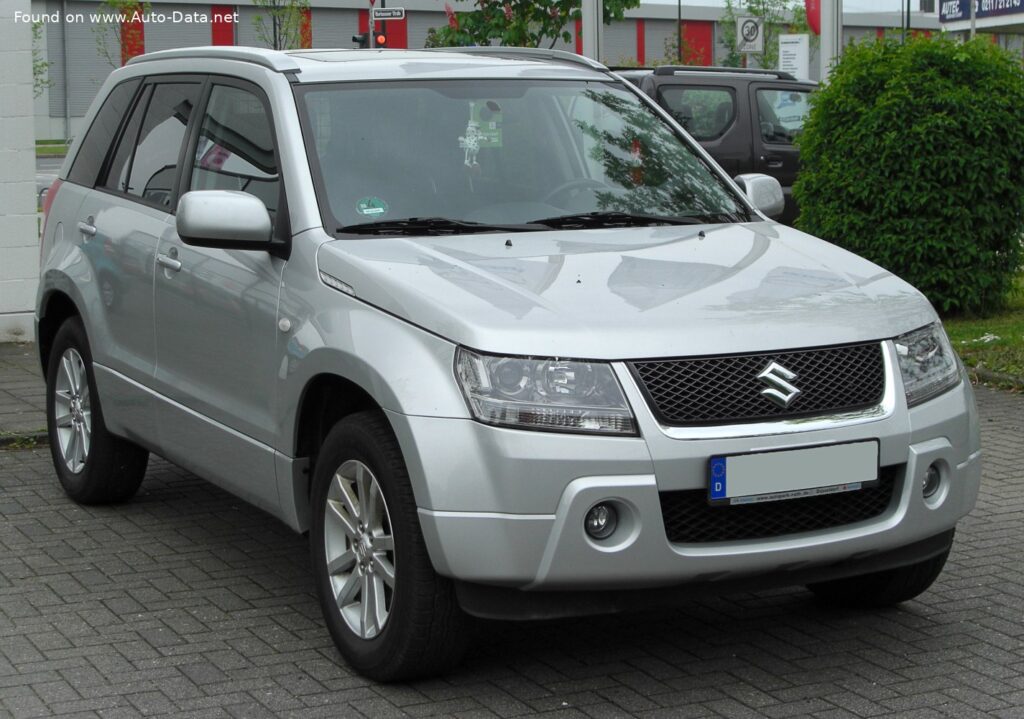
The Suzuki Grand Vitara II 5 Door 2.7 V6 (185 Hp) Automatic, produced from 2005 to 2008, was a significant iteration of Suzuki’s compact to mid-size SUV. Building on the first generation’s reputation for off-road capability, the Grand Vitara II aimed to deliver a more refined on-road experience alongside modern amenities. This specific variant, equipped with a 2.7-liter V6 engine and a 5-speed automatic transmission, was positioned as a practical and capable five-door SUV. Notably, this configuration often featured a rear-wheel-drive (RWD) architecture, distinguishing it from the more commonly known four-wheel-drive versions and catering to markets or buyers prioritizing on-road dynamics and efficiency. It offered a versatile package for families and adventurers seeking a blend of utility, comfort, and a reasonable price point.
Powertrain & Engine Architecture
The heart of the Grand Vitara II 5 Door 2.7 V6 Automatic is the H27A 2.7-liter V6 engine. This naturally aspirated engine produced 185 horsepower at 6000 rpm and 183.65 lb-ft of torque at 4500 rpm. The engine utilizes a Dual Overhead Camshaft (DOHC) valvetrain with four valves per cylinder, a configuration common for its era that contributes to efficient combustion and a relatively smooth power delivery. The H27A engine employed a direct fuel injection system, enhancing fuel atomization and improving both power output and fuel economy. This system precisely meters fuel into the combustion chamber, optimizing the air-fuel mixture for cleaner and more efficient burning.
Power is transferred to the rear wheels via a 5-speed automatic transmission. This transmission offered smooth and convenient gear changes, making it well-suited for both city driving and highway cruising. The automatic transmission’s gear ratios were tuned to balance acceleration and fuel efficiency, providing adequate performance for everyday driving scenarios. The choice of a 5-speed automatic, while standard for the time, offered a good compromise between complexity and responsiveness. The RWD configuration, unlike the more prevalent 4WD systems in the Grand Vitara lineup, simplified the drivetrain, potentially improving fuel economy and reducing maintenance costs.
Driving Characteristics
The 2.7 V6 Automatic Grand Vitara offered a distinct driving experience compared to the manual transmission or smaller-engined versions. The V6 engine provided ample power for merging onto highways and passing other vehicles, a noticeable advantage over the 2.0-liter four-cylinder options available in some markets. However, it wasn’t a particularly sporty vehicle; acceleration was adequate but not exhilarating. The automatic transmission, while smooth, could sometimes feel hesitant during quick acceleration maneuvers. The RWD configuration contributed to a balanced feel, particularly on dry pavement, but lacked the all-weather capability of the 4WD models. Compared to the 4WD variants, the RWD model generally offered slightly better fuel economy due to the reduced weight and mechanical complexity of the drivetrain.
Equipment & Trim Levels
The Grand Vitara II 5 Door 2.7 V6 Automatic typically came standard with a reasonable level of equipment. Standard features often included air conditioning, power windows and locks, a CD player with AM/FM radio, and basic safety features like dual front airbags. Interior upholstery was typically cloth, though leather options were available. The dashboard layout was functional and straightforward, prioritizing ease of use over stylistic flair. Optional extras could include a sunroof, upgraded audio system, alloy wheels, and side airbags. Trim levels varied by market, but generally, the 2.7 V6 Automatic represented a mid-range offering, positioned above the base models with smaller engines and fewer features, but below the fully-equipped 4WD versions.
Chassis & Braking
The Grand Vitara II utilized an independent suspension system on both the front and rear axles, contributing to a more comfortable ride and improved handling compared to older body-on-frame SUVs. The front suspension employed a McPherson strut design with coil springs and an anti-roll bar, while the rear featured an independent multi-link setup. This independent suspension allowed each wheel to react to road imperfections independently, minimizing body roll and improving ride quality. Braking duties were handled by ventilated discs at the front and solid discs at the rear, equipped with an Anti-lock Braking System (ABS) to prevent wheel lockup during hard braking. Steering was rack-and-pinion with hydraulic power assist, providing responsive and precise steering feel. Tire sizes varied, with options including 225/70 R16, 235/60 R16, and 225/65 R17, influencing both ride comfort and handling characteristics.
Market Reception & Comparison
Critics generally viewed the Grand Vitara II 2.7 V6 Automatic as a competent and practical SUV. It was praised for its spacious interior, comfortable ride, and the V6 engine’s adequate power. However, some reviewers noted that the automatic transmission could be slow to respond, and the RWD configuration limited its appeal in regions with harsh winter weather. Compared to competitors like the Honda CR-V and Toyota RAV4, the Grand Vitara offered a more rugged aesthetic and a more powerful engine, but lacked the brand recognition and resale value of the Japanese rivals. Fuel economy was competitive for a V6-powered SUV, averaging around 19 mpg in the city and 24 mpg on the highway. Reliability was generally considered good, though some owners reported minor issues with the automatic transmission and electrical components. The RWD version was often more affordable than the 4WD models, making it an attractive option for budget-conscious buyers.
Technical Specifications
| Category | Specification |
| Brand | Suzuki |
| Model | Grand Vitara |
| Generation | Grand Vitara II 5 Door |
| Type (Engine) | 2.7 V6 (185 Hp) Automatic |
| Start of production | 2005 year |
| End of production | 2008 year |
| Powertrain Architecture | Internal Combustion engine |
| Body type | SUV |
| Seats | 5 |
| Doors | 5 |
| Performance Specs | |
| Fuel consumption (economy) – urban | 12.4 l/100 km (19 US mpg) |
| Fuel consumption (economy) – extra urban | 9.8 l/100 km (24 US mpg) |
| Fuel Type | Petrol (Gasoline) |
| Emission standard | LEV |
| Weight-to-power ratio | 8.6 kg/Hp, 116.4 Hp/tonne |
| Weight-to-torque ratio | 6.4 kg/Nm, 156.6 Nm/tonne |
| Engine Specs | |
| Power | 185 Hp @ 6000 rpm |
| Power per liter | 67.6 Hp/l |
| Torque | 249 Nm @ 4500 rpm (183.65 lb.-ft. @ 4500 rpm) |
| Engine layout | Front, Longitudinal |
| Engine Model/Code | H27A |
| Engine displacement | 2736 cm3 (166.96 cu. in.) |
| Number of cylinders | 6 |
| Engine configuration | V-engine |
| Cylinder Bore | 88 mm (3.46 in.) |
| Piston Stroke | 75 mm (2.95 in.) |
| Number of valves per cylinder | 4 |
| Fuel injection system | Direct injection |
| Engine aspiration | Naturally aspirated engine |
| Valvetrain | DOHC |
| Engine oil capacity | 5.3 l (5.6 US qt) |
| Space, Volume and Weights | |
| Kerb Weight | 1590 kg (3505.35 lbs) |
| Trunk (boot) space – minimum | 691 l (24.4 cu. ft.) |
| Trunk (boot) space – maximum | 1951 l (68.9 cu. ft.) |
| Fuel tank capacity | 66 l (17.44 US gal) |
| Permitted trailer load with brakes (12%) | 1361 kg (3000.49 lbs) |
| Drivetrain, Brakes and Suspension Specs | |
| Drivetrain Architecture | The Internal combustion engine (ICE) drives the rear wheels of the vehicle. |
| Drive wheel | Rear wheel drive |
| Number of gears and type of gearbox | 5 gears, automatic transmission |
| Front suspension | Independent, type McPherson with coil spring and anti-roll bar |
| Rear suspension | Independent multi-link suspension |
| Front brakes | Ventilated discs |
| Rear brakes | Disc |
| Assisting systems | ABS (Anti-lock braking system) |
| Steering type | Steering rack and pinion |
| Power steering | Hydraulic Steering |
| Tires size | 225/70 R16; 235/60 R16; 225/65 R17 |
Legacy
The Suzuki Grand Vitara II 2.7 V6 Automatic, while not the most common variant, has proven to be a relatively reliable vehicle in the used car market. The H27A V6 engine is generally considered durable, though regular maintenance is crucial to prevent issues like oil leaks and timing chain wear. The automatic transmission, while sometimes criticized for its responsiveness, has also proven to be reasonably robust with proper fluid changes. Today, these Grand Vitaras are often sought after by buyers looking for an affordable and capable SUV with a bit more power than the base models. The RWD configuration may limit its appeal in certain climates, but it also contributes to lower maintenance costs and potentially better fuel economy. Overall, the Grand Vitara II 2.7 V6 Automatic represents a solid and dependable choice for those seeking a practical and versatile SUV from the mid-2000s.