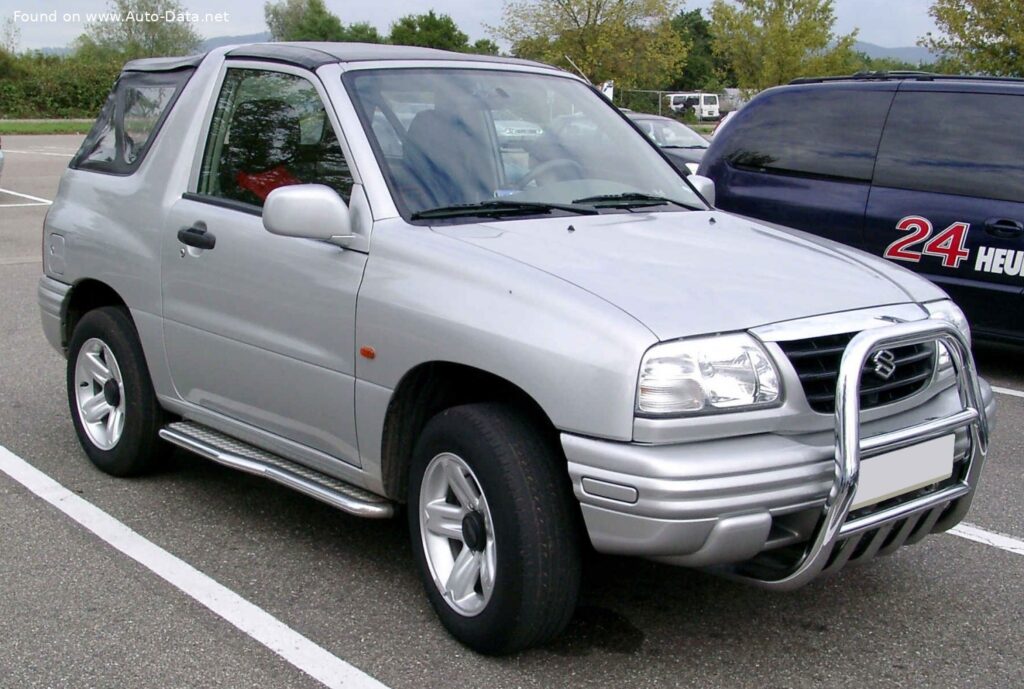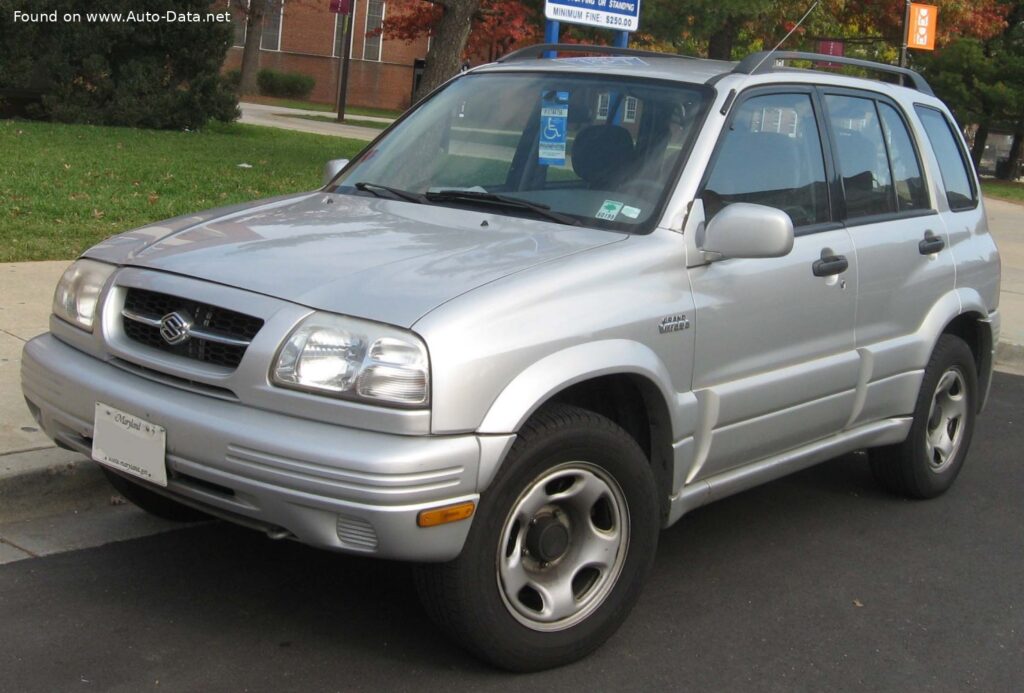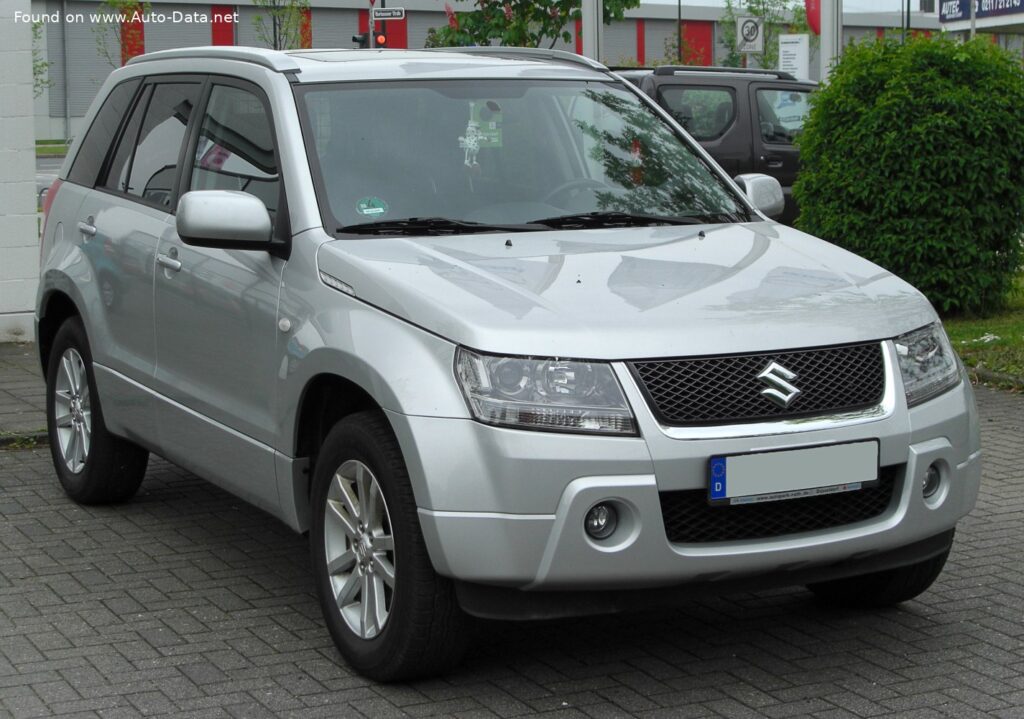
The Suzuki Grand Vitara II 5 Door 3.2 V6 VVT (229 Hp) Automatic, produced from 2005 to 2008, represents a compelling offering in the compact to mid-size SUV segment. As the second generation of Suzuki’s popular Grand Vitara line, this variant distinguished itself with a robust powertrain and genuine off-road capabilities, setting it apart from many of the increasingly car-like crossover SUVs of the time. While building upon the rugged heritage of its predecessors, the second-generation Grand Vitara, particularly with the 3.2-liter V6 engine, aimed to combine enhanced on-road refinement with Suzuki’s renowned durability and all-terrain prowess. This model enjoyed global distribution, finding buyers in North America, Europe, and Asia, where it competed as a versatile and capable sport utility vehicle.
Powertrain & Engine Architecture
The heart of the Suzuki Grand Vitara II 5 Door 3.2 V6 VVT (229 Hp) Automatic is its 3.2-liter N32A V6 engine, equipped with Variable Valve Timing (VVT). This engine delivers 229 horsepower at 6200 rpm, providing ample power for both highway driving and challenging off-road conditions. The VVT system optimizes valve timing for improved efficiency and a broad torque curve, peaking at 214.63 lb-ft at 3200 rpm. This substantial torque contributes to confident acceleration, towing capacity, and the ability to navigate difficult terrain.
Power is transferred to the wheels via a smooth-shifting 5-speed automatic transmission, designed for a comfortable driving experience in both urban and long-distance settings. The Grand Vitara II features a standard all-wheel-drive (4×4) system, offering enhanced traction and stability in various conditions. This system is more sophisticated than many contemporary crossover setups, providing true 4×4 capability that appealed to buyers seeking versatility beyond paved roads. The engine utilizes a multi-port fuel injection system and a Double Overhead Camshaft (DOHC) valvetrain. The engine’s 10:1 compression ratio balances performance and efficiency. The N32A engine is a naturally aspirated design, relying on atmospheric pressure for intake rather than forced induction.
Driving Characteristics
The 3.2-liter V6 Automatic combination delivers a noticeably more spirited driving experience compared to the lower-displacement engines offered in the Grand Vitara II lineup. While the 2.0-liter and 2.4-liter four-cylinder engines prioritized fuel economy, the V6 focused on providing readily available power. The 5-speed automatic transmission is tuned for a balance between responsiveness and comfort. Gear ratios are optimized to provide strong acceleration from a standstill and confident passing power at highway speeds. Compared to the available manual transmission, the automatic offers convenience, particularly in city driving, but sacrifices some driver control and potentially a slight amount of fuel efficiency.
The Grand Vitara II’s all-wheel-drive system enhances handling and stability, especially on slippery surfaces. The vehicle’s weight distribution, combined with the robust suspension, contributes to a relatively stable and predictable ride. While not a dedicated sports SUV, the V6 engine provides enough power to make the Grand Vitara II enjoyable to drive on winding roads. The 0-60 mph acceleration time of approximately 8.8 seconds is respectable for its class and provides a noticeable performance advantage over the four-cylinder models.
Equipment & Trim Levels
The 3.2 V6 Automatic variant of the Grand Vitara II typically represented a mid-to-upper trim level within the lineup. Standard features generally included power steering with a rack and pinion system, an Anti-lock Braking System (ABS), air conditioning, power windows and locks, and a basic audio system. Interior upholstery was typically cloth, though leather options were often available as upgrades. The dashboard layout is functional and straightforward, prioritizing ease of use.
Optional extras commonly included a premium audio system, sunroof, leather upholstery, heated front seats, and alloy wheels. Depending on the market, features like a navigation system and automatic climate control could also be added. The Grand Vitara II offered a reasonable level of standard equipment, but the V6 model often served as a platform for adding more luxury and convenience features. Cargo capacity is enhanced by the folding rear seats, providing flexibility for carrying passengers and luggage.
Chassis & Braking
The Grand Vitara II employs a unique chassis construction that blends a unibody structure with an integrated ladder frame, offering a compromise between on-road comfort and off-road durability. This design enhances torsional rigidity, improving handling and stability. The front suspension utilizes spring struts, while the rear suspension features coil springs, tuned to provide a balanced ride quality. Stabilizer bars are included at both the front and rear to reduce body roll during cornering.
Braking power is provided by ventilated discs at the front and drum brakes at the rear. The ABS system enhances safety during emergency stops by preventing wheel lockup. The vehicle rides on 17-inch wheels, typically fitted with 225/65 R17 tires, offering a good balance of grip and ride comfort. The steering system is a rack and pinion setup, providing responsive and precise handling. The Grand Vitara II’s suspension and braking systems are designed to handle the increased weight and power of the V6 engine, providing confident control in various driving conditions.
Market Reception & Comparison
Critics generally praised the Suzuki Grand Vitara II 3.2 V6 Automatic for its robust powertrain, genuine off-road capabilities, and overall value. The V6 engine was widely regarded as a significant improvement over the four-cylinder options, providing ample power for both on-road and off-road driving. However, fuel economy was often cited as a drawback, given the engine’s displacement and the vehicle’s all-wheel-drive system.
Compared to other trims in the Grand Vitara lineup, the V6 Automatic offered a more premium driving experience and greater towing capacity. It competed with SUVs like the Toyota RAV4 V6, Honda CR-V, and Nissan Xterra, offering a more rugged and capable alternative to some of the more car-like crossovers. In terms of reliability, the Grand Vitara II generally received positive ratings, with owners reporting few major mechanical issues. However, like any vehicle, regular maintenance is crucial for ensuring long-term dependability.
Technical Specifications
| Brand | Suzuki |
| Model | Grand Vitara |
| Generation | Grand Vitara II 5 Door |
| Type (Engine) | 3.2 V6 VVT (229 Hp) Automatic |
| Start of Production | 2005 |
| End of Production | 2008 |
| Powertrain Architecture | Internal Combustion Engine |
| Body Type | SUV |
| Seats | 5 |
| Doors | 5 |
| Fuel Consumption (Urban) | 14.4 l/100 km (16.3 US mpg) |
| Fuel Consumption (Extra Urban) | 8.3 l/100 km (28.3 US mpg) |
| Fuel Consumption (Combined) | 10.6 l/100 km (22.2 US mpg) |
| Fuel Type | Petrol (Gasoline) |
| Acceleration 0-60 mph | 8.8 sec |
| Maximum Speed | 124.27 mph (200 km/h) |
| Emission Standard | Euro 4 |
| Weight-to-Power Ratio | 6.3 kg/Hp (158.5 Hp/tonne) |
| Weight-to-Torque Ratio | 5 kg/Nm (201.4 Nm/tonne) |
| Power | 229 Hp @ 6200 rpm |
| Power per Liter | 71.7 Hp/l |
| Torque | 214.63 lb-ft @ 3200 rpm (291 Nm) |
| Engine Layout | Front, Longitudinal |
| Engine Model/Code | N32A |
| Engine Displacement | 3.2 liters (3192 cm3 / 194.79 cu. in.) |
| Number of Cylinders | 6 |
| Engine Configuration | V-engine |
| Cylinder Bore | 3.5 inches (89 mm) |
| Piston Stroke | 3.37 inches (85.6 mm) |
| Compression Ratio | 10:1 |
| Number of Valves per Cylinder | 4 |
| Fuel Injection System | Multi-port manifold injection |
| Engine Aspiration | Naturally aspirated |
| Valvetrain | DOHC |
| Engine Oil Capacity | 6.34 US quarts (6 liters) |
| Curb Weight | 3185.68 lbs (1445 kg) |
| Max. Weight (GVWR) | 3968.32 lbs (1800 kg) |
| Max Load | 782.64 lbs (355 kg) |
| Fuel Tank Capacity | 17.44 US gallons (66 liters) |
| Length | 177.17 inches (4500 mm) |
| Width | 71.26 inches (1810 mm) |
| Height | 66.73 inches (1695 mm) |
| Wheelbase | 96.06 inches (2440 mm) |
| Front Track | 60.63 inches (1540 mm) |
| Rear Track | 61.81 inches (1570 mm) |
| Drive Wheel | All-wheel drive (4×4) |
| Number of Gears and Type of Gearbox | 5 gears, automatic transmission |
| Front Suspension | Spring Strut |
| Rear Suspension | Coil Spring |
| Front Brakes | Ventilated discs |
| Rear Brakes | Drum |
| Assisting Systems | ABS (Anti-lock braking system) |
| Steering Type | Steering rack and pinion |
| Tires Size | 225/65 R17 |
| Wheel Rims Size | 17 inches |
Legacy
The Suzuki Grand Vitara II 3.2 V6 VVT, while no longer in production, maintains a respectable reputation for reliability and capability. The N32A V6 engine, when properly maintained, is known for its durability. In the used car market, these models often command a slightly higher price than the four-cylinder variants due to the V6’s performance advantage. However, potential buyers should be aware of the importance of regular maintenance, including fluid changes and inspections of the all-wheel-drive system.
The Grand Vitara II 3.2 V6 represents a unique blend of ruggedness, performance, and value that is increasingly rare in the modern SUV landscape. Its combination of a powerful engine, capable all-wheel-drive system, and relatively compact size makes it a compelling choice for buyers seeking a versatile and dependable vehicle for both on-road and off-road adventures. While Suzuki’s departure from the North American market has limited its long-term presence, the Grand Vitara II 3.2 V6 remains a fondly remembered and capable SUV.