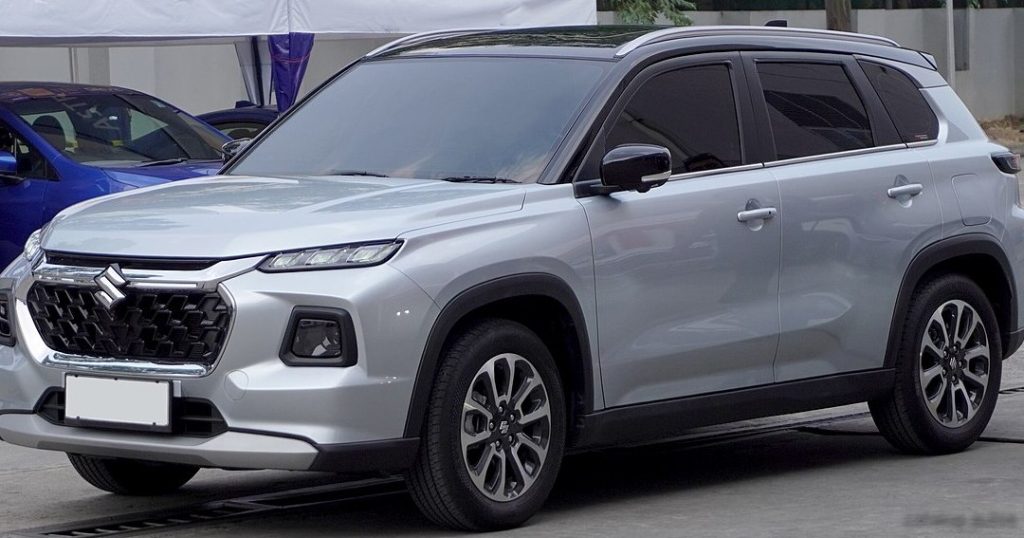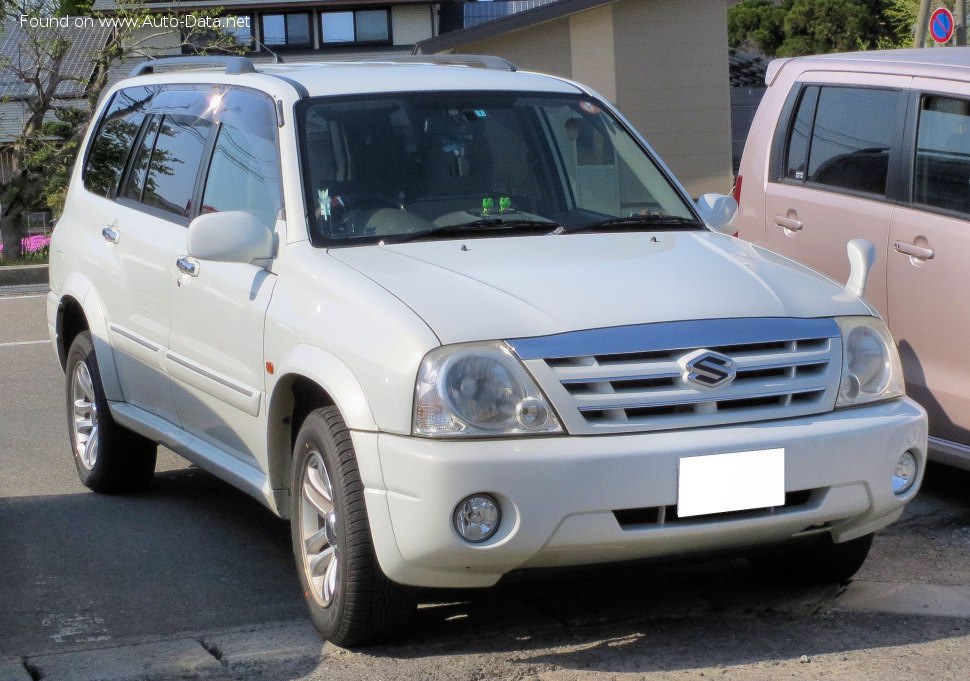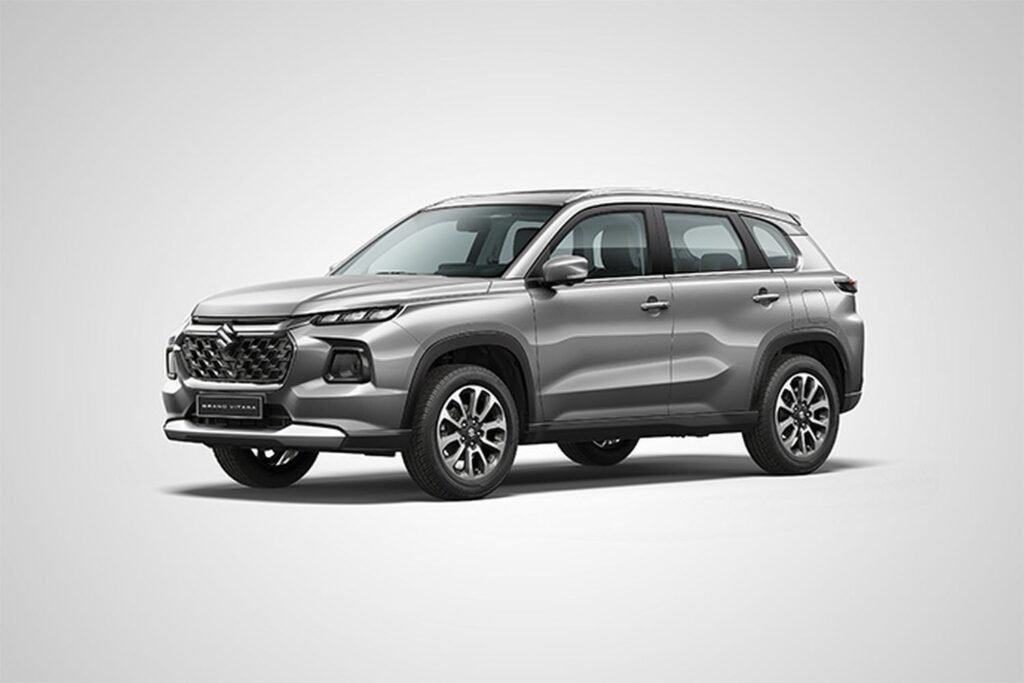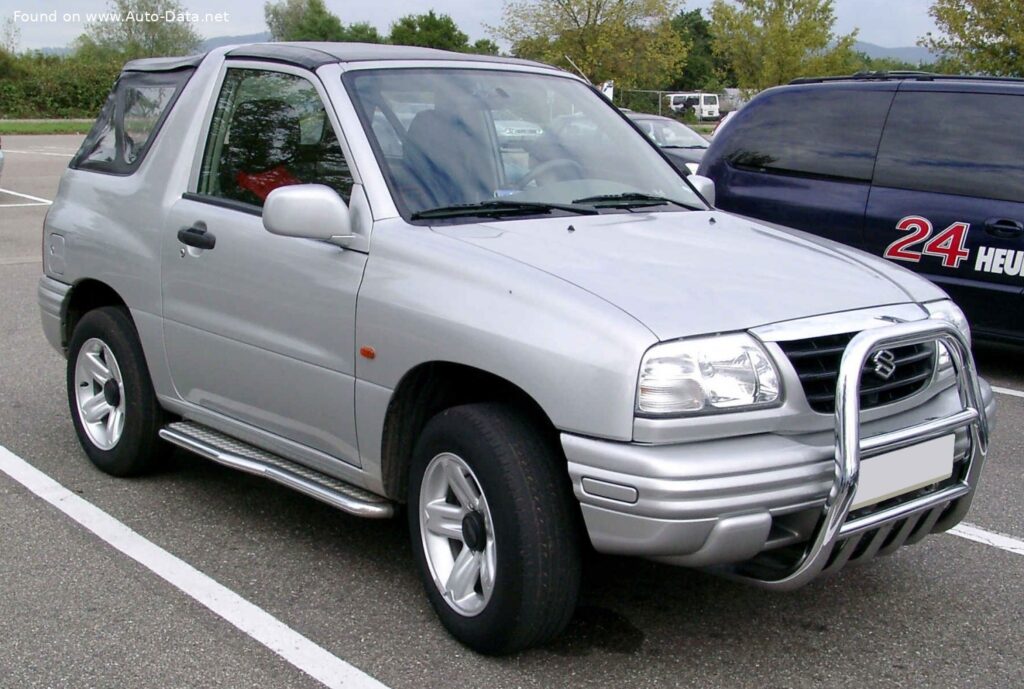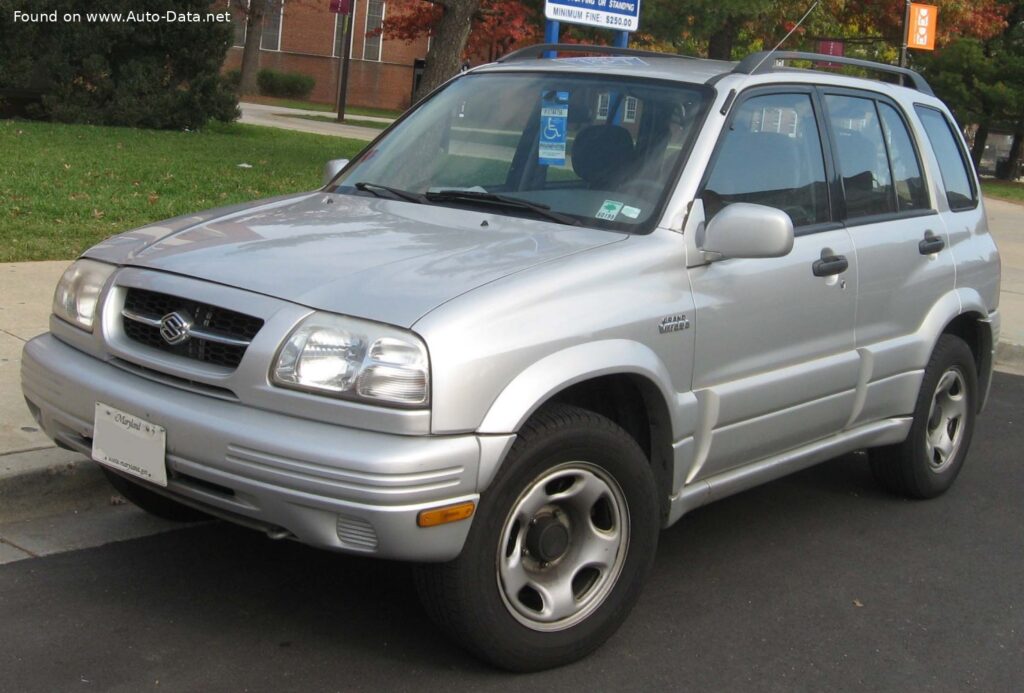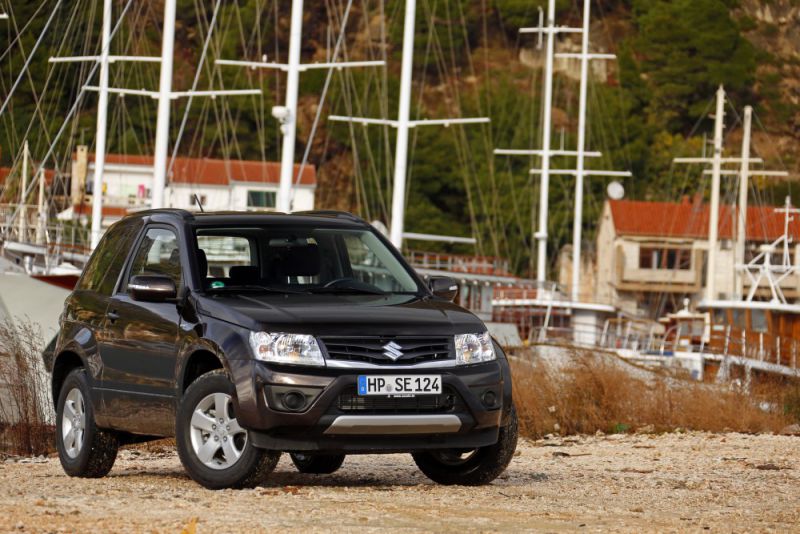
The Suzuki Grand Vitara, renowned for its robust build and compact size, underwent a notable refresh in 2012, representing an evolution of its second generation. This specific model, the Suzuki Grand Vitara II (facelift 2012) 3 Door equipped with the 1.6-liter engine, was a key offering in Suzuki’s global portfolio, particularly in markets outside of North America. These markets favored smaller, more agile SUVs with genuine off-road capabilities. While the five-door Grand Vitara had a presence in the United States, this three-door variant was primarily aimed at European, Asian, and Australian consumers seeking a balance between urban practicality and all-wheel-drive performance.
The 1.6L Grand Vitara: Positioning and Overview
Produced from 2012 to 2015, this facelifted Grand Vitara retained the core attributes that established the nameplate’s reputation: a durable body-on-frame (or integrated ladder frame) construction, a capable 4×4 drivetrain, and a pragmatic approach to vehicle design. The 2012 refresh brought updated styling and minor enhancements to maintain competitiveness within its segment, which included rivals like the Toyota RAV4 (in its more compact configurations), Honda CR-V, and various European compact SUVs. However, few competitors offered the same level of dedicated off-road hardware in such a compact package. The 1.6L variant occupied the entry-level position in the Grand Vitara lineup, offering a more affordable and fuel-efficient option compared to larger-engined models.
Powertrain & Engine Architecture
The heart of the Suzuki Grand Vitara II (facelift 2012) 3 Door was the M16A, a 1.6-liter (1586 cc or 96.78 cubic inches) inline-four gasoline engine. This naturally aspirated engine produced 106 horsepower at 5900 rpm and 107 lb-ft (145 Nm) of torque at 4100 rpm. The engine featured a Double Overhead Camshaft (DOHC) valvetrain with Variable Valve Timing intelligence (VVT-i), designed to optimize valve timing for improved power delivery and fuel efficiency across the rev range. A compression ratio of 10.5:1 and multi-point fuel injection contributed to smooth operation and durability.
Power was transmitted to all four wheels through a permanent four-wheel-drive system coupled with a five-speed manual transmission. This combination prioritized utility and off-road capability, providing drivers with direct control over gear selection, essential for navigating challenging terrain. The M16A engine, while not exceptionally powerful, provided sufficient performance for everyday driving and light off-roading. The engine’s relatively simple design contributed to its reliability and ease of maintenance.
Driving Characteristics
The 1.6-liter engine and manual transmission combination in the Grand Vitara 3 Door delivered a driving experience focused on practicality and control. Acceleration from 0 to 60 mph took approximately 13.7 seconds, with a top speed of around 99 mph (160 km/h). Compared to higher-output versions of the Grand Vitara, such as those equipped with larger engines, the 1.6L model offered a more modest performance profile. However, the manual transmission allowed drivers to maximize the available power and torque, particularly in off-road situations. The gear ratios were tuned to provide a balance between everyday drivability and low-speed crawling capability. The permanent 4×4 system ensured consistent traction on various surfaces, enhancing stability and control.
The 3-door configuration and relatively lightweight construction contributed to the vehicle’s agility and maneuverability. While not as refined as some of its competitors, the Grand Vitara 3 Door provided a direct and engaging driving experience, appealing to drivers who valued functionality over luxury.
Equipment & Trim Levels
The Suzuki Grand Vitara II (facelift 2012) 3 Door, in its 1.6-liter configuration, typically came equipped with a standard set of features designed for practicality and functionality. Standard interior appointments included cloth upholstery, a basic audio system with CD player, and manual air conditioning. Safety features included Anti-lock Braking System (ABS) and front airbags. The dashboard layout was straightforward and functional, prioritizing ease of use over aesthetic complexity.
Optional extras varied depending on the market but often included alloy wheels, power windows, central locking, and a more advanced audio system. Some models also offered features like a rear parking sensor and a sunroof. The trim levels were generally differentiated by the availability of these optional extras, with higher trims offering a more comprehensive equipment list. The focus remained on providing a robust and capable vehicle at an affordable price point.
Chassis & Braking
The Grand Vitara II utilized a body-on-frame construction, providing a robust and durable platform for off-road driving. The front suspension consisted of an independent McPherson strut setup with coil springs and an anti-roll bar, while the rear suspension employed an independent multi-link system. This configuration aimed to balance on-road comfort with off-road articulation. Ground clearance was a generous 8.07 inches (205 mm), allowing the vehicle to navigate uneven terrain with ease.
Braking duties were handled by ventilated discs at the front and drum brakes at the rear, supported by the ABS system. The braking system was adequate for the vehicle’s weight and performance, providing reliable stopping power in most conditions. The 225/70 R16 tires, fitted to 6.5J x 16-inch alloy wheels, offered a good compromise between on-road grip and off-road traction.
Market Reception & Comparison
Critics generally praised the Suzuki Grand Vitara II (facelift 2012) 3 Door for its robust construction, genuine off-road capability, and affordability. The 1.6-liter engine was considered adequate for everyday driving, although some reviewers noted its lack of outright power compared to larger-engined rivals. Fuel economy was a strong point, with combined fuel consumption figures around 28.7 US mpg (8.2 l/100 km). Reliability was also a key strength, with the M16A engine proving to be a durable and dependable powerplant.
Compared to other trims in the Grand Vitara lineup, the 1.6-liter model offered a more economical and accessible entry point. It appealed to buyers who prioritized fuel efficiency and affordability over outright performance. In terms of reliability, the 1.6L engine was generally considered as dependable as the larger engines offered in the Grand Vitara range. However, the 3-door configuration and smaller engine capacity limited its appeal to those needing more space or power.
Technical Specifications
| Category | Specification |
| General Information | |
| Brand | Suzuki |
| Model | Grand Vitara |
| Generation | Grand Vitara II (facelift 2012) 3 Door |
| Type (Engine) | 1.6 (106 Hp) 4×4 |
| Start of production | 2012 year |
| End of production | 2015 year |
| Powertrain Architecture | Internal Combustion engine |
| Body type | SUV |
| Seats | 4 |
| Doors | 3 |
| Performance Specs | |
| Fuel consumption (economy) – urban | 10.1 l/100 km (23.3 US mpg) |
| Fuel consumption (economy) – extra urban | 7.1 l/100 km (33.1 US mpg) |
| Fuel consumption (economy) – combined | 8.2 l/100 km (28.7 US mpg) |
| CO2 emissions | 189 g/km |
| Fuel Type | Petrol (Gasoline) |
| Acceleration 0 – 60 mph | 13.7 sec |
| Maximum speed | 160 km/h (99.42 mph) |
| Emission standard | Euro 5 |
| Engine Specs | |
| Power | 106 Hp @ 5900 rpm |
| Torque | 145 Nm @ 4100 rpm (106.95 lb.-ft. @ 4100 rpm) |
| Engine layout | Front, Longitudinal |
| Engine Model/Code | M16A |
| Engine displacement | 1586 cm3 (96.78 cu. in.) |
| Number of cylinders | 4 |
| Engine configuration | Inline |
| Compression ratio | 10.5:1 |
| Fuel injection system | Multi-port manifold injection |
| Valvetrain | DOHC – VVT-i |
| Space, Volume and Weights | |
| Kerb Weight | 1482 kg (3267.25 lbs) |
| Trunk (boot) space – minimum | 184 l (6.5 cu. ft) |
| Trunk (boot) space – maximum | 516 l (18.22 cu. ft) |
| Fuel tank capacity | 55 l (14.53 US gal) |
| Dimensions | |
| Length | 4035 mm (158.86 in) |
| Width | 1810 mm (71.26 in) |
| Height | 1695 mm (66.73 in) |
| Wheelbase | 2440 mm (96.06 in) |
Legacy
The Suzuki Grand Vitara II (facelift 2012) 3 Door, particularly the 1.6-liter 4×4 variant, has established a reputation for reliability and durability. The M16A engine, while not known for its high performance, has proven to be a robust and long-lasting powerplant. In the used car market, these models are often sought after by buyers looking for an affordable and capable off-road vehicle. Maintenance costs are generally reasonable, and parts availability remains good. While newer SUVs offer more advanced features and refinement, the Grand Vitara II continues to appeal to those who value practicality, durability, and genuine off-road capability in a compact package. Its legacy is one of a no-nonsense, go-anywhere vehicle that provided a unique blend of affordability and capability.