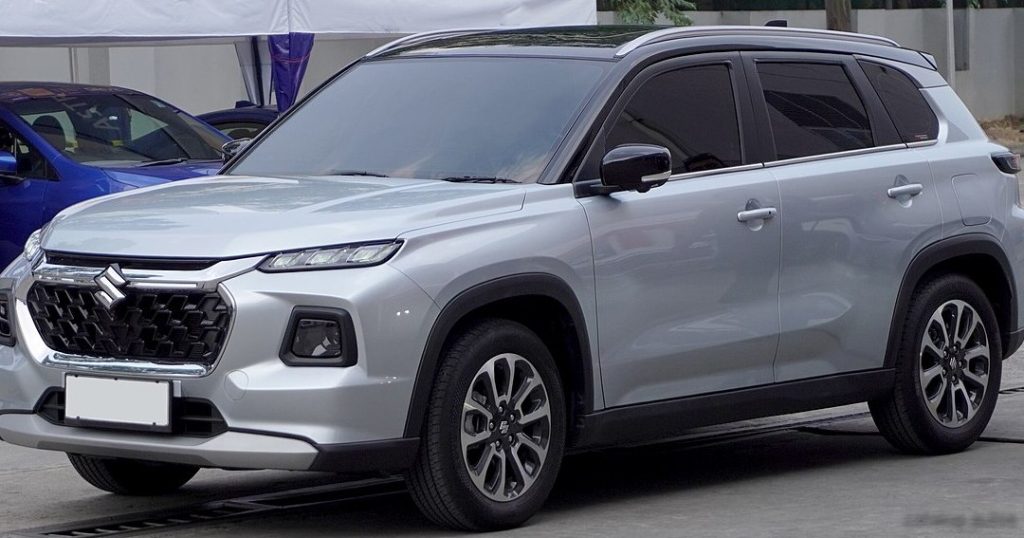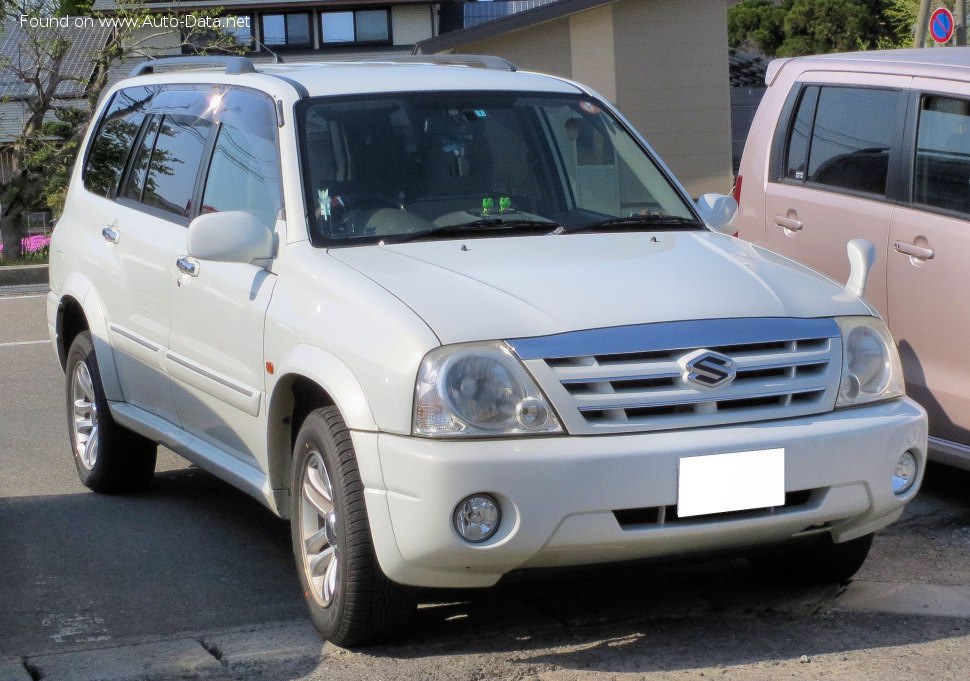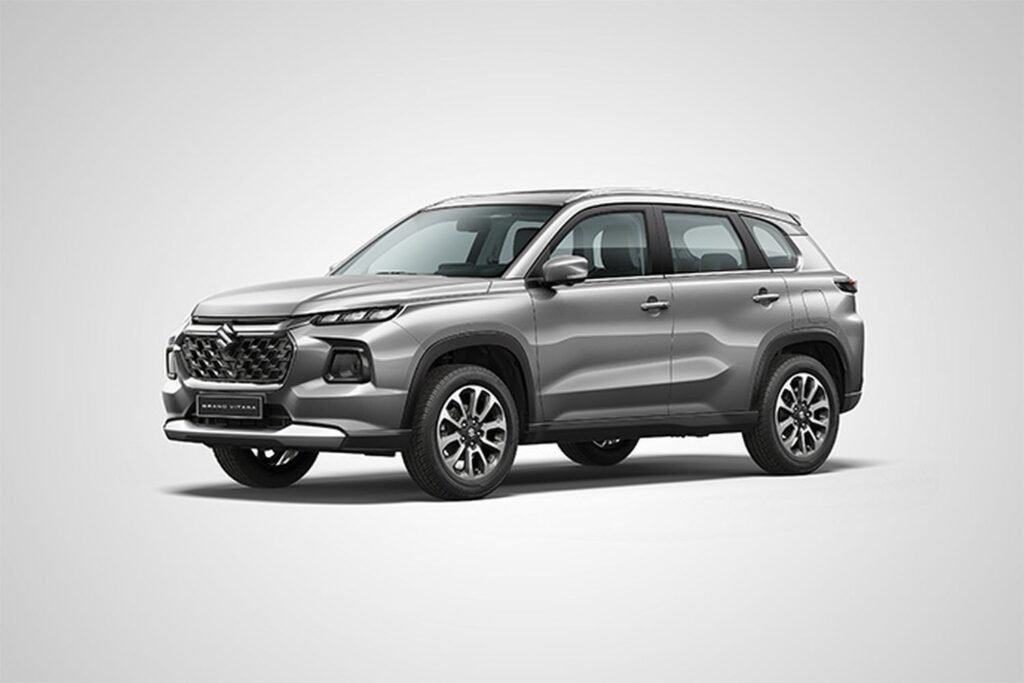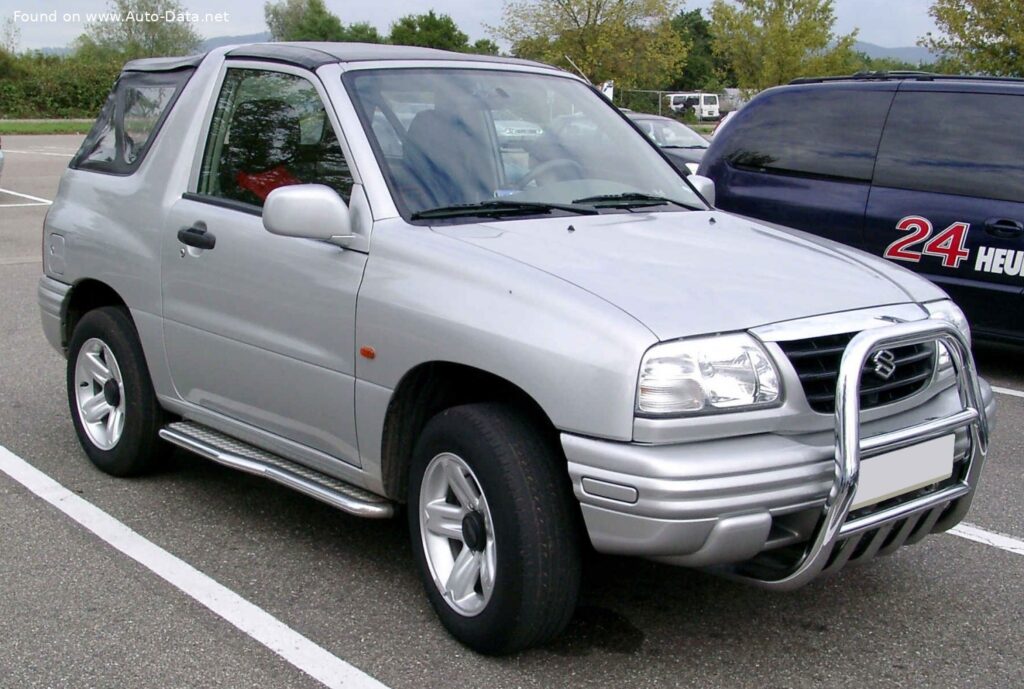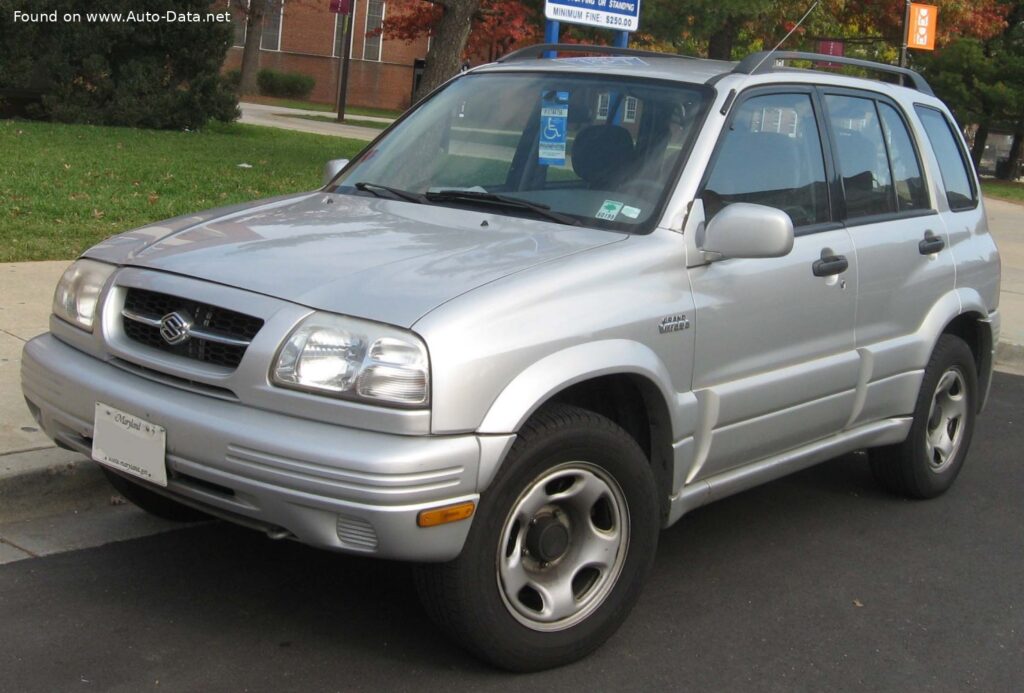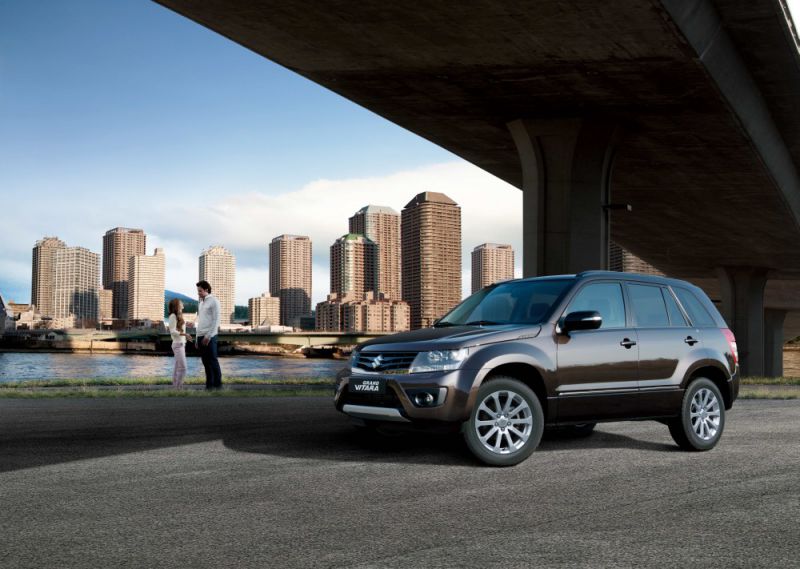
The Suzuki Grand Vitara II (facelift 2012) 5 Door 2.4 (169 Hp) 4×4 Automatic represents the refreshed iteration of Suzuki’s second-generation compact SUV, a vehicle celebrated for its robust construction, genuine off-road capability, and practical on-road demeanor. Produced from 2012 to 2015, this particular variant, with its 2.4-liter gasoline engine and four-speed automatic transmission, was a cornerstone of Suzuki’s global SUV lineup. While Suzuki had largely withdrawn its passenger car offerings from the American market by 2012, the Grand Vitara continued to be a significant player in numerous international markets, including Europe, Australia, Asia, and Latin America, where its blend of utility and ruggedness found a dedicated audience. This facelifted model maintained the Grand Vitara’s traditional body-on-frame (or integrated ladder frame) construction philosophy, distinguishing it from the growing tide of car-based crossovers that prioritized on-road comfort over genuine off-road prowess. It offered a compelling package for buyers seeking a versatile vehicle capable of tackling both urban commutes and challenging unpaved tracks.
Powertrain & Engine Architecture
Under the hood, the Suzuki Grand Vitara II (facelift 2012) 2.4-liter model featured the J24B inline-four engine, a naturally aspirated gasoline unit renowned for its reliability and smooth power delivery. With an engine displacement of 2393 cubic centimeters (146.03 cubic inches), this powerplant generated a respectable 169 horsepower at 6000 rpm. Torque output stood at 227 Newton-meters (167.43 lb.-ft.) at a relatively low 3800 rpm, providing ample pulling power for various driving conditions, whether navigating city streets or traversing rough terrain. The engine utilized a Multi-port manifold injection system and a DOHC (Double Overhead Camshaft) valvetrain with Variable Valve Timing (VVT-i), optimizing both performance and fuel efficiency for its era.
The J24B engine is known for its relatively simple design, contributing to its durability. The Multi-port fuel injection system, while not as advanced as direct injection, proved reliable and provided adequate fuel atomization for the engine’s output. The DOHC valvetrain, coupled with VVT-i, allowed for optimized valve timing across a wider range of engine speeds, improving both power and fuel economy. The four-speed automatic transmission, a common unit in Suzuki vehicles of the period, was chosen for its robustness and ability to handle the engine’s torque output in off-road situations. While lacking the efficiency of more modern transmissions with greater gear ratios, it was a proven design.
Driving Characteristics
The 2.4-liter, 169 hp engine paired with the four-speed automatic transmission delivered a driving experience that prioritized usability and dependability over outright performance. Acceleration from 0 to 60 mph took approximately 11.4 seconds, and top speed was limited to around 108.74 mph. Compared to the manual transmission versions of the Grand Vitara, the automatic offered smoother shifts but at the expense of some responsiveness. The four-speed transmission’s wider gear ratios meant the engine often operated at higher RPMs during highway cruising, potentially impacting fuel economy. Compared to higher-output versions, such as those found in some export markets, this variant felt less eager to accelerate, but the lower engine speeds at cruising speeds helped with fuel efficiency.
The full-time all-wheel-drive system provided enhanced traction on slippery surfaces, making it a capable vehicle in inclement weather or on unpaved roads. The automatic transmission’s torque converter multiplied engine torque, aiding in low-speed off-road maneuvering. However, the lack of a dedicated low-range transfer case, as found on some Grand Vitara models, limited its extreme off-road capabilities. The overall driving experience was comfortable and predictable, making it well-suited for everyday use.
Equipment & Trim Levels
The 2.4-liter 4×4 Automatic Grand Vitara typically came equipped with a reasonable level of standard features, positioning it as a mid-range offering within the Grand Vitara lineup. Standard equipment generally included air conditioning, power windows and locks, a basic audio system (often with CD player and auxiliary input), and alloy wheels. Safety features such as ABS (Anti-lock Braking System) and front airbags were also standard. Interior upholstery was typically cloth, with a durable and practical design.
Optional extras varied by market but often included features like a sunroof, upgraded audio system with navigation, leather upholstery, and rear parking sensors. Some models also offered a choice of exterior colors and trim accents. The overall interior design was functional and focused on durability rather than luxury, reflecting the vehicle’s intended purpose as a rugged and capable SUV. The dashboard layout was straightforward and easy to use, with clearly labeled controls.
Chassis & Braking
The Grand Vitara II utilized an integrated ladder frame construction, which combined the benefits of a traditional body-on-frame design with the improved rigidity of a unibody structure. This provided excellent off-road durability and torsional stiffness. The front suspension featured an independent McPherson strut setup with coil springs and an anti-roll bar, while the rear suspension employed an independent multi-link system, also with coil springs. This suspension configuration provided a comfortable ride on paved roads while maintaining good off-road articulation.
Braking duties were handled by ventilated discs at all four corners, augmented by the ABS system. This provided adequate stopping power for the vehicle’s weight and performance. The steering system was a rack-and-pinion setup, offering precise and responsive handling. Ground clearance was a generous 8.07 inches (205 mm), allowing it to navigate uneven terrain with ease. The standard tire size was 225/65 R17, providing a good balance of grip and ride comfort. Stabilizer bars were fitted to both the front and rear axles to reduce body roll during cornering.
Market Reception & Comparison
The Suzuki Grand Vitara II (facelift 2012) 2.4-liter 4×4 Automatic generally received positive reviews from automotive critics, particularly for its off-road capability, robust construction, and value for money. It was often praised for its ability to tackle challenging terrain while still providing a comfortable and practical driving experience. However, some critics noted that the four-speed automatic transmission felt dated compared to more modern transmissions with more gears. Fuel economy was considered competitive for a 4×4 SUV of its size, but not class-leading.
Compared to other trims in the Grand Vitara lineup, the 2.4-liter automatic offered a good balance between performance and fuel efficiency. The smaller 1.6-liter engine was less powerful but more fuel-efficient, while the larger engines (where available) offered more performance but at the expense of fuel economy. In terms of reliability, the J24B engine and the four-speed automatic transmission were generally considered to be durable and dependable, requiring relatively little maintenance. Competitors like the Toyota RAV4 and Honda CR-V offered more refined on-road driving experiences, but lacked the Grand Vitara’s genuine off-road prowess.
Technical Specifications: Suzuki Grand Vitara II (facelift 2012)
| Category | Specification |
| Brand | Suzuki |
| Model | Grand Vitara |
| Generation | Grand Vitara II (facelift 2012) 5 Door |
| Type (Engine) | 2.4 (169 Hp) 4×4 Automatic |
| Start of production | 2012 year |
| End of production | 2015 year |
| Powertrain Architecture | Internal Combustion engine |
| Body type | SUV |
| Seats | 5 |
| Doors | 5 |
| Fuel consumption (economy) – urban | 12.1 l/100 km |
| Fuel consumption (economy) – extra urban | 8.1 l/100 km |
| Fuel consumption (economy) – combined | 9.6 l/100 km |
| CO2 emissions | 221 g/km |
| Fuel Type | Petrol (Gasoline) |
| Acceleration 0 – 60 mph | 11.4 sec |
| Acceleration 0 – 100 km/h | 12 sec |
| Maximum speed | 175 km/h |
| Emission standard | Euro 5 |
| Weight-to-power ratio | 9.8 kg/Hp |
| Weight-to-torque ratio | 7.3 kg/Nm |
| Power | 169 Hp @ 6000 rpm |
| Power per liter | 70.6 Hp/l |
| Torque | 227 Nm @ 3800 rpm |
| Engine layout | Front, Longitudinal |
| Engine Model/Code | J24B |
| Engine displacement | 2393 cm3 |
| Number of cylinders | 4 |
| Engine configuration | Inline |
| Cylinder Bore | 92 mm |
| Piston Stroke | 90 mm |
| Compression ratio | 10:1 |
| Number of valves per cylinder | 4 |
| Fuel injection system | Multi-port manifold injection |
| Engine aspiration | Naturally aspirated engine |
| Valvetrain | DOHC – VVT-i |
| Engine oil capacity | 4.8 l |
| Coolant | 7.3 l |
| Kerb Weight | 1659 kg |
| Max. weight | 2100 kg |
| Max load | 441 kg |
| Trunk (boot) space – minimum | 398 l |
| Trunk (boot) space – maximum | 758 l |
| Fuel tank capacity | 66 l |
| Length | 4500 mm |
| Width | 1810 mm |
| Height | 1695 mm |
| Wheelbase | 2640 mm |
| Front track | 1540 mm |
| Rear (Back) track | 1570 mm |
| Ride height (ground clearance) | 205 mm |
| Minimum turning circle (turning diameter) | 11 m |
| Drive wheel | All wheel drive (4×4) |
| Number of gears and type of gearbox | 4 gears, automatic transmission |
| Front suspension | Independent, type McPherson with coil spring and anti-roll bar |
| Rear suspension | Independent multi-link suspension |
| Front brakes | Ventilated discs |
| Rear brakes | Ventilated discs |
| Assisting systems | ABS (Anti-lock braking system) |
| Steering type | Steering rack and pinion |
| Tires size | 225/65 R17 101H |
| Wheel rims size | 6.5J x 17 |
Legacy
The Suzuki Grand Vitara II (facelift 2012) 2.4-liter 4×4 Automatic has proven to be a relatively reliable vehicle in the used car market. The J24B engine is known for its longevity, and the four-speed automatic transmission, while not the most sophisticated, is generally durable. Common maintenance items include regular oil changes, timing belt replacement (at specified intervals), and inspection of the suspension components. Rust can be a concern in regions with harsh winters or coastal environments.
Today, these Grand Vitara models represent a compelling value proposition for buyers seeking a capable and affordable SUV. While they may lack the modern features and fuel efficiency of newer vehicles, their robust construction, genuine off-road capability, and relatively low maintenance costs make them a practical choice for those who prioritize utility and dependability. The Grand Vitara II, particularly in this 2.4-liter automatic configuration, continues to be a respected and sought-after vehicle among enthusiasts and those in need of a versatile and rugged SUV.