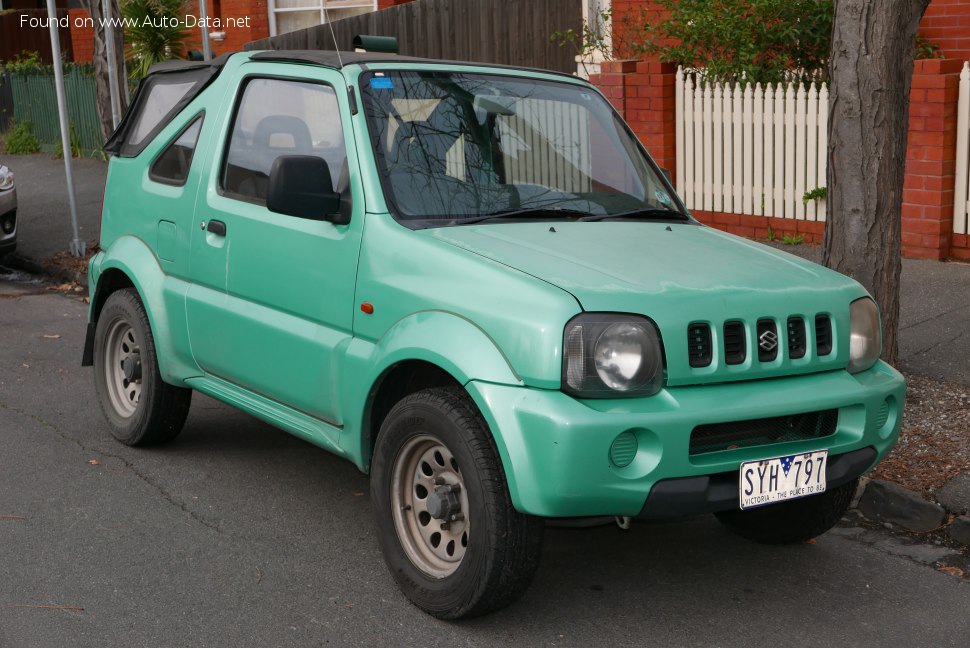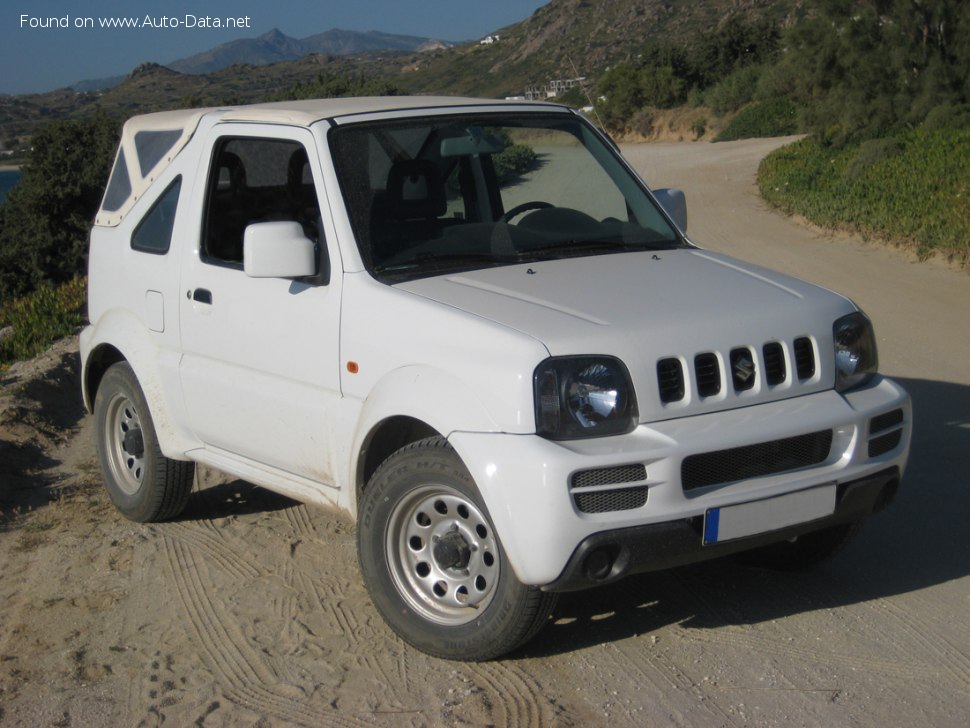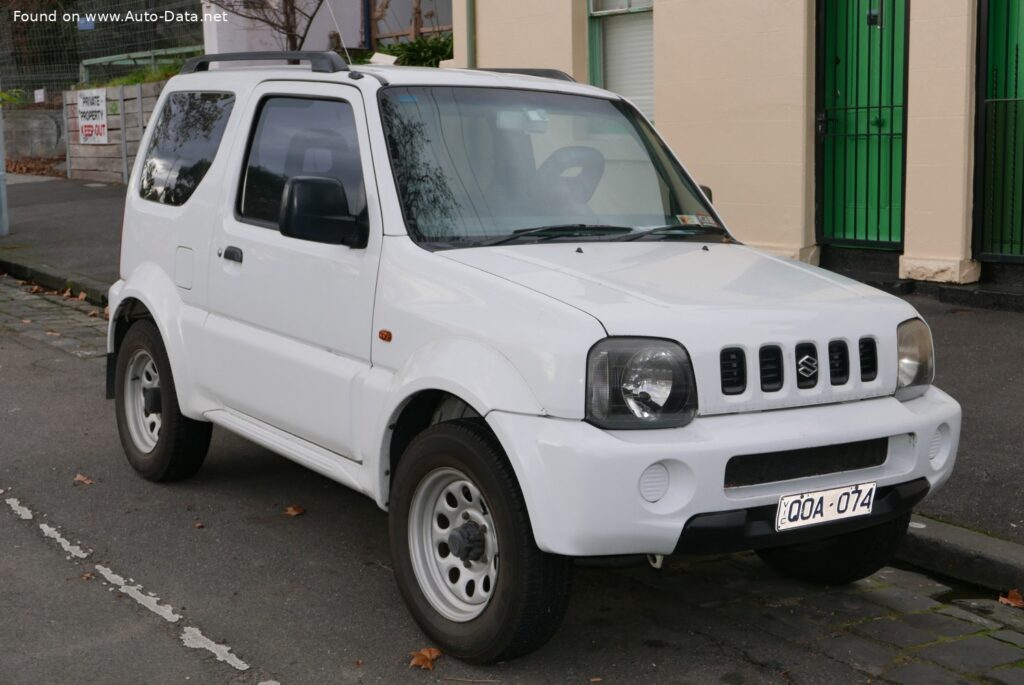
The Suzuki Jimny III 1.3 (80 Hp), manufactured between 1998 and 2000, is a significant iteration of Suzuki’s long-running Jimny lineage. While largely absent from the North American market, this compact, body-on-frame four-wheel-drive vehicle established a strong following in Europe, Asia, Australia, and Latin America. It built upon the reputation of its predecessors, particularly the SJ series (known as the Samurai in the US), offering a blend of affordability, ruggedness, and off-road capability in a small package. The Jimny III represented a refinement of the formula, incorporating modern features while retaining the core characteristics that defined the model: a simple, durable design focused on tackling challenging terrain. This generation served as a bridge between the older, more spartan Jimnys and the increasingly sophisticated models that followed.
The Suzuki Jimny III 1.3 (80 Hp): A Detailed Overview
The Jimny’s appeal stemmed from its unique position in the automotive landscape. It wasn’t intended to compete with larger, more luxurious SUVs; instead, it offered a utilitarian and capable alternative for those needing a small, robust vehicle for both on- and off-road use. Farmers, ranchers, outdoor enthusiasts, and those living in areas with challenging road conditions found the Jimny to be an invaluable tool. Its compact size made it easy to maneuver in tight spaces, while its four-wheel-drive system and high ground clearance allowed it to navigate obstacles that would stop many other vehicles. The 1.3-liter engine, while not powerful, provided sufficient torque for most tasks, and its simplicity contributed to the Jimny’s overall reliability.
Engine & Performance
The heart of the Suzuki Jimny III 1.3 is the G13BB engine, a 1.3-liter (1298 cc or 79.21 cubic inches) inline-four cylinder gasoline engine. This naturally aspirated engine was designed with durability and low-end torque in mind, prioritizing usability over outright performance. It utilizes a Single Overhead Camshaft (SOHC) configuration with four valves per cylinder, a design that offered a good balance between simplicity and efficiency. Fuel delivery is managed by a multi-port fuel injection system, a relatively modern feature for the late 1990s that improved fuel economy and reduced emissions compared to carbureted engines.
The G13BB produces 80 horsepower (59 kW) at 6000 rpm and 104 Nm (76.71 lb-ft) of torque at 4500 rpm. While these figures may seem modest by modern standards, they are adequate for the Jimny’s light weight. The vehicle’s low curb weight, typically around 980-1020 kg (2160-2250 lbs) depending on trim and options, allows it to achieve a respectable power-to-weight ratio. The engine’s torque curve is relatively flat, providing usable power across a wide range of engine speeds, which is particularly beneficial for off-road driving. The Jimny typically features a rear-wheel-drive configuration as its default mode, with a selectable four-wheel-drive system engaged via a lever. A low-range transfer case is also commonly included, providing even greater traction and control in challenging conditions. The transmission options generally include a five-speed manual and a four-speed automatic.
Design & Features
The Suzuki Jimny III maintains the classic, boxy aesthetic that has become synonymous with the model. Its body-on-frame construction, a hallmark of traditional off-road vehicles, provides exceptional durability and torsional rigidity. The exterior design is functional and utilitarian, with minimal ornamentation. The vehicle’s short wheelbase and high ground clearance contribute to its excellent off-road capability. The body panels are relatively flat and simple, making them easy to repair or replace.
Inside, the Jimny III offers a spartan but practical interior. The focus is on functionality rather than luxury. The seats are typically covered in durable vinyl or cloth, and the dashboard is simple and straightforward. Space is limited, particularly in the rear seats, but the Jimny is not designed for long-distance comfort. Features such as power steering and air conditioning were often optional, depending on the market and trim level. Safety features were relatively basic for the era, typically including seatbelts and a collapsible steering column. The Jimny’s simplicity and robust construction make it relatively easy to maintain and repair, even in remote locations. The vehicle’s small size and maneuverability make it well-suited for navigating narrow trails and tight spaces. The Jimny III’s design prioritizes practicality and durability over aesthetics, making it a favorite among those who value function over form.
Technical Specifications
| Engine Type | 1.3L Inline-4 Gasoline |
| Engine Code | G13BB |
| Displacement | 1298 cc (79.21 cu in) |
| Horsepower | 80 hp (59 kW) @ 6000 rpm |
| Torque | 104 Nm (76.71 lb-ft) @ 4500 rpm |
| Valvetrain | SOHC, 4 valves per cylinder |
| Fuel System | Multi-port Fuel Injection |
| Transmission | 5-speed Manual or 4-speed Automatic |
| Drivetrain | Rear-Wheel Drive (Selectable 4WD) |
| Curb Weight | 980-1020 kg (2160-2250 lbs) |
| Wheelbase | 2000 mm (78.7 in) |
| Length | 3665 mm (144.3 in) |
| Width | 1600 mm (63.0 in) |
| Height | 1700 mm (66.9 in) |
The Suzuki Jimny III 1.3 (80 Hp) remains a popular choice among off-road enthusiasts and those seeking a simple, reliable, and capable vehicle. Its enduring appeal lies in its combination of affordability, durability, and off-road prowess. While it may not offer the comfort or refinement of more modern SUVs, the Jimny III provides a unique and rewarding driving experience that continues to captivate drivers around the world. Its legacy as a true off-road icon is firmly established, and it remains a testament to Suzuki’s commitment to building vehicles that can go anywhere.