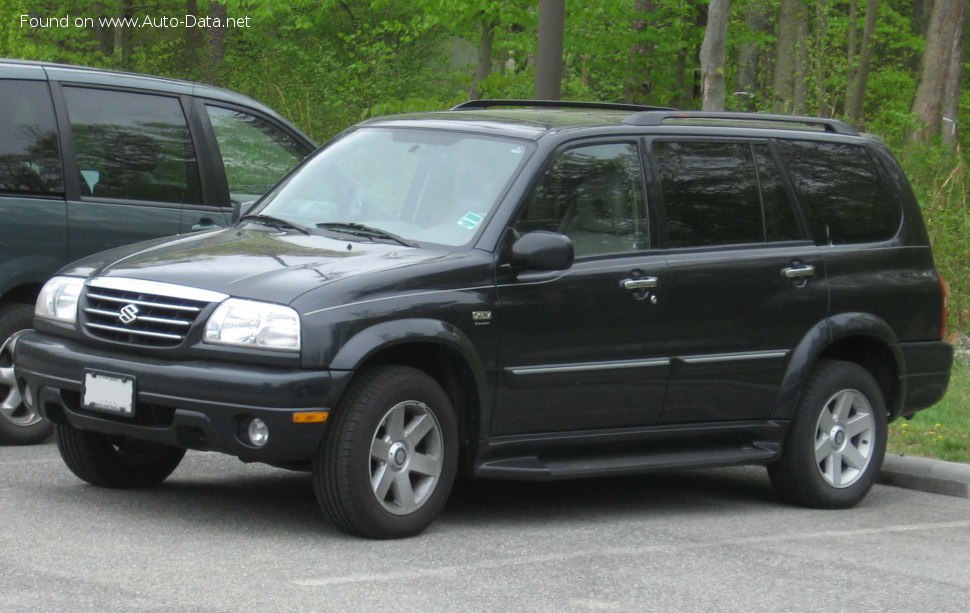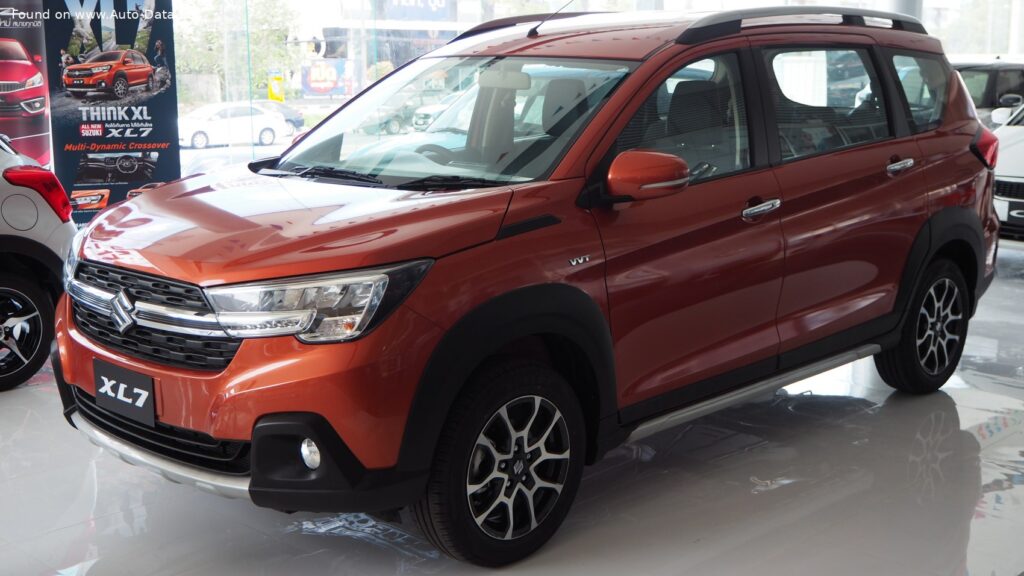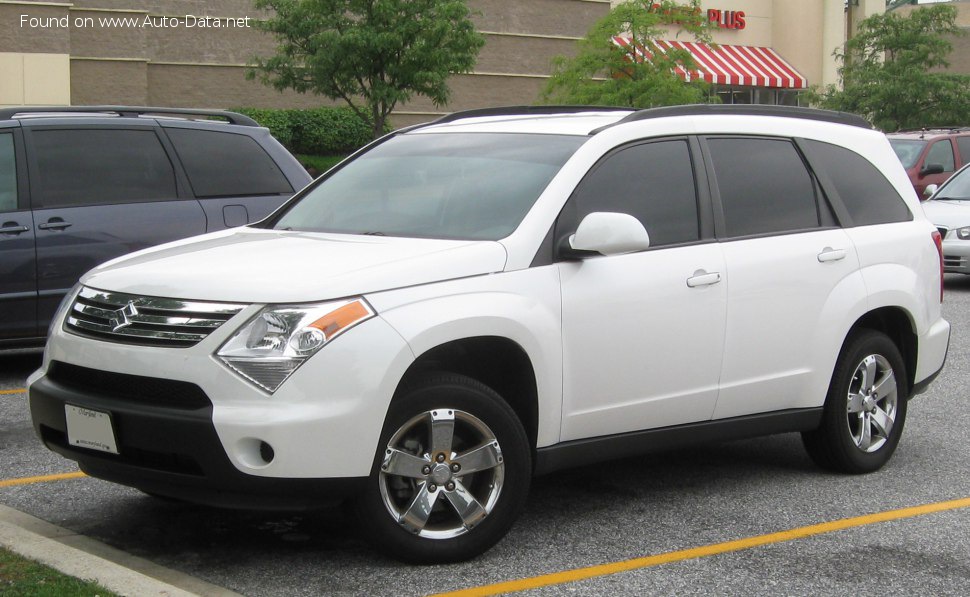
The Suzuki XL7 II 3.6i (252 Hp) Automatic, produced between 2006 and 2009, represents a significant iteration of Suzuki’s foray into the mid-size SUV segment. While not officially sold in the United States, the XL7 was primarily marketed in regions like Europe, Australia, and parts of Asia. It served as a larger, seven-passenger alternative to Suzuki’s more compact offerings, aiming to provide family-oriented practicality with a focus on space and comfort. This second generation, distinguished by its 3.6-liter V6 engine, offered a substantial power upgrade over its predecessor, positioning it as a competitive option within its class.
Suzuki XL7 II: An Overview
The XL7 II was designed to cater to growing families needing a versatile vehicle capable of handling both daily commutes and longer journeys. Its seven-seat configuration, combined with a spacious interior and generous cargo capacity, made it a practical choice for those requiring passenger and luggage space. The introduction of the 3.6-liter engine, sourced from Suzuki’s partnership with General Motors, was a key differentiator, providing a level of performance not typically found in similarly priced SUVs of the era. The vehicle’s front-wheel-drive layout and automatic transmission further enhanced its ease of use and appeal to a broad range of drivers.
Engine & Performance
The heart of the Suzuki XL7 II 3.6i is its 3.6-liter V6 engine, designated the N36A. This naturally aspirated powerplant delivers 252 horsepower at 6000 rpm and 329 Nm (242.66 lb.-ft.) of torque at 2300 rpm. This translates to a respectable 0-100 km/h (0-62 mph) acceleration time of 9.5 seconds and a top speed of 190 km/h (118.06 mph). The engine’s power-to-weight ratio of 7.4 kg/Hp and torque-to-weight ratio of 5.7 kg/Nm contribute to a responsive driving experience. Fuel consumption is rated at 13.2 liters per 100 kilometers (17.8 US mpg), which was typical for a V6-powered SUV of its size and era. The engine utilizes a multi-port manifold fuel injection system and a double overhead camshaft (DOHC) valvetrain, optimizing combustion efficiency and power delivery. The engine requires 5.2 liters (5.49 US qt) of engine oil and 12 liters (12.68 US qt) of coolant for optimal operation.
Design & Features
The Suzuki XL7 II is a five-door SUV characterized by its relatively large dimensions, measuring 5009 mm (197.2 in) in length, 1834 mm (72.2 in) in width, and 1750 mm (68.9 in) in height. Its wheelbase of 2855 mm (112.4 in) provides a stable platform for comfortable ride quality. The vehicle’s design prioritizes practicality and space, with a focus on maximizing interior volume. The seven-seat configuration offers flexible seating arrangements, while the trunk space ranges from a minimum of 396 liters (13.98 cu. ft.) to a maximum of 2690 liters (95 cu. ft.) with the rear seats folded down. Standard safety features included an Anti-lock Braking System (ABS), providing enhanced braking control. The XL7 II rides on 17-inch wheel rims fitted with 235/60 R17 tires. The interior appointments, while functional, were geared towards providing a comfortable and family-friendly environment.
Technical Specifications
| Brand | Suzuki |
| Model | XL7 |
| Generation | XL7 II |
| Type (Engine) | 3.6i (252 Hp) Automatic |
| Start of production | 2006 |
| End of production | 2009 |
| Powertrain Architecture | Internal Combustion engine |
| Body type | SUV |
| Seats | 7 |
| Doors | 5 |
| Fuel consumption (combined) | 13.2 l/100 km (17.8 US mpg, 21.4 UK mpg, 7.6 km/l) |
| Fuel Type | Petrol (Gasoline) |
| Acceleration 0 – 100 km/h | 9.5 sec |
| Acceleration 0 – 62 mph | 9.5 sec |
| Acceleration 0 – 60 mph | 9 sec |
| Maximum speed | 190 km/h (118.06 mph) |
| Weight-to-power ratio | 7.4 kg/Hp |
| Weight-to-torque ratio | 5.7 kg/Nm |
| Power | 252 Hp @ 6000 rpm |
| Power per litre | 70.7 Hp/l |
| Torque | 329 Nm @ 2300 rpm (242.66 lb.-ft. @ 2300 rpm) |
| Engine Model/Code | N36A |
| Engine displacement | 3564 cm3 (217.49 cu. in.) |
| Number of cylinders | 6 |
| Engine configuration | V-engine |
| Fuel injection system | Multi-port manifold injection |
| Engine aspiration | Naturally aspirated engine |
| Valvetrain | DOHC |
| Engine oil capacity | 5.2 l (5.49 US qt | 4.58 UK qt) |
| Coolant | 12 l (12.68 US qt | 10.56 UK qt) |
| Kerb Weight | 1859 kg (4098.39 lbs.) |
| Trunk (boot) space – minimum | 396 l (13.98 cu. ft.) |
| Trunk (boot) space – maximum | 2690 l (95 cu. ft.) |
| Fuel tank capacity | 70 l (18.49 US gal | 15.4 UK gal) |
| Length | 5009 mm (197.2 in.) |
| Width | 1834 mm (72.2 in.) |
| Height | 1750 mm (68.9 in.) |
| Wheelbase | 2855 mm (112.4 in.) |
| Drivetrain Architecture | Front wheel drive |
| Number of gears and type of gearbox | 5 gears, automatic transmission |
| Front brakes | Ventilated discs |
| Rear brakes | Ventilated discs |
| Assisting systems | ABS (Anti-lock braking system) |
| Tires size | 235/60 R17 |
| Wheel rims size | 17 |
The Suzuki XL7 II 3.6i Automatic, while not a mainstream vehicle in the US market, offered a compelling package of space, performance, and practicality for families in the regions where it was sold. Its V6 engine provided a noticeable performance advantage, and its seven-seat configuration made it a versatile choice for those needing to transport larger groups. Though production ceased in 2009, the XL7 II remains a noteworthy example of Suzuki’s commitment to building capable and family-friendly SUVs.