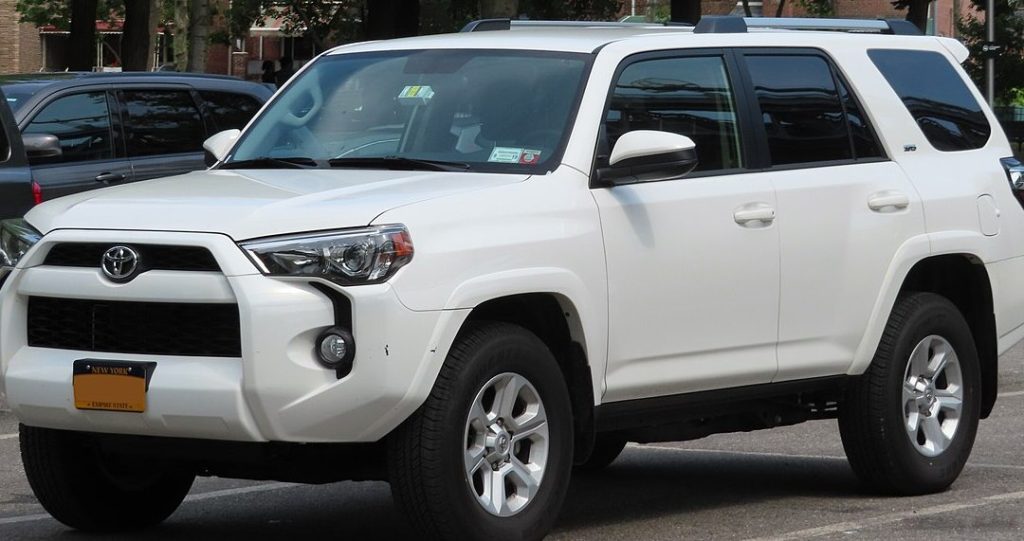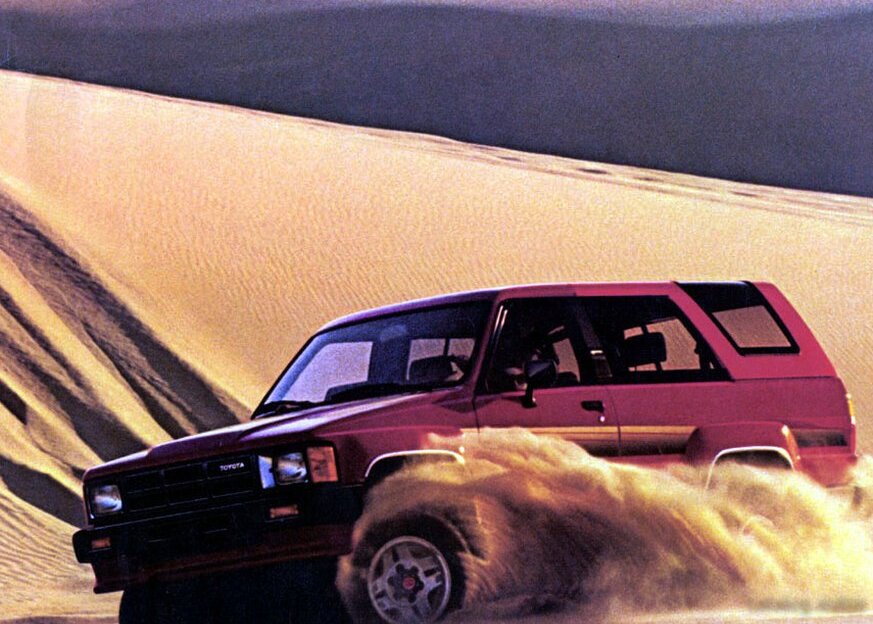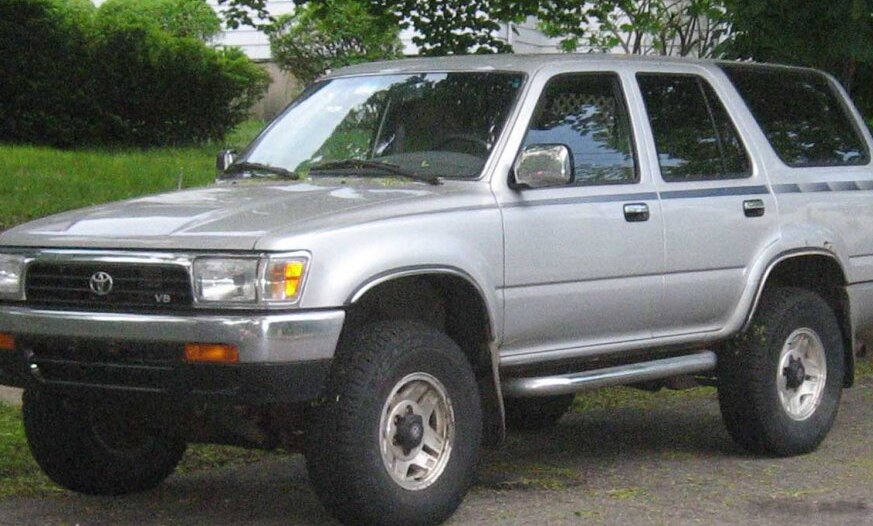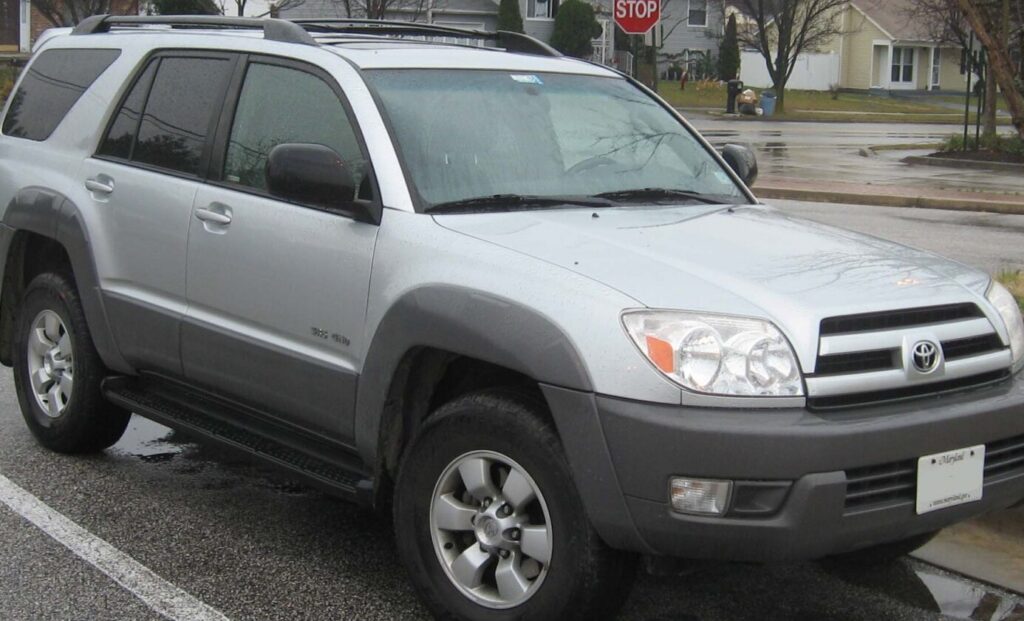
The Toyota 4Runner IV, specifically the 4.7i V8 32V (235 Hp) 4×4 Automatic variant, was produced from 2002 to 2005. This generation, internally designated as the J120 series, represented a significant shift for the 4Runner, moving away from its more rugged, truck-based origins towards a more comfortable and refined SUV experience. Within the fourth generation 4Runner lineup, the 4.7i V8 model occupied the premium position, offering a substantial increase in power and capability compared to the base 2.7-liter four-cylinder engine. It was primarily marketed towards buyers seeking a capable off-road vehicle with the comfort and convenience of a modern SUV, largely aimed at the North American market.
Technical Specifications
| Brand | Toyota |
| Model | 4Runner |
| Generation | 4Runner IV |
| Type (Engine) | 4.7i V8 32V (235 Hp) 4×4 Automatic |
| Start of production | 2002 |
| End of production | 2005 |
| Powertrain Architecture | Internal Combustion engine |
| Body type | SUV |
| Seats | 5 |
| Doors | 5 |
| Fuel consumption (urban) | 15.7 l/100 km (15 US mpg, 18 UK mpg) |
| Fuel consumption (extra urban) | 12.4 l/100 km (19 US mpg, 22.8 UK mpg) |
| Fuel Type | Petrol (Gasoline) |
| Weight-to-power ratio | 8.5 kg/Hp |
| Weight-to-torque ratio | 4.6 kg/Nm |
| Power | 235 Hp @ 4800 rpm |
| Power per litre | 50.4 Hp/l |
| Torque | 434 Nm @ 3400 rpm (320.1 lb.-ft. @ 3400 rpm) |
| Engine layout | Front, Longitudinal |
| Engine Model/Code | 2UZ-FE |
| Engine displacement | 4664 cm3 (284.61 cu. in.) |
| Number of cylinders | 8 |
| Engine configuration | V-engine |
| Cylinder Bore | 94 mm (3.7 in.) |
| Piston Stroke | 84 mm (3.31 in.) |
| Compression ratio | 9.6:1 |
| Number of valves per cylinder | 4 |
| Fuel injection system | Multi-port manifold injection |
| Engine aspiration | Naturally aspirated engine |
| Valvetrain | DOHC |
| Engine oil capacity | 6.2 l (6.55 US qt | 5.46 UK qt) |
| Coolant capacity | 12.3 l (13 US qt | 10.82 UK qt) |
| Kerb Weight | 2000 kg (4409.25 lbs.) |
| Max. weight | 2500 kg (5511.56 lbs.) |
| Max load | 500 kg (1102.31 lbs.) |
| Trunk (boot) space – minimum | 1195 l (42.2 cu. ft.) |
| Trunk (boot) space – maximum | 2050 l (72.4 cu. ft.) |
| Fuel tank capacity | 87 l (22.98 US gal | 19.14 UK gal) |
| Permitted trailer load with brakes (12%) | 2268 kg (5000.08 lbs.) |
| Length | 4800 mm (188.98 in.) |
| Width | 1875 mm (73.82 in.) |
| Height | 1750 mm (68.9 in.) |
| Wheelbase | 2790 mm (109.84 in.) |
| Front track | 1575 mm (62.01 in.) |
| Rear (Back) track | 1575 mm (62.01 in.) |
| Ride height (ground clearance) | 231 mm (9.09 in.) |
| Minimum turning circle (turning diameter) | 11.1 m (36.42 ft.) |
| Approach angle | 32° |
| Departure angle | 24° |
| Ramp-over (brakeover) angle | 22° |
| Drive wheel | All wheel drive (4×4) |
| Number of gears and type of gearbox | 5 gears, automatic transmission |
| Front suspension | Double wishbone |
| Rear suspension | Independent multi-link suspension |
| Front brakes | Ventilated discs |
| Rear brakes | Ventilated discs |
| Assisting systems | ABS (Anti-lock braking system) |
| Steering type | Steering rack and pinion |
| Tires size | 265/70 R16; 265/65 R17 |
| Wheel rims size | 7.0J x 16; 7.5J x 17 |
Powertrain & Engine Architecture
The heart of the 4Runner 4.7i is the 2UZ-FE 4.7-liter V8 engine. This engine is a naturally aspirated, 32-valve DOHC design, known for its durability and smooth power delivery. The 2UZ-FE utilizes a multi-port fuel injection system, delivering fuel directly to each intake port. The engine’s robust construction, featuring cast iron block and aluminum cylinder heads, contributed to its longevity. Paired with the engine is a five-speed automatic transmission (A750F), chosen for its ability to handle the engine’s torque and provide a comfortable driving experience. This transmission featured overdrive for improved highway fuel economy. The 4×4 system was typically a part-time system, allowing the driver to switch between two-wheel drive and four-wheel drive as needed, with a low-range gear for serious off-roading.
Driving Characteristics
The 4.7i V8 offered a significant performance upgrade over the base 2.7-liter engine. With 235 horsepower and 320 lb-ft of torque, the 4Runner provided ample power for both on-road driving and off-road adventures. While not a sports car, the V8 delivered brisk acceleration and effortless cruising. The automatic transmission, while smooth, wasn’t particularly sporty, prioritizing comfort over quick shifts. The gear ratios were tuned for towing and off-road capability, rather than maximizing fuel efficiency or acceleration. Compared to the manual transmission equipped 4Runners, the automatic offered less driver engagement but greater convenience, particularly in city driving and challenging terrain.
Equipment & Trim Levels
The 4.7i V8 typically came standard with a well-equipped interior, including cloth or leather upholstery, power windows and locks, air conditioning, and a CD player. Higher trim levels, such as the Limited, added features like leather seats, a sunroof, upgraded audio systems (often with a JBL premium sound system), and automatic climate control. Optional extras included a navigation system, rear-seat entertainment system, and running boards. The interior design was functional and durable, prioritizing practicality over luxury.
Chassis & Braking
The 4Runner IV utilized a body-on-frame construction, providing a robust and durable platform for off-road use. The suspension consisted of a double wishbone front suspension and an independent multi-link rear suspension, offering a comfortable ride both on and off-road. Braking duties were handled by ventilated disc brakes on all four wheels, providing adequate stopping power for the vehicle’s weight. Anti-lock brakes (ABS) were standard, enhancing safety in emergency braking situations. The 4.7i models often featured heavier-duty suspension components and larger stabilizer bars compared to the base models, improving handling and stability.
Market Reception & Comparison
The 4Runner 4.7i V8 was generally well-received by critics and consumers alike. It was praised for its powerful engine, comfortable ride, and capable off-road performance. However, its fuel economy was a common criticism, as the V8 engine consumed a significant amount of fuel, especially in city driving. Compared to the four-cylinder 4Runner, the V8 offered a substantial performance advantage but at the cost of fuel efficiency. Compared to competitors like the Jeep Grand Cherokee and the Ford Explorer, the 4Runner offered a reputation for exceptional reliability and durability, making it a popular choice for buyers seeking a long-lasting SUV.
Legacy
The 2UZ-FE engine, found in the 4Runner 4.7i, has earned a reputation for exceptional reliability and longevity. With proper maintenance, these engines are known to exceed 200,000 or even 300,000 miles. The A750F automatic transmission is also generally considered to be durable, although it can be susceptible to wear and tear over time. Today, the 4Runner IV 4.7i V8 remains a popular choice in the used car market, particularly among buyers seeking a capable and reliable SUV. Its strong resale value is a testament to its enduring quality and reputation. While fuel economy remains a concern, the 4Runner’s overall durability and off-road capability continue to make it a desirable vehicle for many.