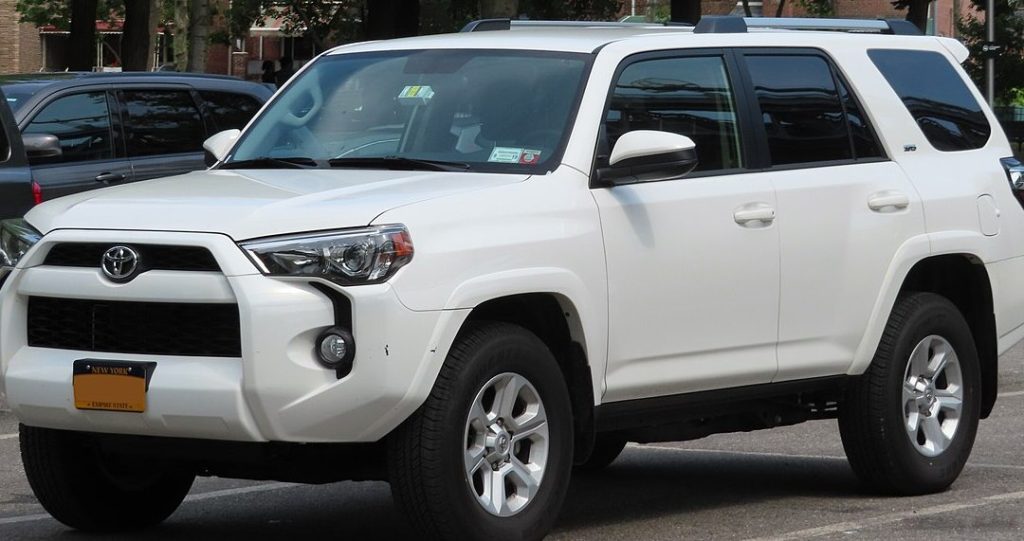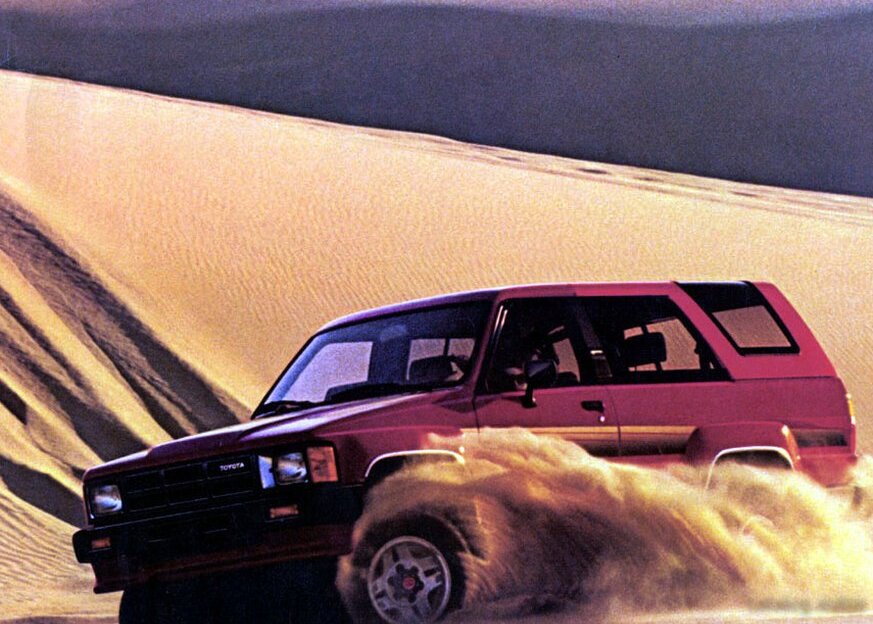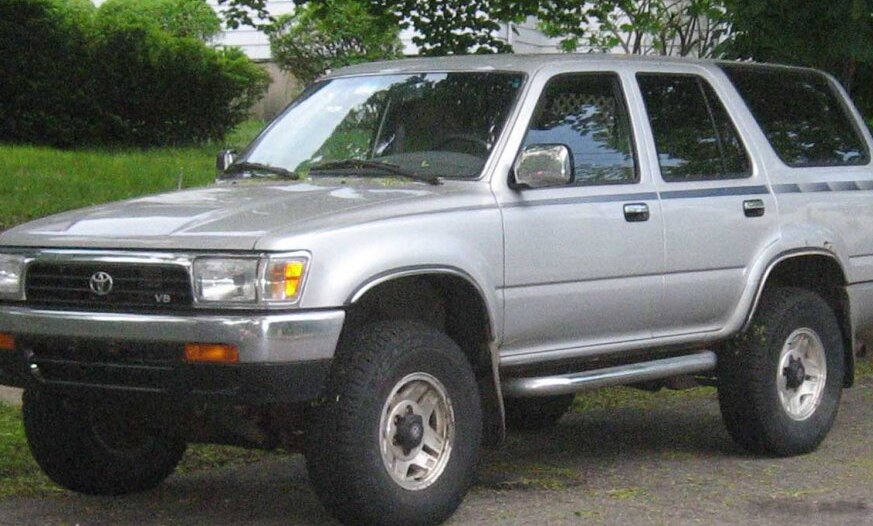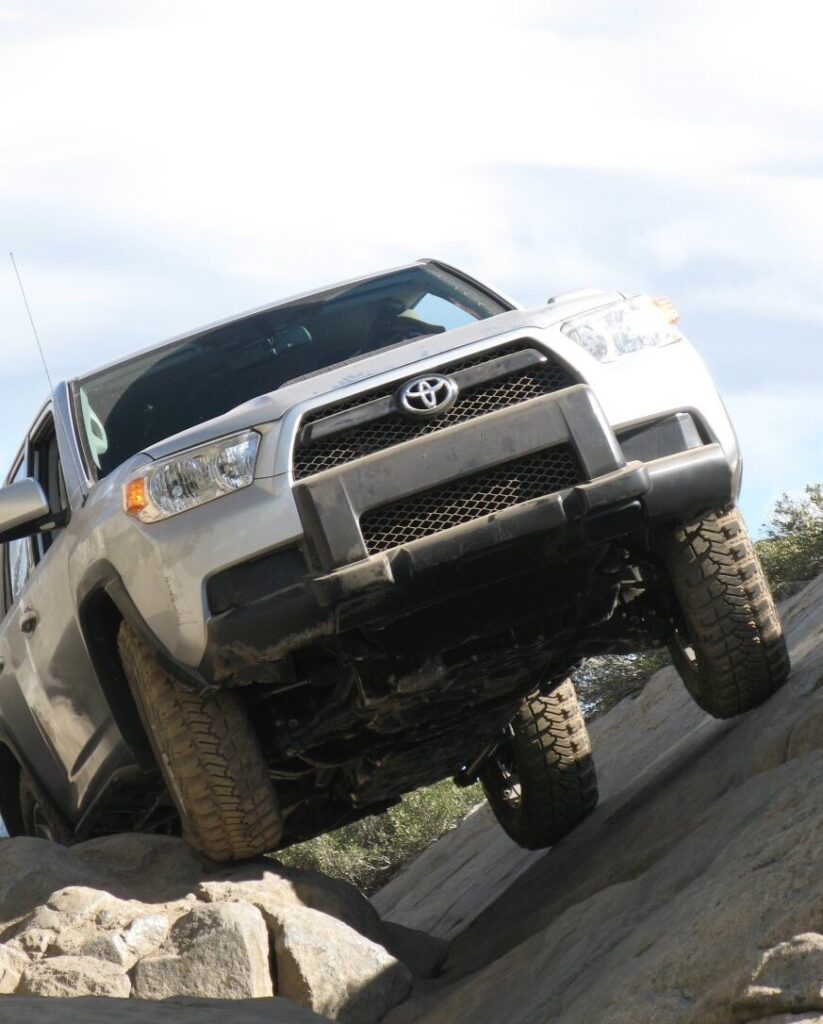
The Toyota 4Runner V 2.7 16V Automatic, produced for a limited time between 2009 and 2010, represented an entry-level offering within the fifth generation (N280) 4Runner lineup. Positioned below the more powerful 4.0L V6 models, this variant aimed to provide a more fuel-efficient and affordable option for buyers seeking the 4Runner’s renowned durability and off-road capability. It was primarily sold in markets where a smaller engine displacement was favored, or where fuel costs were a significant concern. The 4Runner, a staple of Toyota’s SUV offerings since 1984, had evolved from a compact, truck-based vehicle to a more refined, mid-size SUV by the time the N280 generation arrived, and the 2.7L model sought to broaden its appeal.
Technical Specifications
| Brand | Toyota |
| Model | 4Runner |
| Generation | 4Runner V |
| Type (Engine) | 2.7 16V (157 Hp) Automatic |
| Start of production | 2009 |
| End of production | 2010 |
| Powertrain Architecture | Internal Combustion engine |
| Body type | SUV |
| Seats | 7 |
| Doors | 5 |
| Fuel consumption (economy) – urban | 13 l/100 km (18.1 US mpg, 21.7 UK mpg, 7.7 km/l) |
| Fuel consumption (economy) – extra urban | 10.2 l/100 km (23.1 US mpg, 27.7 UK mpg, 9.8 km/l) |
| Fuel consumption (economy) – combined | 11.7 l/100 km (20.1 US mpg, 24.1 UK mpg, 8.5 km/l) |
| Fuel Type | Petrol (Gasoline) |
| Weight-to-power ratio | 12.4 kg/Hp, 80.6 Hp/tonne |
| Weight-to-torque ratio | 8.1 kg/Nm, 123.7 Nm/tonne |
| Power | 157 Hp @ 5200 rpm |
| Power per litre | 58.3 Hp/l |
| Torque | 241 Nm @ 3800 rpm (177.75 lb.-ft. @ 3800 rpm) |
| Engine layout | Front, Longitudinal |
| Engine Model/Code | 2TR-FE |
| Engine displacement | 2694 cm3 (164.4 cu. in.) |
| Number of cylinders | 4 |
| Engine configuration | Inline |
| Cylinder Bore | 95 mm (3.74 in.) |
| Piston Stroke | 95 mm (3.74 in.) |
| Compression ratio | 10.4:1 |
| Number of valves per cylinder | 4 |
| Fuel injection system | Multi-port manifold injection |
| Engine aspiration | Naturally aspirated engine |
| Valvetrain | DOHC |
| Engine oil capacity | 5.8 l (6.13 US qt | 5.1 UK qt) |
| Coolant | 8.1 l (8.56 US qt | 7.13 UK qt) |
| Kerb Weight | 1948 kg (4294.6 lbs.) |
| Max. weight | 2676 kg (5899.57 lbs.) |
| Max load | 728 kg (1604.97 lbs.) |
| Trunk (boot) space – minimum | 255 l (9.01 cu. ft.) |
| Trunk (boot) space – maximum | 2515 l (88.82 cu. ft.) |
| Fuel tank capacity | 90 l (23.78 US gal | 19.8 UK gal) |
| Permitted trailer load with brakes (12%) | 907 kg (1999.59 lbs.) |
| Length | 4823 mm (189.88 in.) |
| Width | 1925 mm (75.79 in.) |
| Height | 1780-1816 mm (70.08 – 71.5 in.) |
| Wheelbase | 2789 mm (109.8 in.) |
| Front track | 1605 mm (63.19 in.) |
| Rear (Back) track | 1605 mm (63.19 in.) |
| Ride height (ground clearance) | 229 mm (9.02 in.) |
| Drag coefficient (Cd) | 0.36 |
| Minimum turning circle (turning diameter) | 11.4 m (37.4 ft.) |
| Approach angle | 31° |
| Departure angle | 26° |
| Drivetrain Architecture | The Internal combustion engine (ICE) drives the rear wheels of the vehicle. |
| Drive wheel | Rear wheel drive |
| Number of gears and type of gearbox | 4 gears, automatic transmission |
| Front suspension | Double wishbone |
| Rear suspension | Independent multi-link suspension |
| Front brakes | Ventilated discs |
| Rear brakes | Ventilated discs |
| Assisting systems | ABS (Anti-lock braking system) |
| Steering type | Steering rack and pinion |
| Power steering | Hydraulic Steering |
| Tires size | 265/70 R17; 245/60 R20 |
| Wheel rims size | 7J x 17; 7.5J x 17; 7.5J x 20 |
Powertrain & Engine Architecture
The heart of the 4Runner V 2.7 was the 2TR-FE engine, a 2.7-liter inline-four cylinder gasoline engine. This engine, part of Toyota’s TR family, featured a cast iron block and an aluminum cylinder head with dual overhead camshafts (DOHC) and four valves per cylinder. The 2TR-FE utilized a multi-port fuel injection system, delivering fuel directly into the intake ports, and was naturally aspirated. The engine produced 157 horsepower at 5200 rpm and 177.75 lb-ft of torque at 3800 rpm. This engine was known for its reliability and durability, though it wasn’t particularly powerful compared to the 4.0L V6 option. The engine was mated to a four-speed automatic transmission, a common choice for providing ease of use and convenience, though it lacked the efficiency and responsiveness of more modern transmissions. The transmission was designed to handle the engine’s torque output and provide adequate performance for everyday driving.
Driving Characteristics
The 4Runner V 2.7 Automatic offered a comfortable, but not particularly exhilarating, driving experience. The four-speed automatic transmission, while smooth, resulted in noticeable gear changes and didn’t allow the engine to stay in its optimal power band for extended periods. Acceleration was adequate for daily commuting and highway merging, but passing maneuvers required careful planning. Compared to the V6 models, the 2.7L felt noticeably slower, especially when fully loaded or climbing hills. The gear ratios were tuned for fuel economy and drivability rather than outright performance. The rear-wheel-drive configuration provided a more traditional SUV feel, and while capable off-road, it lacked the added traction of the available four-wheel-drive system found on higher trims.
Equipment & Trim Levels
The 4Runner V 2.7 Automatic typically came with a standard equipment list focused on practicality and convenience. This included features like air conditioning, power windows and locks, and a basic audio system. Interior upholstery was typically cloth, and the dashboard featured a straightforward design. Optional extras included alloy wheels, a sunroof, and an upgraded audio system. The trim level was generally considered the base model, offering a more affordable entry point into the 4Runner range. Safety features included ABS brakes and multiple airbags.
Chassis & Braking
The 4Runner V 2.7 utilized a body-on-frame construction, providing a robust and durable chassis. The front suspension consisted of a double wishbone setup, while the rear featured an independent multi-link suspension. This suspension configuration aimed to balance ride comfort with off-road capability. Braking duties were handled by ventilated discs on all four wheels, providing adequate stopping power for the vehicle’s weight. The rear-wheel-drive configuration contributed to a relatively simple and reliable braking system.
Market Reception & Comparison
The 4Runner V 2.7 Automatic received mixed reviews. Critics generally praised its reliability and fuel efficiency compared to the V6 models, but criticized its lack of power and the dated four-speed automatic transmission. It was seen as a sensible choice for buyers prioritizing practicality and affordability over performance. Compared to the 4.0L V6 4Runner, the 2.7L offered significantly lower fuel consumption but lacked the V6’s towing capacity and overall driving enjoyment. The 2.7L model was often favored by buyers in regions where fuel costs were high or where off-road performance wasn’t a primary concern.
Legacy
The 2TR-FE engine, in general, has proven to be a remarkably durable and reliable powerplant. The 4Runner V 2.7 Automatic, while not a high-performance vehicle, has maintained a good reputation for longevity. On the used car market, these models are often sought after by buyers looking for a dependable and affordable SUV. Maintenance costs are generally reasonable, and parts availability is good. However, potential buyers should be aware of the limitations of the four-speed automatic transmission and the engine’s relatively modest power output. The 4Runner V 2.7 represents a practical and dependable option within the broader 4Runner lineage, offering a blend of Toyota’s renowned reliability and SUV versatility.