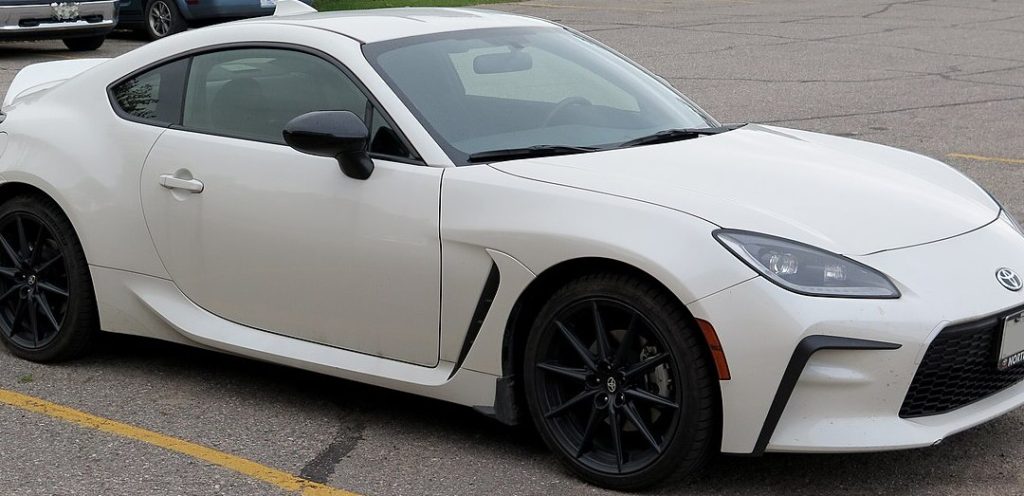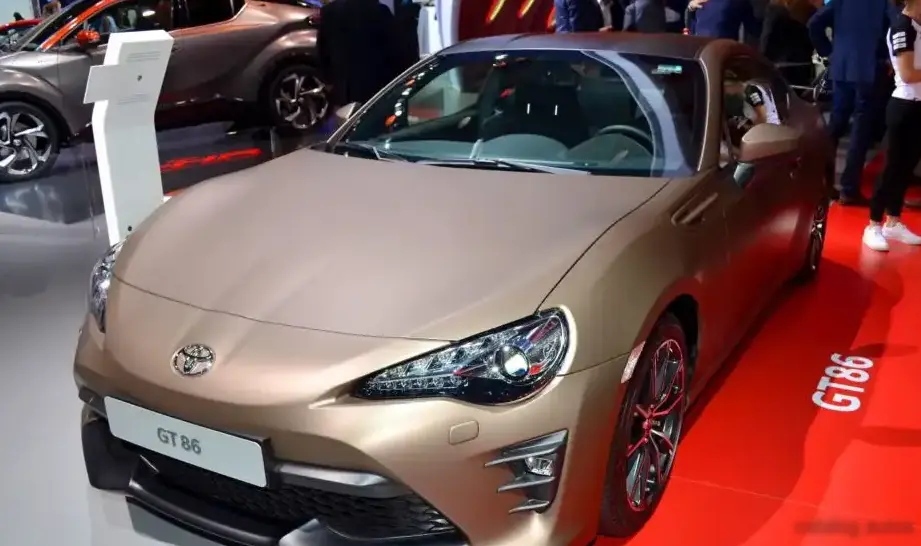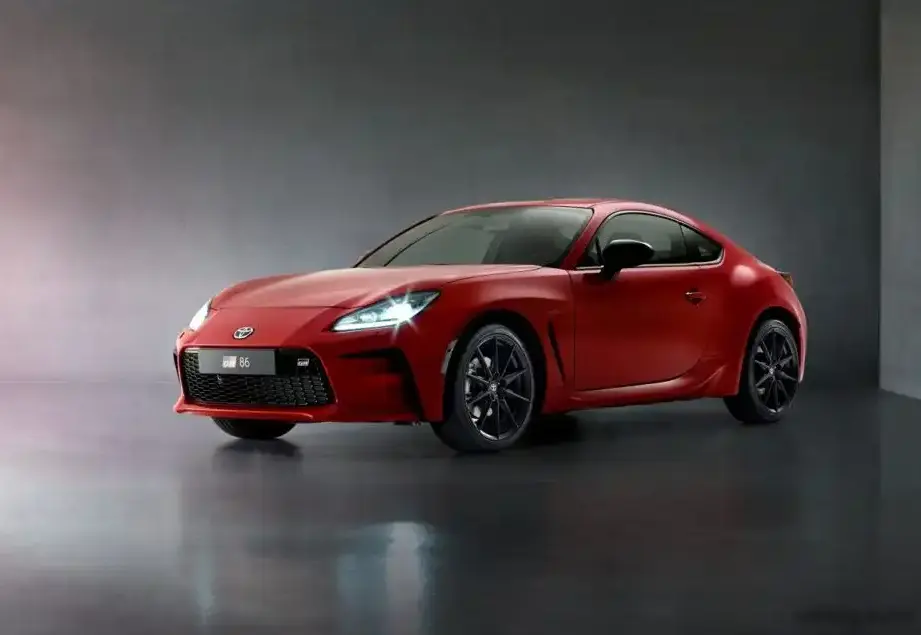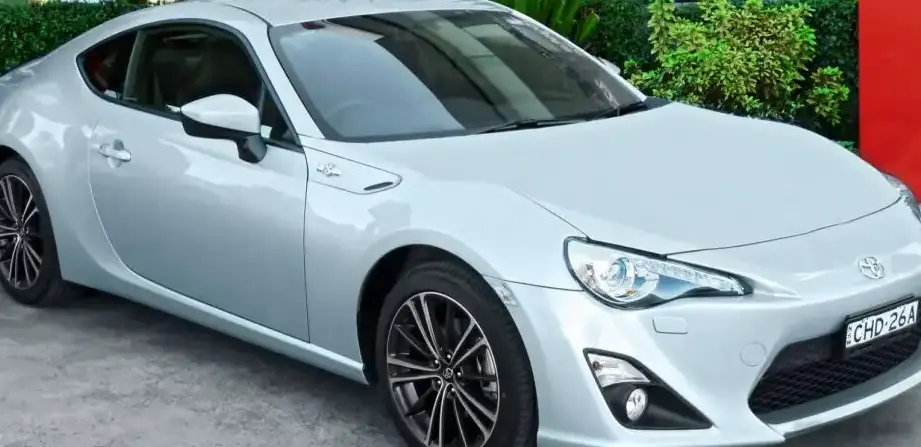
The Toyota 86, launched in 2012 and continuing through 2016 for the first generation (A86 chassis code), represented a deliberate return to the roots of affordable, lightweight, rear-wheel-drive sports cars. Developed in collaboration with Subaru (who marketed their version as the BRZ), the 86 aimed to recapture the spirit of classic coupes like the Toyota Celica and Mazda RX-7. The 2.0 D-4S variant, producing 200 horsepower with an automatic transmission, occupied a middle ground in the 86 lineup, offering a balance between performance and ease of use. It was positioned as a more accessible entry point to the sports car experience compared to the six-speed manual transmission option, appealing to drivers prioritizing convenience over ultimate driver engagement.
Technical Specifications
| Brand | Toyota |
| Model | 86 |
| Generation | 86 I |
| Type (Engine) | 2.0 D-4S (200 Hp) Automatic |
| Start of production | 2012 |
| End of production | 2016 |
| Powertrain Architecture | Internal Combustion engine |
| Body type | Coupe |
| Seats | 4 |
| Doors | 2 |
| Fuel consumption (economy) – urban | 9.6 l/100 km (24.5 US mpg) |
| Fuel consumption (economy) – extra urban | 5.7 l/100 km (41.3 US mpg) |
| Fuel consumption (economy) – combined | 7.1 l/100 km (33.1 US mpg) |
| CO2 emissions | 164 g/km |
| Fuel Type | Petrol (Gasoline) |
| Acceleration 0 – 100 km/h | 8.2 sec |
| Acceleration 0 – 62 mph | 8.2 sec |
| Acceleration 0 – 60 mph | 7.8 sec |
| Maximum speed | 210 km/h (130.49 mph) |
| Emission standard | Euro 5 J |
| Weight-to-power ratio | 6.3 kg/Hp |
| Weight-to-torque ratio | 6.1 kg/Nm |
| Power | 200 Hp @ 7000 rpm |
| Torque | 205 Nm @ 6400-6600 rpm (151.2 lb.-ft. @ 6400-6600 rpm) |
| Maximum engine speed | 7400 rpm |
| Engine layout | Front, Longitudinal |
| Engine Model/Code | FA20 |
| Engine displacement | 1998 cm3 (121.93 cu. in.) |
| Number of cylinders | 4 |
| Engine configuration | Boxer |
| Cylinder Bore | 86 mm (3.39 in.) |
| Piston Stroke | 86 mm (3.39 in.) |
| Compression ratio | 12.5:1 |
| Number of valves per cylinder | 4 |
| Fuel injection system | Direct injection |
| Engine aspiration | Naturally aspirated engine |
| Valvetrain | DOHC |
| Engine oil capacity | 5.4 l (5.71 US qt | 4.75 UK qt) |
| Coolant | 7.2 l (7.61 US qt | 6.34 UK qt) |
| Kerb Weight | 1253-1280 kg (2762.39 – 2821.92 lbs.) |
| Max. weight | 1700 kg (3747.86 lbs.) |
| Max load | 420-447 kg (925.94 – 985.47 lbs.) |
| Trunk (boot) space – minimum | 243 l (8.58 cu. ft.) |
| Fuel tank capacity | 50 l (13.21 US gal | 11 UK gal) |
| Length | 4240 mm (166.93 in.) |
| Width | 1775 mm (69.88 in.) |
| Height | 1285 mm (50.59 in.) |
| Wheelbase | 2570 mm (101.18 in.) |
| Front track | 1520 mm (59.84 in.) |
| Rear (Back) track | 1540 mm (60.63 in.) |
| Front overhang | 845 mm (33.27 in.) |
| Rear overhang | 825 mm (32.48 in.) |
| Ride height (ground clearance) | 120 mm (4.72 in.) |
| Drag coefficient (Cd) | 0.27 |
| Minimum turning circle (turning diameter) | 10.8 m (35.43 ft.) |
| Drivetrain Architecture | Rear wheel drive |
| Drive wheel | Rear wheel drive |
| Number of gears and type of gearbox | 6 gears, automatic transmission |
| Front suspension | Independent, type McPherson with coil spring and anti-roll bar |
| Rear suspension | Double wishbone |
| Front brakes | Ventilated discs |
| Rear brakes | Ventilated discs |
| Assisting systems | ABS (Anti-lock braking system) |
| Steering type | Steering rack and pinion |
| Power steering | Electric Steering |
| Tires size | 215/45 R17 |
| Wheel rims size | 7J x 17 |
Powertrain & Engine Architecture
The heart of the 86 2.0 D-4S Automatic is the FA20 2.0-liter naturally aspirated boxer-four engine. This engine, a key component of the collaborative engineering effort with Subaru, features direct injection and dual variable valve timing (D-4S technology) to optimize both power and fuel efficiency. The boxer configuration, with its horizontally opposed pistons, contributes to a low center of gravity, enhancing handling characteristics. The engine produces 200 horsepower at 7,000 rpm and 151 lb-ft of torque between 6,400 and 6,600 rpm. The automatic transmission is a conventional six-speed unit, chosen for its ease of use and accessibility. While not offering the same level of control as the manual, it provides smooth shifts and makes the 86 more appealing to a wider range of drivers. The transmission’s gear ratios are tuned for a balance of acceleration and fuel economy, prioritizing responsiveness in the lower gears and comfortable cruising at highway speeds.
Driving Characteristics
The 200 hp automatic 86 delivers a distinctly different driving experience compared to its manual counterpart or higher-output variants. While the manual version emphasizes driver involvement and precise control, the automatic prioritizes ease of use. Acceleration from 0-60 mph takes approximately 7.8 seconds, slightly slower than the manual. The automatic transmission, while smooth, can sometimes feel hesitant during quick downshifts, and lacks the immediate response of a manual gearbox. However, the automatic’s programming is generally well-suited to everyday driving, providing a comfortable and predictable experience. The rear-wheel-drive layout and relatively low weight (around 2,762-2,822 lbs) contribute to a balanced and engaging handling feel, though the factory-equipped tires can limit grip in more aggressive driving scenarios.
Equipment & Trim Levels
The 86 2.0 D-4S Automatic typically came standard with features such as air conditioning, power windows and locks, a basic audio system, and stability control. Interior upholstery was generally cloth, with optional leather available. Higher trim levels, often denoted by packages, could add features like a premium audio system, keyless entry, and heated seats. The dashboard layout is driver-focused, with clearly legible gauges and a straightforward infotainment system. Optional extras included a rear spoiler, upgraded wheels, and various cosmetic enhancements.
Chassis & Braking
The 86 utilizes a McPherson strut front suspension and a double wishbone rear suspension, designed to provide a responsive and controlled ride. Stabilizer bars are fitted to both axles to reduce body roll during cornering. Braking duties are handled by ventilated disc brakes on all four wheels, providing adequate stopping power for the car’s weight and performance. ABS (Anti-lock Braking System) is standard. The relatively lightweight construction of the chassis contributes to the car’s nimble handling characteristics.
Market Reception & Comparison
The Toyota 86, including the 2.0 D-4S Automatic variant, was generally well-received by automotive critics. It was praised for its engaging handling, affordable price point, and return to the classic sports car formula. However, some critics noted the engine’s lack of low-end torque and the automatic transmission’s less-than-sporty character. Compared to the manual transmission version, the automatic offered a more accessible entry point but sacrificed some driver involvement. Compared to other sports cars in its price range, the 86 stood out for its rear-wheel-drive layout and focus on handling dynamics. Fuel economy was respectable, averaging around 33.1 US mpg in combined driving.
Legacy
The FA20 engine, in both manual and automatic configurations, has proven to be a relatively reliable powertrain. Common maintenance items include regular oil changes and inspections of the cooling system. The 86’s simple design and readily available parts contribute to its relatively low cost of ownership. On the used car market, the 86 2.0 D-4S Automatic remains a popular choice for enthusiasts seeking an affordable and engaging sports car. Its combination of performance, handling, and practicality makes it a compelling option for those looking for a fun-to-drive vehicle without breaking the bank. Modifications, such as suspension upgrades and forced induction, are common among owners seeking to further enhance the car’s performance.