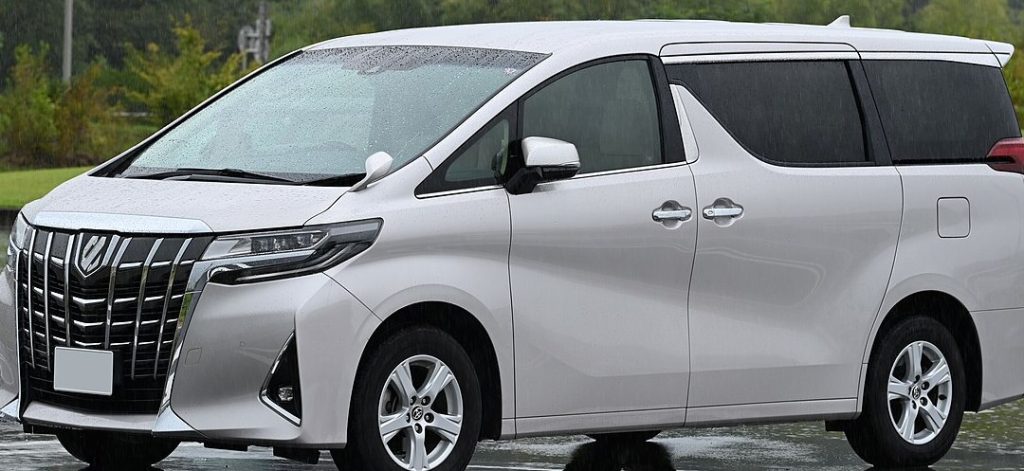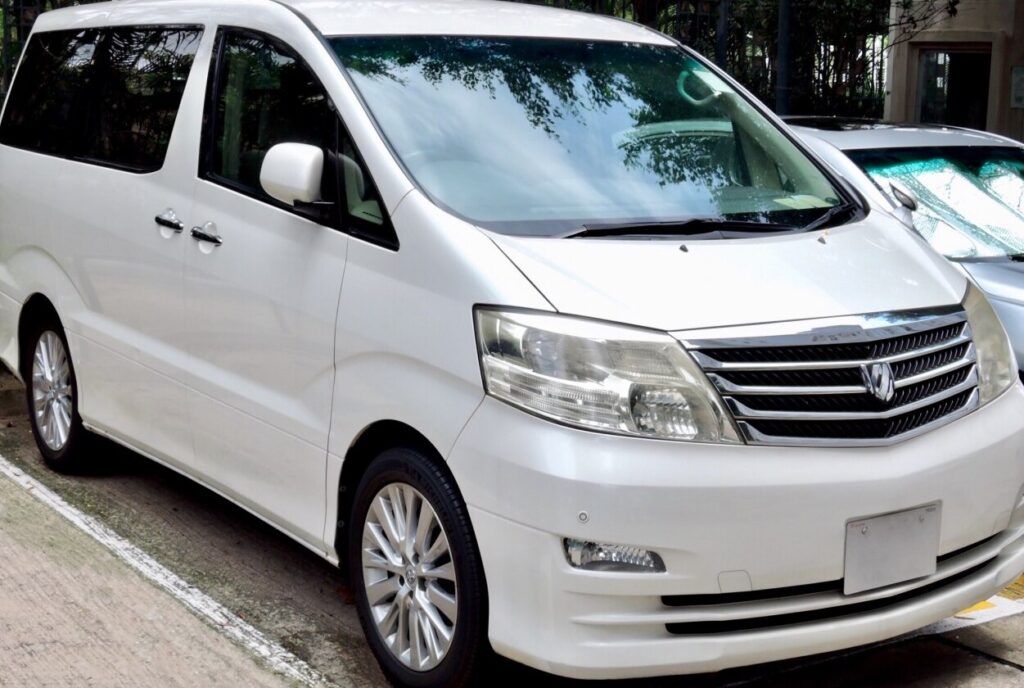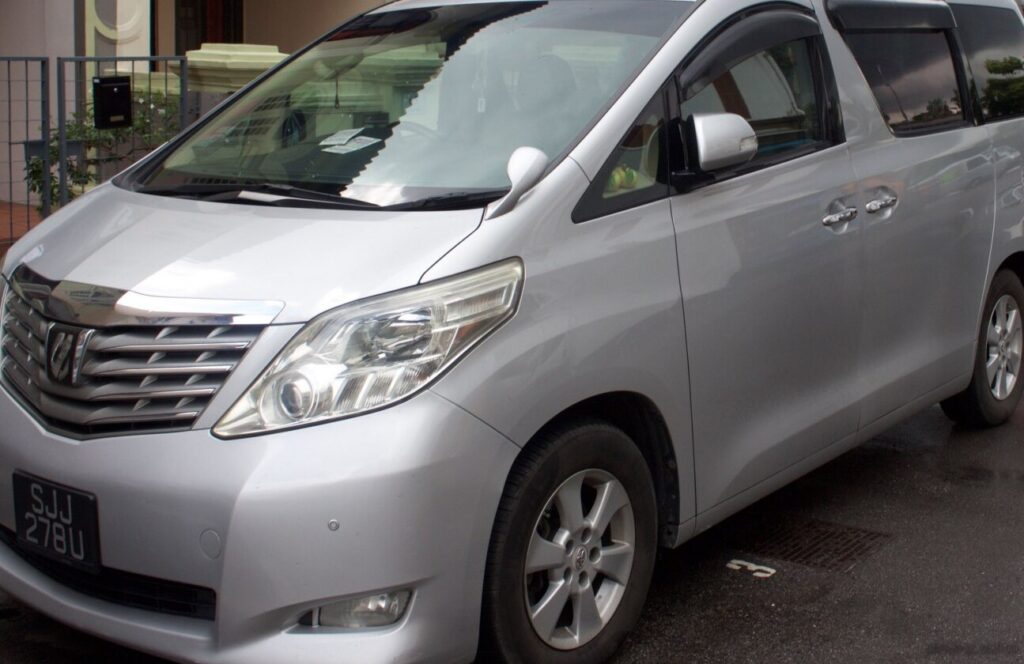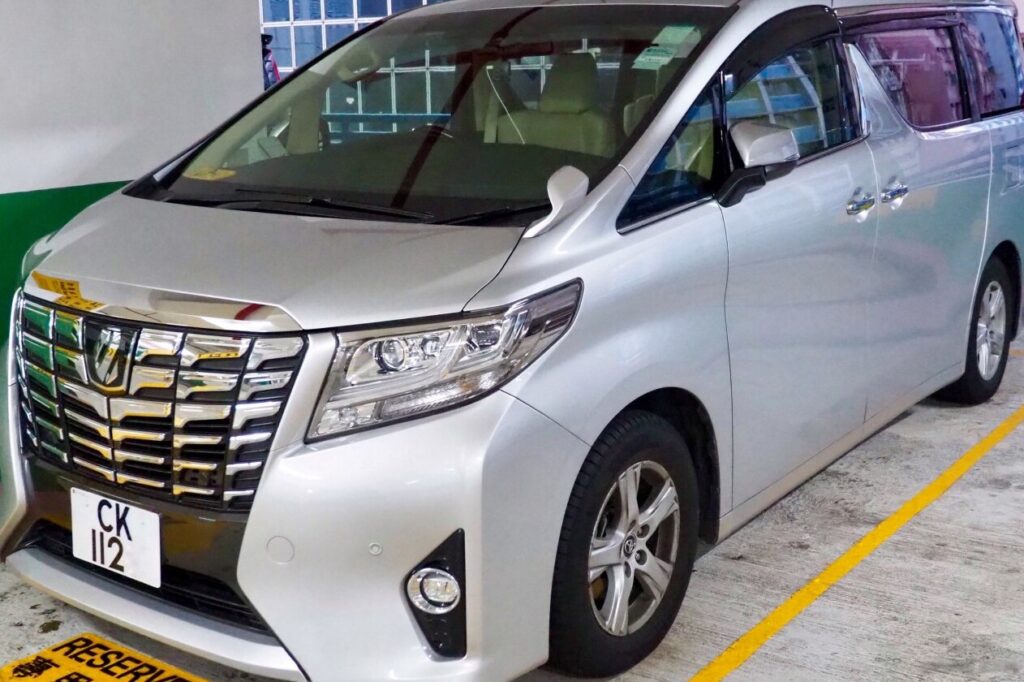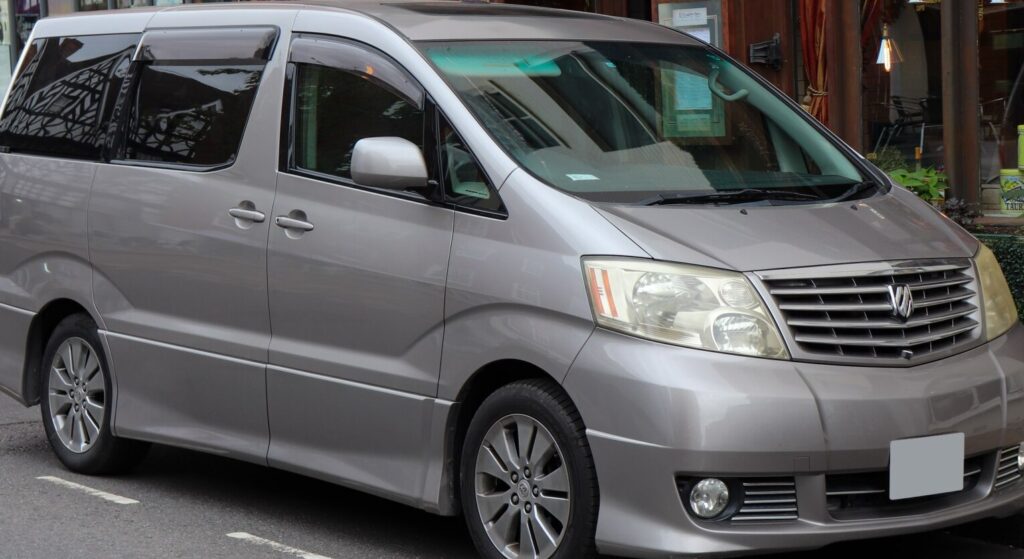
The Toyota Alphard, launched in 1997, quickly became a dominant force in the Japanese luxury minivan segment. The first generation, designated the Alphard I (produced from 1997-2002, with a facelift extending production to 2005), catered to a demand for spacious, comfortable, and well-equipped people carriers. The 3.0 i V6 24V variant, produced from 2002-2005, represented a mid-to-high trim level within the Alphard I range, offering a balance of performance and luxury features. This model was primarily sold in Japan and select Asian markets, where large minivans are highly favored for family transport and chauffeur services.
Technical Specifications
| Brand | Toyota |
| Model | Alphard |
| Generation | Alphard I |
| Type (Engine) | 3.0 i V6 24V (220 Hp) |
| Start of production | 2002 |
| End of production | 2005 |
| Powertrain Architecture | Internal Combustion engine |
| Body type | Minivan |
| Seats | 7 |
| Doors | 5 |
| Fuel Type | Petrol (Gasoline) |
| Power | 220 Hp @ 5800 rpm |
| Power per litre | 73.5 Hp/l |
| Torque | 304 Nm @ 4400 rpm / 224.22 lb.-ft. @ 4400 rpm |
| Engine layout | Front, Transverse |
| Engine Model/Code | 1MZ-FE |
| Engine displacement | 2995 cm3 / 182.77 cu. in. |
| Number of cylinders | 6 |
| Engine configuration | V-engine |
| Cylinder Bore | 87.5 mm / 3.44 in. |
| Piston Stroke | 83 mm / 3.27 in. |
| Compression ratio | 10.5:1 |
| Number of valves per cylinder | 4 |
| Fuel injection system | Multi-port manifold injection |
| Engine aspiration | Naturally aspirated engine |
| Valvetrain | DOHC |
| Engine oil capacity | 4.7 l / 4.97 US qt | 4.14 UK qt |
| Coolant | 11 l / 11.62 US qt | 9.68 UK qt |
| Fuel tank capacity | 70 l / 18.49 US gal | 15.4 UK gal |
| Length | 4845 mm / 190.75 in. |
| Width | 1830 mm / 72.05 in. |
| Height | 1935 mm / 76.18 in. |
| Wheelbase | 2900 mm / 114.17 in. |
| Front track | 1560 mm / 61.42 in. |
| Rear (Back) track | 1540 mm / 60.63 in. |
| Drivetrain Architecture | The Internal combustion engine (ICE) drives the front wheels of the vehicle. |
| Drive wheel | Front wheel drive |
| Number of gears and type of gearbox | 4 gears, automatic transmission |
| Front suspension | Spring Strut |
| Rear suspension | Coil spring |
| Front brakes | Ventilated discs |
| Rear brakes | Disc |
| Tires size | 225/55 R17 |
Powertrain & Engine Architecture
The heart of the Alphard 3.0 i is the 1MZ-FE engine, a 3.0-liter (2995 cc) naturally aspirated V6. This engine is a member of Toyota’s MZ engine family, known for its smoothness and reliability. The 1MZ-FE features a double overhead camshaft (DOHC) valvetrain with four valves per cylinder, contributing to its respectable power output. Fuel delivery is handled by a multi-port fuel injection system, optimizing combustion efficiency. The engine produces 220 horsepower at 5800 rpm and 304 Nm (224.22 lb-ft) of torque at 4400 rpm. Paired with this engine is a four-speed automatic transmission, designed for smooth and comfortable shifts. This transmission was a standard feature for this trim level, prioritizing ease of use over outright performance.
Driving Characteristics
The Alphard 3.0 i V6 Automatic offers a comfortable and refined driving experience. While not a sports-oriented vehicle, the 220 hp engine provides adequate power for highway cruising and city driving. The four-speed automatic transmission, while not as sophisticated as modern transmissions with more gears, delivers smooth shifts and contributes to the overall relaxed driving feel. Compared to the base 2.4-liter engine option, the 3.0-liter provides noticeably more power, especially when fully loaded with passengers and luggage. However, it doesn’t match the quicker acceleration of the later Alphard models with more powerful engines or the responsiveness of a manual transmission (which wasn’t offered on this trim). The front-wheel-drive configuration contributes to good traction in most conditions, but it doesn’t offer the all-weather capability of an all-wheel-drive system.
Equipment & Trim Levels
The 3.0 i trim level of the Alphard I typically included a generous array of standard features. These often included power windows, power locks, air conditioning (often climate control), a high-quality audio system, and comfortable seating for seven passengers. Interior upholstery was typically cloth or a higher-grade velour, with optional leather available. Dashboard configuration featured woodgrain accents and a user-friendly layout. Optional extras could include a navigation system, sunroof, and upgraded audio components. The Alphard was designed with a focus on passenger comfort, and the 3.0 i trim enhanced this with features like adjustable headrests and ample legroom in all three rows.
Chassis & Braking
The Alphard I utilizes a conventional chassis design with a front strut suspension and a coil spring rear suspension. This setup prioritizes ride comfort over sporty handling. The front brakes are ventilated discs, providing adequate stopping power, while the rear brakes are solid discs. The vehicle’s relatively high weight necessitates a robust braking system. Stabilizer bars are fitted to both the front and rear axles to reduce body roll during cornering. Tire size is typically 225/55 R17, offering a good balance of comfort and grip.
Market Reception & Comparison
The Alphard 3.0 i V6 Automatic was generally well-received by critics and consumers in its target markets. It was praised for its spacious interior, comfortable ride, and reliable engine. Fuel economy, however, was a common criticism, as the 3.0-liter V6 engine is not particularly fuel-efficient. Compared to the 2.4-liter Alphard, the 3.0 i offered a significant performance upgrade, but at a higher price point. It also offered a more luxurious experience than the base models. Reliability was a strong point, with the 1MZ-FE engine being known for its longevity when properly maintained.
Legacy
The Alphard I 3.0 i V6 24V remains a popular choice in the used car market, particularly in regions where large minivans are in demand. The 1MZ-FE engine is known for its durability, and with regular maintenance, it can provide many years of reliable service. However, potential buyers should be aware of potential issues such as oil leaks and the need for regular timing belt replacement. The Alphard I established the Alphard as a benchmark for luxury and practicality in the minivan segment, and its legacy continues with subsequent generations of the vehicle. The combination of a smooth V6 engine and a comfortable automatic transmission makes it a desirable option for families and those seeking a spacious and reliable people carrier.