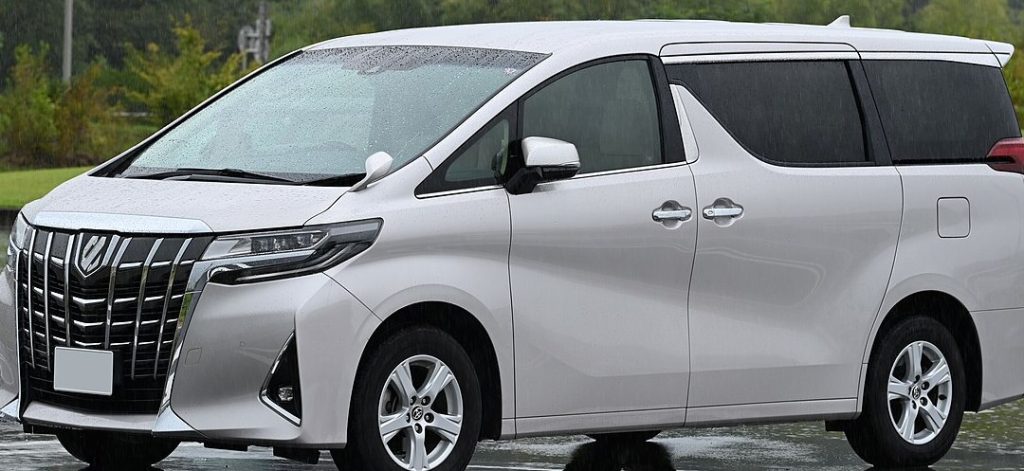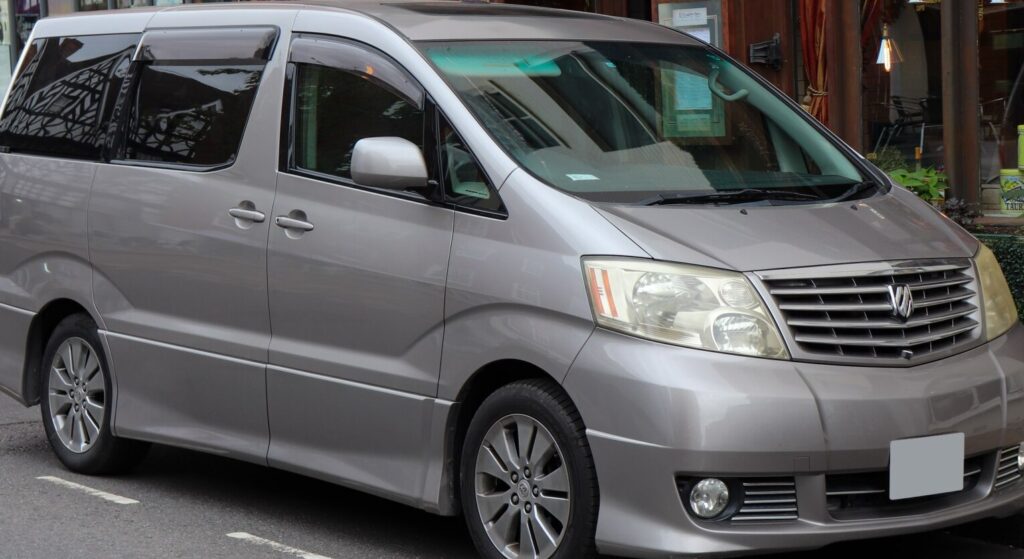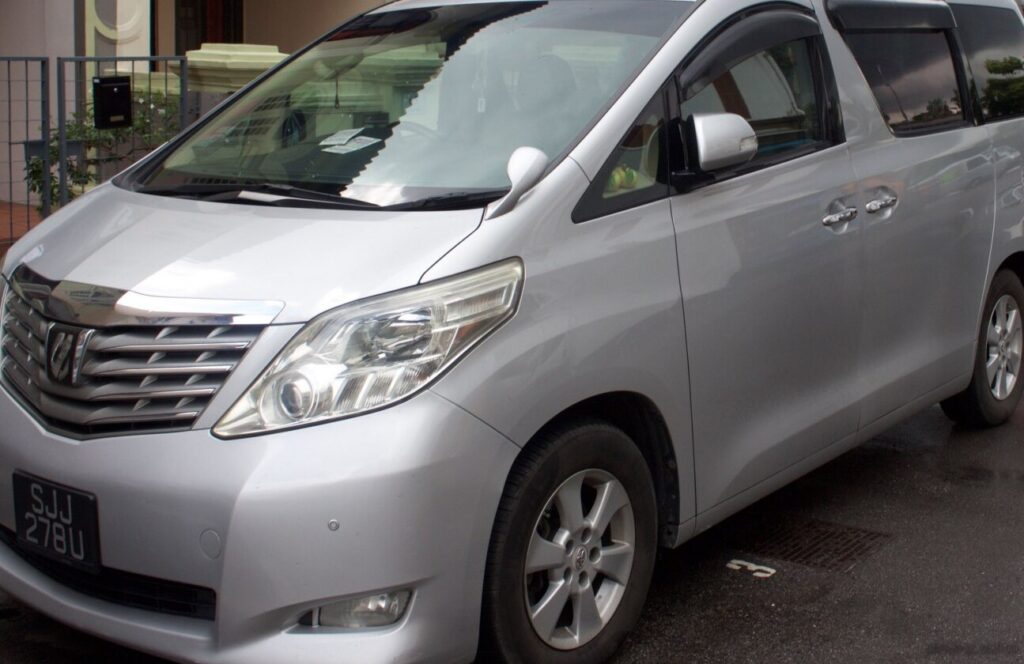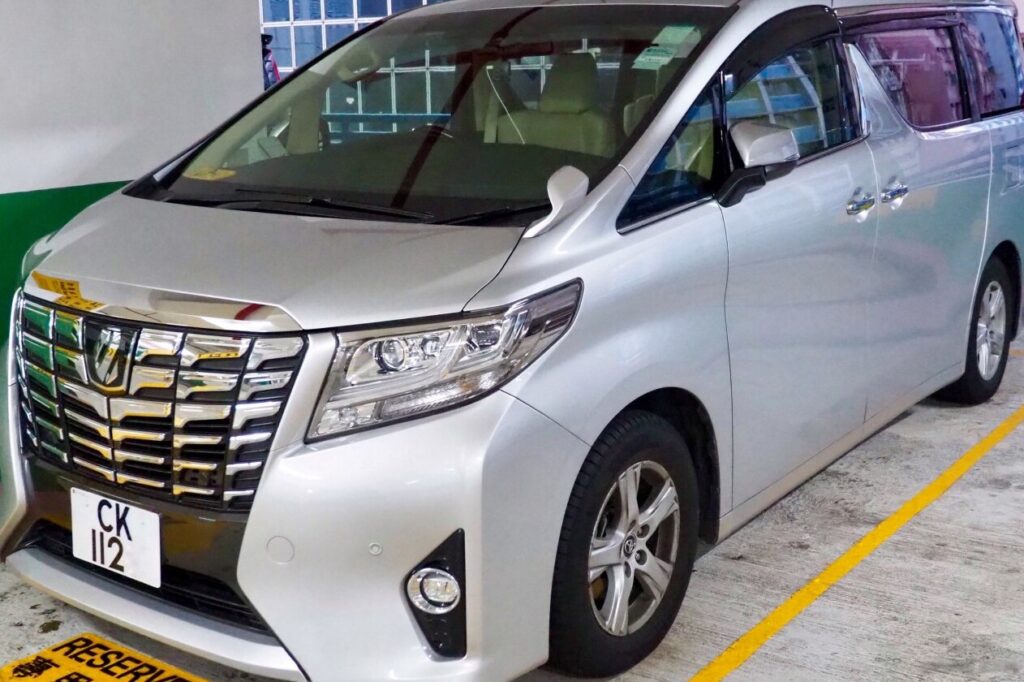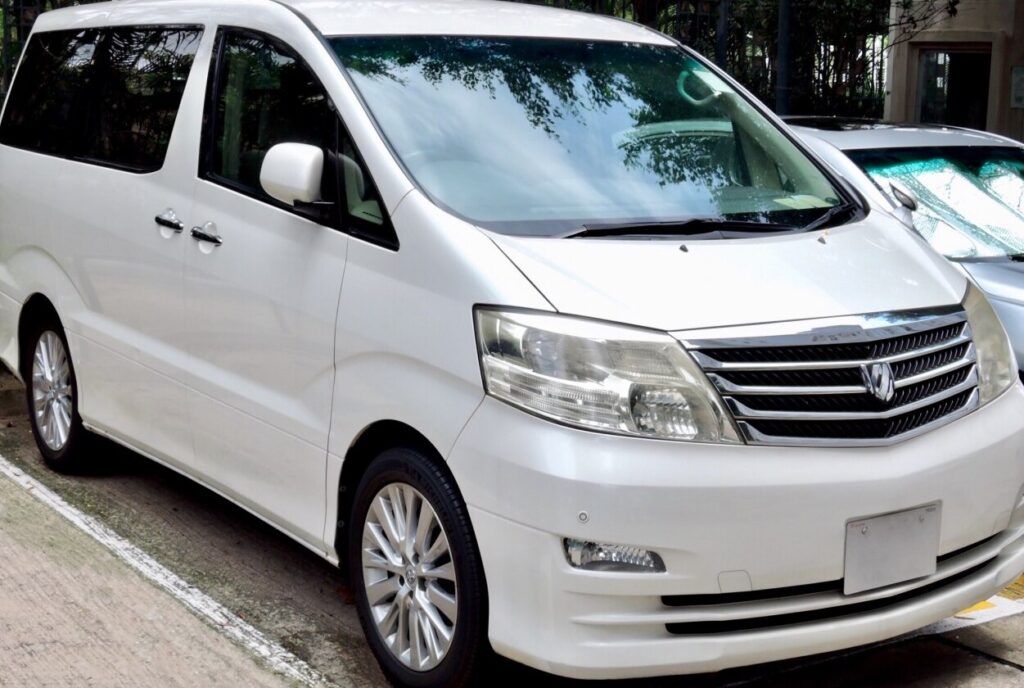
The Toyota Alphard, particularly the first generation (XH10/XH20) produced from 2002 to 2008, represents Toyota’s entry into the luxury minivan segment, primarily aimed at the Japanese domestic market (JDM). The 2005 facelift brought cosmetic and minor mechanical updates. The 3.0 i V6 variant, producing 220 horsepower, occupied a mid-to-upper position within the Alphard lineup, offering a balance of performance and refinement. This model was designed to compete with other high-end MPVs like the Honda Odyssey and Nissan Elgrand, focusing on spaciousness, comfort, and a premium interior experience. While not officially sold in the United States during this generation, the Alphard has gained a following among enthusiasts importing JDM vehicles.
Technical Specifications
| Brand | Toyota |
| Model | Alphard |
| Generation | Alphard I (facelift 2005) |
| Type (Engine) | 3.0 i V6 (220 Hp) |
| Start of production | 2005 |
| End of production | 2008 |
| Powertrain Architecture | Internal Combustion engine |
| Body type | Minivan |
| Seats | 7 |
| Doors | 5 |
| Fuel Type | Petrol (Gasoline) |
| Power | 220 Hp @ 5800 rpm |
| Power per litre | 73.5 Hp/l |
| Torque | 304 Nm @ 4400 rpm / 224.22 lb.-ft. @ 4400 rpm |
| Engine layout | Front, Transverse |
| Engine Model/Code | 1MZ-FE |
| Engine displacement | 2995 cm3 / 182.77 cu. in. |
| Number of cylinders | 6 |
| Engine configuration | V-engine |
| Cylinder Bore | 87.5 mm / 3.44 in. |
| Piston Stroke | 83 mm / 3.27 in. |
| Compression ratio | 10.5:1 |
| Number of valves per cylinder | 4 |
| Fuel injection system | Multi-port manifold injection |
| Engine aspiration | Naturally aspirated engine |
| Valvetrain | DOHC |
| Engine oil capacity | 4.7 l / 4.97 US qt | 4.14 UK qt |
| Coolant | 11 l / 11.62 US qt | 9.68 UK qt |
| Fuel tank capacity | 70 l / 18.49 US gal | 15.4 UK gal |
| Length | 4865 mm / 191.54 in. |
| Width | 1830 mm / 72.05 in. |
| Height | 1935 mm / 76.18 in. |
| Wheelbase | 2900 mm / 114.17 in. |
| Front track | 1560 mm / 61.42 in. |
| Rear (Back) track | 1540 mm / 60.63 in. |
| Drivetrain Architecture | The Internal combustion engine (ICE) drives the front wheels of the vehicle. |
| Drive wheel | Front wheel drive |
| Number of gears and type of gearbox | 5 gears, automatic transmission |
| Front suspension | Spring Strut |
| Rear suspension | Coil spring |
| Front brakes | Ventilated discs |
| Rear brakes | Disc |
| Tires size | 225/55 R17 |
Powertrain & Engine Architecture
The heart of the Alphard 3.0 i is the 1MZ-FE 3.0-liter V6 engine. This engine, a member of Toyota’s MZ series, is a naturally aspirated, 24-valve (DOHC) powerplant utilizing multi-port fuel injection. The 1MZ-FE is known for its relatively smooth operation and decent reliability. The engine’s architecture features a cast iron block and aluminum cylinder heads, a common configuration for durability and weight reduction. The 5-speed automatic transmission, a Toyota design, was chosen for its smooth shifting and suitability for comfortable cruising. This transmission isn’t known for particularly sporty performance, prioritizing refinement over aggressive gear changes. The transmission’s gear ratios are tuned for relaxed acceleration and highway efficiency.
Driving Characteristics
The 220 horsepower and 224 lb-ft of torque provided by the 1MZ-FE engine and 5-speed automatic transmission deliver adequate, but not exhilarating, performance. Acceleration from 0 to 60 mph is estimated to be around 9-10 seconds. The Alphard 3.0 i prioritizes smooth, comfortable transportation over sporty handling. The automatic transmission contributes to this, offering seamless gear changes but lacking the responsiveness of a manual gearbox. Compared to the lower-powered 2.4-liter variants, the 3.0 i offers noticeably more grunt, especially when fully loaded with passengers and luggage. However, it doesn’t match the quicker acceleration of the later, supercharged 3.5-liter models.
Equipment & Trim Levels
The 3.0 i trim level of the Alphard typically included features such as power windows, power locks, air conditioning, and a basic audio system. Higher-end versions offered leather upholstery, woodgrain interior trim, power-adjustable front seats, and a more sophisticated audio system with navigation. Many Alphards were equipped with optional features like automatic sliding doors, a rear entertainment system, and parking sensors. The interior was designed with family comfort in mind, offering ample space and flexible seating configurations. The 2005 facelift brought minor interior updates, including revised dashboard trim and improved seat materials.
Chassis & Braking
The Alphard utilizes a front-engine, front-wheel-drive layout. Suspension consists of MacPherson struts in the front and a coil spring setup in the rear. The suspension is tuned for comfort, absorbing bumps and providing a relatively smooth ride. Braking duties are handled by ventilated discs in the front and solid discs in the rear. While adequate for normal driving conditions, the braking system isn’t particularly powerful. The 17-inch wheels were typically fitted with 225/55 R17 tires, providing a good balance of ride comfort and handling.
Market Reception & Comparison
The Alphard 3.0 i was generally well-received in Japan as a comfortable and spacious family vehicle. Critics praised its smooth ride, quiet cabin, and luxurious features. However, some noted its lack of sporty handling and relatively high price. Compared to the 2.4-liter models, the 3.0 i offered a significant performance upgrade, justifying the higher cost for buyers prioritizing power. Fuel economy was reasonable for a vehicle of its size, averaging around 18-22 mpg in mixed driving. Reliability was generally good, consistent with Toyota’s reputation.
Legacy
The first-generation Alphard, including the 3.0 i variant, has proven to be a durable and reliable vehicle. In the used car market, these models are sought after for their spaciousness, comfort, and relatively affordable price. The 1MZ-FE engine is known for its longevity, although regular maintenance is crucial to prevent issues like oil leaks and timing belt failure. While parts availability can be a challenge outside of Japan, a growing aftermarket support network caters to the increasing number of imported Alphards. The Alphard’s success paved the way for subsequent generations, solidifying Toyota’s position in the luxury minivan segment.