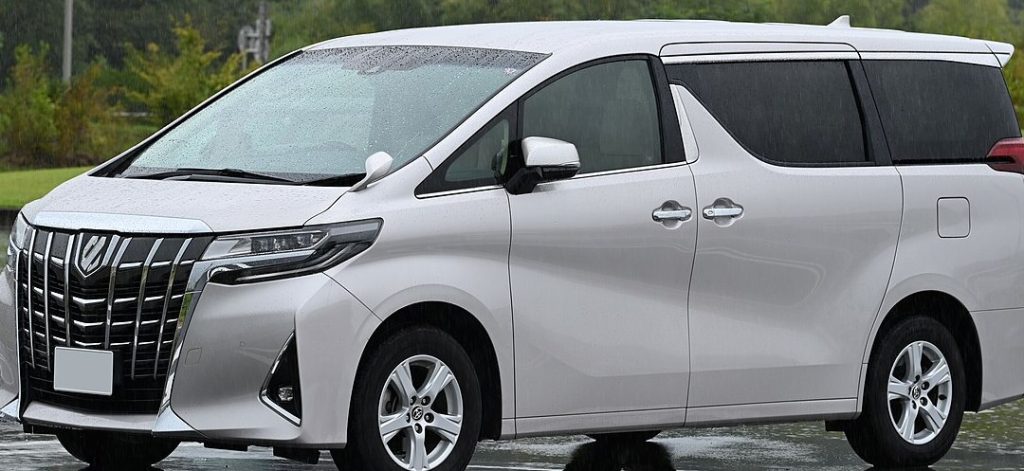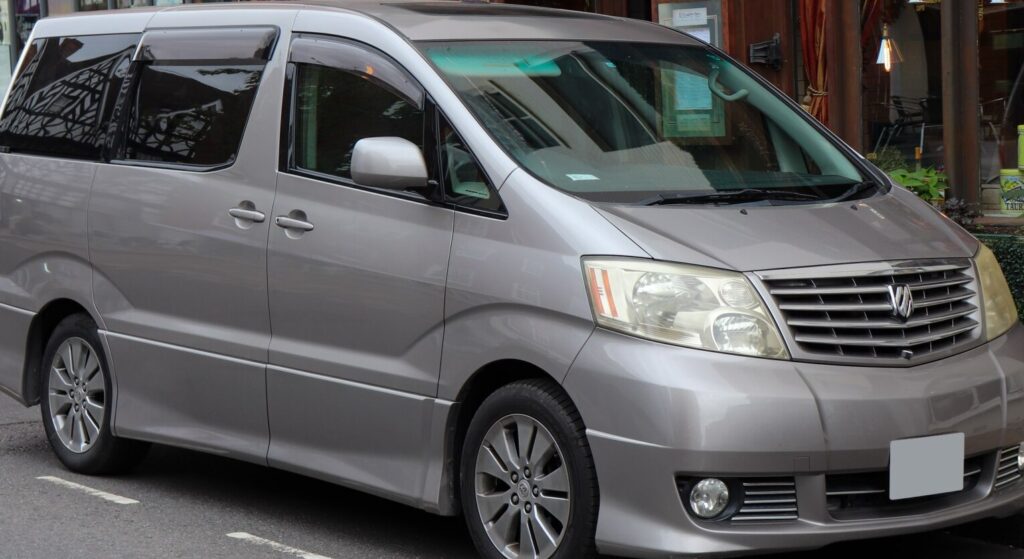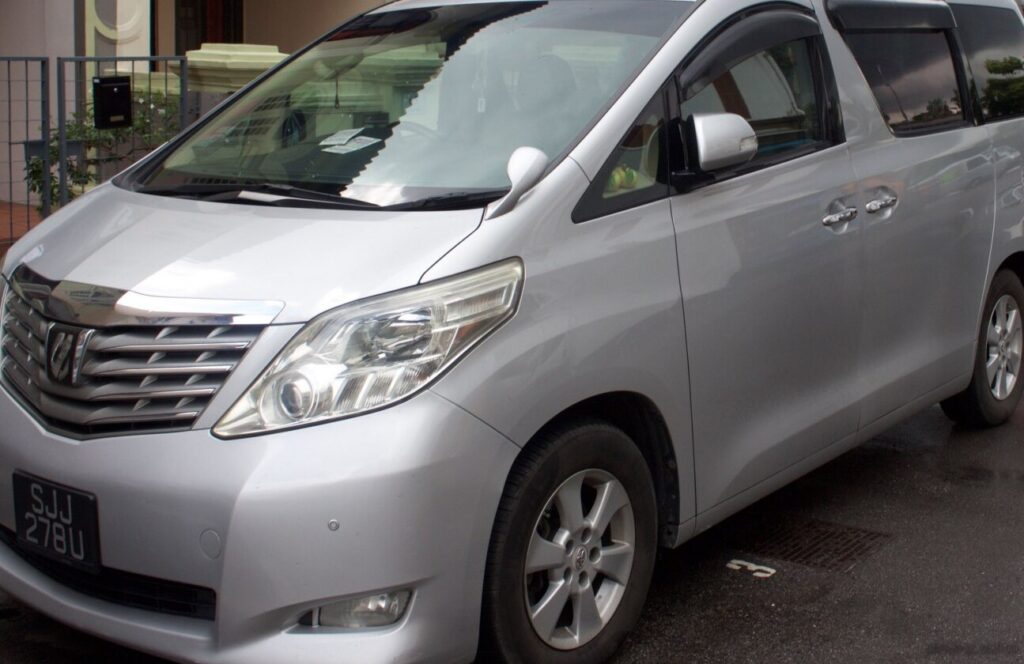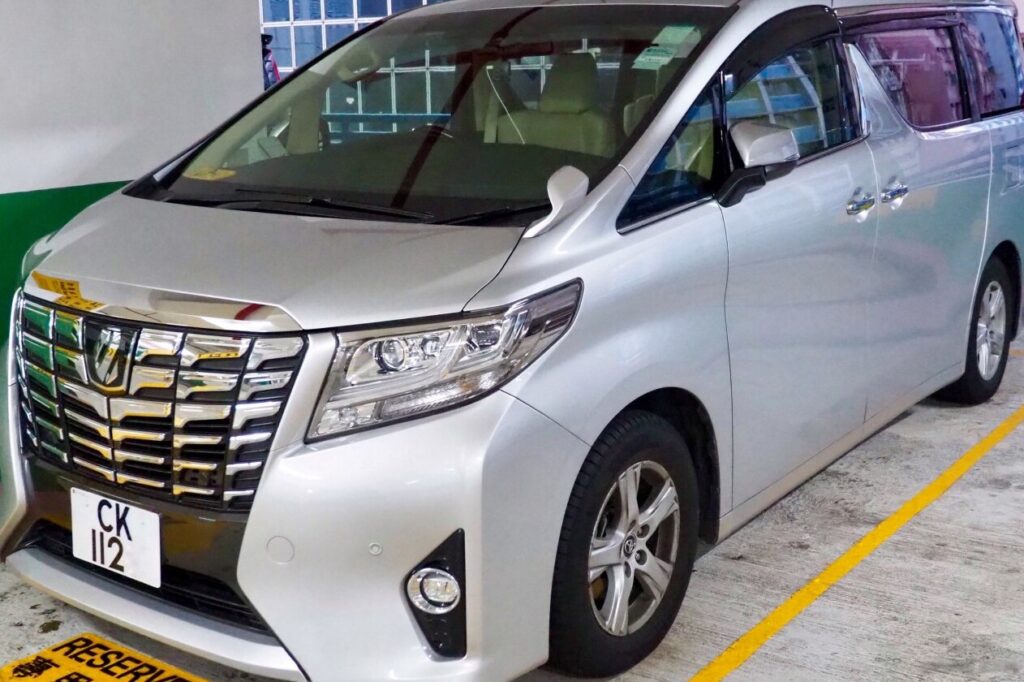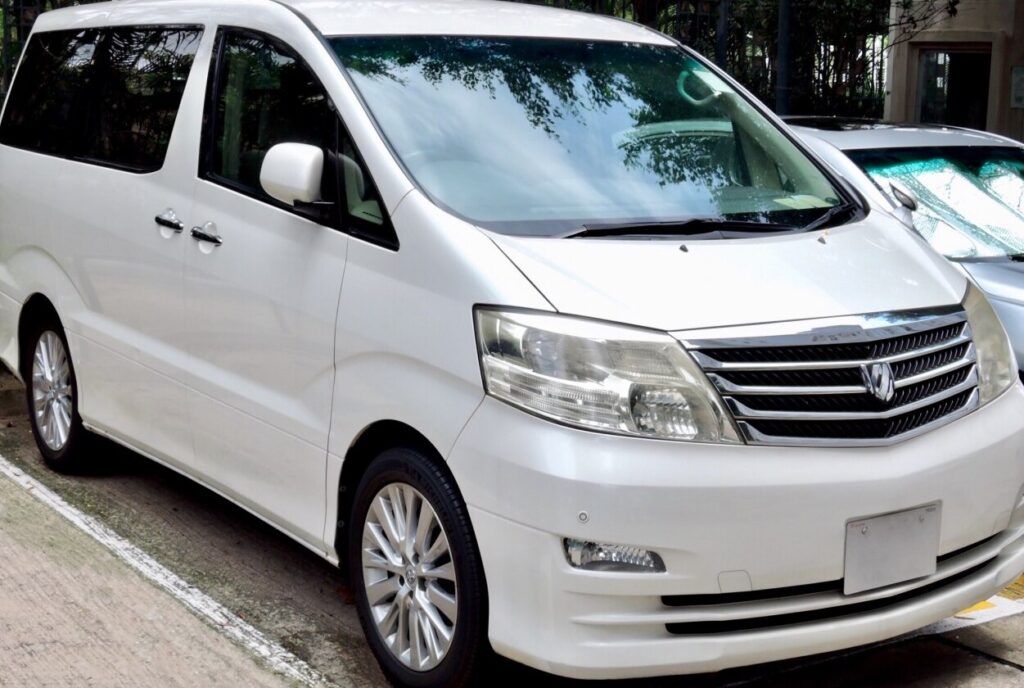
The Toyota Alphard, particularly the first generation (launched in 1997), represented a significant shift in the Japanese domestic market (JDM) towards luxury and spaciousness in the minivan segment. The facelifted version introduced in 2005, including the 3.0 i V6 4WD variant, refined this formula with updated styling and technology. Produced from 2005 to 2008, this specific configuration aimed to provide a premium experience for families and executive transport, blending comfort, performance, and all-weather capability. The Alphard quickly became a popular choice for those seeking a more upscale alternative to traditional vans, and while never officially sold in large numbers in the US, it has gained a following through grey market imports.
Technical Specifications
| Brand | Toyota |
| Model | Alphard |
| Generation | Alphard I (facelift 2005) |
| Type (Engine) | 3.0 i V6 (220 Hp) 4WD |
| Start of production | 2005 |
| End of production | 2008 |
| Powertrain Architecture | Internal Combustion engine |
| Body type | Minivan |
| Seats | 7 |
| Doors | 5 |
| Fuel Type | Petrol (Gasoline) |
| Power | 220 Hp @ 5800 rpm |
| Power per litre | 73.5 Hp/l |
| Torque | 304 Nm @ 4400 rpm / 224.22 lb.-ft. @ 4400 rpm |
| Engine layout | Front, Transverse |
| Engine Model/Code | 1MZ-FE |
| Engine displacement | 2995 cm3 / 182.77 cu. in. |
| Number of cylinders | 6 |
| Engine configuration | V-engine |
| Cylinder Bore | 87.5 mm / 3.44 in. |
| Piston Stroke | 83 mm / 3.27 in. |
| Compression ratio | 10.5:1 |
| Number of valves per cylinder | 4 |
| Fuel injection system | Multi-port manifold injection |
| Engine aspiration | Naturally aspirated engine |
| Valvetrain | DOHC |
| Engine oil capacity | 4.7 l / 4.97 US qt | 4.14 UK qt |
| Coolant | 11 l / 11.62 US qt | 9.68 UK qt |
| Fuel tank capacity | 70 l / 18.49 US gal | 15.4 UK gal |
| Length | 4865 mm / 191.54 in. |
| Width | 1830 mm / 72.05 in. |
| Height | 1935 mm / 76.18 in. |
| Wheelbase | 2900 mm / 114.17 in. |
| Front track | 1560 mm / 61.42 in. |
| Rear (Back) track | 1540 mm / 60.63 in. |
| Drivetrain Architecture | The Internal combustion engine (ICE) drives the front wheels permanently, and the rear wheels are driven through an electrically or mechanically operated clutch if necessary. |
| Drive wheel | All wheel drive (4×4) |
| Number of gears and type of gearbox | 5 gears, automatic transmission |
| Front suspension | Spring Strut |
| Rear suspension | Coil spring |
| Front brakes | Ventilated discs |
| Rear brakes | Disc |
| Tires size | 225/55 R17 |
Powertrain & Engine Architecture
The heart of the Alphard 3.0 i V6 4WD is the 1MZ-FE engine, a 3.0-liter naturally aspirated V6. This engine, a mainstay of Toyota’s lineup for many years, is known for its smoothness and relative reliability. The 1MZ-FE utilizes a cast iron block and aluminum cylinder heads, a common configuration for durability and weight reduction. It employs multi-port fuel injection, delivering fuel directly to each intake port for optimized combustion. The double overhead camshaft (DOHC) valvetrain, with four valves per cylinder, further enhances breathing and contributes to the engine’s power output. The 4-speed automatic transmission was chosen for its smooth operation and suitability for the Alphard’s intended use as a comfortable family vehicle. While not the most technologically advanced transmission, it was known for its dependability.
Driving Characteristics
The 220 horsepower and 224 lb-ft of torque provided by the 1MZ-FE engine, coupled with the all-wheel-drive system, offered a comfortable and capable driving experience. Acceleration was adequate for everyday driving, though not particularly sporty. The automatic transmission, while smooth, did contribute to a slightly less responsive feel compared to the manual transmission options available in other Alphard trims. The 4WD system provided enhanced traction in inclement weather, making it a practical choice for regions with snow or rain. The gear ratios were tuned for fuel efficiency and relaxed cruising, prioritizing comfort over outright performance. Compared to the 2.4-liter four-cylinder models, the 3.0L V6 offered a noticeable improvement in power and refinement, while the higher-output 3.5-liter V6 found in later models provided even more spirited performance.
Equipment & Trim Levels
The 3.0 i V6 4WD trim typically included a generous array of standard features. Interior appointments often featured comfortable cloth or leather upholstery, power-adjustable front seats, and woodgrain trim accents. Standard equipment also included air conditioning, power windows and locks, and a quality audio system. Optional extras could include features like a navigation system, rear entertainment system (a popular option for family buyers), and upgraded sound systems. The Alphard’s interior was designed with practicality in mind, offering flexible seating configurations and ample storage space. The 4WD models often featured unique exterior trim details, such as specific alloy wheel designs and badging.
Chassis & Braking
The Alphard’s chassis was designed to prioritize ride comfort and stability. The front suspension utilized a MacPherson strut setup, while the rear employed a coil spring arrangement. This configuration provided a comfortable ride, absorbing bumps and irregularities in the road surface effectively. The 3.0 i V6 4WD models were equipped with ventilated disc brakes at the front and solid disc brakes at the rear, providing adequate stopping power for the vehicle’s weight and performance. The all-wheel-drive system contributed to enhanced stability, particularly in slippery conditions. Stabilizer bars were fitted to both the front and rear axles to reduce body roll during cornering.
Market Reception & Comparison
The Alphard 3.0 i V6 4WD was generally well-received by Japanese consumers. Critics praised its spacious interior, comfortable ride, and refined engine. The all-wheel-drive system was seen as a valuable asset, particularly in regions prone to harsh weather. Compared to the lower-spec 2.4-liter models, the 3.0L V6 offered a significant upgrade in performance and refinement, justifying the higher price tag for many buyers. Fuel economy was reasonable for a vehicle of its size and class, though not exceptional. Reliability was also a strong point, with the 1MZ-FE engine proving to be a durable and dependable powerplant.
Legacy
The Toyota Alphard, and specifically the first generation facelift models like the 3.0 i V6 4WD, established a strong reputation for reliability and practicality. The 1MZ-FE engine, while now aging, remains a relatively robust unit when properly maintained. In the used car market, these Alphards are often sought after for their spaciousness and comfortable ride. Maintenance costs are generally reasonable, although finding parts can sometimes be a challenge outside of Japan. The Alphard’s influence can be seen in the subsequent generations of the model, which continue to build on its legacy of luxury, space, and dependability. The 3.0 i V6 4WD variant represents a sweet spot in the lineup, offering a good balance of performance, features, and value for those seeking a comfortable and capable minivan.