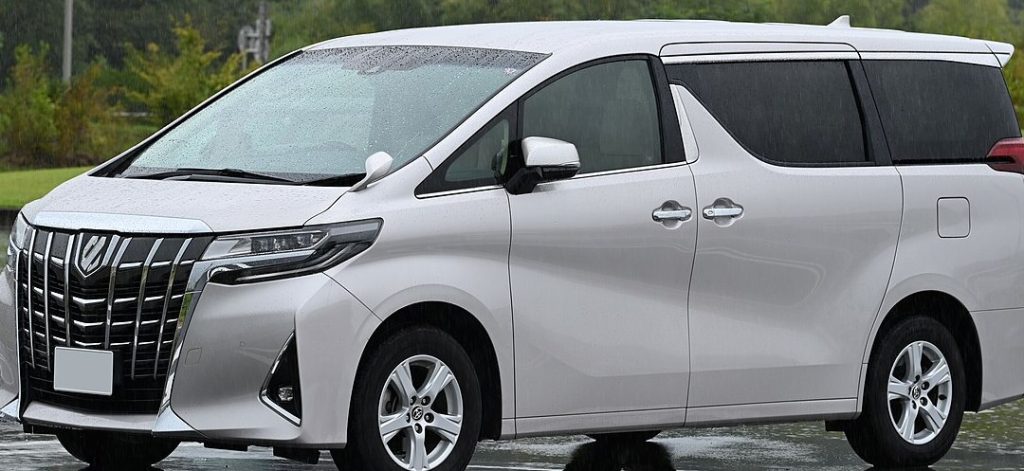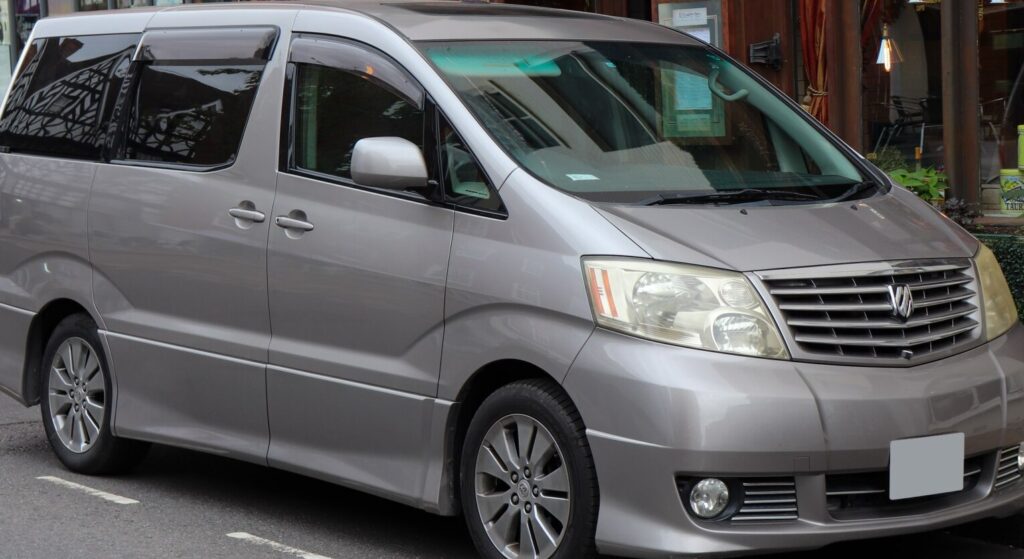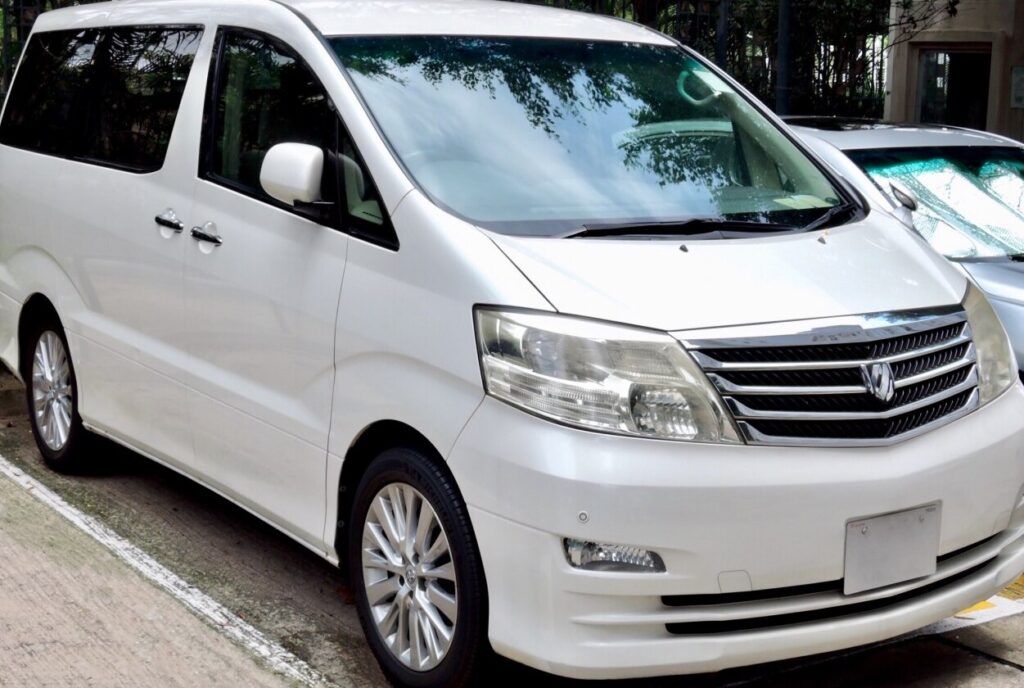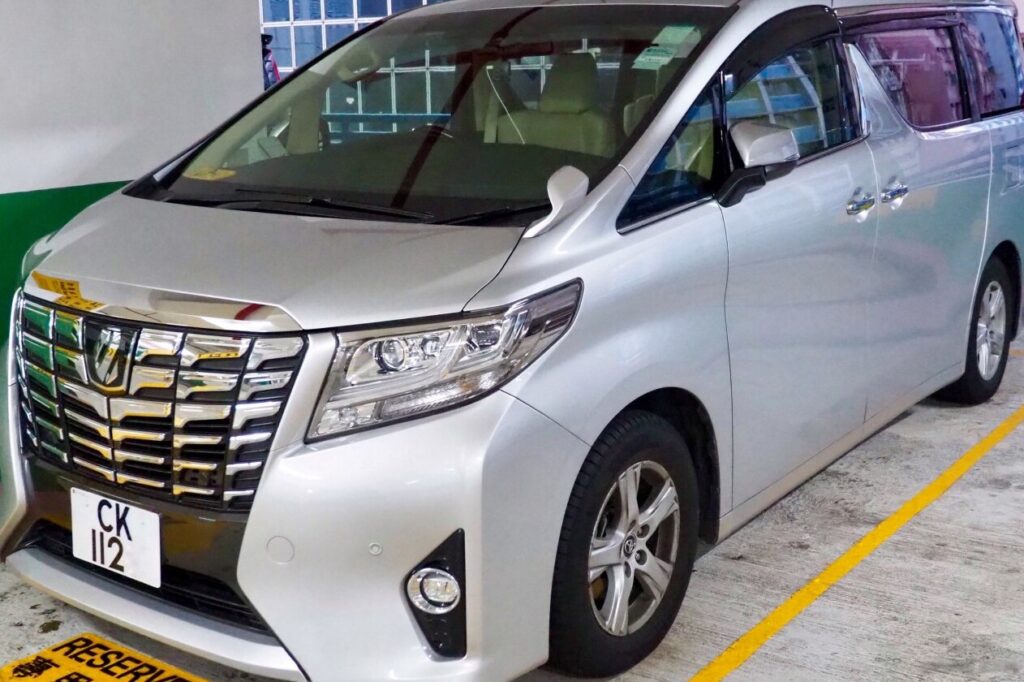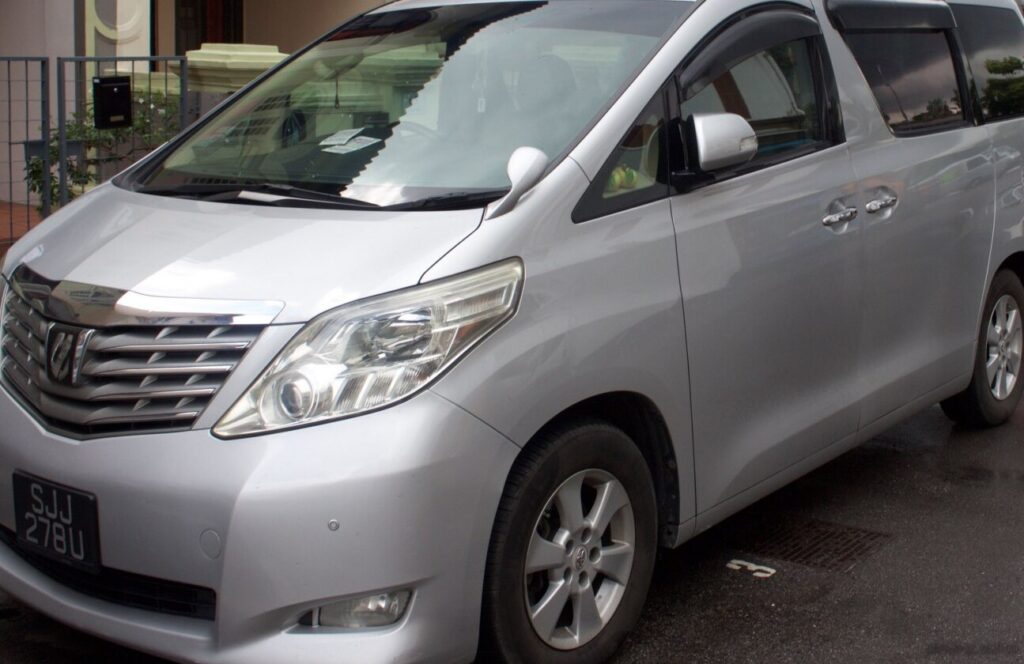
The Toyota Alphard II 3.5, produced between 2008 and 2011, represents a significant iteration of Toyota’s luxury minivan, primarily aimed at the Japanese domestic market (JDM). This generation, internally designated as the AH20, built upon the success of the first-generation Alphard, offering increased refinement, space, and a more powerful engine option in the 3.5-liter variant. The Alphard II catered to a demand for comfortable, spacious family transportation, often utilized for both personal use and as a high-end chauffeur-driven vehicle. It distinguished itself from competitors like the Honda Odyssey and Nissan Elgrand through its emphasis on luxury appointments and a smooth, quiet ride. The 3.5 model occupied the top end of the Alphard II lineup, offering a substantial performance upgrade over the 2.4-liter models.
Technical Specifications
| Brand | Toyota |
| Model | Alphard |
| Generation | Alphard II |
| Type (Engine) | 3.5 (280 Hp) |
| Start of production | 2008 |
| End of production | 2011 |
| Powertrain Architecture | Internal Combustion engine |
| Body type | Minivan |
| Seats | 7 |
| Doors | 5 |
| Fuel Type | Petrol (Gasoline) |
| Power | 280 Hp |
| Engine Model/Code | 2GR-FE |
| Engine aspiration | Naturally aspirated engine |
| Engine oil capacity | 6.1 l (6.45 US qt | 5.37 UK qt) |
| Coolant capacity | 10.6 l (11.2 US qt | 9.33 UK qt) |
| Fuel tank capacity | 65 l (17.17 US gal | 14.3 UK gal) |
| Drivetrain Architecture | Front wheel drive |
Powertrain & Engine Architecture
The heart of the Alphard II 3.5 is the 2GR-FE 3.5-liter V6 engine. This engine is a naturally aspirated, 24-valve DOHC powerplant, known for its smooth operation and reliability. It utilizes multi-port fuel injection and Toyota’s VVT-i (Variable Valve Timing-intelligent) system on both intake and exhaust camshafts, optimizing performance and fuel efficiency across the rev range. The 2GR-FE produces 280 horsepower and a substantial amount of torque, providing ample power for a vehicle of the Alphard’s size and weight. The engine’s block is constructed from aluminum alloy, contributing to weight savings. The transmission paired with the 3.5L engine is a six-speed automatic, designed to deliver smooth and responsive shifts. This transmission features electronically controlled torque converter lock-up, further enhancing fuel economy at cruising speeds. Unlike some competitors that offered all-wheel drive, the Alphard II 3.5 was primarily configured as a front-wheel drive vehicle, simplifying the drivetrain and reducing weight.
Driving Characteristics
The Alphard II 3.5 offers a driving experience focused on comfort and ease. The 280 hp engine provides brisk acceleration, especially considering the vehicle’s size. While not a sports minivan, it has sufficient power for highway merging and overtaking maneuvers. The six-speed automatic transmission is well-tuned, providing smooth gear changes and contributing to a relaxed driving experience. The front-wheel drive configuration contributes to a comfortable ride, absorbing bumps effectively. Compared to the 2.4-liter Alphard II models, the 3.5 offers a noticeable performance advantage, particularly when fully loaded with passengers and luggage. The gear ratios are optimized for cruising, allowing the engine to operate at lower RPMs at highway speeds, resulting in a quieter cabin and improved fuel economy. Steering is light and precise, making it easy to maneuver in urban environments, despite the vehicle’s considerable length.
Equipment & Trim Levels
The Alphard II 3.5 typically came equipped with a high level of standard features, reflecting its positioning as a luxury minivan. These included power-sliding doors, power rear tailgate, leather upholstery, woodgrain interior trim, automatic climate control, and a premium audio system. Higher trim levels added features such as a navigation system, rear entertainment system (often with dual LCD screens), and advanced safety features like a pre-collision system and lane keep assist. Interior upholstery options included various shades of leather, and the dashboard configuration was generally consistent across trim levels, with subtle variations in trim accents. Optional extras included upgraded audio systems, premium leather options, and various exterior styling enhancements.
Chassis & Braking
The Alphard II 3.5 utilizes a MacPherson strut front suspension and a torsion beam rear suspension. This setup provides a comfortable ride and predictable handling. The torsion beam rear suspension is a cost-effective solution that minimizes intrusion into the cargo area. Braking duties are handled by ventilated disc brakes on the front wheels and drum brakes on the rear wheels. Anti-lock braking system (ABS) and electronic brake-force distribution (EBD) are standard features, enhancing safety and control. Stabilizer bars are fitted to both the front and rear axles, reducing body roll during cornering. The chassis is designed to prioritize ride comfort and noise isolation, utilizing extensive sound deadening materials throughout the vehicle.
Market Reception & Comparison
The Alphard II 3.5 was well-received in the Japanese market, praised for its spacious interior, luxurious appointments, and smooth ride. Critics noted the engine’s ample power and the transmission’s seamless operation. Compared to the 2.4-liter models, the 3.5 offered a significant performance upgrade, but at a higher price point. Fuel economy was generally considered acceptable for a vehicle of its size and class, although it was not a primary selling point. Reliability was a strong suit, with the 2GR-FE engine proving to be exceptionally durable. The Alphard II 3.5 competed primarily with the Honda Odyssey and Nissan Elgrand, offering a more luxurious and refined experience than the Odyssey, and a more spacious interior than the Elgrand.
Legacy
The Alphard II 3.5 has maintained a strong reputation for reliability and durability in the used car market. The 2GR-FE engine is known for its longevity, and with proper maintenance, can easily exceed 200,000 miles. The minivan remains a popular choice for families and individuals seeking a spacious and comfortable vehicle. Parts availability is generally good, although some components may need to be imported from Japan depending on the location. The Alphard II 3.5 represents a high point in Toyota’s minivan development, offering a compelling combination of luxury, space, and reliability. Its continued presence on the roads today is a testament to its enduring quality and appeal.