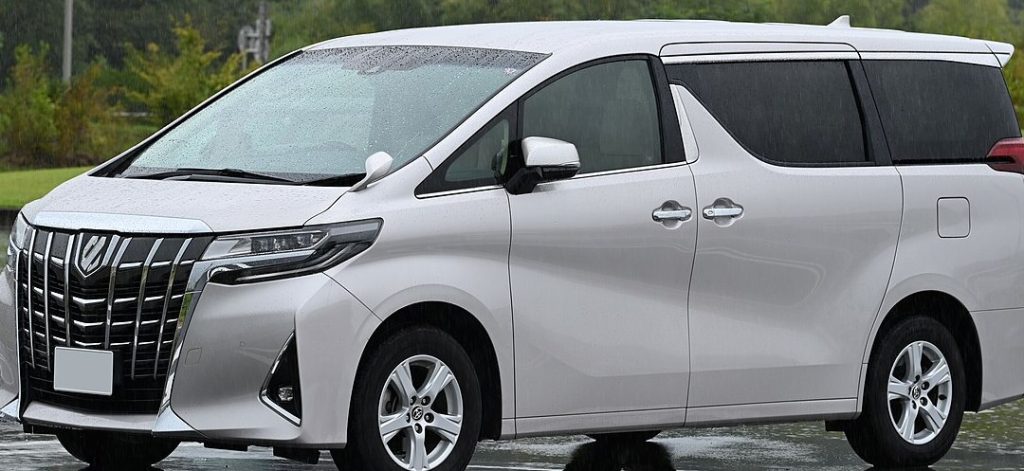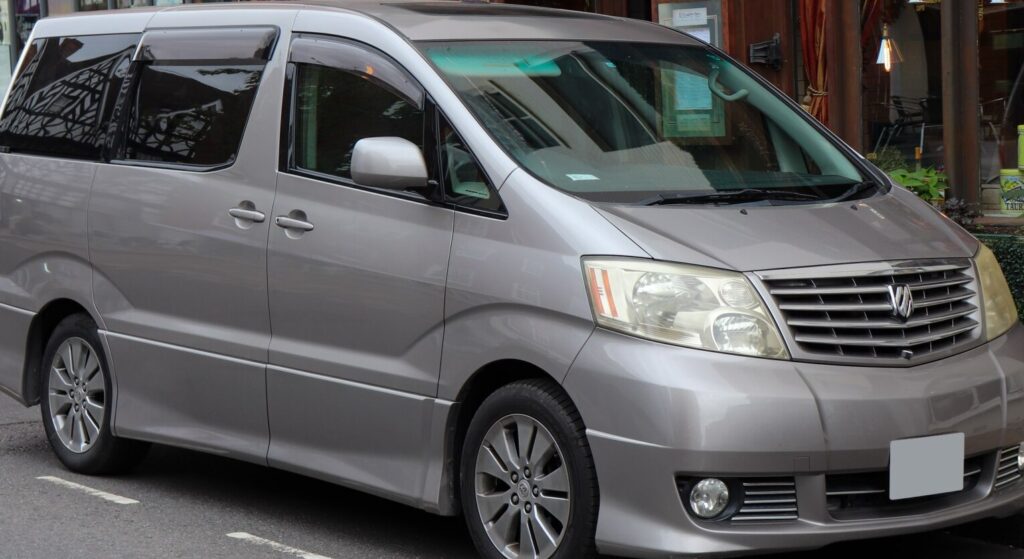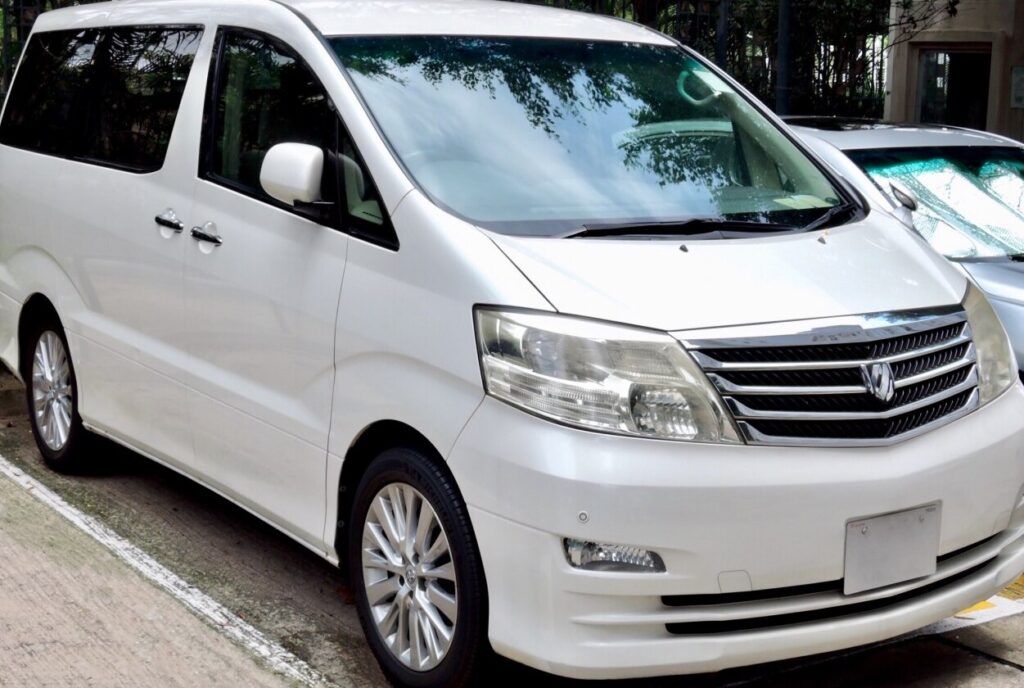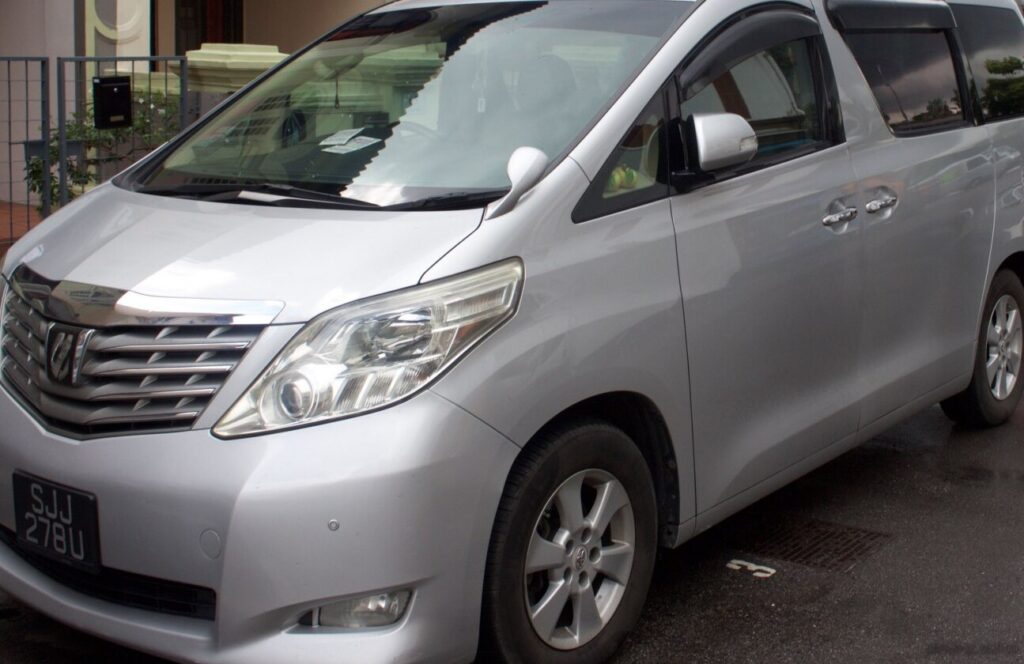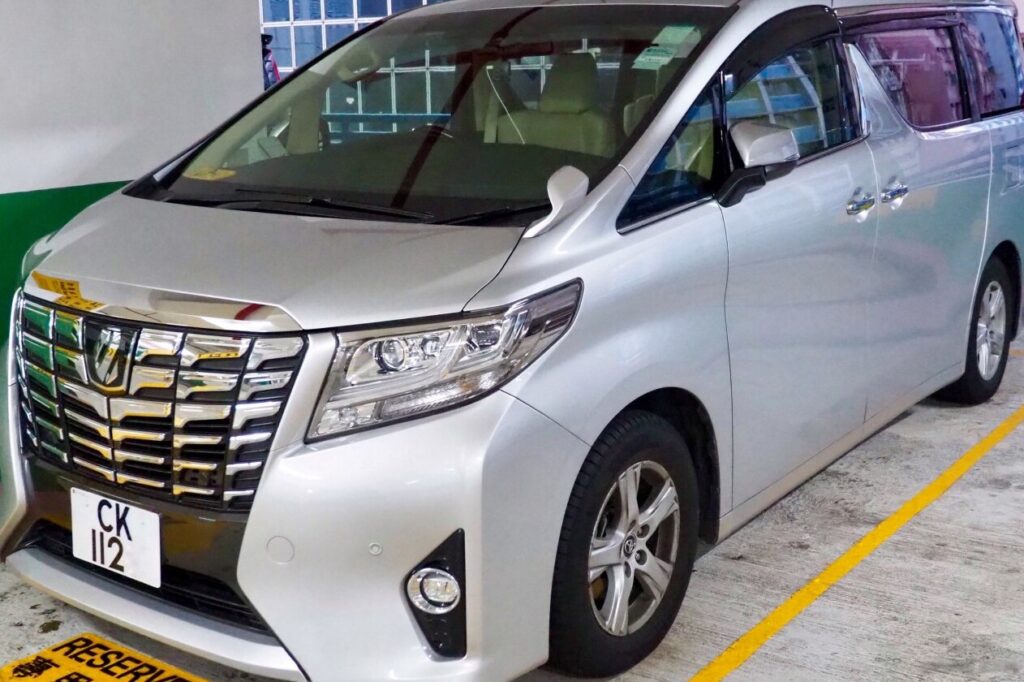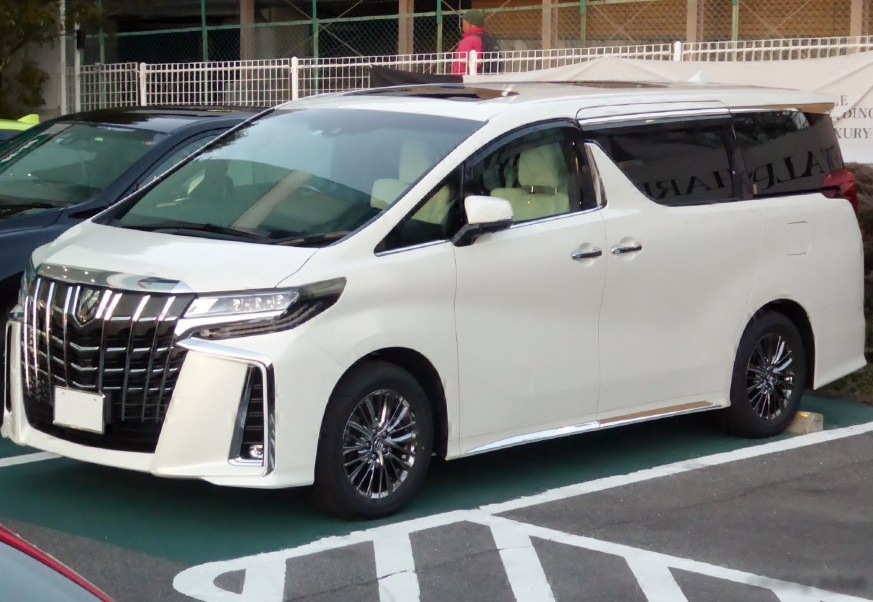
The Toyota Alphard III, specifically the facelifted version introduced in January 2018 and continuing through June 2023, represents a significant iteration of Toyota’s luxury minivan. The 2.5-liter (182 hp) variant equipped with a continuously variable transmission (CVT) occupied a crucial middle ground within the Alphard III lineup, offering a balance between performance, fuel efficiency, and affordability. This model was primarily aimed at the Japanese domestic market (JDM) and other Asian countries where large, comfortable minivans are highly sought after for family transportation and executive services. The facelift brought styling updates, enhanced safety features, and refinements to the interior, solidifying the Alphard’s position as a leading people mover.
Technical Specifications
| Brand | Toyota |
| Model | Alphard |
| Generation | Alphard III (facelift 2018) |
| Type (Engine) | 2.5 (182 Hp) CVT |
| Start of production | January, 2018 |
| End of production | June, 2023 |
| Powertrain Architecture | Internal Combustion engine |
| Body type | Minivan |
| Seats | 7 |
| Doors | 5 |
| Fuel Type | Petrol (Gasoline) |
| Weight-to-power ratio | 10.9 kg/Hp, 91.5 Hp/tonne |
| Weight-to-torque ratio | 8.5 kg/Nm, 118.1 Nm/tonne |
| Power | 182 Hp @ 6000 rpm |
| Power per litre | 73 Hp/l |
| Torque | 235 Nm @ 4100 rpm, 173.33 lb.-ft. @ 4100 rpm |
| Engine layout | Front, Transverse |
| Engine Model/Code | 2AR-FE |
| Engine displacement | 2493 cm3, 152.13 cu. in. |
| Number of cylinders | 4 |
| Engine configuration | Inline |
| Cylinder Bore | 90 mm, 3.54 in. |
| Piston Stroke | 98 mm, 3.86 in. |
| Number of valves per cylinder | 4 |
| Fuel injection system | Direct injection |
| Engine aspiration | Naturally aspirated engine |
| Engine oil capacity | 4.4 l, 4.65 US qt | 3.87 UK qt |
| Coolant | 9.3 l, 9.83 US qt | 8.18 UK qt |
| Kerb Weight | 1990 kg, 4387.2 lbs |
| Max. weight | 2375 kg, 5235.98 lbs |
| Max load | 385 kg, 848.78 lbs |
| Fuel tank capacity | 75 l, 19.81 US gal | 16.5 UK gal |
| Length | 4945 mm, 194.69 in |
| Width | 1850 mm, 72.83 in |
| Height | 1935 mm, 76.18 in |
| Wheelbase | 3000 mm, 118.11 in |
| Front track | 1600 mm, 62.99 in |
| Rear (Back) track | 1605 mm, 63.19 in |
| Ride height (ground clearance) | 160 mm, 6.3 in |
| Minimum turning circle (turning diameter) | 11.2 m, 36.75 ft |
| Drivetrain Architecture | The Internal combustion engine (ICE) drives the front wheels of the vehicle. |
| Drive wheel | Front wheel drive |
| Number of gears and type of gearbox | automatic transmission CVT-i |
| Front suspension | Independent, type McPherson with coil spring and anti-roll bar |
| Rear suspension | Independent multi-link spring suspension with stabilizer |
| Front brakes | Ventilated discs |
| Rear brakes | Ventilated discs |
| Assisting systems | ABS (Anti-lock braking system) |
| Steering type | Steering rack and pinion |
Powertrain & Engine Architecture
The heart of the Alphard 2.5 CVT is the 2AR-FE engine, a 2.5-liter inline-four cylinder gasoline engine. This engine utilizes direct fuel injection, a technology that improves fuel efficiency and power output by injecting fuel directly into the combustion chamber. The 2AR-FE features a dual VVT-i (Variable Valve Timing-intelligence) system, controlling both intake and exhaust valve timing for optimized performance across the rev range. The engine produces 182 horsepower at 6000 rpm and 235 Nm (173.33 lb-ft) of torque at 4100 rpm. Paired with this engine is Toyota’s CVT-i (Continuously Variable Transmission with intelligence) which provides smooth, stepless gear changes. This transmission is designed to maximize fuel economy and provide a comfortable driving experience. Unlike traditional automatic transmissions with fixed gear ratios, the CVT-i continuously adjusts the gear ratio to keep the engine operating at its most efficient point.
Driving Characteristics
The 2.5-liter Alphard CVT delivers a comfortable and refined driving experience, prioritizing smoothness over outright performance. Acceleration is adequate for everyday driving, but it won’t provide the briskness of the higher-output 3.5-liter V6 models. The CVT transmission contributes to this relaxed feel, eliminating noticeable gear shifts. However, under hard acceleration, the CVT can sometimes exhibit a “rubber band” effect, where engine revs climb without a corresponding increase in speed. Compared to Alphards equipped with the optional all-wheel drive system, the front-wheel-drive 2.5 CVT variant offers slightly better fuel economy. The steering is light and easy, making maneuvering in tight spaces effortless. The suspension is tuned for comfort, absorbing bumps and imperfections in the road effectively.
Equipment & Trim Levels
The 2.5-liter CVT trim of the Alphard III typically came well-equipped, reflecting its positioning as a luxury minivan. Standard features generally included automatic climate control, power-adjustable front seats, a touchscreen infotainment system with navigation, and a rearview camera. Higher trim levels within the 2.5 range offered upgrades such as leather upholstery, wood trim, a premium sound system, and advanced safety features like lane departure warning and adaptive cruise control. Optional extras often included a sunroof, power sliding doors, and individual rear seats with ottoman support, enhancing the comfort and convenience for passengers.
Chassis & Braking
The Alphard III utilizes a front-wheel-drive platform with an independent McPherson strut suspension in the front and an independent multi-link suspension in the rear. This suspension setup provides a comfortable ride and good handling characteristics. The 2.5-liter models typically featured ventilated disc brakes on all four wheels, providing adequate stopping power. Anti-lock Braking System (ABS) was standard, enhancing safety during emergency braking situations. The chassis was designed with a focus on minimizing noise, vibration, and harshness (NVH), contributing to the Alphard’s refined interior environment.
Market Reception & Comparison
The Alphard 2.5 CVT was generally well-received by critics and consumers alike. It was praised for its spacious interior, comfortable ride, and fuel efficiency. Compared to the more powerful 3.5-liter V6 models, the 2.5-liter variant offered a more affordable entry point into the Alphard lineup, making it accessible to a wider range of buyers. However, some reviewers noted that the 2.5-liter engine could feel underpowered when fully loaded with passengers and luggage. In terms of reliability, the 2AR-FE engine has a generally good reputation, although regular maintenance is crucial to ensure long-term durability. Fuel economy figures typically ranged around 10-12 liters per 100 kilometers (23-28 mpg) in mixed driving conditions.
Legacy
The Toyota Alphard III 2.5 CVT has established itself as a reliable and comfortable family vehicle in the used car market. Its spacious interior, smooth ride, and relatively good fuel economy continue to appeal to buyers seeking a practical and luxurious minivan. While not as sought after as the higher-performance V6 models, the 2.5-liter variant offers a compelling value proposition, particularly for those prioritizing comfort and efficiency over outright speed. The 2AR-FE engine, when properly maintained, is known for its longevity, making these Alphards a potentially good long-term investment. The Alphard’s continued popularity in the JDM market and its growing presence in other regions demonstrate its enduring appeal as a premium people mover.