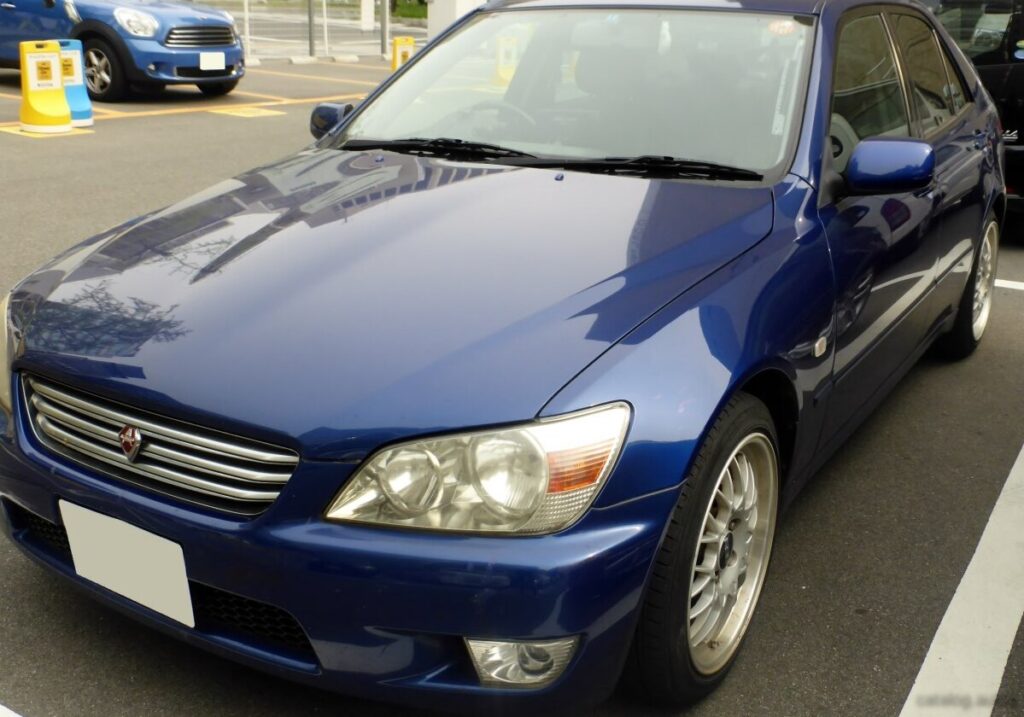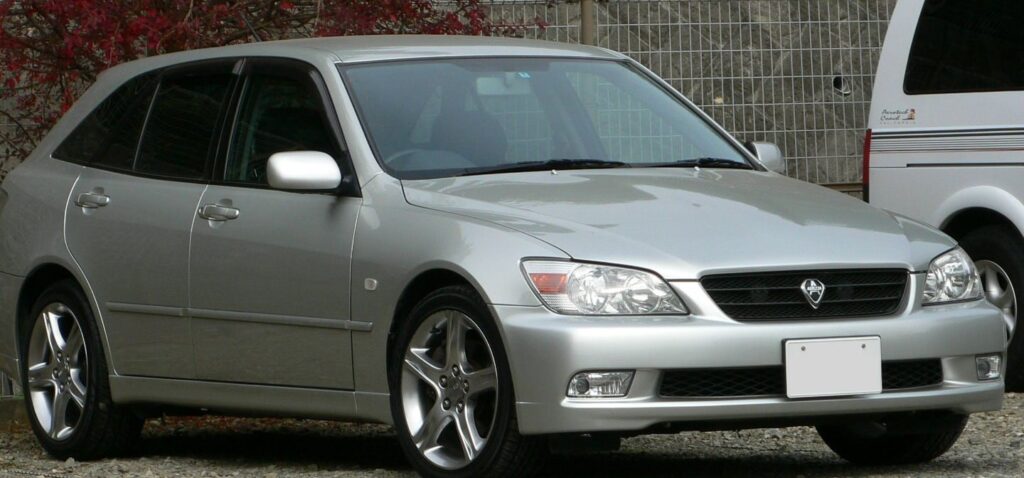
The Toyota Altezza Gita 3.0 i 24V, produced between 2001 and 2005, represents a unique offering within the broader Altezza (and Lexus IS) lineage. Positioned as the station wagon (estate) variant, the Gita aimed to provide a more practical and family-oriented alternative to the coupe and sedan body styles. This particular configuration, featuring the 2JZ-GE 3.0-liter inline-six engine paired with a five-speed automatic transmission, occupied a mid-to-upper range within the Gita lineup, offering a balance of performance and convenience. While the Altezza was primarily a Japanese domestic market (JDM) vehicle, the Gita was intended to appeal to buyers seeking a sporty yet versatile vehicle. It was never officially sold in the United States.
Technical Specifications
| Brand | Toyota |
| Model | Altezza |
| Generation | Altezza Gita |
| Type (Engine) | 3.0 i 24V (220 Hp) 5 Automatic |
| Start of production | 2001 year |
| End of production | 2005 year |
| Powertrain Architecture | Internal Combustion engine |
| Body type | Station wagon (estate) |
| Seats | 5 |
| Doors | 5 |
| Fuel consumption (urban) | 16 l/100 km (14.7 US mpg) |
| Fuel consumption (extra urban) | 8 l/100 km (29.4 US mpg) |
| Fuel Type | Petrol (Gasoline) |
| Acceleration 0 – 100 km/h | 8.5 sec |
| Acceleration 0 – 62 mph | 8.5 sec |
| Acceleration 0 – 60 mph | 8.1 sec |
| Maximum speed | 230 km/h (142.92 mph) |
| Weight-to-power ratio | 6.7 kg/Hp |
| Weight-to-torque ratio | 5 kg/Nm |
| Power | 220 Hp @ 5800 rpm |
| Torque | 294 Nm @ 3800 rpm (216.84 lb.-ft. @ 3800 rpm) |
| Engine layout | Front, Longitudinal |
| Engine Model/Code | 2JZ-GE |
| Engine displacement | 2997 cm3 (182.89 cu. in.) |
| Number of cylinders | 6 |
| Engine configuration | Inline |
| Cylinder Bore | 86 mm (3.39 in.) |
| Piston Stroke | 86 mm (3.39 in.) |
| Compression ratio | 10.5:1 |
| Number of valves per cylinder | 4 |
| Fuel injection system | Multi-port manifold injection |
| Engine aspiration | Naturally aspirated engine |
| Valvetrain | DOHC, VVT-i |
| Engine oil capacity | 5.4 l (5.71 US qt | 4.75 UK qt) |
| Coolant | 7.5 l (7.93 US qt | 6.6 UK qt) |
| Kerb Weight | 1470 kg (3240.8 lbs.) |
| Max. weight | 1745 kg (3847.07 lbs.) |
| Max load | 275 kg (606.27 lbs.) |
| Fuel tank capacity | 60 l (15.85 US gal | 13.2 UK gal) |
| Length | 4505 mm (177.36 in.) |
| Width | 1725 mm (67.91 in.) |
| Height | 1420 mm (55.91 in.) |
| Wheelbase | 2670 mm (105.12 in.) |
| Front track | 1495 mm (58.86 in.) |
| Rear track | 1475 mm (58.07 in.) |
| Ride height (ground clearance) | 135 mm (5.31 in.) |
| Minimum turning circle | 10.2 m (33.46 ft.) |
| Drivetrain Architecture | Rear wheel drive |
| Number of gears | 5 |
| Gearbox type | automatic transmission |
| Front suspension | Coil spring, Double wishbone |
| Rear suspension | Double wishbone, Coil spring |
| Front brakes | Ventilated discs |
| Rear brakes | Disc |
| Assisting systems | ABS (Anti-lock braking system) |
| Steering type | Steering rack and pinion |
| Power steering | Hydraulic Steering |
| Tires size | 215/45 17 |
| Wheel rims size | 7J x 17 |
Powertrain & Engine Architecture
The heart of the Altezza Gita 3.0 i is the 2JZ-GE engine, a 3.0-liter (2997 cc) inline-six cylinder powerplant. This engine is a naturally aspirated design, meaning it doesn’t utilize forced induction like a turbocharger or supercharger. It features a double overhead camshaft (DOHC) valvetrain with Toyota’s Variable Valve Timing-intelligent (VVT-i) system, which optimizes valve timing for improved performance and fuel efficiency across the engine’s operating range. The 2JZ-GE employs multi-port fuel injection, delivering fuel directly to each cylinder. The engine produces 220 horsepower at 5800 rpm and 294 Nm (216.84 lb-ft) of torque at 3800 rpm. The five-speed automatic transmission was a common choice for buyers prioritizing ease of use over ultimate driver engagement. This transmission featured electronically controlled torque converter lock-up for improved fuel economy at highway speeds.
Driving Characteristics
The 3.0-liter engine and automatic transmission combination in the Altezza Gita provided a smooth and refined driving experience. While not as overtly sporty as the manual transmission variants or the higher-performance models, the automatic offered effortless cruising and adequate acceleration. The 0-60 mph time of around 8.1 seconds and a top speed of 142.92 mph were respectable for its time. The automatic transmission’s gear ratios were tuned for a balance of acceleration and fuel economy. Compared to the manual transmission, the automatic sacrificed some responsiveness, but it made the Gita more accessible to a wider range of drivers. The rear-wheel-drive layout contributed to balanced handling, although the Gita’s weight (1470 kg / 3240.8 lbs) was noticeable in cornering.
Equipment & Trim Levels
The Altezza Gita 3.0 i typically came equipped with a reasonable level of standard features. Interior appointments included cloth or leather upholstery (depending on options), power windows and locks, and air conditioning. Higher trim levels offered features such as a sunroof, upgraded audio systems, and woodgrain interior trim. Safety features included ABS brakes and dual front airbags. Optional extras included navigation systems, premium sound systems, and automatic climate control. The Gita generally offered a more comfortable and well-equipped interior compared to the base model Altezza.
Chassis & Braking
The Altezza Gita utilized a MacPherson strut front suspension and a double wishbone rear suspension, providing a comfortable ride and predictable handling. The front suspension featured coil springs and stabilizer bar, while the rear suspension also employed coil springs. Braking duties were handled by ventilated discs at the front and solid discs at the rear. The ABS system helped to maintain steering control during hard braking. The Gita’s chassis was designed to provide a balance of rigidity and weight reduction, contributing to its overall handling characteristics.
Market Reception & Comparison
The Altezza Gita 3.0 i was generally well-received in the Japanese market as a practical and stylish alternative to traditional station wagons. Critics praised its comfortable ride, refined engine, and spacious interior. However, some reviewers noted that the automatic transmission dulled the driving experience compared to the manual versions. Fuel economy was considered average for a vehicle in its class. Compared to other trims, the 3.0-liter engine offered a significant performance advantage over the smaller 1.8-liter and 2.0-liter engines, but it came at the cost of slightly higher fuel consumption. The Gita’s station wagon body style also appealed to a different demographic than the coupe and sedan models.
Legacy
The Toyota Altezza Gita, and particularly the 3.0 i variant, has gained a following among enthusiasts for its reliable engine, comfortable ride, and unique styling. The 2JZ-GE engine is known for its durability and potential for modification. While the Gita was never officially sold in the US, it has been imported by enthusiasts. Today, well-maintained examples of the Altezza Gita 3.0 i are sought after by collectors and drivers who appreciate its blend of practicality, performance, and Japanese engineering. The car’s relative rarity and unique body style contribute to its enduring appeal in the used car market.