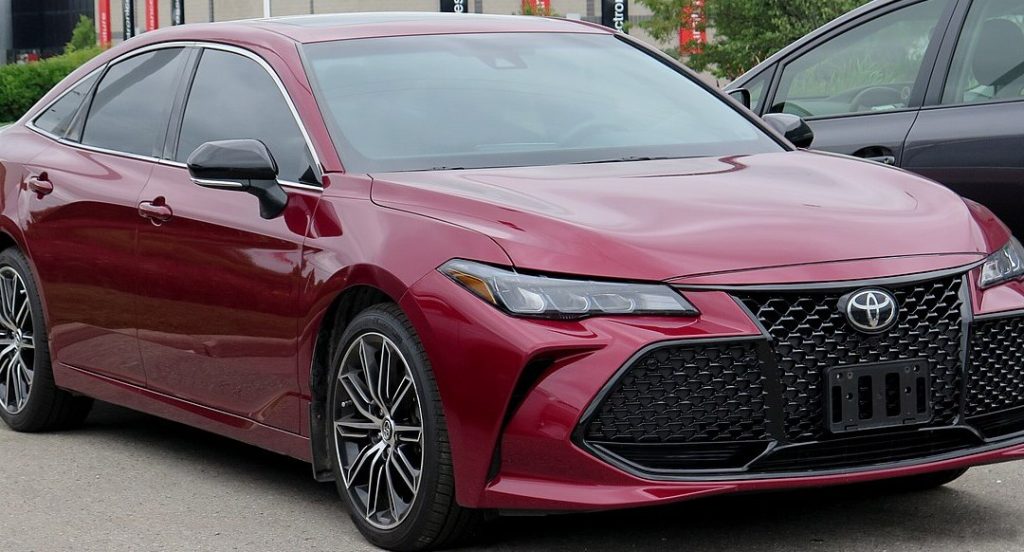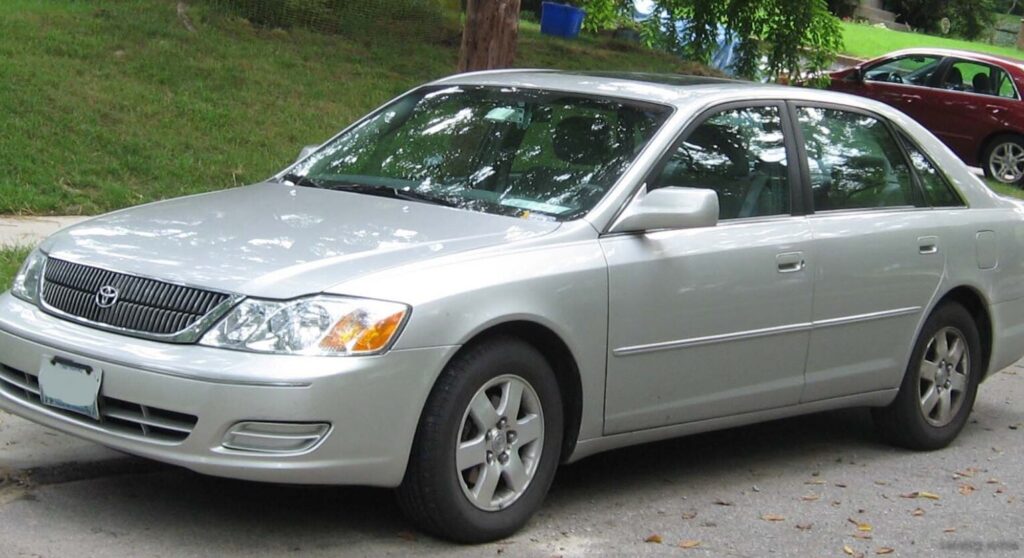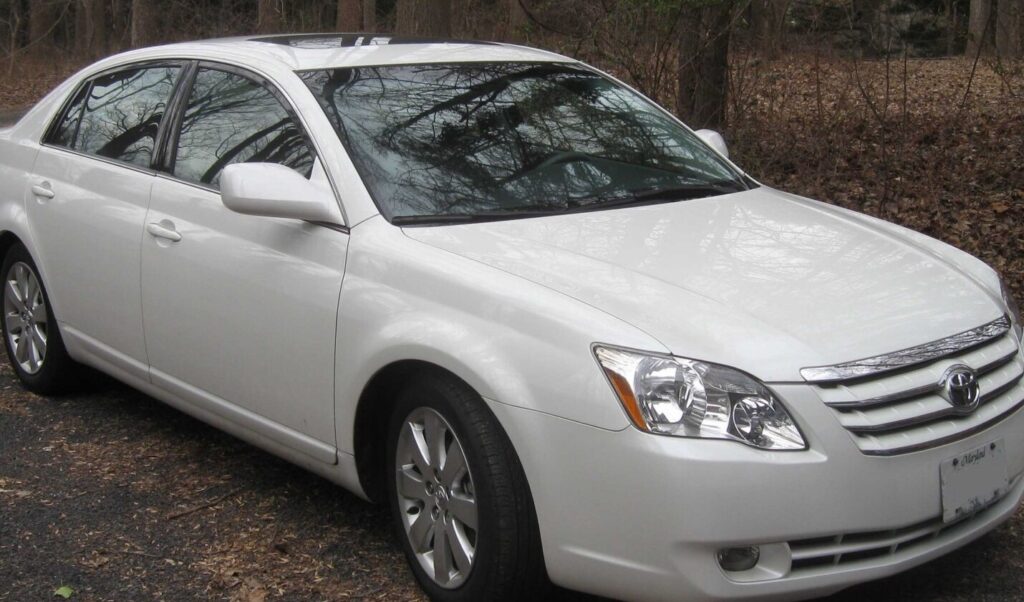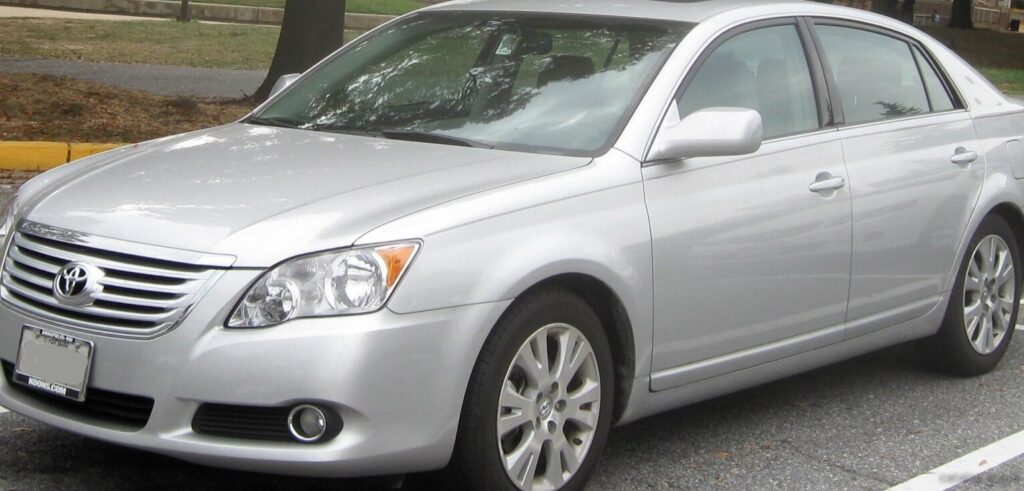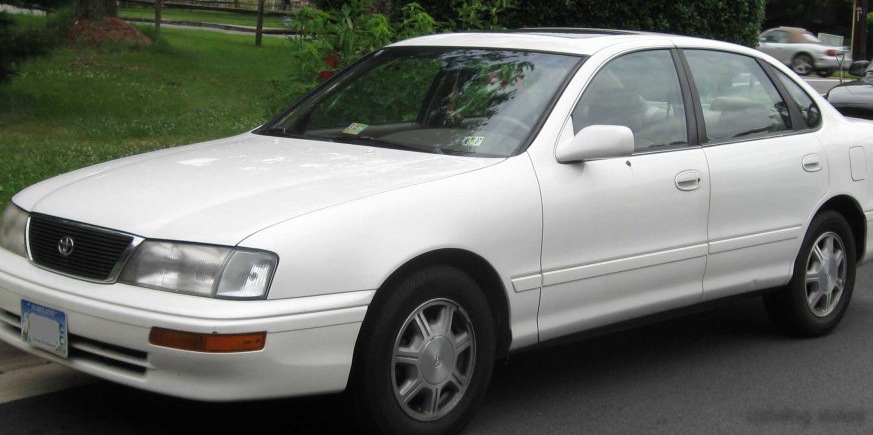
The Toyota Avalon 3.0 i V6 24V, produced from 1994 to 2000, represented Toyota’s entry into the full-size sedan market in North America. Positioned as a more luxurious and spacious alternative to the Camry, the Avalon aimed to compete with American domestic brands like Buick and Ford. This particular variant, equipped with the 3.0-liter V6 engine and a four-speed automatic transmission, served as a core offering within the first generation (XV20) Avalon lineup, balancing performance with comfort and convenience. It was designed to appeal to buyers seeking a refined driving experience without the higher price tag of luxury imports.
Technical Specifications
| Brand | Toyota |
| Model | Avalon |
| Generation | Avalon (XV20) |
| Type (Engine) | 3.0 i V6 24V (200 Hp) |
| Start of production | 1994 |
| End of production | 2000 |
| Powertrain Architecture | Internal Combustion engine |
| Body type | Sedan |
| Seats | 5 |
| Doors | 4 |
| Fuel consumption (combined) | 10.5 l/100 km (22.4 US mpg, 26.9 UK mpg, 9.5 km/l) |
| Fuel Type | Petrol (Gasoline) |
| Weight-to-power ratio | 7.4 kg/Hp, 136.1 Hp/tonne |
| Weight-to-torque ratio | 5.2 kg/Nm, 193.2 Nm/tonne |
| Power | 200 Hp @ 5400 rpm |
| Power per litre | 66.8 Hp/l |
| Torque | 284 Nm @ 4400 rpm (209.47 lb.-ft. @ 4400 rpm) |
| Engine layout | Front, Transverse |
| Engine Model/Code | 1MZ-FE |
| Engine displacement | 2994 cm3 (182.71 cu. in.) |
| Number of cylinders | 6 |
| Engine configuration | V-engine |
| Cylinder Bore | 87.5 mm (3.44 in.) |
| Piston Stroke | 83 mm (3.27 in.) |
| Compression ratio | 10.5:1 |
| Number of valves per cylinder | 4 |
| Fuel injection system | Multi-port manifold injection |
| Engine aspiration | Naturally aspirated engine |
| Valvetrain | DOHC |
| Engine oil capacity | 4.7 l (4.97 US qt | 4.14 UK qt) |
| Coolant capacity | 9.3 l (9.83 US qt | 8.18 UK qt) |
| Kerb Weight | 1470 kg (3240.8 lbs.) |
| Max. weight | 1745 kg (3847.07 lbs.) |
| Max load | 275 kg (606.27 lbs.) |
| Fuel tank capacity | 70 l (18.49 US gal | 15.4 UK gal) |
| Length | 4845 mm (190.75 in.) |
| Width | 1785 mm (70.28 in.) |
| Height | 1435 mm (56.5 in.) |
| Wheelbase | 2720 mm (107.09 in.) |
| Front track | 1545 mm (60.83 in.) |
| Rear track | 1520 mm (59.84 in.) |
| Drivetrain Architecture | Front wheel drive, Internal Combustion engine |
| Drive wheel | Front wheel drive |
| Number of gears | 4 |
| Gearbox type | Automatic transmission |
| Front suspension | Double wishbone |
| Rear suspension | Double wishbone |
| Front brakes | Ventilated discs |
| Rear brakes | Disc |
| Assisting systems | ABS (Anti-lock braking system) |
| Steering type | Steering rack and pinion |
| Power steering | Hydraulic Steering |
| Tires size | 205/65 R15 H |
Powertrain & Engine Architecture
The heart of the Avalon 3.0 i was the 1MZ-FE engine, a 3.0-liter, 60-degree V6. This engine featured a cast-iron block with an aluminum cylinder head, employing dual overhead camshafts (DOHC) and four valves per cylinder. The multi-port fuel injection system delivered fuel directly to each intake port, optimizing combustion efficiency. The 1MZ-FE was known for its smooth operation and relatively quiet demeanor. Paired with this engine was a four-speed automatic transmission, designed for comfortable cruising rather than sporty acceleration. This transmission featured electronically controlled torque converter lock-up for improved fuel economy at highway speeds. The transmission’s gear ratios were tuned for relaxed acceleration and smooth shifts, prioritizing comfort over aggressive performance.
Driving Characteristics
The 200 horsepower and 209 lb-ft of torque provided by the 3.0-liter V6 and automatic transmission combination delivered adequate, but not exhilarating, performance. Acceleration from 0 to 60 mph typically took around 8-9 seconds. Compared to the later, more powerful Avalon trims (like those with the 3.4-liter engine), this variant felt noticeably less responsive. The automatic transmission, while smooth, could sometimes feel hesitant during quick overtaking maneuvers. However, for everyday driving and highway cruising, the 3.0-liter offered a comfortable and refined experience. Fuel economy was a strong point, averaging around 22 mpg in combined driving conditions.
Equipment & Trim Levels
The 3.0 i V6 Automatic Avalon typically came standard with features like air conditioning, power windows and locks, cruise control, and an AM/FM stereo with cassette player. Higher trim levels, such as the XLS, added features like leather upholstery, a power driver’s seat, upgraded sound systems, and alloy wheels. Optional extras included a sunroof, CD player, and traction control. The interior design focused on spaciousness and comfort, with ample legroom for both front and rear passengers. The dashboard layout was straightforward and functional, prioritizing ease of use.
Chassis & Braking
The Avalon utilized a front-engine, front-wheel-drive layout. The suspension consisted of independent double wishbone setups at both the front and rear, providing a comfortable ride quality. The front brakes were ventilated discs, while the rear brakes were solid discs. Anti-lock braking system (ABS) was standard, enhancing safety and control during emergency braking situations. The steering was rack-and-pinion with hydraulic power assist, offering light and precise steering feel. The relatively heavy curb weight of around 3240 lbs contributed to the car’s stable handling characteristics.
Market Reception & Comparison
Critics generally praised the first-generation Avalon for its spacious interior, comfortable ride, and smooth engine. However, the 3.0-liter V6 automatic combination was sometimes criticized for its lack of outright performance compared to competitors. The Camry, while smaller, offered a more engaging driving experience and better fuel economy in its base configurations. The 3.4-liter Avalon variants provided a significant performance upgrade, but at a higher price point. The 3.0 i V6 Automatic appealed to buyers who prioritized comfort and reliability over sporty handling and quick acceleration.
Legacy
The 1MZ-FE engine proved to be remarkably durable and reliable, with many examples exceeding 200,000 miles with proper maintenance. The four-speed automatic transmission, while not the most technologically advanced, also demonstrated good longevity. Today, the Avalon 3.0 i V6 Automatic is considered a dependable and affordable used car. Its spacious interior and comfortable ride continue to appeal to buyers seeking a practical and reliable full-size sedan. While not a collector’s item, well-maintained examples are increasingly appreciated for their classic Toyota build quality and understated elegance. Common maintenance issues include timing belt replacement (typically recommended every 90,000 miles) and potential oil leaks as the engine ages.