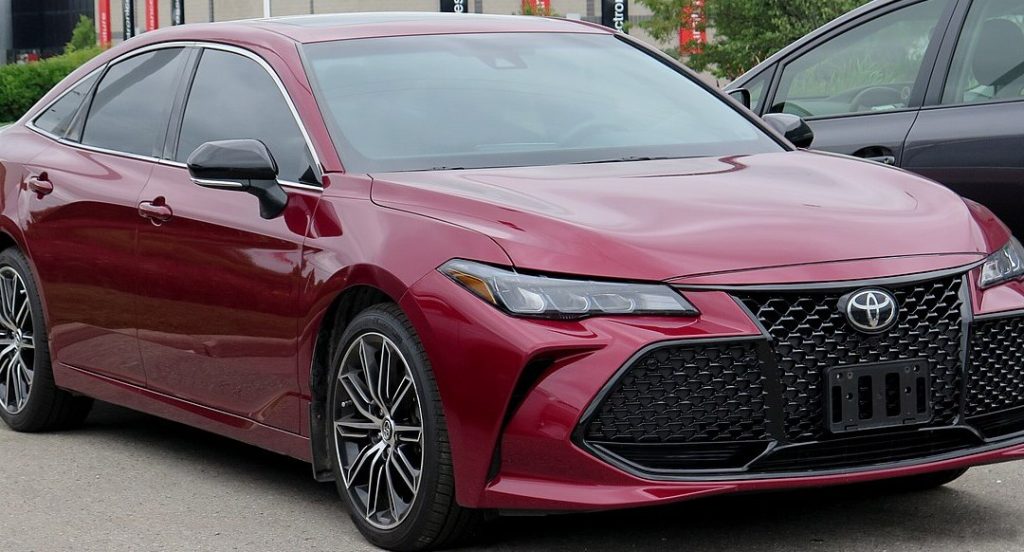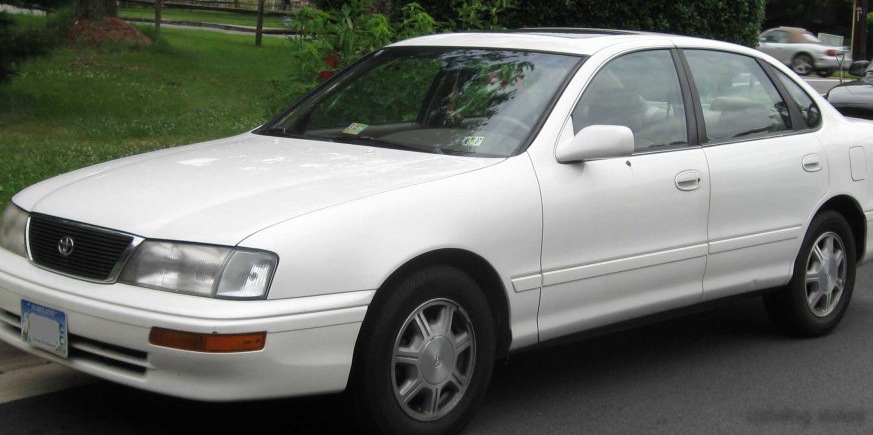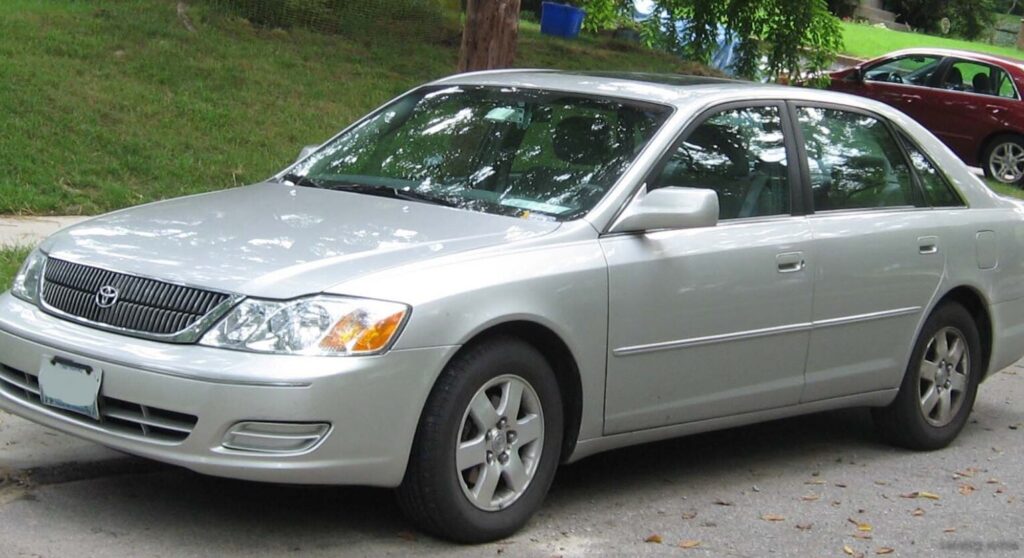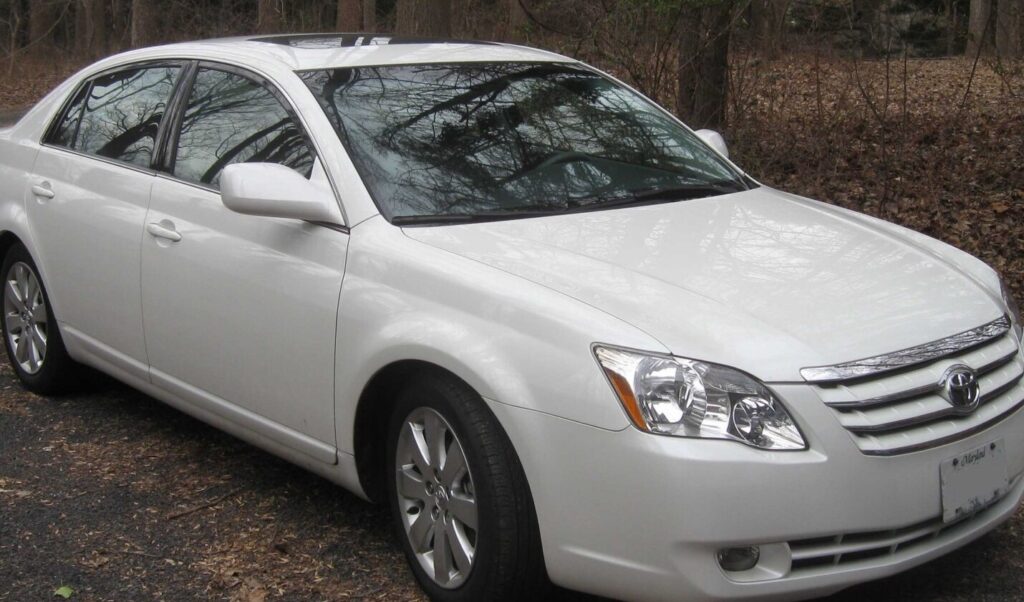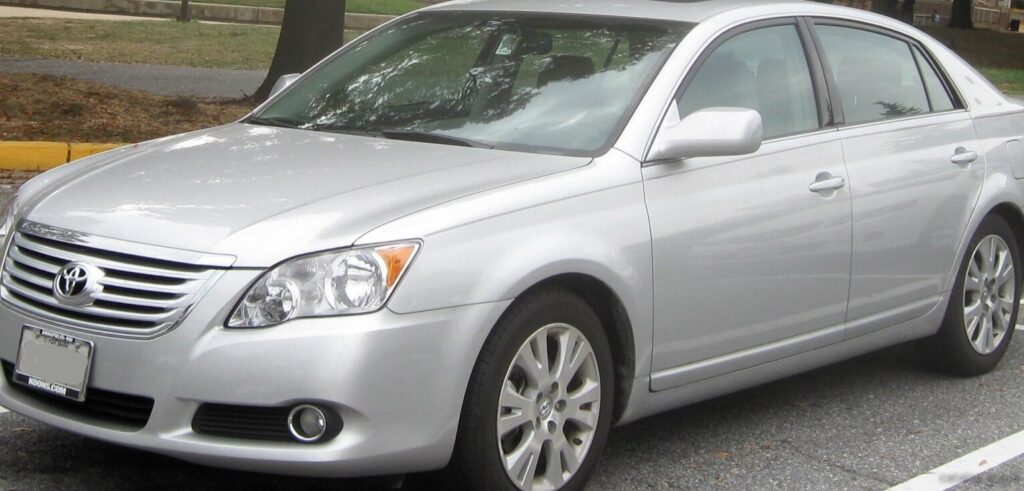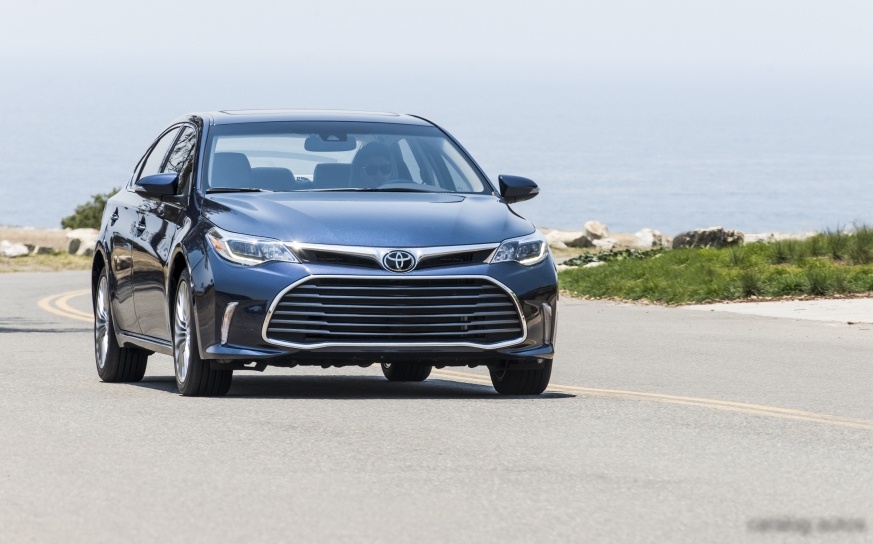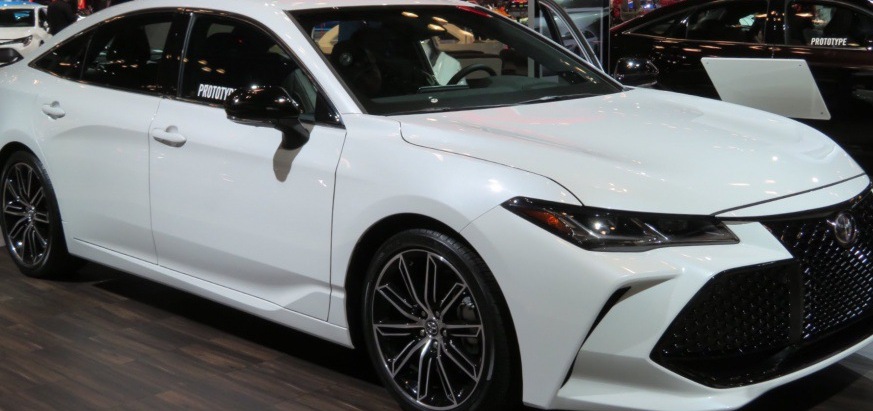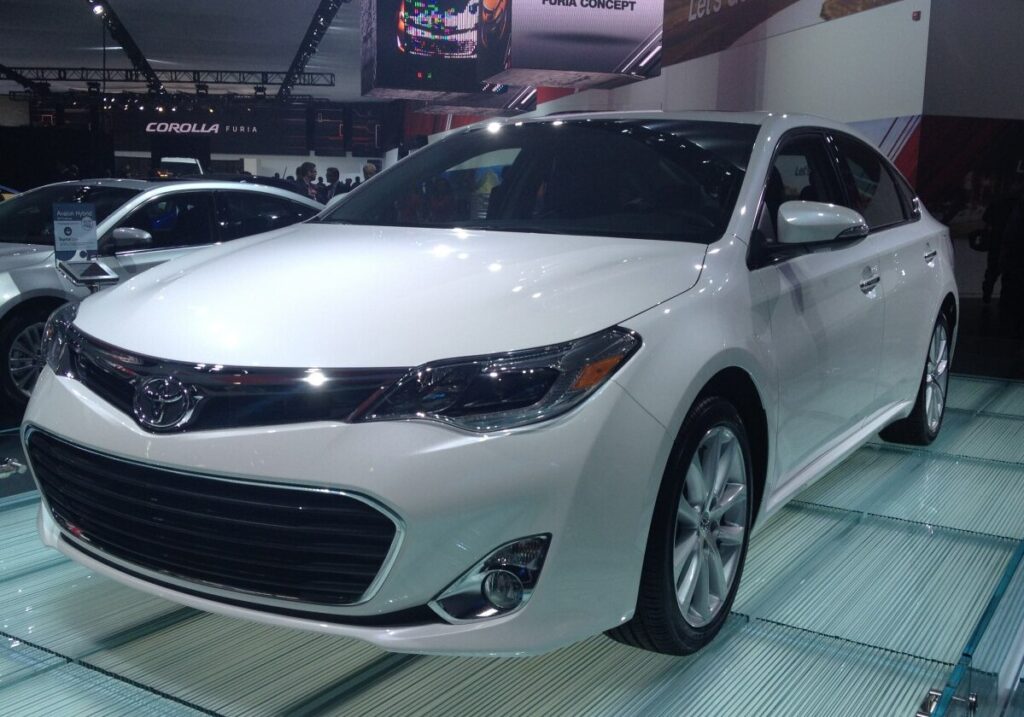
The Toyota Avalon IV, produced from November 2012 to February 2015, represented the fourth generation of Toyota’s full-size sedan. Positioned above the Camry, the Avalon aimed to deliver a more luxurious and refined experience for American buyers. The 3.5 V6 variant, equipped with the ECT-i automatic transmission, served as the primary offering throughout the generation, providing a balance of performance and fuel efficiency. This model played a crucial role in establishing the Avalon as a legitimate competitor to established luxury sedans from Buick and Chrysler in the US market.
Technical Specifications
| Brand | Toyota |
| Model | Avalon |
| Generation | Avalon IV |
| Type (Engine) | 3.5 V6 (268 Hp) ECT-i |
| Start of production | November, 2012 |
| End of production | February, 2015 |
| Powertrain Architecture | Internal Combustion engine |
| Body type | Sedan |
| Seats | 5 |
| Doors | 4 |
| Fuel consumption (urban) | 11.2 l/100 km (21 US mpg) |
| Fuel consumption (extra urban) | 7.6 l/100 km (30.9 US mpg) |
| Fuel consumption (combined) | 9.8 l/100 km (24 US mpg) |
| Fuel Type | Petrol (Gasoline) |
| Emission standard | ULEV |
| Weight-to-power ratio | 5.9 kg/Hp |
| Weight-to-torque ratio | 4.7 kg/Nm |
| Power | 268 Hp @ 6200 rpm |
| Power per litre | 77.5 Hp/l |
| Torque | 336 Nm @ 4700 rpm (247.82 lb.-ft. @ 4700 rpm) |
| Engine layout | Front, Transverse |
| Engine Model/Code | 2GR-FE |
| Engine displacement | 3456 cm3 (210.9 cu. in.) |
| Number of cylinders | 6 |
| Engine configuration | V-engine |
| Number of valves per cylinder | 4 |
| Engine aspiration | Naturally aspirated engine |
| Valvetrain | DOHC, VVT-i |
| Engine oil capacity | 6.1 l (6.45 US qt | 5.37 UK qt) |
| Coolant | 9.2 l (9.72 US qt | 8.09 UK qt) |
| Kerb Weight | 1570-1605 kg (3461.26 – 3538.42 lbs.) |
| Trunk (boot) space | 453 l (16 cu. ft.) |
| Fuel tank capacity | 64 l (16.91 US gal | 14.08 UK gal) |
| Length | 4961 mm (195.31 in.) |
| Width | 1834 mm (72.2 in.) |
| Height | 1461 mm (57.52 in.) |
| Wheelbase | 2819 mm (110.98 in.) |
| Front track | 1590 mm (62.6 in.) |
| Rear track | 1580 mm (62.2 in.) |
| Ride height (ground clearance) | 140 mm (5.51 in.) |
| Drag coefficient (Cd) | 0.28 |
| Minimum turning circle | 12.2 m (40.03 ft.) |
| Drivetrain Architecture | Front wheel drive |
| Drive wheel | Front wheel drive |
| Number of gears | 6 |
| Gearbox type | automatic transmission ECT-i |
| Front suspension | Independent, type McPherson with coil spring and anti-roll bar |
| Rear suspension | McPherson, Transverse stabilizer |
| Front brakes | Ventilated discs, 295.91 mm |
| Rear brakes | Disc, 279.4 mm |
| Assisting systems | ABS (Anti-lock braking system) |
| Steering type | Steering rack and pinion |
| Power steering | Electric Steering |
| Tires size | 215/55 R17; 225/45 R18 |
| Wheel rims size | 17; 18 |
INTRODUCTION
The fourth-generation Toyota Avalon, launched in 2012, marked a significant departure from its predecessors. While earlier Avalons were known for their comfortable ride and spacious interiors, the IV generation aimed for a more sophisticated and modern appeal. Built on the stretched version of the Toyota New Global Architecture (TNGA) platform – specifically the K-platform – it offered improved handling and a more refined driving experience. The 3.5L V6 engine paired with the six-speed ECT-i automatic transmission was the mainstay of the lineup, offering a balance of power and efficiency that appealed to a broad range of buyers. Production of this generation lasted until 2015, paving the way for a more extensively redesigned fifth generation.
Powertrain & Engine Architecture
The heart of the Avalon IV 3.5 V6 was the 2GR-FE engine, a 3.5-liter naturally aspirated V6. This engine featured a 60-degree V-angle and utilized a dual overhead camshaft (DOHC) design with Toyota’s Variable Valve Timing-intelligent (VVT-i) system. VVT-i continuously adjusts the timing of both intake and exhaust valves, optimizing engine performance and fuel efficiency across a wide range of operating conditions. The engine employed sequential multiport fuel injection, delivering precise fuel metering for improved combustion. The 2GR-FE was known for its reliability and smooth power delivery. The ECT-i (Electronic Control Transmission – intelligent) six-speed automatic transmission was specifically tuned to complement the V6’s characteristics. This transmission featured adaptive shift logic, adjusting shift points based on driving conditions and driver input. It also included a manual shift mode for greater driver control.
Driving Characteristics
The 3.5L V6 with the ECT-i automatic provided a comfortable and capable driving experience. While not a sports sedan, the Avalon offered brisk acceleration, with 0-60 mph times typically around 6.3 seconds. The automatic transmission provided smooth and seamless gear changes, contributing to a relaxed cruising experience. Compared to the base four-cylinder Avalon, the V6 offered significantly more power and torque, making it more suitable for highway passing and carrying a full load of passengers. The gear ratios were optimized for both fuel economy and responsiveness, with a relatively tall final drive to enhance MPG. The suspension, tuned for comfort, absorbed bumps and imperfections in the road effectively, providing a smooth ride. However, it wasn’t as sporty or engaging as some of its competitors.
Equipment & Trim Levels
The 3.5 V6 model was typically offered in several trim levels, including the base Avalon, Avalon Limited, and Avalon XLE Premium. Standard features on the base model included keyless entry, a touchscreen infotainment system, Bluetooth connectivity, and a rearview camera. Higher trim levels added features such as leather upholstery, heated and ventilated front seats, a premium audio system, navigation, and advanced safety technologies like blind-spot monitoring and rear cross-traffic alert. Optional extras included a power moonroof, upgraded wheels, and a rear-seat entertainment system. Interior upholstery ranged from cloth on the base model to perforated leather on the higher trims. Dashboard configurations were generally consistent across trims, with a focus on user-friendliness and intuitive controls.
Chassis & Braking
The Avalon IV utilized a front-engine, front-wheel-drive layout. The front suspension featured an independent McPherson strut design with coil springs and a stabilizer bar, while the rear suspension employed a double-wishbone setup, also with coil springs and a stabilizer bar. This configuration provided a good balance of ride comfort and handling stability. Braking duties were handled by ventilated disc brakes at all four corners, providing ample stopping power. Anti-lock brakes (ABS) were standard, along with electronic brake-force distribution (EBD) and brake assist. The Avalon’s chassis was designed to minimize noise, vibration, and harshness (NVH), contributing to a quiet and refined cabin experience.
Market Reception & Comparison
The Avalon IV 3.5 V6 was generally well-received by automotive critics. It was praised for its spacious interior, comfortable ride, and smooth powertrain. However, some critics noted that its styling was conservative and that its handling wasn’t as engaging as some of its competitors. Compared to the base four-cylinder Avalon, the V6 offered a significant performance upgrade, but at the cost of slightly lower fuel economy. Against rivals like the Buick LaCrosse and Chrysler 300, the Avalon offered a compelling combination of reliability, comfort, and value. Fuel economy averaged around 24 mpg combined, which was competitive for its class. Reliability was a strong point, with the 2GR-FE engine proving to be exceptionally durable.
Legacy
The Toyota Avalon IV 3.5 V6 has proven to be a reliable and long-lasting vehicle. The 2GR-FE engine is known for its durability and relatively low maintenance costs. In the used car market, these Avalons are often sought after for their comfortable ride, spacious interior, and reputation for dependability. While not a collector’s item, they represent a solid and practical choice for buyers seeking a full-size sedan with a proven track record. Common issues are relatively minor, often related to routine maintenance items like oxygen sensors or catalytic converters. Overall, the Avalon IV 3.5 V6 remains a viable and affordable option for those seeking a comfortable and reliable full-size sedan.