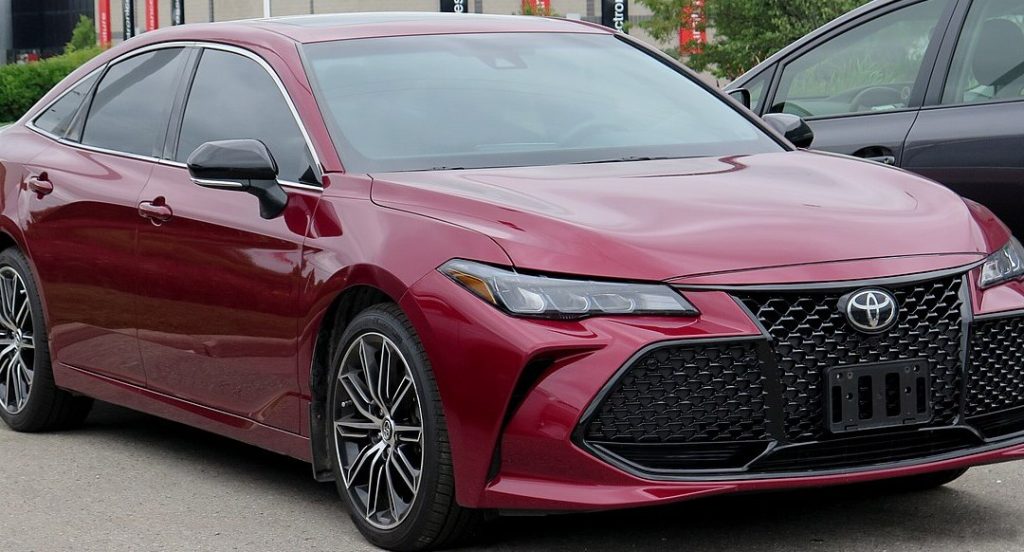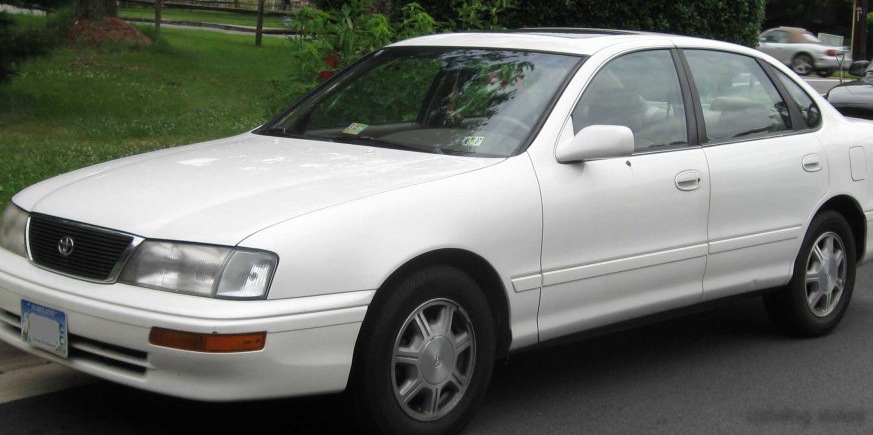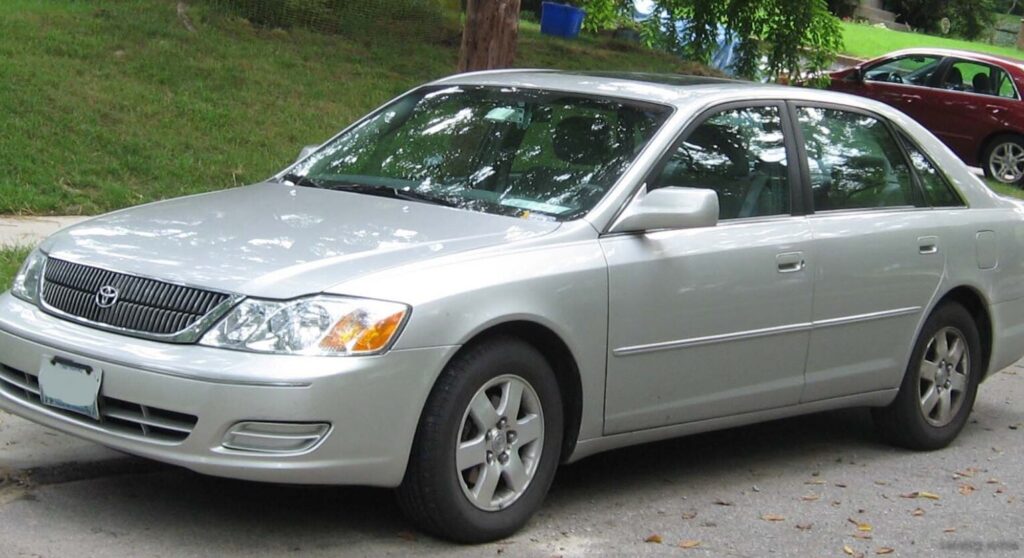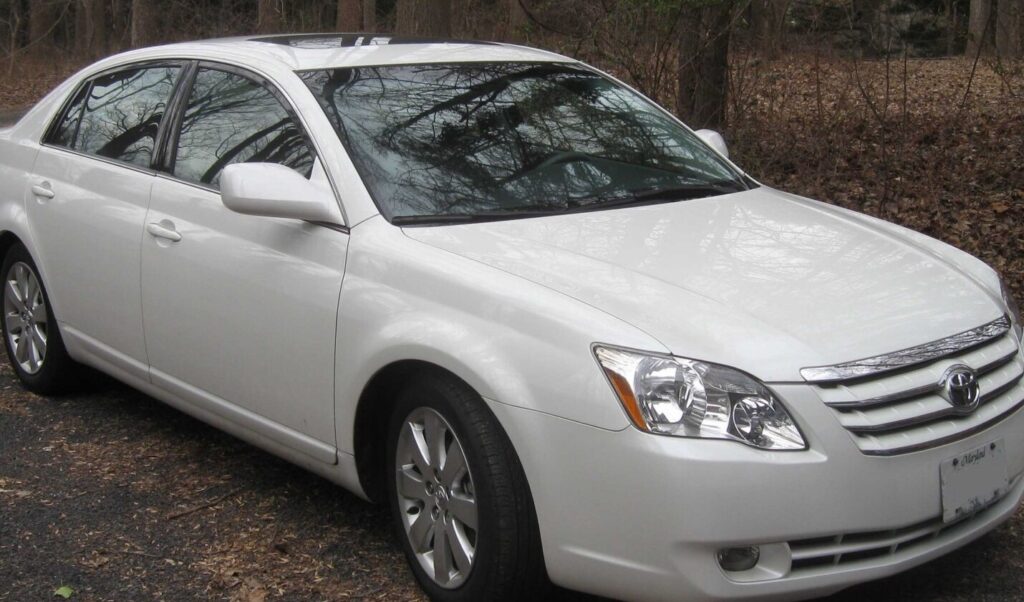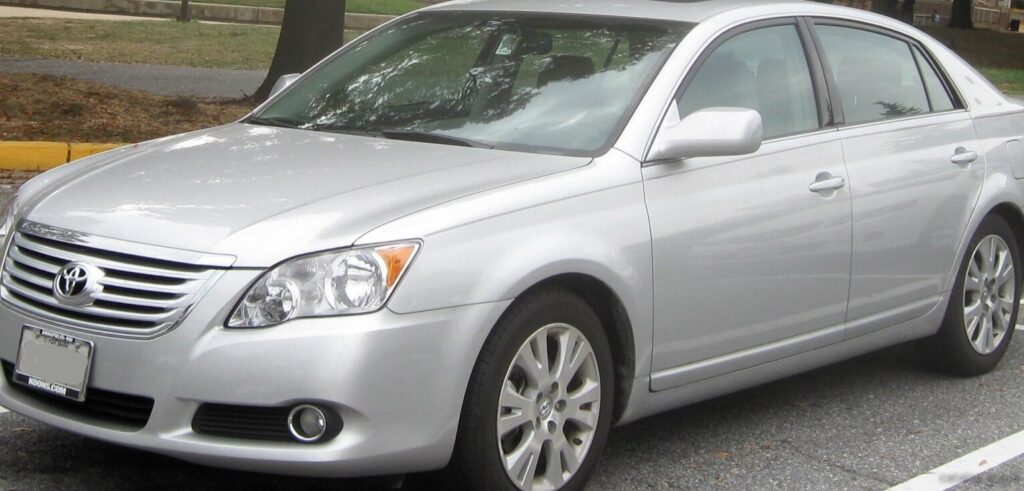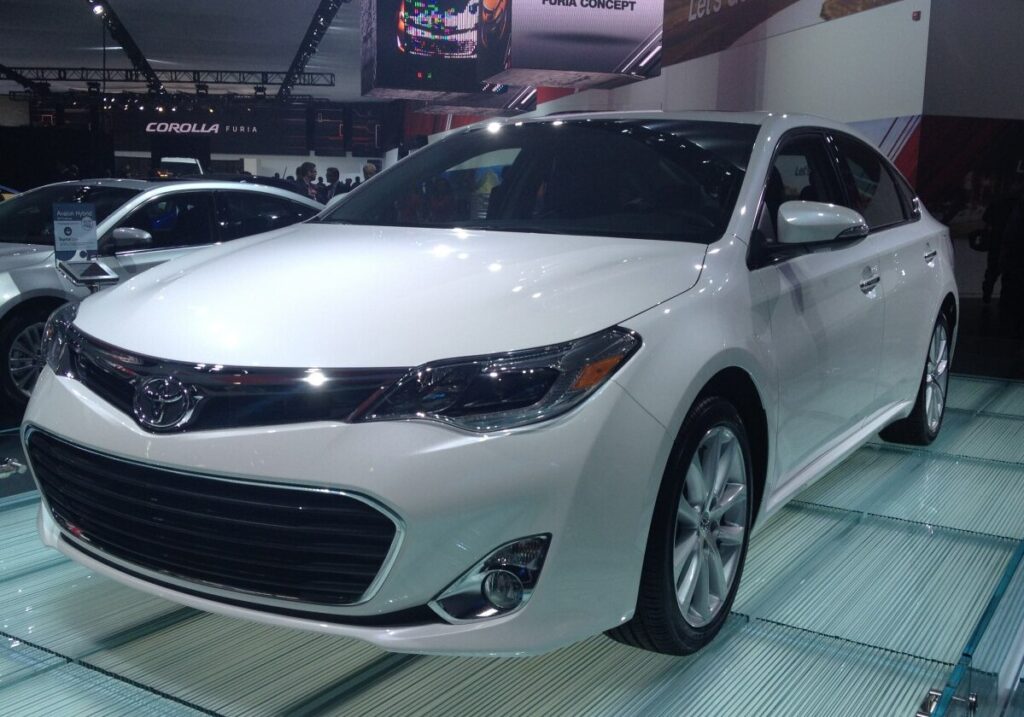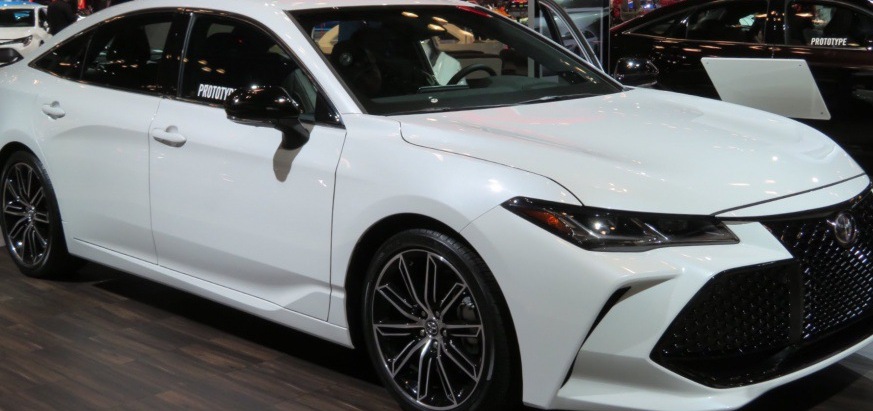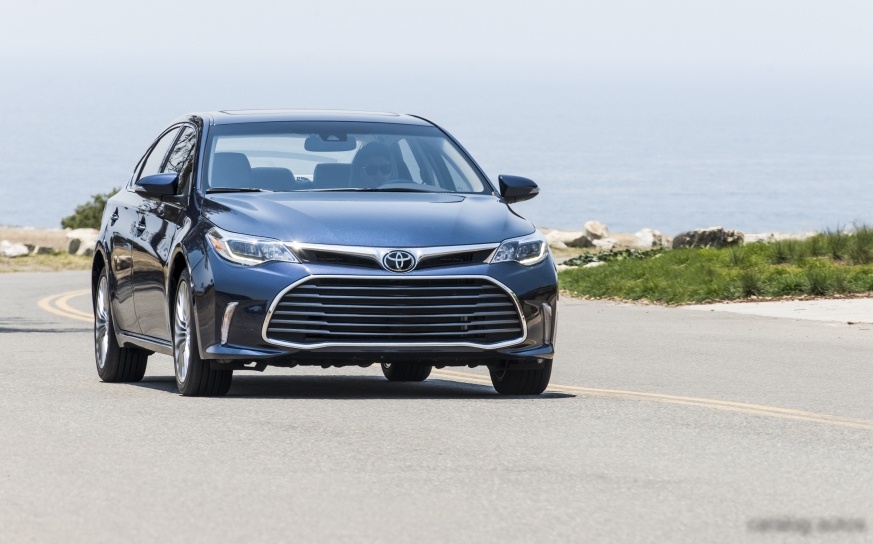
The Toyota Avalon IV (facelift, 2015-2018) represented a significant refresh of the fourth-generation Avalon, a full-size sedan positioned as Toyota’s flagship offering in the North American market. Introduced for the 2017 model year, the facelift brought revised styling, updated technology, and continued the Avalon’s reputation for comfort and reliability. The 3.5 V6 model, equipped with the ECT-i automatic transmission, occupied the mid-to-upper range of the Avalon lineup, offering a balance of performance and refinement. It served as a step up from the base 2.5L four-cylinder model, while remaining more accessible than the hybrid variants.
Technical Specifications
| Brand | Toyota |
| Model | Avalon |
| Generation | Avalon IV (facelift 2015) |
| Type (Engine) | 3.5 V6 (268 Hp) ECT-i |
| Start of production | 2017 |
| End of production | 2018 |
| Powertrain Architecture | Internal Combustion engine |
| Body type | Sedan |
| Seats | 5 |
| Doors | 4 |
| Fuel consumption (urban) | 11.2 l/100 km (21 US mpg) |
| Fuel consumption (extra urban) | 7.8 l/100 km (30.2 US mpg) |
| Fuel consumption (combined) | 9.8 l/100 km (24 US mpg) |
| Fuel Type | Petrol (Gasoline) |
| Weight-to-power ratio | 6 kg/Hp, 167 Hp/tonne |
| Weight-to-torque ratio | 4.8 kg/Nm, 209.3 Nm/tonne |
| Power | 268 Hp @ 6200 rpm |
| Power per litre | 77.5 Hp/l |
| Torque | 336 Nm @ 4700 rpm (247.82 lb.-ft. @ 4700 rpm) |
| Engine layout | Front, Transverse |
| Engine Model/Code | 2GR-FE |
| Engine displacement | 3456 cm3 (210.9 cu. in.) |
| Number of cylinders | 6 |
| Engine configuration | V-engine |
| Cylinder Bore | 94 mm (3.7 in.) |
| Piston Stroke | 83 mm (3.27 in.) |
| Compression ratio | 10.8:1 |
| Number of valves per cylinder | 4 |
| Fuel injection system | Direct injection |
| Engine aspiration | Naturally aspirated engine |
| Valvetrain | DOHC, VVT-i |
| Engine oil capacity | 6.1 l (6.45 US qt | 5.37 UK qt) |
| Coolant | 9.2 l (9.72 US qt | 8.09 UK qt) |
| Kerb Weight | 1605 kg (3538.42 lbs.) |
| Trunk (boot) space (minimum) | 453 l (16 cu. ft.) |
| Fuel tank capacity | 65 l (17.17 US gal | 14.3 UK gal) |
| Length | 4961 mm (195.31 in.) |
| Width | 1834 mm (72.2 in.) |
| Height | 1461 mm (57.52 in.) |
| Wheelbase | 2819 mm (110.98 in.) |
| Front track | 1590 mm (62.6 in.) |
| Rear track | 1580 mm (62.2 in.) |
| Ride height (ground clearance) | 140 mm (5.51 in.) |
| Drag coefficient (Cd) | 0.28 |
| Minimum turning circle | 12.1 m (39.7 ft.) |
| Drivetrain Architecture | ICE, Front wheel drive |
| Number of gears and type of gearbox | 6 gears, automatic transmission ECT-i |
| Front suspension | Independent, McPherson with coil spring and anti-roll bar |
| Rear suspension | Independent coil spring |
| Front brakes | Ventilated discs |
| Rear brakes | Disc |
| Assisting systems | ABS (Anti-lock braking system) |
| Steering type | Steering rack and pinion |
| Power steering | Electric |
| Tires size | 215/55 R17; 225/45 R18 |
| Wheel rims size | 17; 18 |
INTRODUCTION
The 2017-2018 Toyota Avalon 3.5 V6 ECT-i represented a continuation of Toyota’s commitment to providing a comfortable and reliable full-size sedan. Built on the XV60 platform (the fourth generation Avalon), the facelifted model aimed to broaden the Avalon’s appeal with more contemporary styling and enhanced features. The 3.5L V6 engine, paired with the six-speed ECT-i automatic transmission, was positioned as the sweet spot in the lineup for drivers prioritizing performance without sacrificing fuel efficiency or luxury. It was a popular choice for those seeking a spacious and well-equipped sedan for long-distance driving and daily commutes.
Powertrain & Engine Architecture
At the heart of the Avalon 3.5 V6 lies the 2GR-FE engine, a 3.5-liter naturally aspirated V6. This engine utilizes direct fuel injection (D-4S) and Toyota’s Variable Valve Timing with intelligence (VVT-i) system to optimize performance and fuel economy. The 2GR-FE is known for its smooth operation and durability. The ECT-i (Electronic Control Transmission – intelligent) six-speed automatic transmission was specifically tuned to complement the V6’s power delivery. This transmission features a torque converter for smooth launches and efficient cruising, and allows for manual gear selection via the shift lever. The transmission’s programming prioritizes comfort and refinement over aggressive shifting, aligning with the Avalon’s overall character.
Driving Characteristics
The 268 horsepower and 248 lb-ft of torque produced by the 3.5L V6 provided the Avalon with ample power for confident acceleration and effortless highway cruising. While not a sports sedan, the Avalon 3.5 V6 offered a noticeable performance advantage over the base 2.5L four-cylinder model. The ECT-i transmission’s gear ratios were optimized for smooth transitions and efficient operation. Compared to a manual transmission (not offered with this engine), the automatic provided a more relaxed driving experience, particularly in city traffic. The Avalon’s suspension, tuned for comfort, absorbed bumps and imperfections in the road effectively, contributing to a smooth and quiet ride.
Equipment & Trim Levels
The 3.5 V6 trim of the Avalon typically included a generous array of standard features. These commonly included leather upholstery, heated front seats, a touchscreen infotainment system with navigation, a rearview camera, and Toyota Safety Sense P, a suite of advanced driver-assistance systems including pre-collision system with pedestrian detection, lane departure alert with steering assist, automatic high beams, and dynamic radar cruise control. Optional extras often included a premium audio system, a sunroof, and upgraded interior trim materials. The XLE and Limited trims, both available with the 3.5L V6, offered progressively more luxurious features and appointments.
Chassis & Braking
The Avalon IV utilized a front-wheel-drive layout with an independent McPherson strut suspension in the front and an independent coil spring suspension in the rear. This setup prioritized ride comfort and handling stability. The braking system consisted of ventilated discs at the front and solid discs at the rear. Anti-lock brakes (ABS) were standard, along with electronic brake-force distribution (EBD) and brake assist. The Avalon’s chassis was designed to minimize noise, vibration, and harshness (NVH), contributing to a refined and quiet cabin experience.
Market Reception & Comparison
Critics generally praised the Avalon 3.5 V6 for its smooth ride, spacious interior, and strong engine performance. It was often compared favorably to other full-size sedans such as the Buick LaCrosse and the Ford Taurus. The 3.5L V6 offered a better balance of power and fuel economy than some of its competitors, and its reliability record was a significant selling point. Compared to the Avalon Hybrid, the 3.5 V6 offered a more traditional driving experience and a lower initial purchase price, but at the expense of fuel efficiency. The base 2.5L four-cylinder model was more affordable but lacked the V6’s effortless power.
Legacy
The 2017-2018 Toyota Avalon 3.5 V6 continues to be a popular choice in the used car market, known for its reliability and longevity. The 2GR-FE engine has a reputation for being exceptionally durable, and the ECT-i transmission is generally considered to be reliable as well. Maintenance costs are typically reasonable, and parts availability is good. While newer Avalon models offer more advanced technology and features, the fourth-generation Avalon 3.5 V6 remains a compelling option for buyers seeking a comfortable, spacious, and dependable full-size sedan.