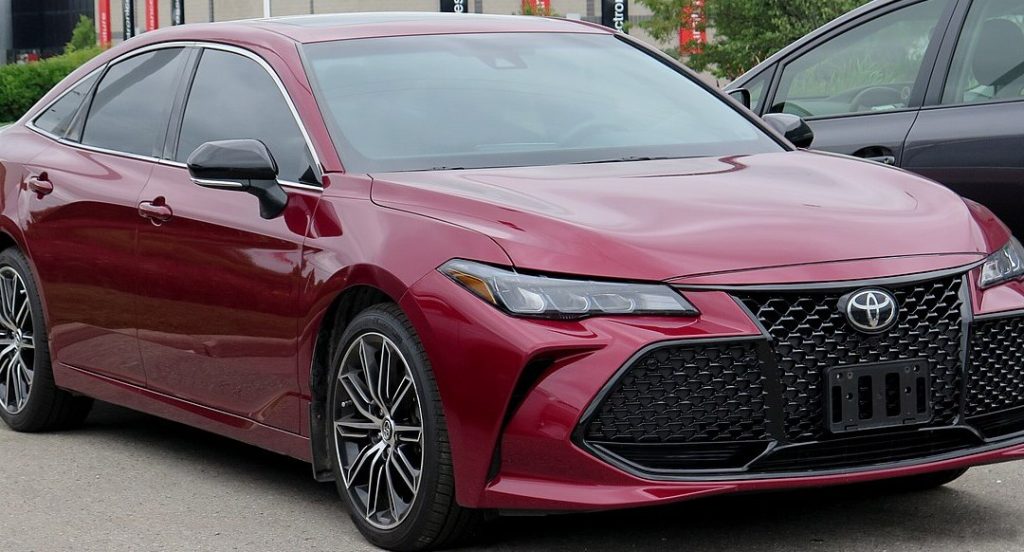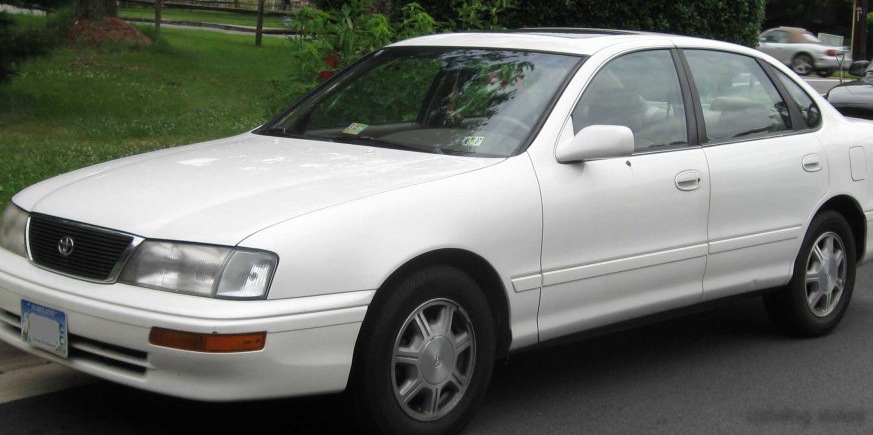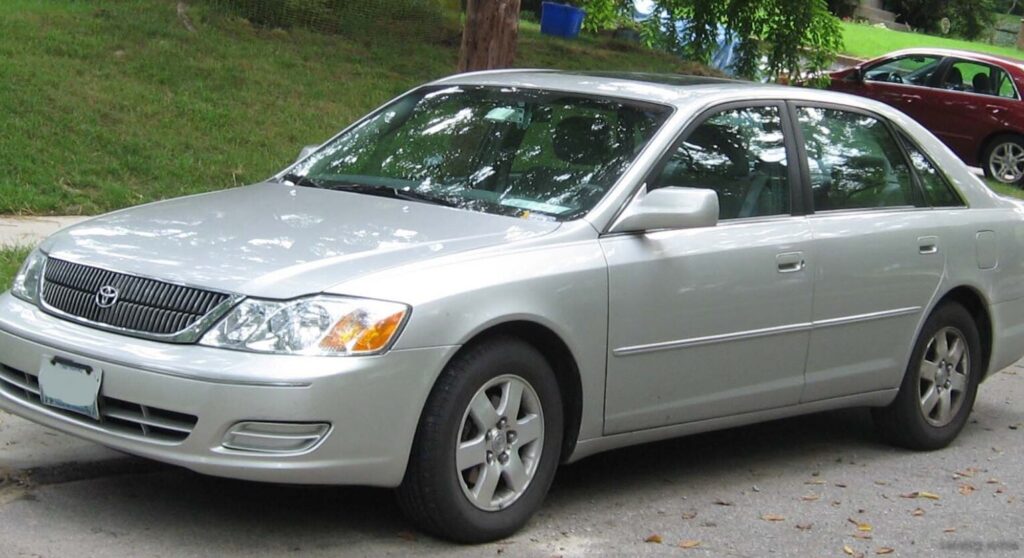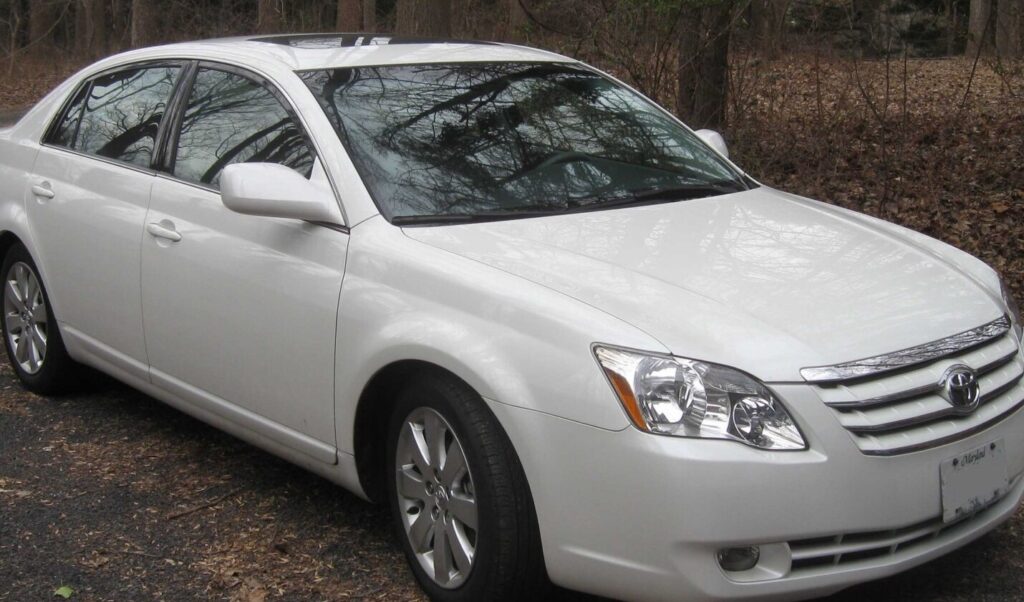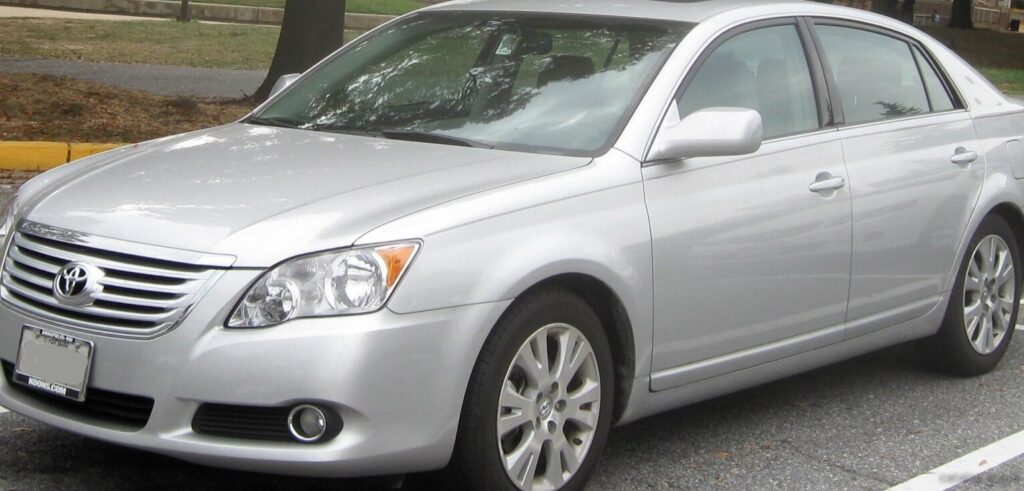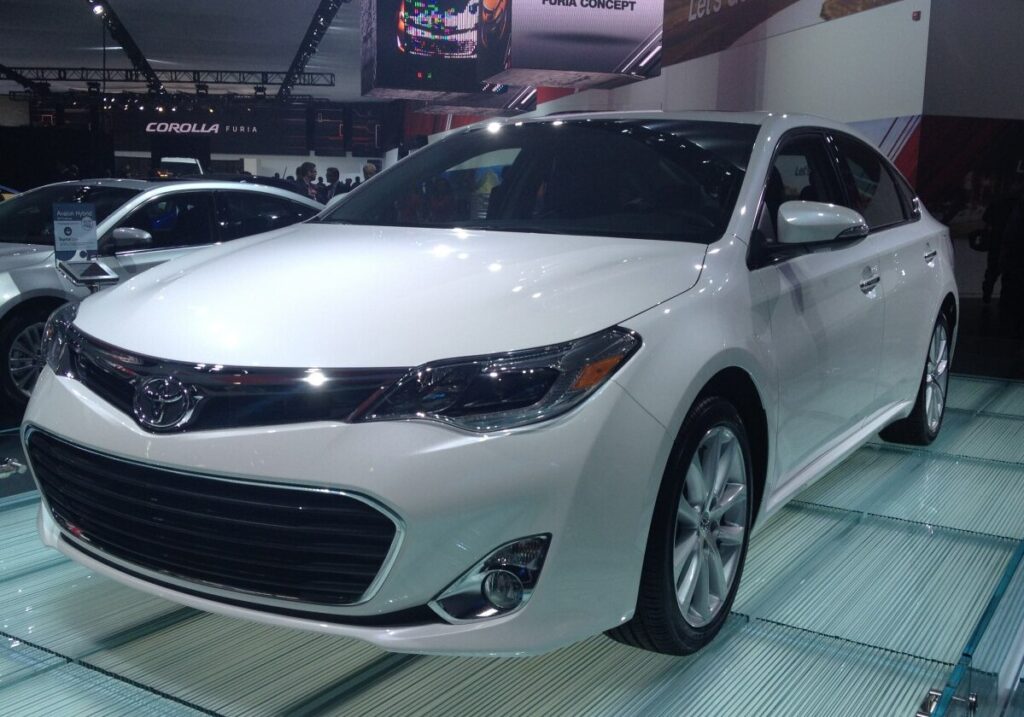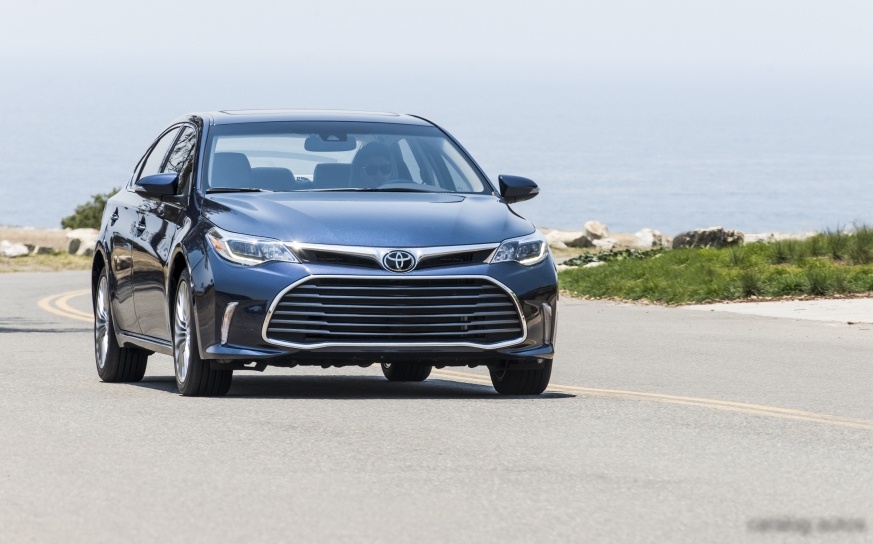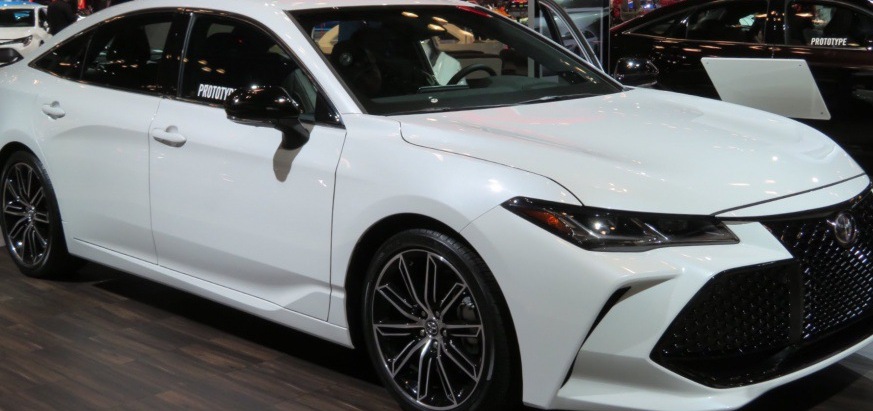
The Toyota Avalon V (XX50) 2.5 Hybrid, produced for the 2021 and 2022 model years, represents the fifth generation of Toyota’s full-size sedan. Positioned as a premium offering within the Avalon lineup, this variant combined a 2.5-liter four-cylinder gasoline engine with an electric motor, utilizing Toyota’s Hybrid Synergy Drive system. The XX50 generation marked a significant departure in styling and technology for the Avalon, aiming to attract a broader customer base with a more refined and modern vehicle. This particular 215 horsepower hybrid configuration was a key component of Toyota’s strategy to improve fuel efficiency and reduce emissions while maintaining a comfortable and spacious driving experience.
Technical Specifications
| Brand | Toyota |
| Model | Avalon |
| Generation | Avalon V (XX50) |
| Type (Engine) | 2.5 (215 Hp) Hybrid ECVT |
| Start of production | 2021 |
| End of production | 2022 |
| Powertrain Architecture | FHEV (Full Hybrid Electric Vehicle) |
| Body type | Sedan |
| Seats | 5 |
| Doors | 4 |
| Fuel consumption (urban) | 5.5 l/100 km (42.8 US mpg) |
| Fuel consumption (extra urban) | 5.3 l/100 km (44.4 US mpg) |
| Fuel consumption (combined) | 5.3 l/100 km (44.4 US mpg) |
| Fuel Type | Petrol (Gasoline) |
| Weight-to-power ratio | 7.6 kg/Hp |
| Weight-to-torque ratio | 7.4 kg/Nm |
| Gross battery capacity | 1.03 kWh |
| Battery voltage | 259 V |
| Battery technology | Lithium-ion (Li-Ion) |
| Battery location | Under the rear seats |
| Electric motor power | 120 Hp |
| Electric motor Torque | 202 Nm (148.99 lb.-ft.) |
| Electric motor location | Integrated into the transmission |
| Electric motor type | Synchronous |
| System power | 215 Hp |
| Power | 176 Hp @ 5700 rpm |
| Torque | 221 Nm @ 3600-5200 rpm (163 lb.-ft. @ 3600-5200 rpm) |
| Engine layout | Front, Transverse |
| Engine Model/Code | A25A-FXS |
| Engine displacement | 2487 cm3 (151.77 cu. in.) |
| Number of cylinders | 4 |
| Engine configuration | Inline |
| Cylinder Bore | 87.5 mm (3.44 in.) |
| Piston Stroke | 103.4 mm (4.07 in.) |
| Compression ratio | 14:1 |
| Number of valves per cylinder | 4 |
| Fuel injection system | Direct injection |
| Engine aspiration | Naturally aspirated engine |
| Valvetrain | DOHC, VVT-i |
| Engine oil capacity | 4.5 l (4.76 US qt | 3.96 UK qt) |
| Coolant capacity | 6.1 l (6.45 US qt | 5.37 UK qt) |
| Kerb Weight | 1637-1676 kg (3608.97 – 3694.95 lbs.) |
| Trunk (boot) space | 456 l (16.1 cu. ft.) |
| Fuel tank capacity | 50 l (13.21 US gal | 11 UK gal) |
| Length | 4976 mm (195.91 in.) |
| Width | 1849 mm (72.8 in.) |
| Height | 1435 mm (56.5 in.) |
| Wheelbase | 2870 mm (112.99 in.) |
| Front track | 1582-1600 mm (62.28 – 62.99 in.) |
| Rear track | 1615 mm (63.58 in.) |
| Ride height (ground clearance) | 135 mm (5.31 in.) |
| Drag coefficient (Cd) | 0.27 |
| Minimum turning circle | 11.5-11.8 m (37.73 – 38.71 ft.) |
| Drivetrain Architecture | Front wheel drive. FHEV. ICE and electric motor drive front wheels. |
| Number of gears | ECVT (Electronically Controlled Continuously Variable Transmission) |
| Front suspension | Independent, McPherson with coil spring and anti-roll bar |
| Rear suspension | Independent multi-link suspension |
| Front brakes | Ventilated discs, 304.8 mm |
| Rear brakes | Disc, 279.4 mm |
| Assisting systems | ABS (Anti-lock braking system) |
| Steering type | Steering rack and pinion |
| Power steering | Electric |
| Tires size | 235/45 R18; 235/40 R19 |
| Wheel rims size | 8J x 18; 8J x 19 |
Powertrain & Engine Architecture
The heart of the Avalon Hybrid is Toyota’s A25A-FXS 2.5-liter inline-four engine. This engine utilizes the Atkinson cycle, known for its efficiency, but typically sacrifices some low-end torque. Toyota compensates for this with the electric motor, which provides instant torque fill-in. The engine features direct fuel injection and a DOHC (Dual Overhead Camshaft) valvetrain with VVT-i (Variable Valve Timing-intelligence) on both intake and exhaust valves. The electric motor, a synchronous type, is integrated directly into the ECVT (Electronically Controlled Continuously Variable Transmission). This arrangement allows for seamless transitions between gasoline and electric power, or a combination of both. The ECVT, unlike traditional automatic transmissions with fixed gears, uses a belt and pulley system to provide a virtually infinite number of gear ratios, optimizing engine efficiency and responsiveness. The hybrid system’s battery, a 1.03 kWh lithium-ion unit, is located under the rear seats, minimizing impact on passenger space.
Driving Characteristics
The 215-horsepower hybrid powertrain delivers smooth and refined acceleration. While not a performance-oriented vehicle, the combined output of the engine and electric motor provides adequate power for everyday driving situations. The ECVT contributes to a seamless driving experience, eliminating the shift shock often associated with conventional automatic transmissions. Compared to the standard 3.5-liter V6 Avalon, the hybrid prioritizes fuel economy over outright speed. The hybrid’s power delivery is more linear, relying on the electric motor to provide immediate torque at lower speeds. The ECVT’s programming is tuned for efficiency, sometimes resulting in a slight delay in response during aggressive acceleration. However, in normal driving conditions, the system operates quietly and efficiently.
Equipment & Trim Levels
The 2.5 Hybrid was typically offered in XLE and Limited trim levels. Standard features on the XLE included Toyota Safety Sense-P (a suite of driver-assistance technologies), a 9-inch touchscreen infotainment system with Apple CarPlay and Android Auto compatibility, heated front seats, and a power-adjustable driver’s seat. The Limited trim added features such as leather upholstery, ventilated front seats, a premium audio system, and a panoramic sunroof. Optional extras included a rear-seat entertainment system and advanced parking assist features.
Chassis & Braking
The Avalon Hybrid utilizes a front-wheel-drive layout. The suspension consists of an independent McPherson strut setup at the front and an independent multi-link suspension at the rear, providing a comfortable ride quality. The braking system features ventilated discs at the front and solid discs at the rear, equipped with ABS (Anti-lock Braking System) and electronic brake-force distribution. The steering is an electric power-assisted rack-and-pinion system, offering light and precise steering feel.
Market Reception & Comparison
The Avalon Hybrid was generally well-received by critics for its fuel efficiency, comfortable ride, and spacious interior. It consistently achieved excellent fuel economy ratings, making it an attractive option for buyers seeking a fuel-efficient full-size sedan. Compared to other hybrid options in its class, such as the Honda Accord Hybrid, the Avalon Hybrid offered a more luxurious and refined driving experience. However, some critics noted that the Avalon Hybrid’s styling was somewhat conservative and that its handling was not as sporty as some of its competitors. Reliability was a strong point, with Toyota’s hybrid systems having a proven track record of durability.
Legacy
The Toyota Avalon Hybrid, including the 2.5-liter variant, has established a reputation for long-term reliability and fuel efficiency. On the used car market, these models continue to be sought after by buyers looking for a dependable and economical full-size sedan. The Hybrid Synergy Drive system has proven to be robust, with many examples exceeding 200,000 miles with minimal issues. The XX50 generation Avalon, and particularly the hybrid models, represent a significant step forward in Toyota’s commitment to fuel efficiency and advanced technology, solidifying the Avalon’s position as a flagship sedan.