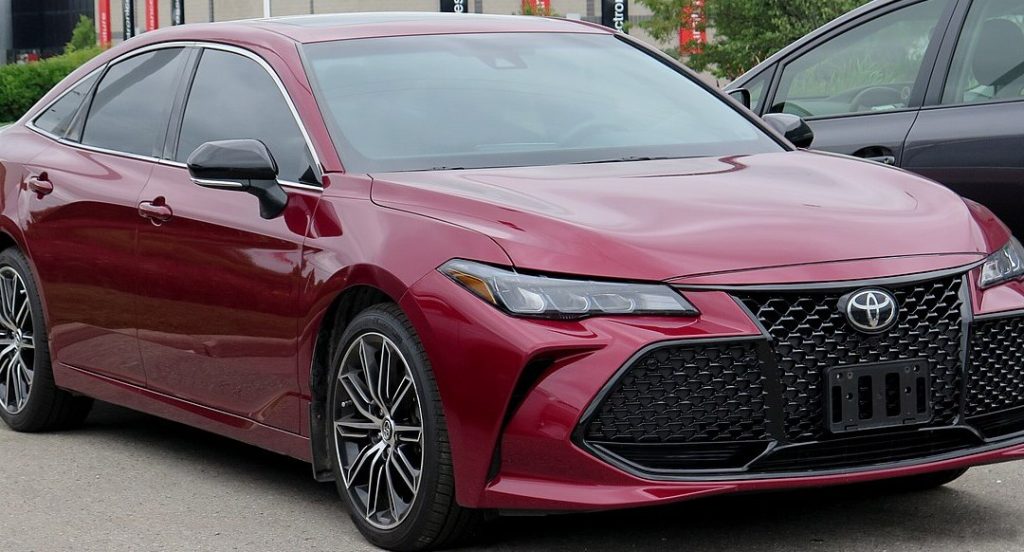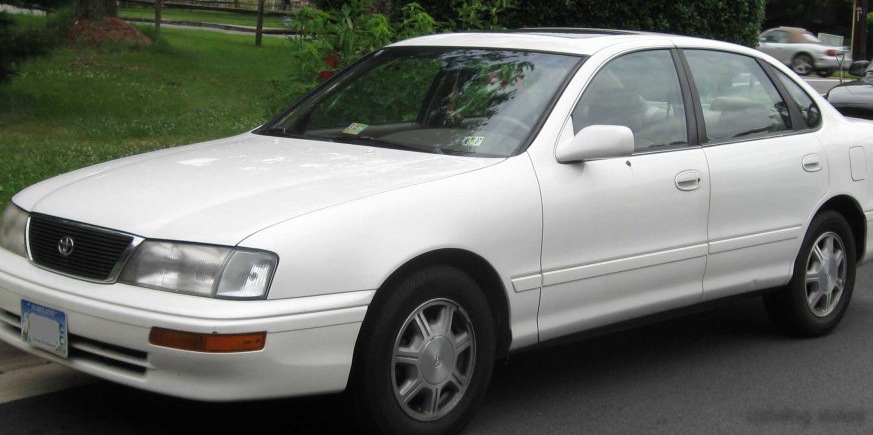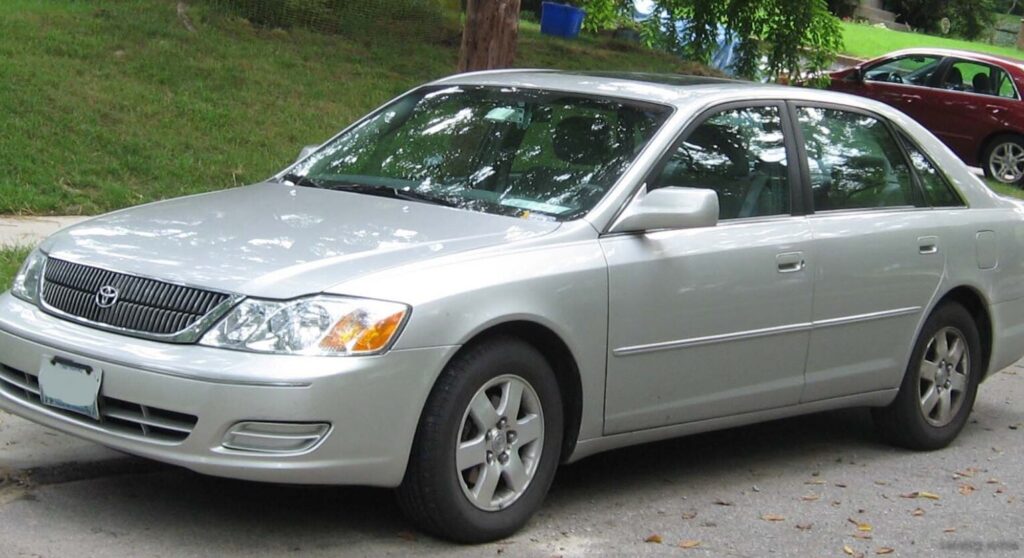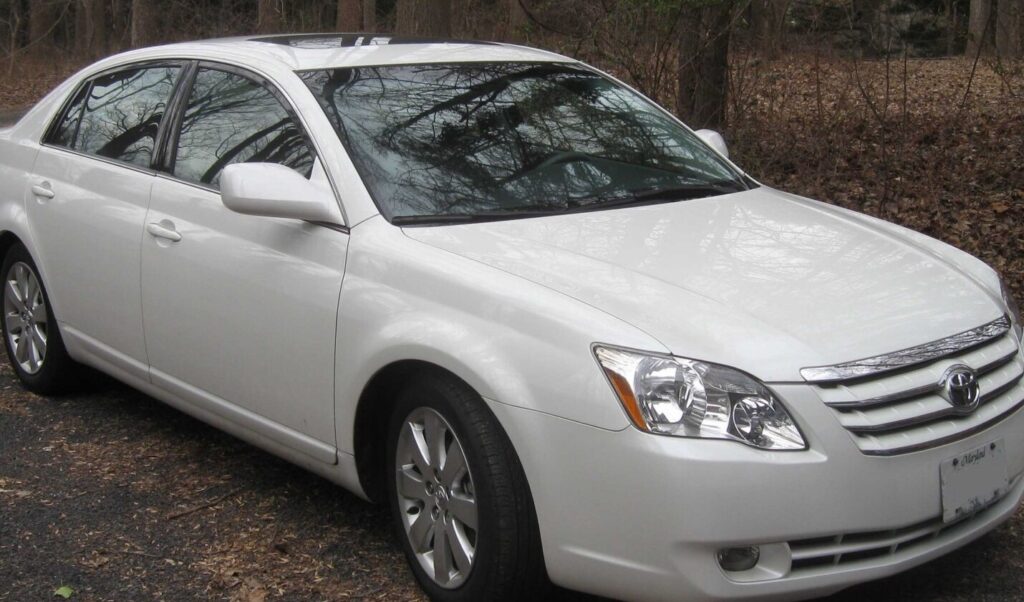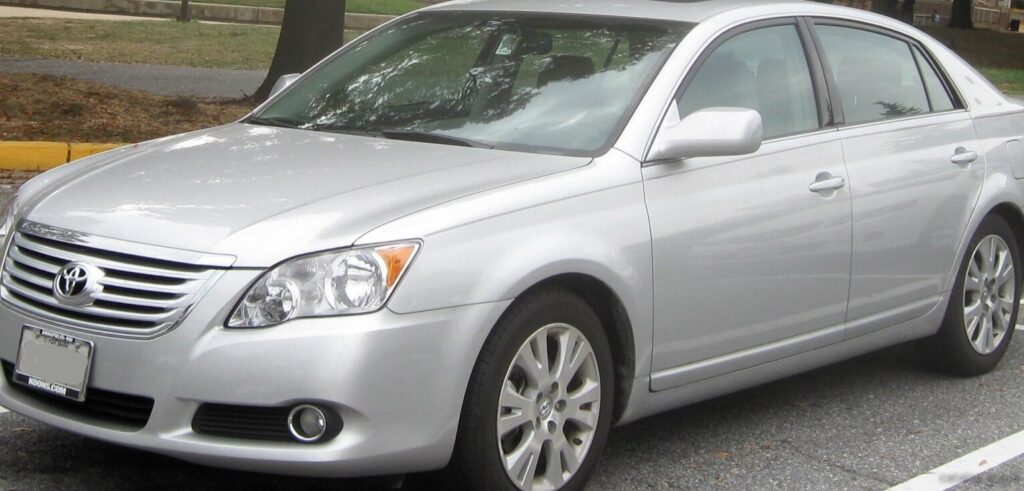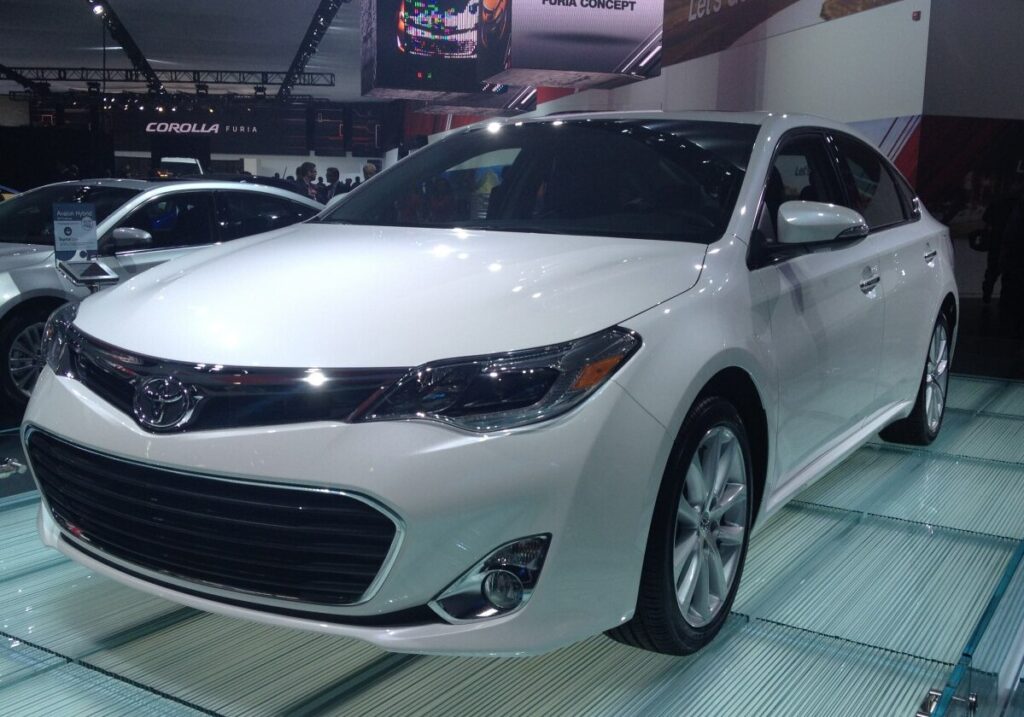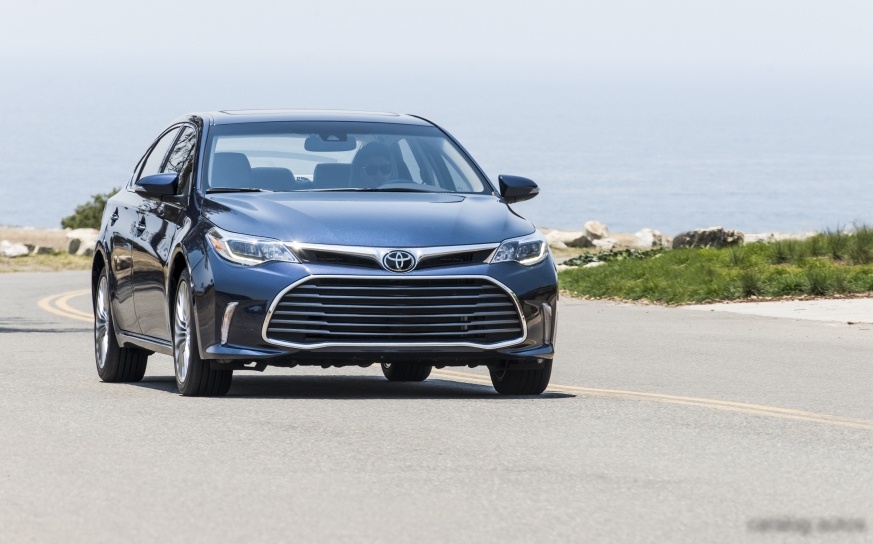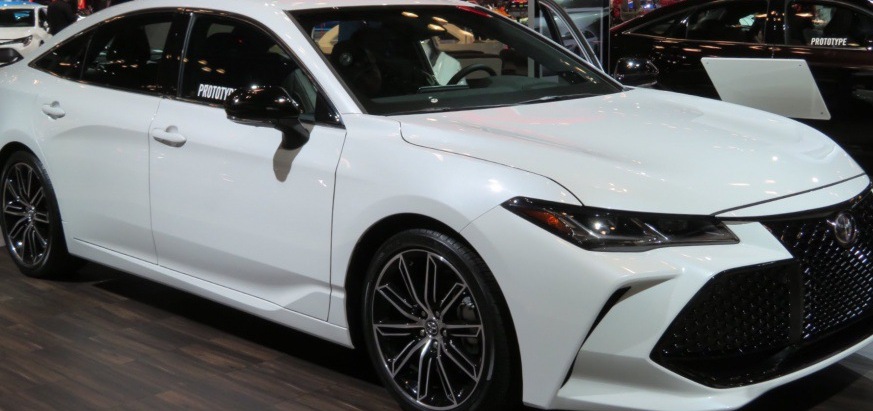
The Toyota Avalon V (XX50) 2.5 Hybrid, produced from 2018 to 2020, represents the fifth generation of Toyota’s flagship sedan. Positioned as a premium offering within the Avalon lineup, this variant combined a 2.5-liter four-cylinder gasoline engine with a nickel-metal hydride (NiMH) battery-powered electric motor, delivering a total system output of 218 horsepower. It was a key model in Toyota’s push for greater fuel efficiency and hybrid technology adoption in the full-size sedan segment within the North American market, where the Avalon was primarily sold. The XX50 generation marked a significant departure in styling and technology compared to its predecessors, aiming for a more sophisticated and modern appeal.
Technical Specifications
| Brand | Toyota |
| Model | Avalon |
| Generation | Avalon V (XX50) |
| Type (Engine) | 2.5 (218 Hp) Hybrid ECVT |
| Start of production | 2018 |
| End of production | 2020 |
| Powertrain Architecture | FHEV (Full Hybrid Electric Vehicle) |
| Body type | Sedan |
| Seats | 5 |
| Doors | 4 |
| Fuel consumption (urban) | 5.5 l/100 km (42.8 US mpg) |
| Fuel consumption (extra urban) | 5.3-5.5 l/100 km (44.4 – 42.8 US mpg) |
| Fuel consumption (combined) | 5.3-5.5 l/100 km (44.4 – 42.8 US mpg) |
| Fuel Type | Petrol (Gasoline) |
| Weight-to-power ratio | 7.6 kg/Hp |
| Weight-to-torque ratio | 7.5 kg/Nm |
| Battery voltage | 244.8 V |
| Battery technology | Nickel-metal hydride (NiMH) |
| Battery location | Behind the back wall of the passenger cabin |
| Electric motor power | 120 Hp |
| Electric motor Torque | 202 Nm (148.99 lb.-ft.) |
| Electric motor location | Integrated into the transmission |
| Electric motor type | Synchronous |
| System power | 218 Hp |
| Internal combustion engine power | 176 Hp @ 5700 rpm |
| Internal combustion engine torque | 221 Nm @ 3600-5200 rpm (163 lb.-ft. @ 3600-5200 rpm) |
| Engine layout | Front, Transverse |
| Engine Model/Code | A25A-FXS |
| Engine displacement | 2487 cm3 (151.77 cu. in.) |
| Number of cylinders | 4 |
| Engine configuration | Inline |
| Cylinder Bore | 87.5 mm (3.44 in.) |
| Piston Stroke | 103.4 mm (4.07 in.) |
| Compression ratio | 14:1 |
| Number of valves per cylinder | 4 |
| Fuel injection system | Direct injection |
| Engine aspiration | Naturally aspirated engine |
| Valvetrain | DOHC, VVT-i |
| Engine oil capacity | 4.5 l (4.76 US qt | 3.96 UK qt) |
| Coolant capacity | 6.1 l (6.45 US qt | 5.37 UK qt) |
| Kerb Weight | 1650-1685 kg (3637.63 – 3714.79 lbs.) |
| Trunk (boot) space | 456 l (16.1 cu. ft.) |
| Fuel tank capacity | 50 l (13.21 US gal | 11 UK gal) |
| Length | 4976 mm (195.91 in.) |
| Width | 1849 mm (72.8 in.) |
| Height | 1435 mm (56.5 in.) |
| Wheelbase | 2870 mm (112.99 in.) |
| Front track | 1582-1600 mm (62.28 – 62.99 in.) |
| Rear track | 1615 mm (63.58 in.) |
| Ride height (ground clearance) | 135 mm (5.31 in.) |
| Drag coefficient (Cd) | 0.27 |
| Minimum turning circle | 11.5 m (37.73 ft.) |
| Drivetrain Architecture | Front wheel drive. FHEV. ICE and electric motor drive front wheels. |
| Number of gears | ECVT (Electronically Controlled Continuously Variable Transmission) |
| Front suspension | Independent, McPherson with coil spring and anti-roll bar |
| Rear suspension | Independent multi-link suspension |
| Front brakes | Ventilated discs |
| Rear brakes | Disc |
| Assisting systems | ABS (Anti-lock braking system) |
| Steering type | Steering rack and pinion |
| Power steering | Electric |
| Tires size | 215/55 R17; 235/45 R18 |
| Wheel rims size | 7J x 17; 8J x 18 |
INTRODUCTION
The 2018-2020 Toyota Avalon 2.5 Hybrid represents Toyota’s commitment to providing a fuel-efficient and technologically advanced full-size sedan. Built on the TNGA (Toyota New Global Architecture) platform, specifically the GA-K variant, the XX50 Avalon offered a more engaging driving experience and a more refined interior compared to previous generations. The 2.5-liter Hybrid model served as the primary volume seller, appealing to buyers seeking a balance between fuel economy, comfort, and Toyota’s reputation for reliability. It slotted in as the more accessible hybrid option, with the XLE and Limited trims being the most common configurations.
Powertrain & Engine Architecture
At the heart of the Avalon Hybrid is the A25A-FXS 2.5-liter inline-four cylinder engine. This engine utilizes Toyota’s D-4S direct injection system, combined with port fuel injection, to optimize combustion efficiency and reduce emissions. The engine features a high compression ratio of 14:1, contributing to its thermal efficiency. The valvetrain employs Dual Overhead Camshafts (DOHC) with Variable Valve Timing-intelligence (VVT-i) on both intake and exhaust valves. The engine is paired with an electric motor integrated into the electronically controlled continuously variable transmission (ECVT). This ECVT isn’t a traditional CVT; it’s a power-split device that seamlessly blends power from the gasoline engine and the electric motor. The nickel-metal hydride (NiMH) battery pack, located behind the rear seats, provides supplemental power and enables the vehicle to operate in electric-only mode at lower speeds and for short distances. The combined system output of 218 horsepower is achieved through the coordinated operation of the engine and electric motor.
Driving Characteristics
The Avalon 2.5 Hybrid, with its ECVT, delivers smooth and linear acceleration. While not particularly sporty, the combined output provides adequate power for everyday driving and highway merging. The ECVT is programmed to mimic traditional gear changes under hard acceleration, providing a more familiar feel for drivers accustomed to conventional automatic transmissions. Compared to the 3.5-liter V6 Avalon, the Hybrid offers significantly better fuel economy but sacrifices some outright performance. The ECVT prioritizes efficiency, sometimes resulting in a slight delay in response compared to the more direct feel of the V6’s eight-speed automatic. The hybrid system’s regenerative braking adds a unique feel to the brake pedal, which takes some getting used to. Overall, the driving experience is focused on comfort and efficiency rather than spirited performance.
Equipment & Trim Levels
The 2.5 Hybrid was available in XLE and Limited trim levels. The XLE came standard with features such as Toyota Safety Sense P (including pre-collision system with pedestrian detection, lane departure alert with steering assist, automatic high beams, and dynamic radar cruise control), a 7-inch touchscreen infotainment system, Apple CarPlay, Amazon Alexa integration, and a suite of comfort features like dual-zone automatic climate control and heated front seats. The Limited trim added premium features such as a larger 9-inch touchscreen, navigation, premium audio system (JBL), leather upholstery, ventilated front seats, and a panoramic sunroof. Optional extras included blind spot monitoring with rear cross-traffic alert and a rear camera mirror.
Chassis & Braking
The Avalon Hybrid utilizes an independent McPherson strut front suspension and an independent multi-link rear suspension. This setup provides a comfortable ride and good handling characteristics. The suspension is tuned for comfort, prioritizing smoothness over sporty handling. The Avalon Hybrid features ventilated disc brakes at the front and solid disc brakes at the rear. The Anti-lock Braking System (ABS) is standard, along with Electronic Brake-force Distribution (EBD) and Brake Assist. The electric power steering provides light and precise steering feel.
Market Reception & Comparison
The Avalon Hybrid was generally well-received by critics, praised for its fuel efficiency, comfortable ride, and spacious interior. It consistently outperformed competitors like the Buick LaCrosse and Ford Taurus in fuel economy tests. Compared to the V6 Avalon, the Hybrid offered a significant advantage in fuel savings, making it a popular choice for drivers prioritizing efficiency. However, some reviewers noted the ECVT’s occasionally sluggish response and the lack of a truly sporty driving experience. Reliability ratings were consistently high, typical of Toyota products.
Legacy
The Toyota Avalon 2.5 Hybrid (XX50) has proven to be a reliable and fuel-efficient vehicle, maintaining strong resale values in the used car market. The A25A-FXS engine and the ECVT transmission have demonstrated good long-term durability, with few widespread mechanical issues reported. The XX50 generation Avalon solidified Toyota’s position as a leader in hybrid technology and helped to popularize hybrid powertrains in the full-size sedan segment. Its blend of comfort, efficiency, and reliability continues to make it an attractive option for used car buyers seeking a dependable and economical vehicle.