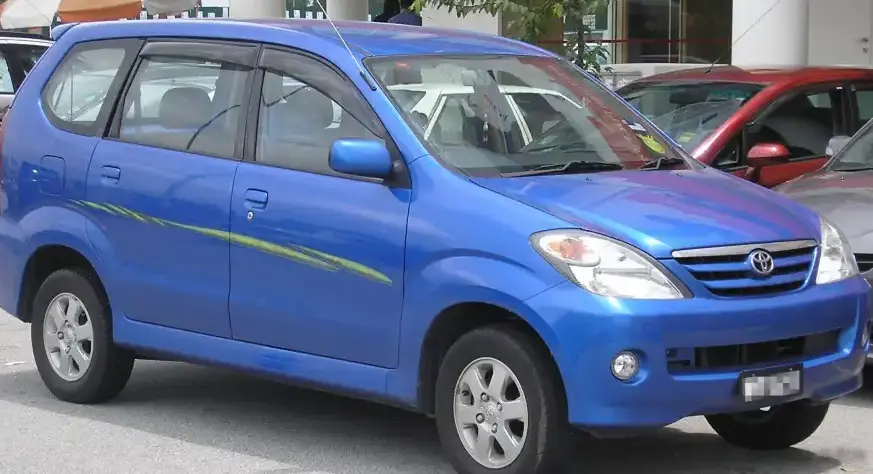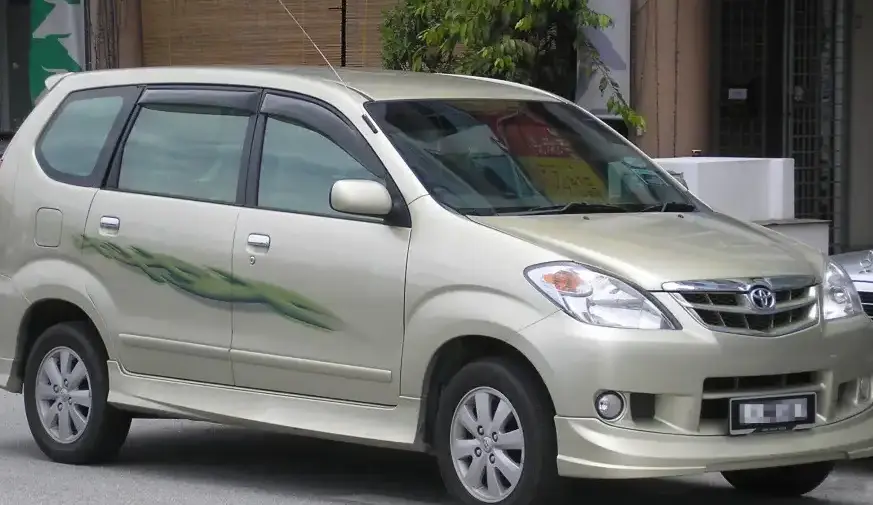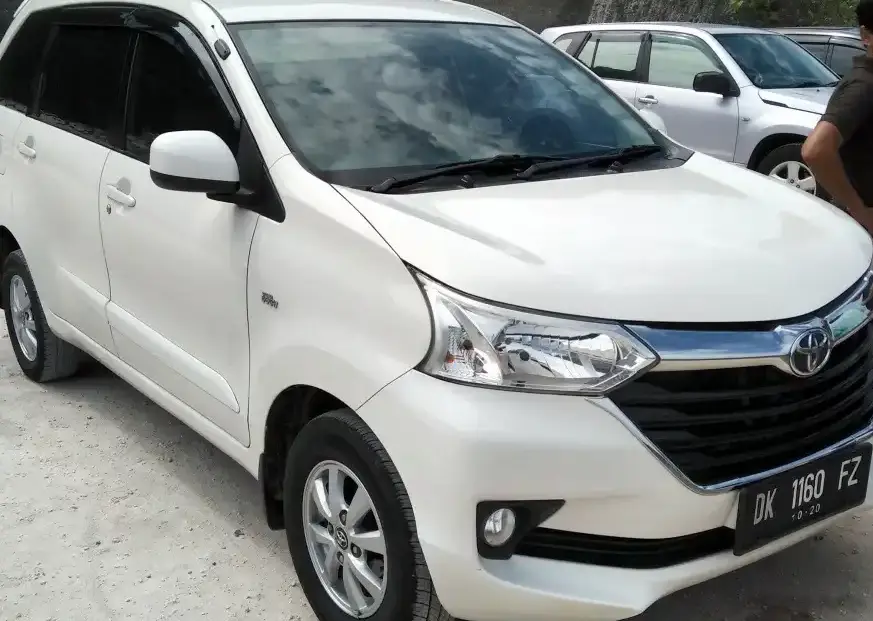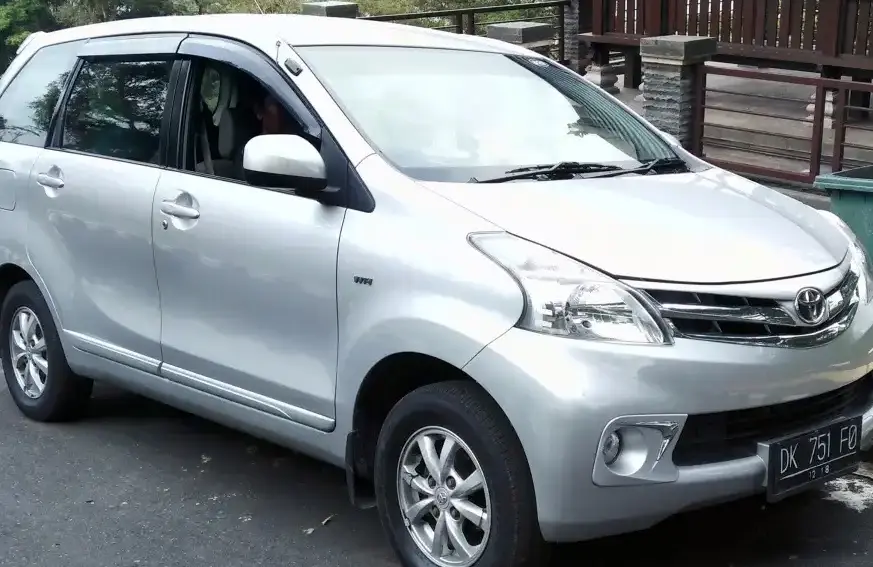
The Toyota Avanza II 1.3 (92 hp) Automatic, produced between 2011 and 2015, represents an entry-level variant within the second generation of the Avanza, a compact multi-purpose vehicle (MPV) primarily marketed in Southeast Asia and other emerging markets. Positioned as an affordable and practical family vehicle, this trim level offered a balance between fuel efficiency and passenger capacity. The Avanza II, built on the K3 platform, aimed to provide a spacious and versatile option for growing families, and the 1.3L automatic model was a key component of its sales strategy, appealing to buyers prioritizing ease of use over outright performance. It was a significant model for Toyota in Indonesia, the Philippines, and other regional markets, where MPVs are particularly popular.
Technical Specifications
| Brand | Toyota |
| Model | Avanza |
| Generation | Avanza II |
| Type (Engine) | 1.3 (92 Hp) Automatic |
| Start of production | 2011 |
| End of production | 2015 |
| Powertrain Architecture | Internal Combustion engine |
| Body type | MPV |
| Seats | 7 |
| Doors | 5 |
| Fuel Type | Petrol (Gasoline) |
| Weight-to-power ratio | 11.7 kg/Hp, 85.2 Hp/tonne |
| Weight-to-torque ratio | 9.2 kg/Nm, 108.3 Nm/tonne |
| Power | 92 Hp @ 6000 rpm |
| Power per litre | 70.9 Hp/l |
| Torque | 117 Nm @ 4400 rpm, 86.29 lb.-ft. @ 4400 rpm |
| Engine layout | Front, Longitudinal |
| Engine Model/Code | 1NR-FE |
| Engine displacement | 1298 cm3, 79.21 cu. in. |
| Number of cylinders | 4 |
| Engine configuration | Inline |
| Cylinder Bore | 72 mm, 2.83 in. |
| Piston Stroke | 79.7 mm, 3.14 in. |
| Number of valves per cylinder | 4 |
| Fuel injection system | Multi-port manifold injection |
| Engine aspiration | Naturally aspirated engine |
| Engine oil capacity | 3.4 l, 3.59 US qt | 2.99 UK qt |
| Coolant | 5.1 l, 5.39 US qt | 4.49 UK qt |
| Kerb Weight | 1080 kg, 2380.99 lbs. |
| Max. weight | 1680 kg, 3703.77 lbs. |
| Max load | 600 kg, 1322.77 lbs. |
| Fuel tank capacity | 45 l, 11.89 US gal | 9.9 UK gal |
| Length | 4140 mm, 162.99 in. |
| Width | 1660 mm, 65.35 in. |
| Height | 1695 mm, 66.73 in. |
| Wheelbase | 2655 mm, 104.53 in. |
| Front track | 1425 mm, 56.1 in. |
| Rear (Back) track | 1435 mm, 56.5 in. |
| Drivetrain Architecture | The Internal combustion engine (ICE) drives the rear wheels of the vehicle. |
| Drive wheel | Rear wheel drive |
| Number of gears and type of gearbox | 4 gears, automatic transmission |
| Front suspension | Independent, type McPherson with coil spring and anti-roll bar |
| Rear suspension | Independent multi-link spring suspension with stabilizer |
| Front brakes | Ventilated discs |
| Rear brakes | Drum |
| Assisting systems | ABS (Anti-lock braking system) |
| Tires size | 185/70 R14 |
| Wheel rims size | 14 |
Powertrain & Engine Architecture
The Avanza II 1.3 Automatic is powered by the 1NR-FE engine, a 1.3-liter (1298 cc) inline-four cylinder gasoline engine. This engine is a member of Toyota’s NR engine family, known for its relatively simple design and focus on fuel efficiency. The 1NR-FE utilizes a multi-point fuel injection system, delivering fuel directly to the intake ports. It features a single overhead camshaft (SOHC) valvetrain with four valves per cylinder. The engine produces 92 horsepower at 6000 rpm and 117 Nm (86.29 lb-ft) of torque at 4400 rpm. The engine is longitudinally mounted, driving the rear wheels. Paired with the 1NR-FE is a four-speed automatic transmission. This transmission, while providing convenient shifting, is a relatively older design compared to more modern continuously variable transmissions (CVTs) or six-speed automatics. It prioritizes durability and simplicity over maximizing fuel economy or providing rapid acceleration.
Driving Characteristics
The driving experience in the Avanza II 1.3 Automatic is characterized by its focus on practicality and ease of use. The 92 hp engine, coupled with the four-speed automatic, delivers adequate, but not particularly brisk, acceleration. The automatic transmission’s gear ratios are tuned for fuel efficiency and smooth operation rather than sporty performance. Expect a noticeable delay in downshifts, and the engine can feel strained when climbing hills or carrying a full load of passengers. Compared to the higher-output 1.5-liter variants, the 1.3L automatic feels significantly less powerful. Manual transmission versions of the 1.3L offered slightly improved acceleration and fuel economy due to the reduced drivetrain losses. The rear-wheel-drive configuration provides a stable feel, but the suspension is tuned for comfort rather than handling precision.
Equipment & Trim Levels
The 1.3 Automatic trim level typically served as the base model in the Avanza II lineup. Standard features generally included air conditioning, power steering, and basic audio system with AM/FM radio and CD player. Interior upholstery was typically cloth, and the dashboard featured a functional, but basic, design. Optional extras often included power windows, central locking, and aftermarket audio systems. Safety features were relatively limited, typically consisting of an Anti-lock Braking System (ABS) and dual front airbags. Higher trim levels, such as the 1.5G, offered additional features like alloy wheels, fog lamps, and upgraded interior trim.
Chassis & Braking
The Avanza II utilizes a body-on-frame construction, which contributes to its durability and ability to carry heavy loads. The front suspension consists of an independent McPherson strut setup with coil springs and an anti-roll bar. The rear suspension employs an independent multi-link system with a stabilizer bar. Braking duties are handled by ventilated discs at the front and drum brakes at the rear. The drum brakes on the rear were a cost-saving measure common in this segment and contributed to the vehicle’s affordability. The steering system is a hydraulic power steering setup, providing relatively light steering effort.
Market Reception & Comparison
The Avanza II 1.3 Automatic was generally well-received in its target markets as an affordable and practical family vehicle. Critics often praised its spacious interior, fuel efficiency, and ease of driving. However, the engine’s lack of power and the transmission’s dated design were common criticisms. Compared to the 1.5-liter variants, the 1.3L automatic offered lower running costs but sacrificed performance. The 1.5L manual transmission models were often considered the sweet spot in the lineup, offering a good balance of performance, fuel economy, and price. The Avanza faced competition from other MPVs in the region, such as the Mitsubishi Xpander and the Honda Mobilio, but its affordability and Toyota’s reputation for reliability helped it maintain a strong market presence.
Legacy
The Toyota Avanza II 1.3 Automatic has proven to be a relatively reliable vehicle, with the 1NR-FE engine known for its durability. Common maintenance issues typically involve routine servicing items such as oil changes, spark plug replacements, and air filter replacements. The four-speed automatic transmission is generally robust, but proper fluid maintenance is crucial to prevent issues. In the used car market, these models remain popular due to their affordability and practicality. However, potential buyers should be aware of the engine’s limited power and the transmission’s age. Overall, the Avanza II 1.3 Automatic represents a sensible and economical choice for families seeking a spacious and reliable MPV.