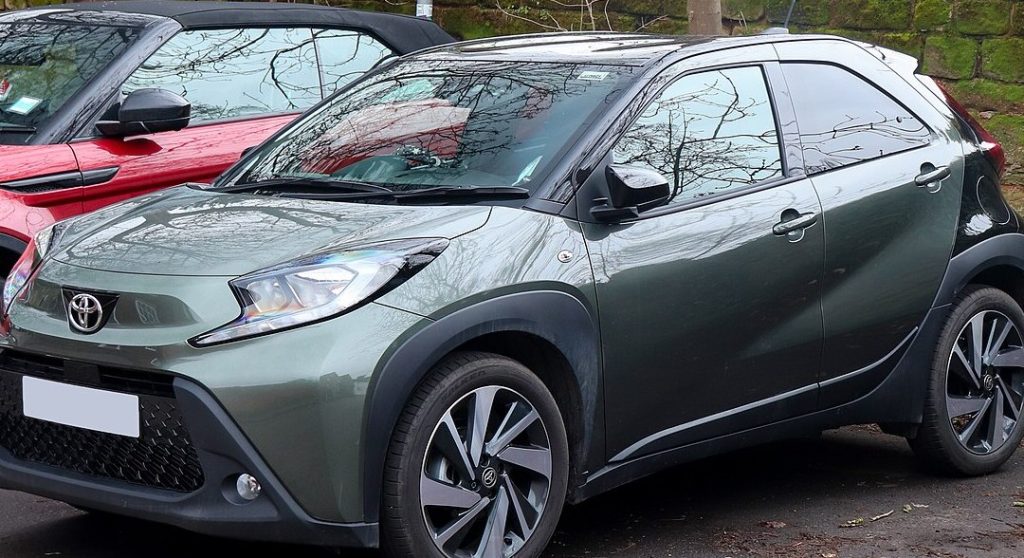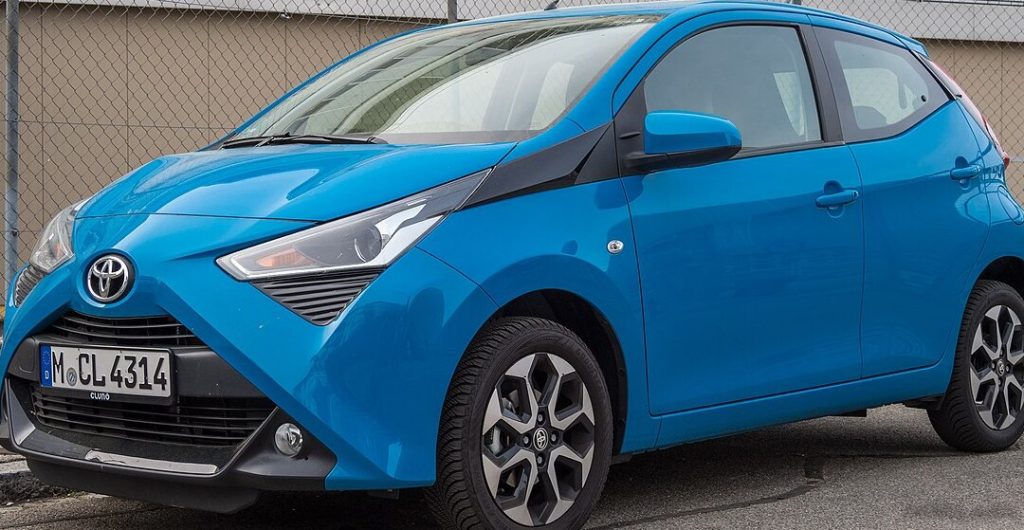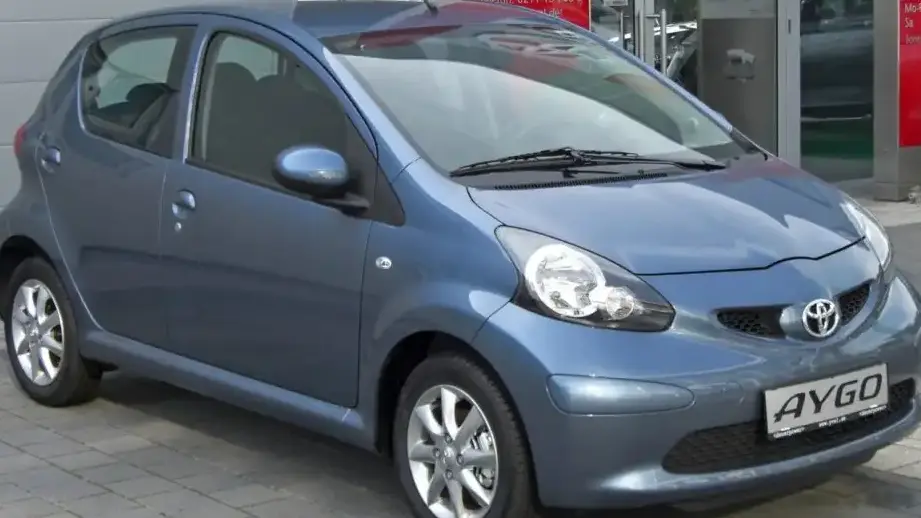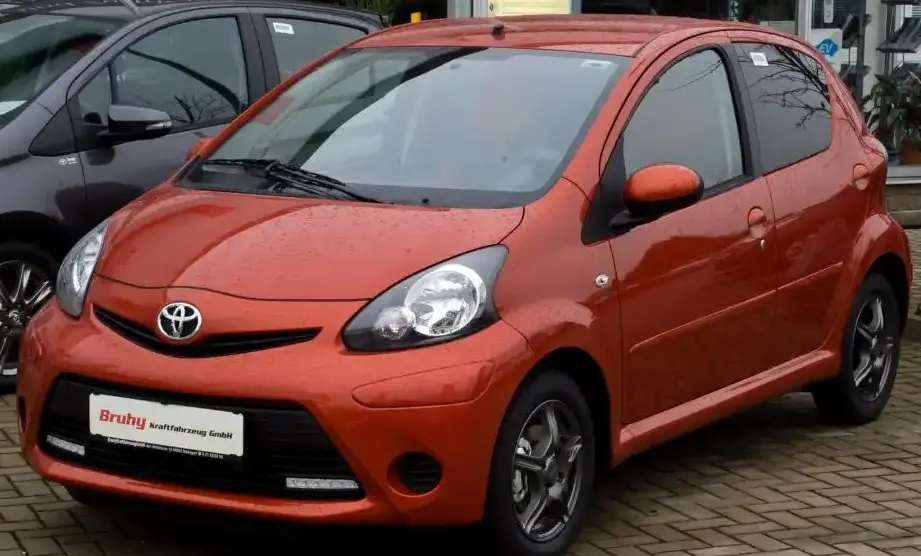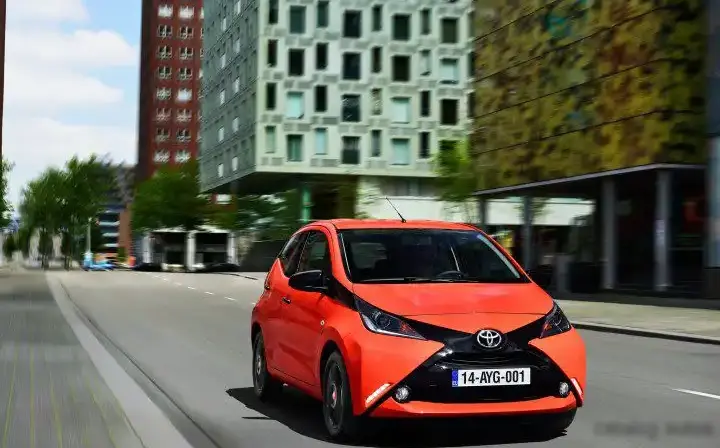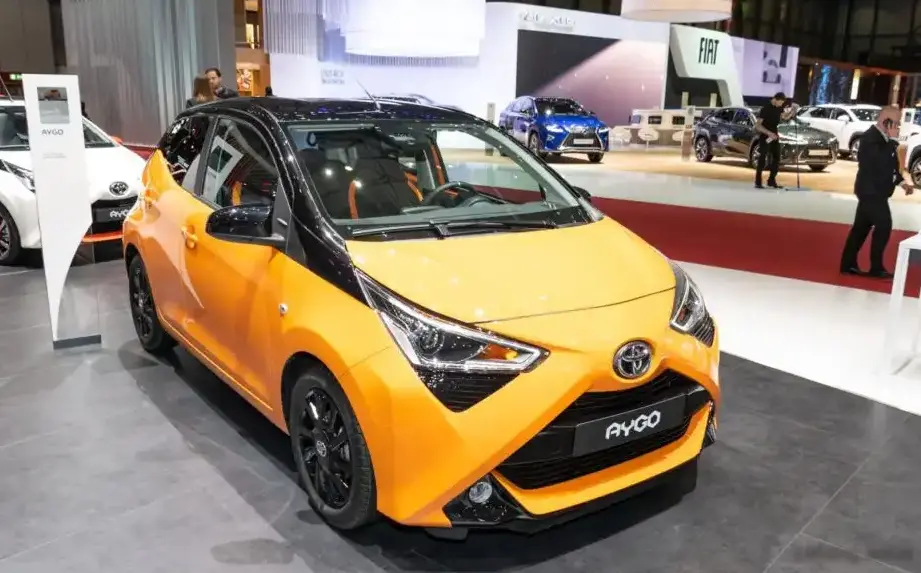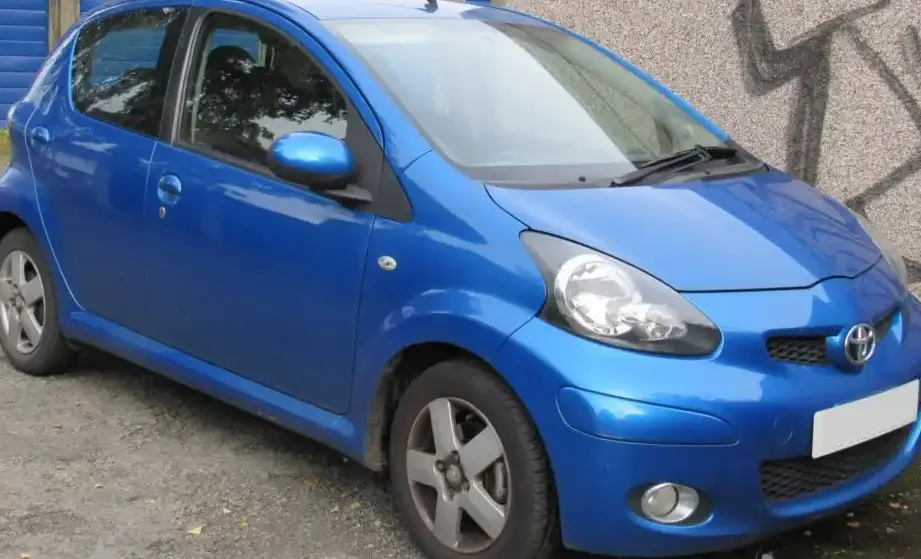
The Toyota Aygo (facelift, produced 2009-2012) 1.0 VVT-i with a 4-speed automatic transmission represented an entry-level offering within the second generation Aygo range (K160 series). Positioned as the most accessible variant, it catered to buyers prioritizing affordability and ease of use over outright performance. This facelift brought cosmetic updates to the original Aygo, but the core mechanicals remained largely consistent. The Aygo, as a whole, was Toyota’s foray into the burgeoning city car segment, primarily aimed at the European market, where compact dimensions and fuel efficiency were highly valued. It was developed in collaboration with Peugeot and Citroën, sharing its platform and many components with the Peugeot 107 and Citroën C1.
Technical Specifications
| Brand | Toyota |
| Model | Aygo |
| Generation | Aygo (facelift 2009) |
| Type (Engine) | 1.0 VVT-i (68 Hp) Automatic |
| Start of production | 2009 |
| End of production | 2012 |
| Powertrain Architecture | Internal Combustion engine |
| Body type | Hatchback |
| Seats | 5 |
| Doors | 5 |
| Fuel consumption (urban) | 5.5 l/100 km (42.8 US mpg, 51.4 UK mpg, 18.2 km/l) |
| Fuel consumption (extra urban) | 4.1 l/100 km (57.4 US mpg, 68.9 UK mpg, 24.4 km/l) |
| Fuel consumption (combined) | 4.6 l/100 km (51.1 US mpg, 61.4 UK mpg, 21.7 km/l) |
| Fuel Type | Petrol (Gasoline) |
| Acceleration 0 – 100 km/h | 14.2 sec |
| Acceleration 0 – 62 mph | 14.2 sec |
| Acceleration 0 – 60 mph | 13.5 sec |
| Maximum speed | 157 km/h (97.56 mph) |
| Weight-to-power ratio | 12.2 kg/Hp |
| Weight-to-torque ratio | 8.9 kg/Nm |
| Power | 68 Hp @ 6000 rpm |
| Torque | 93 Nm @ 3600 rpm (68.59 lb.-ft. @ 3600 rpm) |
| Engine layout | Front, Transverse |
| Engine Model/Code | 1KR-FE |
| Engine displacement | 998 cm3 (60.9 cu. in.) |
| Number of cylinders | 3 |
| Engine configuration | Inline |
| Cylinder Bore | 71 mm (2.8 in.) |
| Piston Stroke | 84 mm (3.31 in.) |
| Compression ratio | 10.5:1 |
| Number of valves per cylinder | 4 |
| Fuel injection system | Multi-port manifold injection |
| Engine aspiration | Naturally aspirated |
| Engine oil capacity | 3.1 l (3.28 US qt, 2.73 UK qt) |
| Coolant capacity | 4 l (4.23 US qt, 3.52 UK qt) |
| Kerb Weight | 830 kg (1829.84 lbs.) |
| Max. weight | 1190 kg (2623.5 lbs.) |
| Max load | 360 kg (793.66 lbs.) |
| Trunk (boot) space (minimum) | 139 l (4.91 cu. ft.) |
| Fuel tank capacity | 35 l (9.25 US gal, 7.7 UK gal) |
| Length | 3415 mm (134.45 in.) |
| Width | 1615 mm (63.58 in.) |
| Height | 1465 mm (57.68 in.) |
| Wheelbase | 2340 mm (92.13 in.) |
| Front track | 1415 mm (55.71 in.) |
| Rear track | 1405 mm (55.31 in.) |
| Drivetrain Architecture | Front wheel drive |
| Number of gears | 5 |
| Gearbox type | Automatic transmission |
| Front suspension | Independent type McPherson |
| Rear suspension | Torsion |
| Front brakes | Ventilated discs |
| Rear brakes | Drum |
| Assisting systems | ABS (Anti-lock braking system) |
| Steering type | Steering rack and pinion |
INTRODUCTION
The 2009 facelift of the Toyota Aygo, featuring the 1.0-liter VVT-i engine paired with a 4-speed automatic transmission, was designed to provide an affordable and convenient urban transportation solution. Built on the collaborative 1HX0/A3 platform shared with the Peugeot 107 and Citroën C1, the Aygo aimed to capture a segment of the European market seeking a small, economical, and reliable vehicle. The automatic transmission option, while adding to the convenience, positioned this variant as a slightly more premium offering within the Aygo lineup, appealing to drivers who preferred the simplicity of an automatic gearbox over a manual.
Powertrain & Engine Architecture
At the heart of the Aygo 1.0 Automatic lies the 1KR-FE engine, a 998cc inline-3 cylinder petrol engine. This engine utilizes Toyota’s Variable Valve Timing-intelligent (VVT-i) system, which optimizes valve timing based on engine speed and load, improving both fuel efficiency and power delivery. The 1KR-FE employs a multi-point fuel injection system, delivering fuel directly to the intake ports. The engine’s relatively simple design contributes to its reliability and ease of maintenance. The 4-speed automatic transmission, while not offering the efficiency of more modern transmissions, provided smooth and predictable gear changes. It’s a conventional hydraulic automatic, known for its durability but also for its slightly less responsive feel compared to continuously variable transmissions (CVTs) or more advanced automatics.
Driving Characteristics
The Aygo 1.0 Automatic’s driving experience is best described as undemanding. With only 68 horsepower and 93 Nm of torque, acceleration is leisurely. The 0-60 mph time of around 13.5 seconds and a top speed of 97.56 mph reflect this. The automatic transmission, while convenient, does sap some performance compared to the 5-speed manual version. Gear ratios are tuned for fuel economy rather than outright acceleration. In city driving, the automatic transmission shines, providing a smooth and effortless experience. However, on highways or when overtaking, the engine can feel strained, requiring careful planning. The light weight of the vehicle (830 kg) helps to mitigate the lack of power to some extent.
Equipment & Trim Levels
The Aygo 1.0 Automatic typically came with a basic but functional equipment list. Standard features included power steering, central locking, electric front windows, and an ABS anti-lock braking system. Interior upholstery was typically cloth, with a simple dashboard layout. Optional extras included air conditioning, alloy wheels, and a radio/CD player. Higher trim levels, if selected, might have added features like body-colored door handles and mirrors, and upgraded interior trim. The focus was on providing essential features at an affordable price point.
Chassis & Braking
The Aygo’s chassis is designed for nimble handling in urban environments. It features an independent McPherson strut suspension at the front and a torsion beam suspension at the rear. The front brakes are ventilated discs, providing adequate stopping power, while the rear brakes are drums, a cost-saving measure common in this class of vehicle. The relatively lightweight construction contributes to the car’s agility. Stabilizer bars were typically absent on the base models, further emphasizing the focus on comfort over sporty handling.
Market Reception & Comparison
The Aygo 1.0 Automatic was generally well-received as a practical and economical city car. Critics praised its fuel efficiency and ease of driving, particularly in congested urban areas. However, the lack of power and the somewhat dated 4-speed automatic transmission were common criticisms. Compared to the manual version, the automatic offered less engaging driving experience and slightly lower fuel economy. Compared to other city cars like the Fiat Panda or Volkswagen Up!, the Aygo offered a competitive price point and Toyota’s reputation for reliability. The 1.0L engine was often compared to the 1.4L engine in terms of performance, with the 1.4L offering a more spirited driving experience but at a higher cost.
Legacy
The Toyota Aygo 1.0 Automatic, while not a performance icon, has proven to be a reliable and durable vehicle. The 1KR-FE engine is known for its longevity, and the simple automatic transmission is relatively trouble-free. In the used car market, these Aygo models remain popular as affordable and economical transportation options. Their compact size and low running costs make them particularly appealing to first-time drivers and those seeking a practical city car. While newer city cars offer more advanced technology and features, the Aygo 1.0 Automatic continues to represent a solid value proposition for budget-conscious buyers.