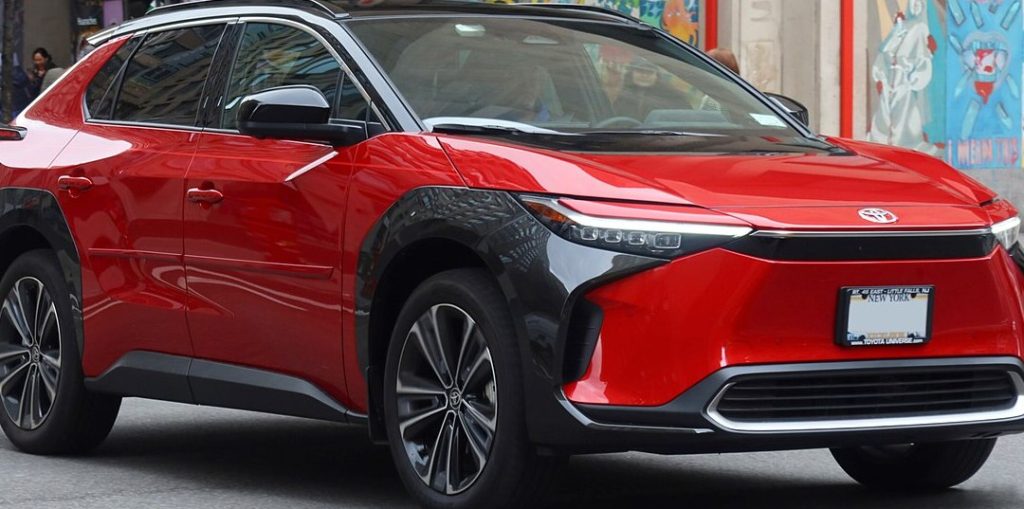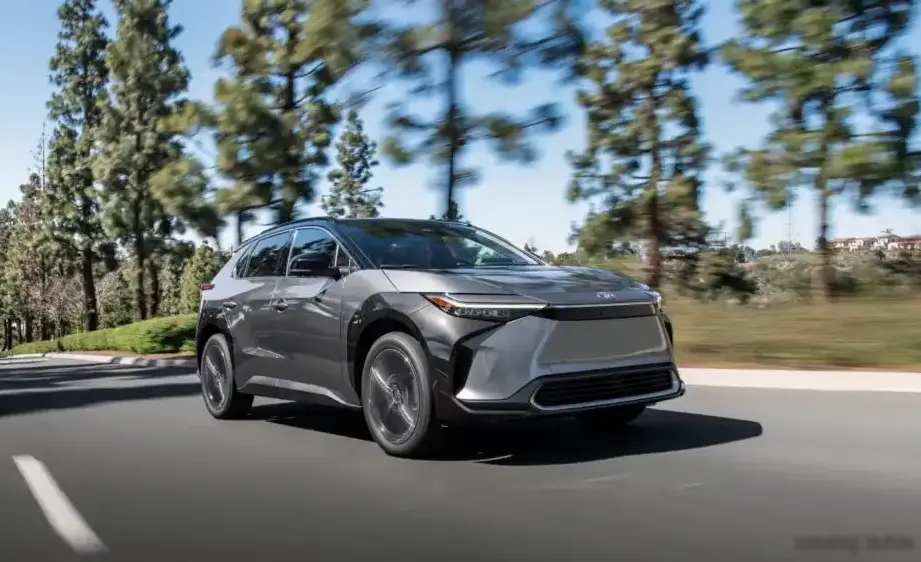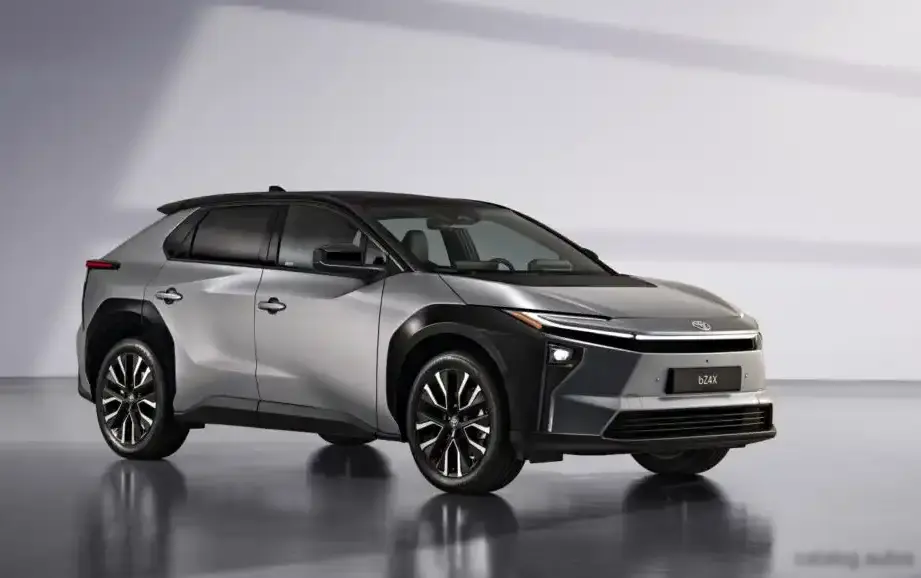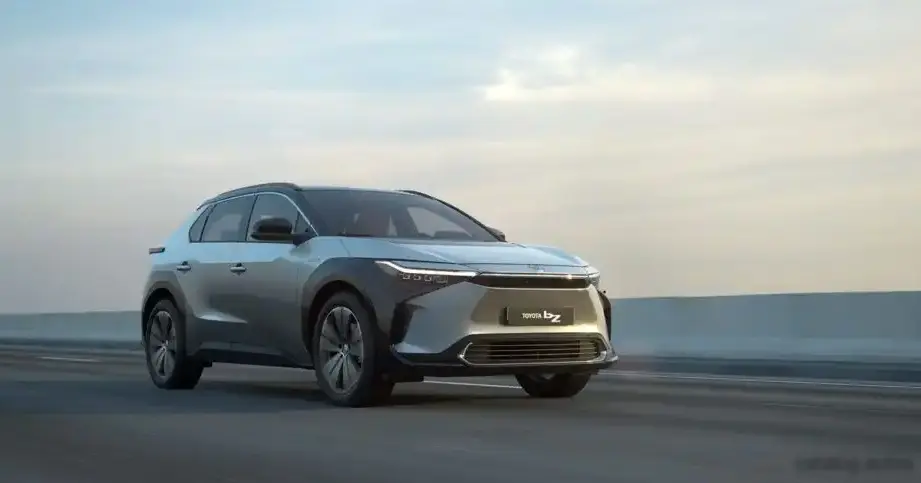
The Toyota bZ4X 71.4 kWh, producing 204 horsepower, represents Toyota’s initial foray into a dedicated battery electric vehicle (BEV) platform. Introduced in July 2022 and produced through July 2025, this model is a key component of Toyota’s broader electrification strategy. The bZ4X, built on the e-TNGA platform co-developed with Subaru, aims to provide a competitive all-electric SUV option in the rapidly expanding EV market. This specific variant, equipped with a 71.4 kWh battery pack, serves as a mid-range offering within the bZ4X lineup, positioned between the lower-trim, shorter-range models and the dual-motor, all-wheel-drive configurations.
Technical Specifications
| Brand | Toyota |
| Model | bZ4X |
| Generation | bZ4X |
| Type (Engine) | 71.4 kWh (204 Hp) BEV |
| Start of production | July, 2022 |
| End of production | July, 2025 |
| Powertrain Architecture | BEV (Electric Vehicle) |
| Body type | SUV |
| Seats | 5 |
| Doors | 5 |
| Fuel Type | Electricity |
| Acceleration 0 – 100 km/h | 8.4 sec |
| Acceleration 0 – 62 mph | 8.4 sec |
| Acceleration 0 – 60 mph | 8 sec |
| Weight-to-power ratio | 9.4 kg/Hp |
| Hp/tonne | 106.3 Hp/tonne |
| Gross battery capacity | 71.4 kWh |
| All-electric range (WLTP) | 500 km (310.69 mi) |
| Electric motor power | 204 Hp |
| Electric motor location | Front axle, Transverse |
| System power | 204 Hp |
| Kerb Weight | 1920 kg (4232.88 lbs) |
| Max. weight | 2195 kg (4839.15 lbs) |
| Max load | 275 kg (606.27 lbs) |
| Length | 4690 mm (184.65 in) |
| Width | 1860 mm (73.23 in) |
| Height | 1650 mm (64.96 in) |
| Wheelbase | 2850 mm (112.2 in) |
| Minimum turning circle | 11.4 m (37.4 ft) |
| Drivetrain Architecture | One electric motor drives the front wheels |
| Drive wheel | Front wheel drive |
| Front suspension | Spring Strut, Coil spring |
| Rear suspension | Double wishbone |
| Front brakes | Ventilated discs |
| Rear brakes | Ventilated discs |
| Assisting systems | ABS (Anti-lock braking system) |
| Steering type | Steering rack and pinion |
| Power steering | Electric Steering |
Powertrain & Engine Architecture
The bZ4X 71.4 kWh utilizes a permanent magnet synchronous motor located on the front axle. This motor produces 204 horsepower and delivers power directly to the front wheels. The 71.4 kWh lithium-ion battery pack is positioned under the floor, contributing to a low center of gravity and improved handling. The battery utilizes a liquid cooling system to maintain optimal operating temperatures. The vehicle employs a single-speed reduction gear, typical of most BEVs, to efficiently transfer power from the motor to the wheels. The charging system supports both AC and DC fast charging, with DC fast charging capable of adding a significant range in a relatively short period. The bZ4X does not have a traditional multi-gear transmission; power delivery is managed electronically by the motor controller.
Driving Characteristics
The front-wheel-drive configuration of the bZ4X 71.4 kWh provides adequate traction for most driving conditions. Acceleration from 0-60 mph is achieved in approximately 8 seconds, making it competitive with other mainstream electric SUVs. The instant torque delivery characteristic of electric motors provides brisk acceleration at lower speeds. Compared to the dual-motor, all-wheel-drive bZ4X variants, this front-wheel-drive model offers slightly less overall performance but benefits from improved efficiency. The single-speed transmission provides a linear power delivery, without the gear changes found in internal combustion engine vehicles. The regenerative braking system allows for one-pedal driving in certain modes, enhancing efficiency and driver convenience.
Equipment & Trim Levels
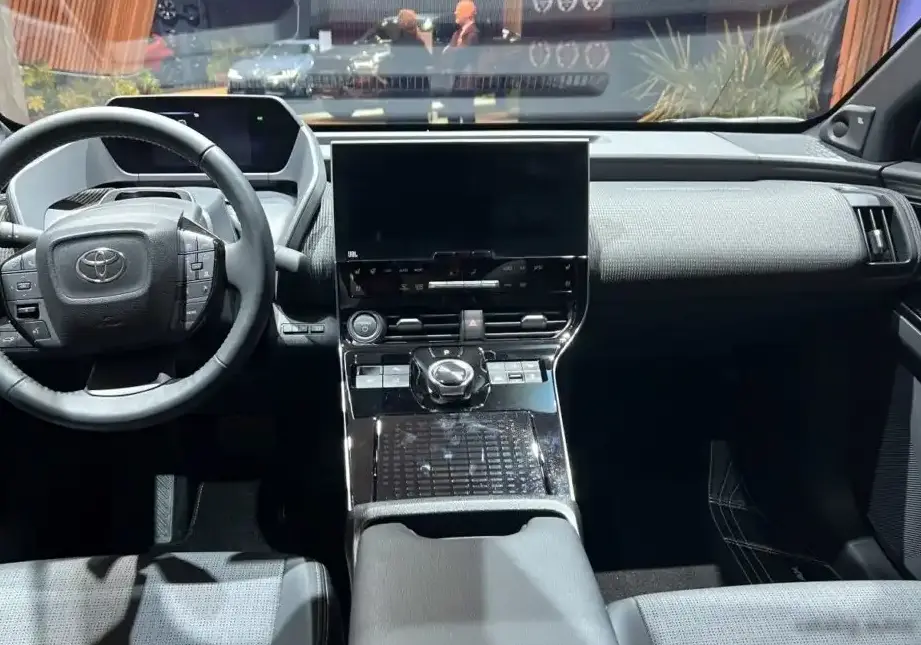
The bZ4X 71.4 kWh typically comes standard with features such as an 8-inch touchscreen infotainment system, Apple CarPlay and Android Auto compatibility, Toyota Safety Sense 3.0 (including features like pre-collision system, lane departure alert, and adaptive cruise control), and automatic climate control. Interior upholstery is generally cloth, with available upgrades to SofTex synthetic leather. Higher trim levels offer features like a larger 12.3-inch touchscreen, heated and ventilated front seats, a panoramic sunroof, and a premium audio system. Optional extras include a home charging station and various accessory packages.
Chassis & Braking
The bZ4X utilizes a MacPherson strut suspension in the front and a double wishbone suspension in the rear, providing a comfortable ride and stable handling. Ventilated disc brakes are used on all four wheels, offering sufficient stopping power. The electric power steering system provides precise and responsive steering feel. The vehicle’s relatively low center of gravity, due to the battery pack’s placement, contributes to reduced body roll during cornering. ABS (Anti-lock Braking System) is standard, enhancing braking performance in emergency situations.
Market Reception & Comparison
The Toyota bZ4X received mixed reviews upon its release. Critics praised its spacious interior, comfortable ride, and standard safety features. However, some concerns were raised regarding its range, charging speed, and the somewhat unconventional steering feel. Compared to competitors like the Tesla Model Y, Hyundai IONIQ 5, and Kia EV6, the bZ4X offered a more traditional SUV experience but often lagged behind in terms of range and charging infrastructure access. Fuel economy, expressed as MPGe (miles per gallon equivalent), is competitive within the electric SUV segment. Reliability data is still emerging, but Toyota’s reputation for reliability is expected to translate positively to the bZ4X over time.
Legacy
The Toyota bZ4X represents a significant step for Toyota in the electric vehicle market. While early models experienced some recalls related to software and potential battery issues, Toyota has been actively addressing these concerns through updates. The long-term reliability of the powertrain remains to be fully assessed, but the inherent simplicity of electric drivetrains suggests a potentially long lifespan with proper maintenance. On the used car market, the bZ4X 71.4 kWh is becoming increasingly attractive as prices decrease and the demand for electric vehicles continues to grow. Its position as Toyota’s first dedicated EV ensures its place in automotive history as a pivotal model in the transition towards sustainable transportation.