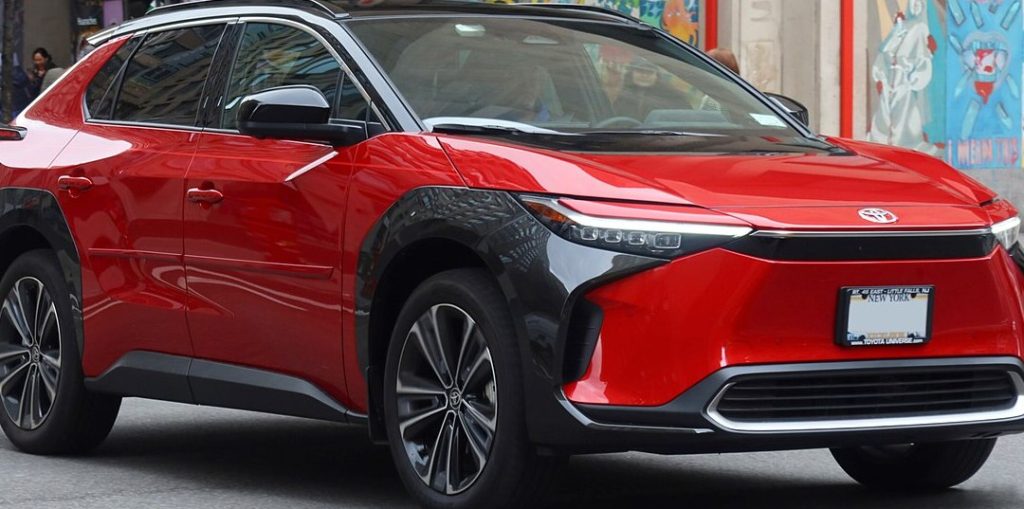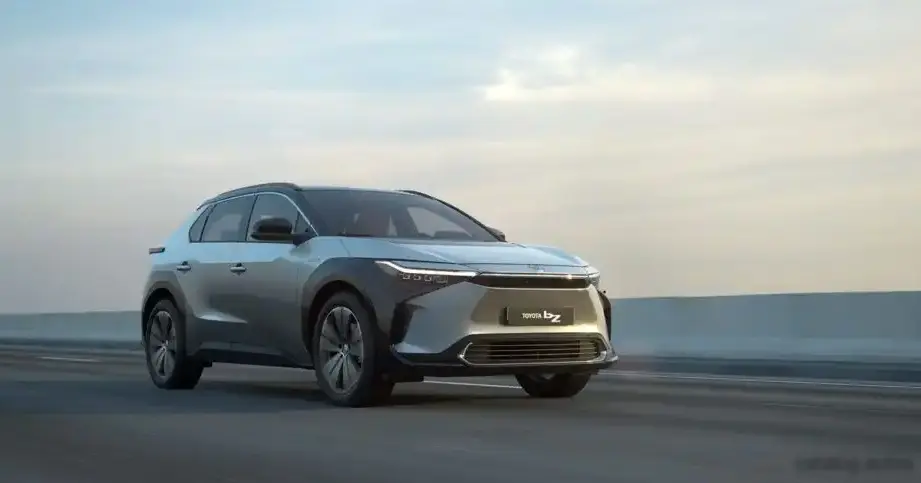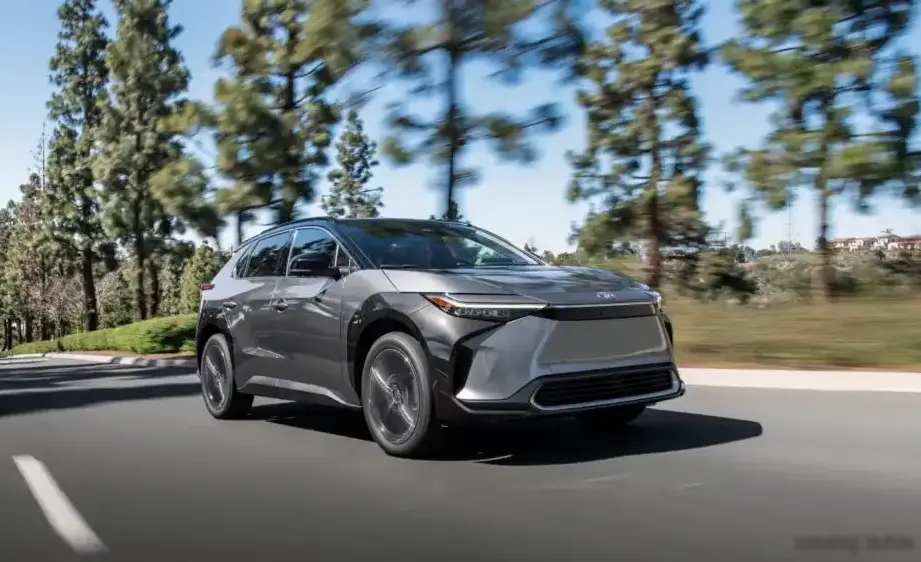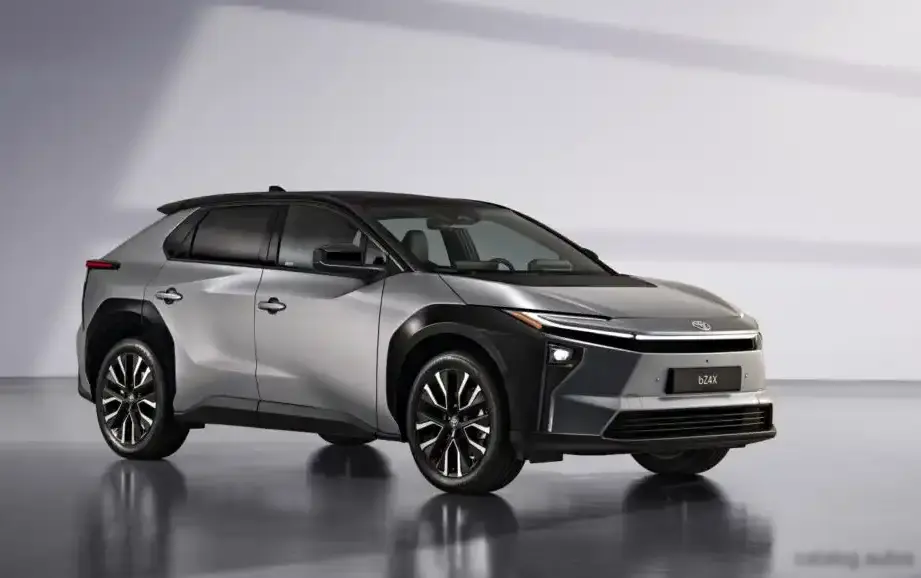
The Toyota bZ4X, specifically the facelifted 2025 model equipped with the 73 kWh battery pack and delivering 224 horsepower, represents Toyota’s significant entry into the all-electric SUV market. Introduced for the 2023 model year and receiving a notable refresh for 2025, the bZ4X is built upon the e-TNGA platform, co-developed with Subaru. This platform is dedicated to electric vehicles and allows for a flexible architecture to accommodate various battery sizes and drivetrain configurations. The 2025 facelift addresses some initial criticisms of the model, focusing on battery range improvements and enhanced features. This particular variant, with its 73 kWh battery, positions itself as a mid-range offering within the bZ4X lineup, balancing range with affordability.
Technical Specifications
| Brand | Toyota |
| Model | bZ4X |
| Generation | bZ4X (facelift 2025) |
| Type (Engine) | 73 kWh (224 Hp) BEV |
| Start of production | July, 2025 |
| Powertrain Architecture | BEV (Electric Vehicle) |
| Body type | SUV |
| Seats | 5 |
| Doors | 5 |
| Fuel Type | Electricity |
| Acceleration 0 – 100 km/h | 7.4 sec |
| Acceleration 0 – 62 mph | 7.4 sec |
| Acceleration 0 – 60 mph | 7 sec |
| Maximum speed | 160 km/h (99.42 mph) |
| Weight-to-power ratio | 9.3 kg/Hp, 107.2 Hp/tonne |
| Weight-to-torque ratio | 7.8 kg/Nm, 128.2 Nm/tonne |
| Gross battery capacity | 73 kWh |
| Battery technology | Lithium-ion (Li-Ion) |
| Battery location | Below the floor |
| All-electric range (WLTP) | 511-568 km (317.52 – 352.94 mi) |
| Average Energy consumption (WLTP) | 13.5-15.1 kWh/100 km (21.73 – 24.3 kWh/100 mi) |
| MPGe | 155 – 139 |
| km/kWh | 7.4 – 6.6 |
| mi/kWh | 4.6 – 4.1 |
| Electric motor power | 224 Hp |
| Electric motor Torque | 268 Nm (197.67 lb.-ft.) |
| Electric motor location | Front axle, Transverse |
| Electric motor type | Synchronous |
| System power | 224 Hp |
| System torque | 268 Nm (197.67 lb.-ft.) |
| Kerb Weight | 2090-2135 kg (4607.66 – 4706.87 lbs.) |
| Max. weight | 2520 kg (5555.65 lbs.) |
| Max load | 385-430 kg (848.78 – 947.99 lbs.) |
| Trunk (boot) space – minimum | 452 l (15.96 cu. ft.) |
| Max. roof load | 75 kg (165.35 lbs.) |
| Permitted trailer load with brakes (12%) | 750 kg (1653.47 lbs.) |
| Permitted trailer load without brakes | 750 kg (1653.47 lbs.) |
| Permitted towbar download | 75 kg (165.35 lbs.) |
| Length | 4690 mm (184.65 in.) |
| Width | 1860 mm (73.23 in.) |
| Height | 1650 mm (64.96 in.) |
| Wheelbase | 2850 mm (112.2 in.) |
| Front overhang | 915 mm (36.02 in.) |
| Rear overhang | 925 mm (36.42 in.) |
| Ride height (ground clearance) | 201 mm (7.91 in.) |
| Drive wheel | Front wheel drive |
| Number of gears and type of gearbox | 1 gears, automatic transmission |
| Front brakes | Ventilated discs |
| Rear brakes | Ventilated discs |
Powertrain & Engine Architecture
The 2025 bZ4X 73 kWh utilizes a single electric motor driving the front wheels. This configuration simplifies the drivetrain, contributing to efficiency. The motor itself is a permanent magnet synchronous motor, known for its high efficiency and power density. The 73 kWh lithium-ion battery pack is positioned under the floor of the vehicle, contributing to a low center of gravity and improved handling. The battery management system (BMS) is crucial for optimizing battery life, performance, and safety, monitoring cell voltages, temperatures, and overall health. The facelifted model benefits from improvements to the battery’s thermal management system, enhancing cold-weather performance and extending overall range. The single-speed automatic transmission is a direct-drive system, typical of electric vehicles, providing smooth and seamless acceleration.
Driving Characteristics
The front-wheel-drive configuration of this bZ4X variant delivers adequate performance for daily commuting and highway driving. Acceleration from 0-60 mph is achieved in approximately 7 seconds. While not as quick as dual-motor, all-wheel-drive versions, the 73 kWh model offers a comfortable and predictable driving experience. The single-speed transmission provides instant torque, characteristic of electric motors, resulting in brisk acceleration from a standstill. The low center of gravity, thanks to the underfloor battery pack, contributes to stable handling. Regenerative braking is adjustable, allowing drivers to customize the level of deceleration when lifting off the throttle, maximizing energy recovery and extending range. Compared to potential future higher-performance variants, this model prioritizes efficiency and range over outright speed.
Equipment & Trim Levels
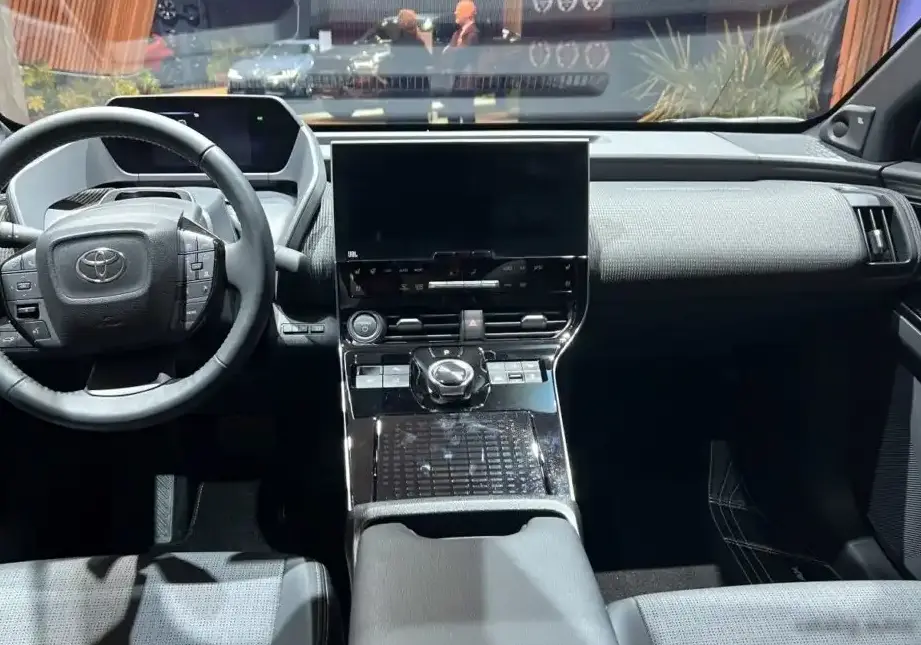
The 2025 bZ4X 73 kWh typically comes standard with a comprehensive suite of features, including Toyota Safety Sense 3.0, which encompasses pre-collision system with pedestrian detection, lane departure alert with steering assist, full-speed range dynamic radar cruise control, and road sign assist. Interior features generally include an 8-inch touchscreen infotainment system (upgraded to 12.3-inch in higher trims), Apple CarPlay and Android Auto compatibility, and a digital instrument cluster. Upholstery is typically cloth in the base trims, with available upgrades to SofTex synthetic leather. Optional extras often include a panoramic sunroof, heated and ventilated front seats, and a premium audio system. The 2025 facelift introduced improvements to the interior materials and overall refinement.
Chassis & Braking
The bZ4X utilizes a MacPherson strut suspension in the front and a multi-link suspension in the rear, providing a comfortable ride and responsive handling. The suspension is tuned to balance ride comfort with stability. Braking duties are handled by ventilated disc brakes on all four wheels, providing ample stopping power. Anti-lock braking system (ABS) and electronic brake-force distribution (EBD) are standard features. The vehicle’s weight, ranging from 2090 to 2135 kg (4607.66 – 4706.87 lbs.), is relatively high due to the battery pack, but the low center of gravity mitigates some of the handling challenges associated with the weight.
Market Reception & Comparison
The Toyota bZ4X has received mixed reviews, with critics praising its comfortable ride, spacious interior, and standard safety features. However, initial concerns were raised regarding its range and charging speed, which Toyota addressed with the 2025 facelift. Compared to competitors like the Tesla Model Y, Hyundai IONIQ 5, and Kia EV6, the bZ4X offers a more traditional SUV driving experience. Its range is competitive, but generally falls slightly short of some rivals. The bZ4X’s pricing is generally in line with other mid-range electric SUVs. Reliability is expected to be strong, consistent with Toyota’s reputation, although long-term data is still emerging.
Legacy
The Toyota bZ4X represents a pivotal step for Toyota in its electrification strategy. The 73 kWh variant, as a mid-range offering, is expected to be a popular choice for buyers seeking a balance of range, performance, and affordability. The e-TNGA platform is likely to underpin future Toyota and Subaru electric vehicles. The long-term reliability of the powertrain remains to be seen, but Toyota’s commitment to quality and its extensive experience with hybrid technology suggest a positive outlook. As the electric vehicle market matures, the bZ4X is poised to become a significant player, contributing to the widespread adoption of electric mobility.