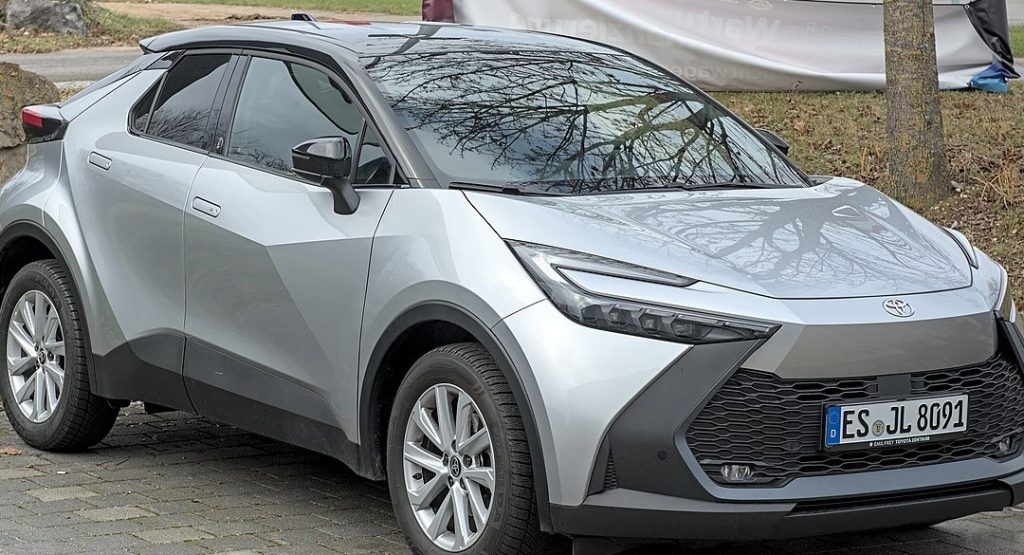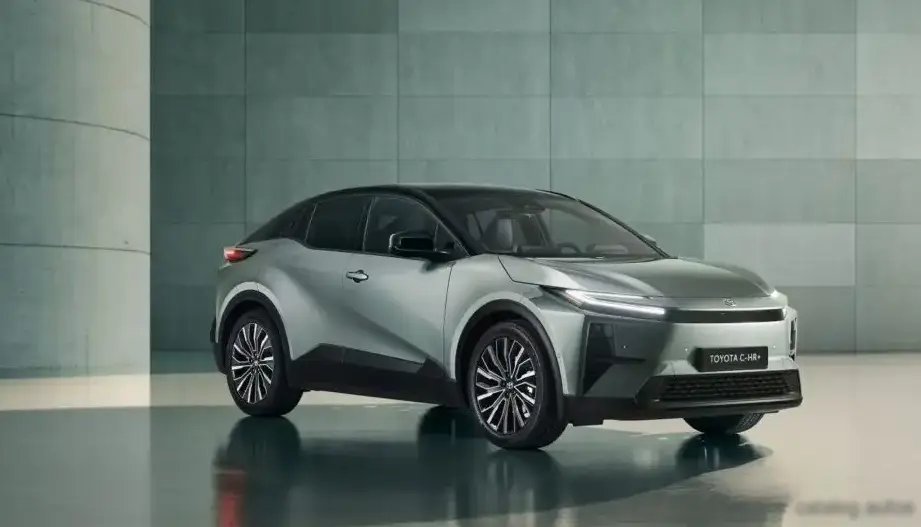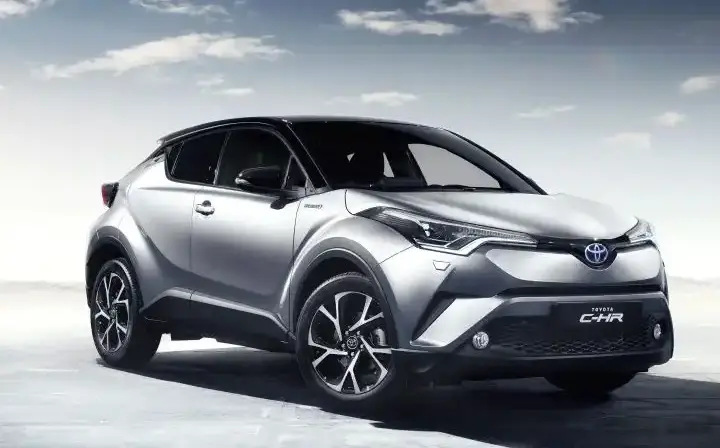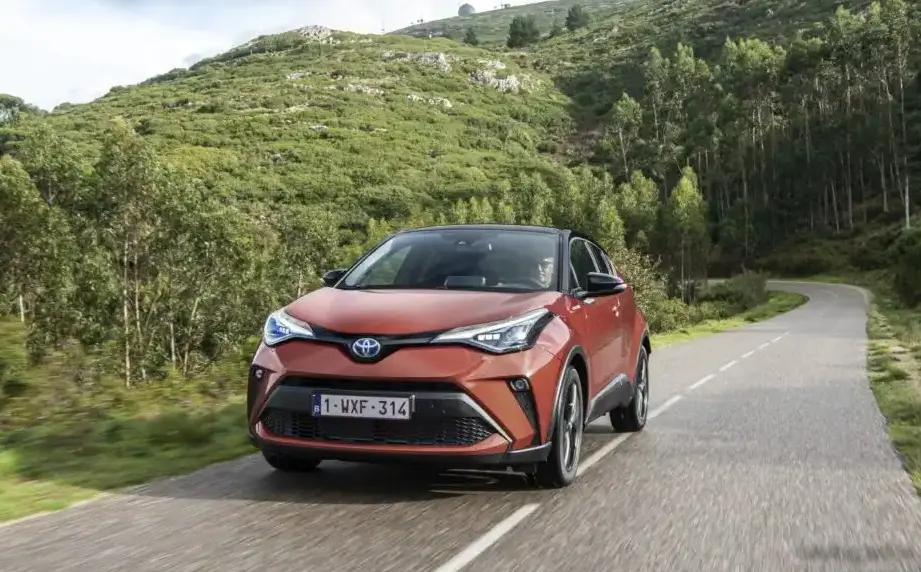
The Toyota C-HR (Compact High Rider) is a subcompact crossover SUV introduced by Toyota in 2016. The first generation, designated the C-HR I, ran from 2016 to 2023, receiving a significant facelift in 2020. This article focuses specifically on the 1.2-liter (116 horsepower) variant of the facelifted C-HR I, produced from 2020 through June 2023. This engine and trim level represented an entry point into the C-HR range, aimed at buyers prioritizing fuel efficiency and affordability within the stylish C-HR package. It was primarily marketed in Europe and other regions outside of North America, where the C-HR was not initially offered.
Technical Specifications
| Brand | Toyota |
| Model | C-HR |
| Generation | C-HR I (facelift 2020) |
| Type (Engine) | 1.2 (116 Hp) |
| Start of production | 2020 |
| End of production | June, 2023 |
| Powertrain Architecture | Internal Combustion engine |
| Body type | SUV |
| Seats | 5 |
| Doors | 5 |
| Fuel consumption (urban) | 7.3-7.6 l/100 km (32.2 – 30.9 US mpg) |
| Fuel consumption (extra urban) | 5.3 l/100 km (44.4 US mpg) |
| Fuel consumption (combined) | 6.1-6.2 l/100 km (38.6 – 37.9 US mpg) |
| CO2 emissions | 138 g/km |
| Fuel Type | Petrol (Gasoline) |
| Acceleration 0 – 100 km/h | 10.9 sec |
| Acceleration 0 – 62 mph | 10.9 sec |
| Acceleration 0 – 60 mph | 10.4 sec |
| Maximum speed | 190 km/h (118.06 mph) |
| Emission standard | Euro 6 |
| Weight-to-power ratio | 11.9 kg/Hp |
| Weight-to-torque ratio | 7.4 kg/Nm |
| Power | 116 Hp @ 5200-5600 rpm |
| Torque | 185 Nm @ 1500-4000 rpm (136.45 lb.-ft. @ 1500-4000 rpm) |
| Engine layout | Front, Transverse |
| Engine Model/Code | 8NR-FTS |
| Engine displacement | 1197 cm3 (73.05 cu. in.) |
| Number of cylinders | 4 |
| Engine configuration | Inline |
| Cylinder Bore | 71.5 mm (2.81 in.) |
| Piston Stroke | 74.5 mm (2.93 in.) |
| Compression ratio | 10:1 |
| Number of valves per cylinder | 4 |
| Fuel injection system | Direct injection |
| Engine aspiration | Turbocharger, Intercooler |
| Valvetrain | DOHC, Dual VVT-iW |
| Engine oil capacity | 4 l (4.23 US qt | 3.52 UK qt) |
| Coolant | 6.4 l (6.76 US qt | 5.63 UK qt) |
| Kerb Weight | 1375-1435 kg (3031.36 – 3163.63 lbs.) |
| Max. weight | 1845 kg (4067.53 lbs.) |
| Max load | 410-470 kg (903.9 – 1036.17 lbs.) |
| Trunk (boot) space – minimum | 377 l (13.31 cu. ft.) |
| Fuel tank capacity | 50 l (13.21 US gal | 11 UK gal) |
| Permitted trailer load with brakes (12%) | 1300 kg (2866.01 lbs.) |
| Permitted trailer load without brakes | 730 kg (1609.37 lbs.) |
| Length | 4390 mm (172.83 in.) |
| Width | 1795 mm (70.67 in.) |
| Height | 1565 mm (61.61 in.) |
| Wheelbase | 2640 mm (103.94 in.) |
| Front track | 1540-1550 mm (60.63 – 61.02 in.) |
| Rear (Back) track | 1550-1560 mm (61.02 – 61.42 in.) |
| Front overhang | 935 mm (36.81 in.) |
| Rear overhang | 815 mm (32.09 in.) |
| Drag coefficient (Cd) | 0.33 |
| Minimum turning circle (turning diameter) | 11.0 m (36.09 ft.) |
| Drivetrain Architecture | Front wheel drive |
| Drive wheel | Front wheel drive |
| Number of gears and type of gearbox | 6 gears, manual transmission |
| Front suspension | Independent type McPherson |
| Rear suspension | Double wishbone |
| Front brakes | Ventilated discs, 298 mm |
| Rear brakes | Disc, 281 mm |
| Assisting systems | ABS (Anti-lock braking system) |
| Steering type | Steering rack and pinion |
| Power steering | Electric Steering |
| Tires size | 215/60 R17 96H; 225/50 R18 95H |
| Wheel rims size | 17; 18 |
INTRODUCTION
The 2020 facelift of the Toyota C-HR I brought with it revised styling, improved technology, and a refined powertrain lineup. The 1.2-liter turbocharged engine, designated 8NR-FTS, was a key component of this update. This variant offered a balance between affordability and efficiency, making it a popular choice for urban drivers. Positioned as the entry-level engine option, it sat below the 1.8 Hybrid and, in some markets, a 2.0-liter naturally aspirated engine. The C-HR, in general, aimed to disrupt the traditional crossover segment with its bold design and focus on style, appealing to a younger demographic.
Powertrain & Engine Architecture
The 8NR-FTS is a 1.197-liter, inline-four cylinder gasoline engine featuring a single-scroll turbocharger and direct fuel injection (D-4S technology). This engine is part of Toyota’s NR engine family, known for its thermal efficiency. The turbocharger provides increased power output compared to naturally aspirated engines of similar displacement. The engine utilizes a Dual VVT-iW (Variable Valve Timing-intelligent Wide) system, optimizing valve timing for both intake and exhaust to improve performance and fuel economy across the rev range. The 1.2L engine was paired with either a six-speed manual transmission or a Continuously Variable Transmission (CVT). This discussion focuses on the manual transmission variant. The engine’s relatively small displacement and turbocharging contribute to reduced internal friction and improved responsiveness.
Driving Characteristics
The 1.2-liter C-HR delivers adequate performance for everyday driving, particularly in urban environments. With 116 horsepower and 185 Nm (136 lb-ft) of torque, acceleration from 0-60 mph takes around 10.4 seconds. While not particularly sporty, the turbocharger provides a noticeable boost in power during overtaking maneuvers. The six-speed manual transmission offers a reasonably engaging driving experience, although the gear ratios are tuned for fuel efficiency rather than outright performance. Compared to the 1.8 Hybrid, the 1.2L lacks the instant torque and seamless acceleration of the hybrid system. However, it offers a more traditional driving feel that some drivers prefer. The 2.0L engine, where available, provides significantly more power but at the cost of increased fuel consumption.
Equipment & Trim Levels
The 1.2-liter C-HR typically came equipped with a respectable level of standard features. These included Toyota Safety Sense, which encompasses pre-collision system with pedestrian detection, lane departure alert with steering assist, and automatic high beam. Interior features generally included a touchscreen infotainment system (typically 8 inches), Bluetooth connectivity, air conditioning, and power windows. Higher trim levels offered upgrades such as heated seats, a larger touchscreen display, navigation, and a premium sound system. Upholstery was typically cloth, with options for partial leather in higher trims. Exterior features included alloy wheels, LED headlights, and rear privacy glass.
Chassis & Braking
The C-HR I utilizes a front-wheel-drive platform with independent McPherson strut suspension in the front and a double wishbone suspension in the rear. This setup provides a comfortable ride quality, although it’s not particularly focused on sporty handling. The steering is electrically assisted, offering light and precise control. Braking duties are handled by ventilated discs in the front and solid discs in the rear. ABS (Anti-lock Braking System) is standard. The suspension tuning is geared towards comfort and stability, prioritizing ride quality over aggressive cornering.
Market Reception & Comparison
The 1.2-liter C-HR received generally positive reviews for its fuel efficiency, stylish design, and standard safety features. Critics noted that the engine could feel strained when fully loaded or during uphill climbs. Compared to the 1.8 Hybrid, the 1.2L offered lower upfront cost but higher fuel consumption. The 2.0L engine, when available, provided more power but at a higher price point. In terms of reliability, the 8NR-FTS engine has proven to be generally dependable, with few widespread issues reported. Fuel economy figures typically ranged from 38.6 to 37.9 US mpg combined, making it a competitive option in its class.
Legacy
The 2020-2023 Toyota C-HR 1.2L remains a popular choice in the used car market, particularly for buyers seeking a stylish and fuel-efficient crossover. The 8NR-FTS engine has demonstrated good long-term reliability, and maintenance costs are generally reasonable. While not the most powerful or engaging vehicle in its segment, the C-HR 1.2L offers a compelling combination of practicality, style, and affordability. Its distinctive design and well-equipped interior continue to appeal to a wide range of buyers.