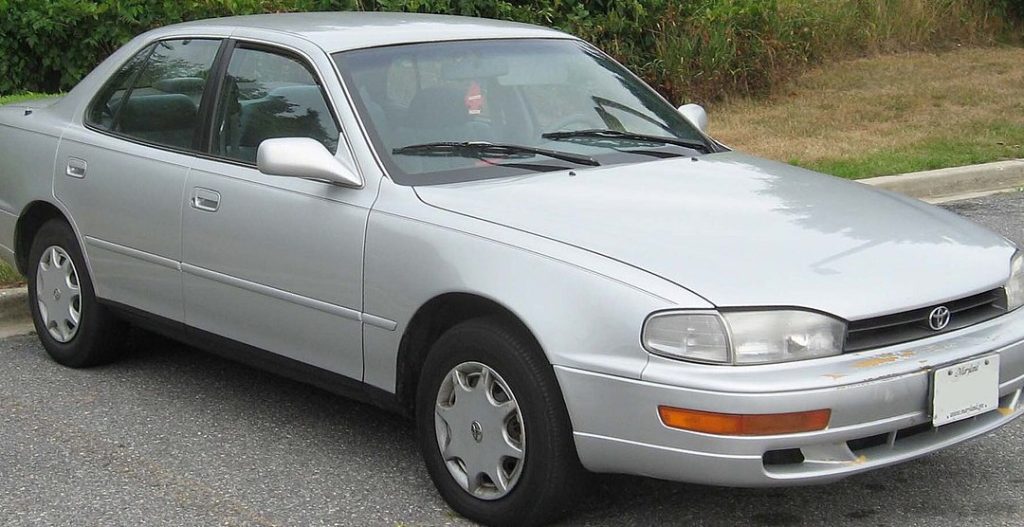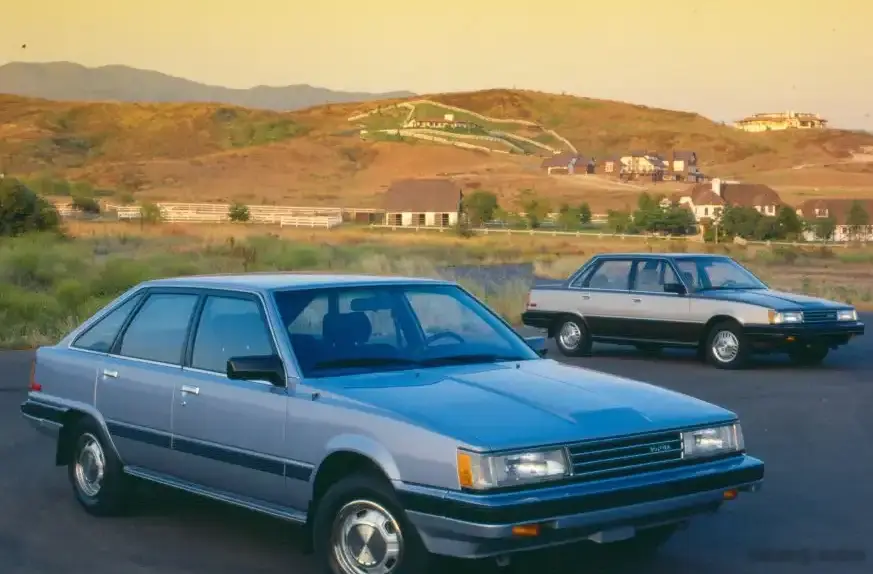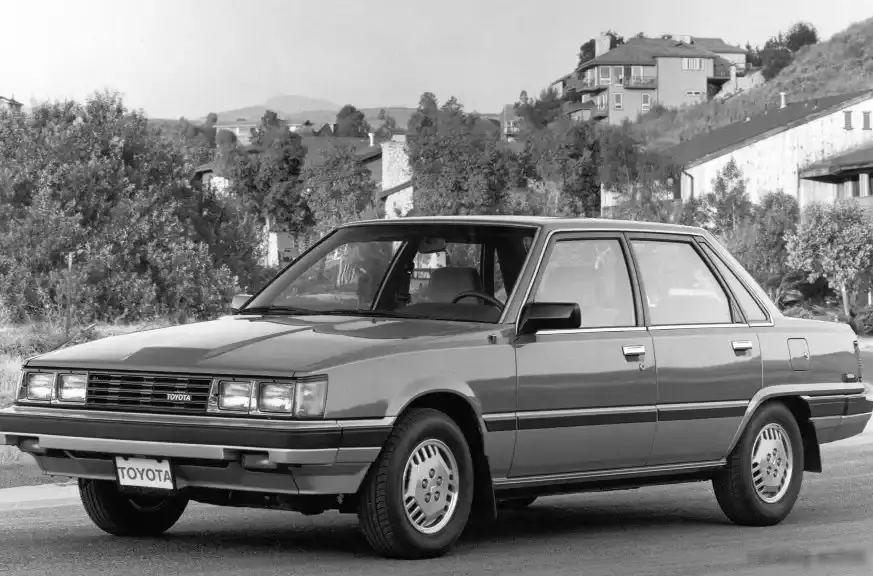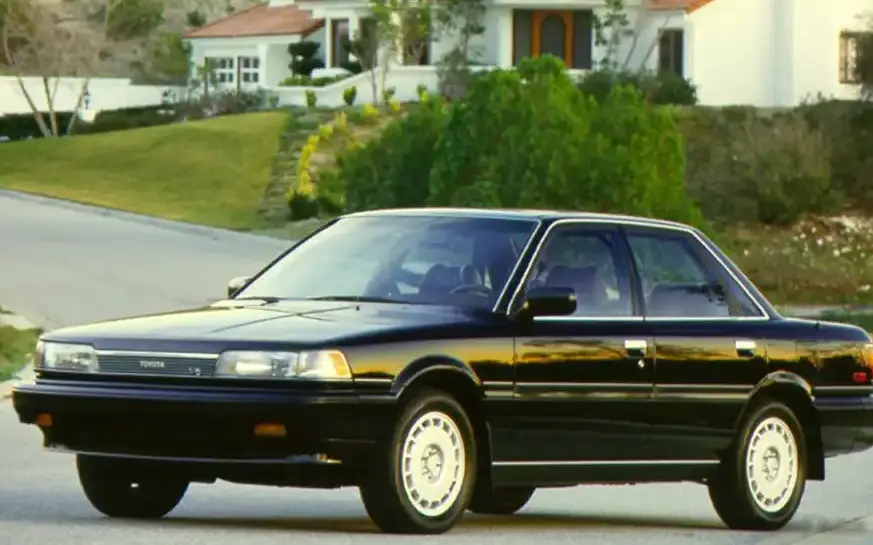
The Toyota Camry II (V20) 2.0 Turbo-D, produced between 1989 and 1991, represented a unique offering within the second generation Camry lineup. Positioned as a fuel-efficient alternative in markets where diesel engines were popular, this variant combined a turbocharged 2.0-liter diesel engine with a five-speed manual transmission. The V20 Camry, launched in 1988, was a significant step forward for Toyota, offering increased refinement and a more spacious interior compared to its predecessor. The 2.0 Turbo-D aimed to provide a balance between economy and acceptable performance, appealing to drivers seeking lower running costs without sacrificing practicality.
Technical Specifications
| Brand | Toyota |
| Model | Camry |
| Generation | Camry II (V20) |
| Type (Engine) | 2.0 Turbo-D (86 Hp) |
| Start of production | 1989 |
| End of production | 1991 |
| Powertrain Architecture | Internal Combustion engine |
| Body type | Sedan |
| Seats | 5 |
| Doors | 4 |
| Fuel Type | Diesel |
| Acceleration 0 – 100 km/h | 14.4 sec |
| Acceleration 0 – 62 mph | 14.4 sec |
| Acceleration 0 – 60 mph | 13.7 sec |
| Maximum speed | 170 km/h (105.63 mph) |
| Weight-to-power ratio | 14 kg/Hp, 71.4 Hp/tonne |
| Weight-to-torque ratio | 7.3 kg/Nm, 136.1 Nm/tonne |
| Power | 86 Hp @ 4500 rpm |
| Power per litre | 43.6 Hp/l |
| Torque | 164 Nm @ 2400 rpm (120.96 lb.-ft. @ 2400 rpm) |
| Engine layout | Front, Transverse |
| Engine Model/Code | 2C-TL |
| Engine displacement | 1974 cm3 (120.46 cu. in.) |
| Number of cylinders | 4 |
| Engine configuration | Inline |
| Cylinder Bore | 84 mm (3.31 in.) |
| Piston Stroke | 89 mm (3.5 in.) |
| Compression ratio | 23:1 |
| Number of valves per cylinder | 2 |
| Fuel injection system | Precombustion chamber injection |
| Engine aspiration | Turbocharger |
| Engine oil capacity | 5.8 l (6.13 US qt | 5.1 UK qt) |
| Coolant | 8.5 l (8.98 US qt | 7.48 UK qt) |
| Kerb Weight | 1205 kg (2656.57 lbs.) |
| Max. weight | 1785 kg (3935.25 lbs.) |
| Max load | 580 kg (1278.68 lbs.) |
| Trunk (boot) space – maximum | 505 l (17.83 cu. ft.) |
| Fuel tank capacity | 60 l (15.85 US gal | 13.2 UK gal) |
| Max. roof load | 100 kg (220.46 lbs.) |
| Permitted trailer load with brakes (12%) | 1400 kg (3086.47 lbs.) |
| Permitted trailer load without brakes | 500 kg (1102.31 lbs.) |
| Length | 4520 mm (177.95 in.) |
| Width | 1710 mm (67.32 in.) |
| Height | 1400 mm (55.12 in.) |
| Wheelbase | 2600 mm (102.36 in.) |
| Front track | 1475 mm (58.07 in.) |
| Rear (Back) track | 1445 mm (56.89 in.) |
| Drag coefficient (Cd) | 0.35 |
| Minimum turning circle (turning diameter) | 10.6 m (34.78 ft.) |
| Drivetrain Architecture | The Internal combustion engine (ICE) drives the front wheels of the vehicle. |
| Drive wheel | Front wheel drive |
| Number of gears and type of gearbox | 5 gears, manual transmission |
| Front suspension | Independent, type McPherson with coil spring and anti-roll bar |
| Rear suspension | Torsion |
| Front brakes | Ventilated discs |
| Rear brakes | Drum |
| Assisting systems | ABS (Anti-lock braking system) |
| Tires size | 185/70 R14 |
| Wheel rims size | 14 |
Powertrain & Engine Architecture
The heart of the Camry II 2.0 Turbo-D was the 2C-TL engine, a 1.974-liter inline-four cylinder diesel. This engine utilized precombustion chamber injection, a system common in European diesel engines of the time, to improve combustion efficiency and reduce noise. The addition of a turbocharger significantly boosted power output compared to naturally aspirated diesel versions, bringing it to 86 horsepower at 4500 rpm and 164 Nm (120.96 lb-ft) of torque at 2400 rpm. The turbocharger helped to mitigate the inherent torque deficit of smaller displacement diesel engines. The engine’s relatively high 23:1 compression ratio was typical for diesel engines, contributing to its thermal efficiency. The five-speed manual transmission was the only gearbox option offered with this engine, providing drivers with control over the engine’s powerband.
Driving Characteristics
The 2.0 Turbo-D Camry offered a distinctly different driving experience compared to the gasoline-powered versions. While not particularly quick – 0-60 mph took around 13.7 seconds – the turbocharger provided a useful boost of mid-range torque, making it reasonably capable for highway cruising and overtaking. The manual transmission allowed drivers to maximize the available power, but the engine required frequent shifting to stay within its optimal operating range. Compared to the more powerful gasoline engines available in the V20 Camry, the Turbo-D prioritized fuel economy over outright performance. The gear ratios were tuned for efficiency, rather than acceleration, resulting in a more relaxed driving style.
Equipment & Trim Levels
The 2.0 Turbo-D trim level generally occupied a mid-range position within the V20 Camry lineup. Standard features typically included power steering, central locking, and a basic audio system. Interior upholstery was usually cloth, and the dashboard featured a functional, if somewhat spartan, design. Optional extras could include air conditioning, electric windows, and upgraded audio systems. The focus was on providing a practical and well-equipped vehicle at a competitive price point. The trim level didn’t necessarily denote luxury, but rather a balance of features and affordability.
Chassis & Braking
The Camry II utilized a front-engine, front-wheel-drive layout. The front suspension employed an independent McPherson strut design with coil springs and an anti-roll bar, providing a comfortable ride and reasonable handling. The rear suspension utilized a torsion beam setup, which was a cost-effective solution for maintaining ride quality. Braking was accomplished via ventilated discs at the front and drum brakes at the rear. The inclusion of ABS (Anti-lock Braking System) was a notable safety feature for the time, enhancing braking performance and stability, particularly on slippery surfaces. The chassis was designed to accommodate the slightly heavier diesel engine and drivetrain components without compromising handling.
Market Reception & Comparison
The 2.0 Turbo-D Camry was primarily aimed at European markets where diesel vehicles enjoyed significant popularity due to favorable taxation and fuel costs. Critics generally praised the engine’s fuel efficiency and reasonable performance, but noted that it lacked the refinement and responsiveness of the gasoline-powered models. Compared to the 1.6L and 2.0L gasoline engines, the Turbo-D offered significantly better fuel economy, but at the expense of acceleration and overall driving enjoyment. The manual transmission was seen as a positive by enthusiasts, but some drivers preferred the convenience of an automatic gearbox. Reliability was generally considered good, typical of Toyota’s reputation at the time.
Legacy
The 2C-TL engine proved to be a durable and reliable unit, and many examples of the Camry II 2.0 Turbo-D remain on the road today. While not as sought-after as some of the more powerful or luxurious Camry variants, it represents a unique and interesting chapter in the model’s history. In the used car market, these models are often appreciated for their fuel efficiency and relatively low maintenance costs. The 2.0 Turbo-D Camry serves as a reminder of a time when diesel engines were gaining traction as a viable alternative to gasoline, and Toyota was exploring different powertrain options to meet the diverse needs of its global customer base. The engine’s robust construction and simple design contribute to its longevity, making it a practical choice for budget-conscious buyers.