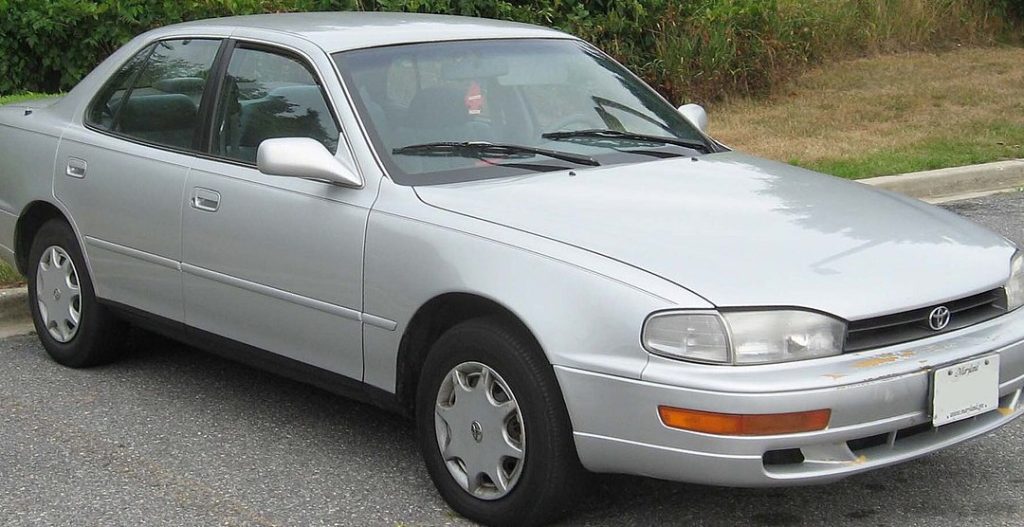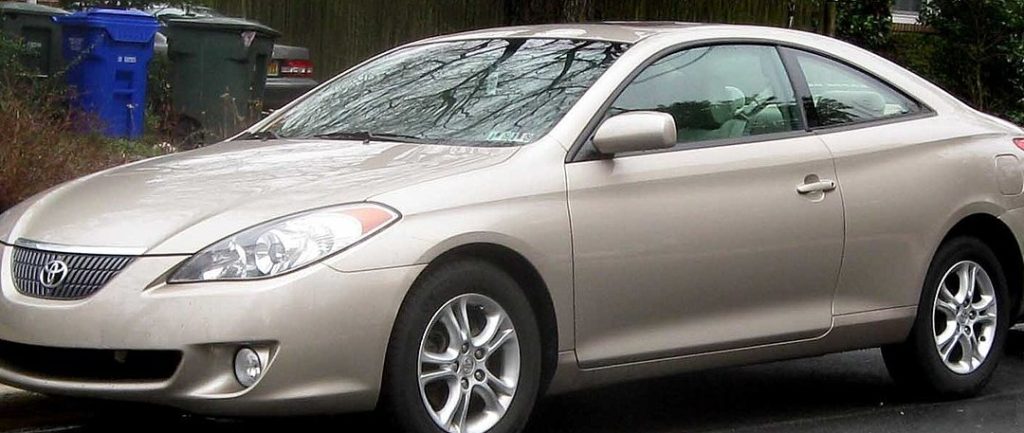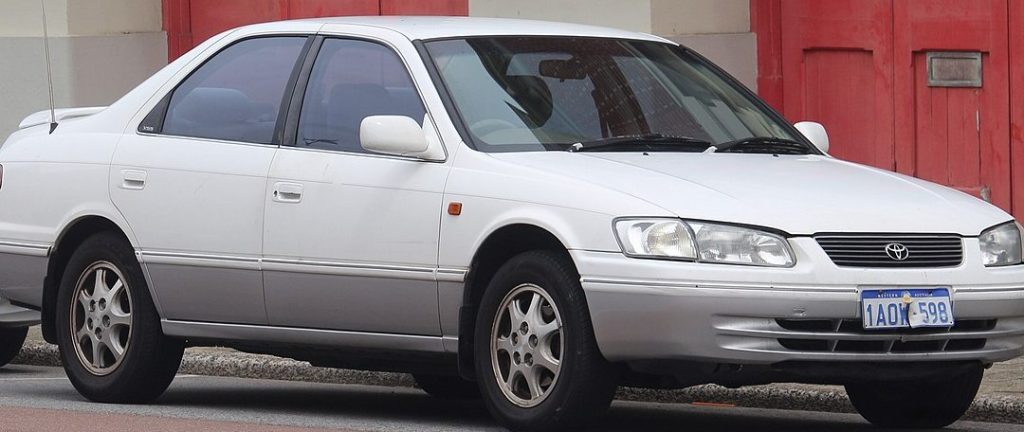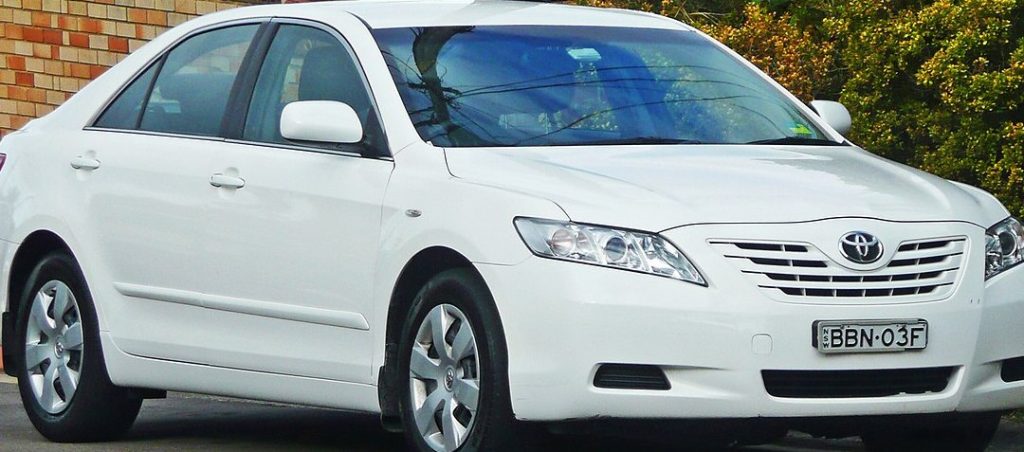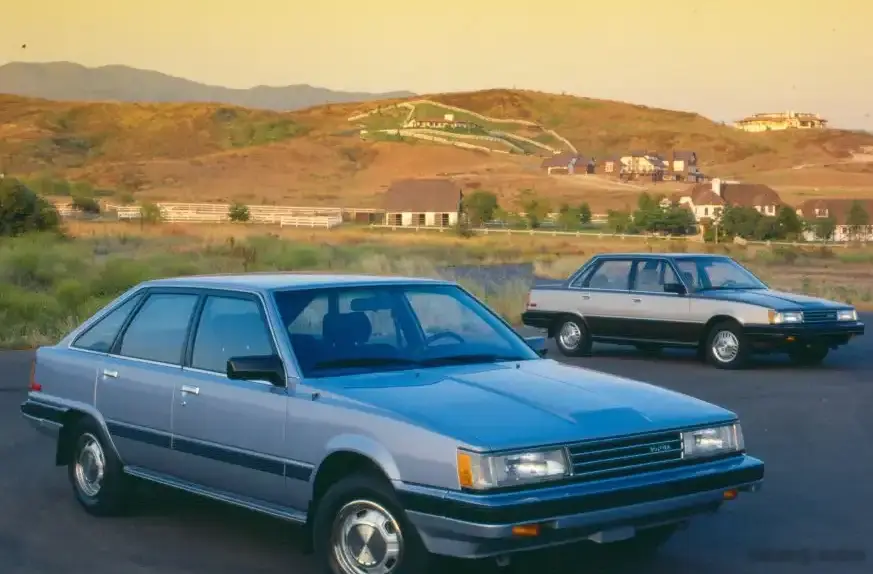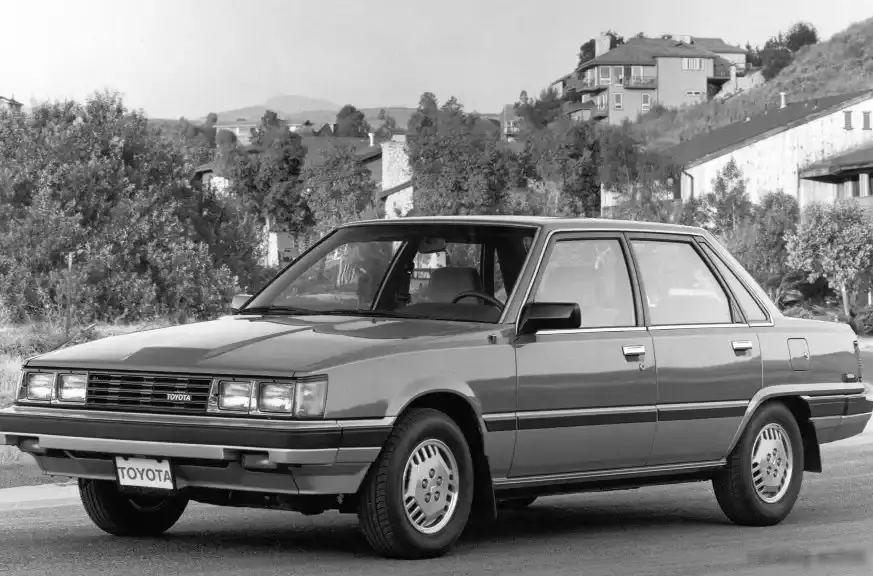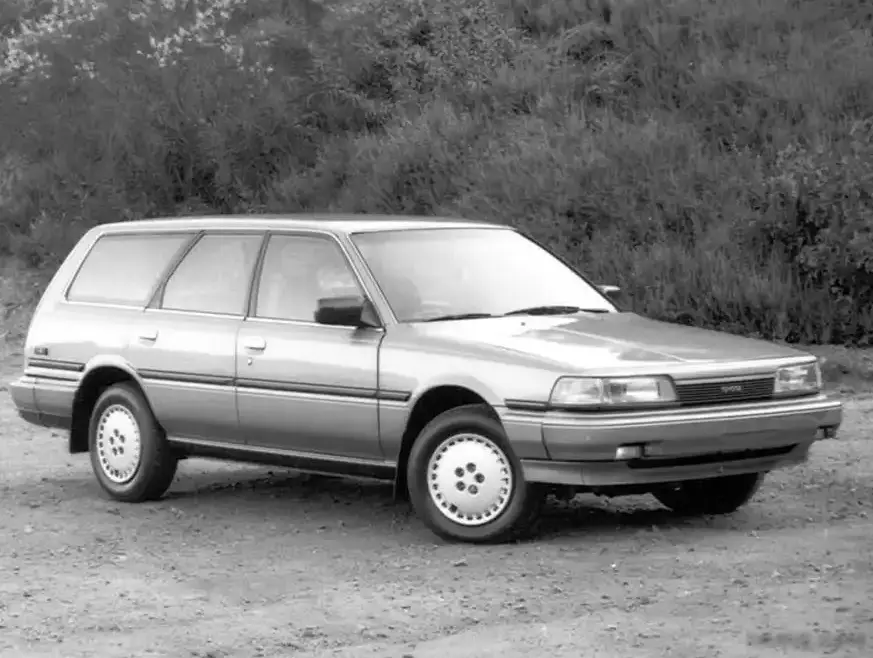
The Toyota Camry II Wagon (V20) 2.0 GLi, produced between 1987 and 1991, represented a practical and relatively upscale offering within Toyota’s expanding Camry lineup. Positioned as a mid-range trim level, the 2.0 GLi wagon catered to families and individuals needing a versatile vehicle with a balance of comfort, space, and reasonable performance. It was part of the second generation of the Camry, known as the V20 series, which saw the introduction of the wagon body style to the Camry family, primarily aimed at the Japanese domestic market and export to select regions including Europe and Australia. The V20 platform was a significant step forward for Toyota, emphasizing front-wheel drive and a more modern design compared to its predecessors.
Technical Specifications
| Brand | Toyota |
| Model | Camry |
| Generation | Camry II Wagon (V20) |
| Type (Engine) | 2.0 GLi (128 Hp) |
| Start of production | 1987 |
| End of production | 1991 |
| Powertrain Architecture | Internal Combustion engine |
| Body type | Station wagon (estate) |
| Seats | 5 |
| Doors | 5 |
| Fuel Type | Petrol (Gasoline) |
| Acceleration 0 – 100 km/h | 9.7 sec |
| Acceleration 0 – 62 mph | 9.7 sec |
| Acceleration 0 – 60 mph | 9.2 sec |
| Maximum speed | 185 km/h (114.95 mph) |
| Weight-to-power ratio | 10 kg/Hp, 100 Hp/tonne |
| Weight-to-torque ratio | 7.2 kg/Nm, 139.8 Nm/tonne |
| Power | 128 Hp @ 5600 rpm |
| Power per litre | 64.1 Hp/l |
| Torque | 179 Nm @ 4400 rpm (132.02 lb.-ft. @ 4400 rpm) |
| Engine layout | Front, Transverse |
| Engine Model/Code | 3S-FE |
| Engine displacement | 1998 cm3 (121.93 cu. in.) |
| Number of cylinders | 4 |
| Engine configuration | Inline |
| Cylinder Bore | 86 mm (3.39 in.) |
| Piston Stroke | 86 mm (3.39 in.) |
| Compression ratio | 9.8:1 |
| Number of valves per cylinder | 4 |
| Fuel injection system | Multi-port manifold injection |
| Engine aspiration | Naturally aspirated engine |
| Engine oil capacity | 4.2 l (4.44 US qt | 3.7 UK qt) |
| Coolant | 6.5 l (6.87 US qt | 5.72 UK qt) |
| Kerb Weight | 1280 kg (2821.92 lbs) |
| Max. weight | 1770 kg (3902.18 lbs) |
| Max load | 490 kg (1080.27 lbs) |
| Trunk (boot) space – minimum | 633 l (22.35 cu. ft.) |
| Trunk (boot) space – maximum | 1300 l (45.91 cu. ft.) |
| Fuel tank capacity | 60 l (15.85 US gal | 13.2 UK gal) |
| Max. roof load | 100 kg (220.46 lbs) |
| Permitted trailer load with brakes (12%) | 1500 kg (3306.93 lbs) |
| Permitted trailer load without brakes | 500 kg (1102.31 lbs) |
| Length | 4610 mm (181.5 in.) |
| Width | 1710 mm (67.32 in.) |
| Height | 1440 mm (56.69 in.) |
| Wheelbase | 2600 mm (102.36 in.) |
| Minimum turning circle | 10.6 m (34.78 ft.) |
| Drivetrain Architecture | The Internal combustion engine (ICE) drives the front wheels of the vehicle. |
| Drive wheel | Front wheel drive |
| Number of gears and type of gearbox | 5 gears, manual transmission |
| Front suspension | Independent, type McPherson with coil spring and anti-roll bar |
| Rear suspension | Torsion |
| Front brakes | Ventilated discs |
| Rear brakes | Drum |
| Assisting systems | ABS (Anti-lock braking system) |
| Tires size | 185/70 R14 |
| Wheel rims size | 14 |
Powertrain & Engine Architecture
The heart of the 2.0 GLi wagon was the 3S-FE engine, a 1.998-liter (121.93 cubic inches) inline-four cylinder gasoline engine. This engine was a mainstay of Toyota’s lineup during the late 1980s and early 1990s, known for its reliability and relatively smooth operation. The 3S-FE featured multi-port fuel injection, which improved fuel efficiency and throttle response compared to earlier carbureted designs. It utilized a single overhead camshaft (SOHC) valvetrain with four valves per cylinder, contributing to its respectable power output of 128 horsepower at 5600 rpm and 179 Nm (132 lb-ft) of torque at 4400 rpm. The engine’s 9.8:1 compression ratio was a compromise between performance and the ability to run on readily available fuel grades. The 2.0 GLi was exclusively offered with a five-speed manual transmission, providing drivers with direct control over the engine’s power delivery.
Driving Characteristics
The 2.0 GLi wagon, with its 128 hp and five-speed manual, offered a reasonably engaging driving experience for its time. Acceleration from 0 to 60 mph took approximately 9.2 seconds, and it could reach a top speed of 115 mph. While not a sports car, the engine provided sufficient power for everyday driving and highway cruising. The five-speed manual transmission allowed drivers to keep the engine in its optimal power band, enhancing responsiveness. Compared to the base model Camry wagons with smaller engines, the 2.0 GLi offered a noticeable improvement in performance. However, it didn’t match the quicker acceleration of the V6-powered Camry models available in some markets. The front-wheel-drive configuration provided predictable handling, although it wasn’t as sporty as rear-wheel-drive alternatives.
Equipment & Trim Levels
The 2.0 GLi trim level offered a good balance of features and affordability. Standard equipment typically included cloth upholstery, power steering, a basic audio system, and a rear window wiper. The interior was functional and well-built, reflecting Toyota’s reputation for quality. Optional extras could include air conditioning, upgraded audio systems, and power windows. The GLi trim was positioned above the base model Camry wagons, offering more comfort and convenience features. It sat below the more luxurious and better-equipped Camry models, which often featured leather upholstery and more advanced options.
Chassis & Braking
The Camry II Wagon utilized a McPherson strut front suspension with coil springs and an anti-roll bar, providing a comfortable ride and decent handling. The rear suspension employed a torsion beam setup, which was a cost-effective and space-saving solution. Braking duties were handled by ventilated discs at the front and drum brakes at the rear. An Anti-lock Braking System (ABS) was available as an option, enhancing safety by preventing wheel lockup during hard braking. The chassis was designed to provide a stable and predictable driving experience, prioritizing comfort and practicality over outright sportiness.
Market Reception & Comparison
The Camry II Wagon 2.0 GLi was generally well-received by automotive critics as a practical and reliable family vehicle. It was praised for its spacious interior, comfortable ride, and fuel efficiency. However, some critics noted that its performance was not as exciting as some of its competitors. Compared to other trims in the Camry lineup, the 2.0 GLi offered a good value proposition, providing a balance of features and performance at a reasonable price. Its fuel economy was competitive with other vehicles in its class, and its reliability was a major selling point for Toyota.
Legacy
The Toyota Camry II Wagon 2.0 GLi, while not a particularly rare or collectible vehicle today, remains a testament to Toyota’s commitment to building reliable and practical automobiles. The 3S-FE engine is known for its durability and longevity, and many examples are still on the road today. In the used car market, these wagons are often sought after by enthusiasts looking for a classic Toyota with a reputation for dependability. The V20 Camry wagon helped establish Toyota as a major player in the family car segment, paving the way for the continued success of the Camry model line.