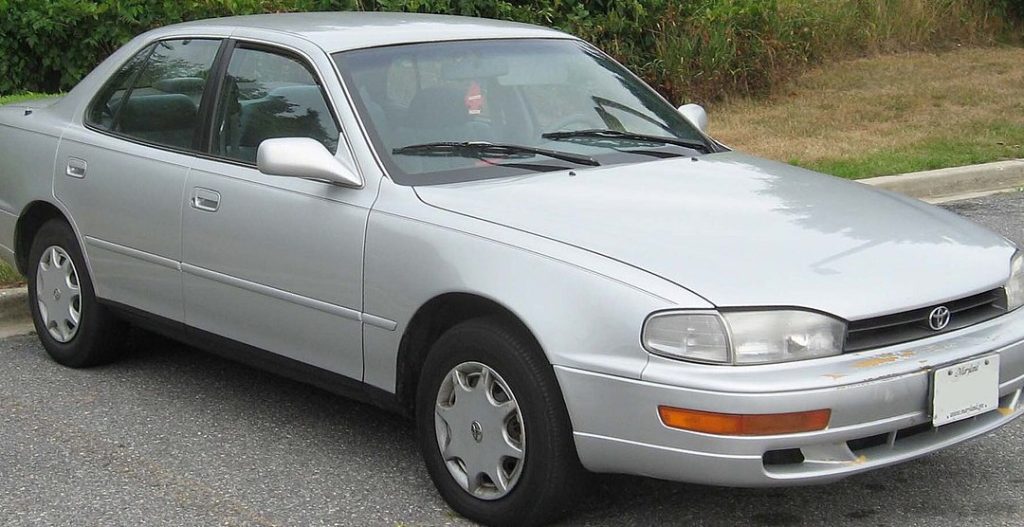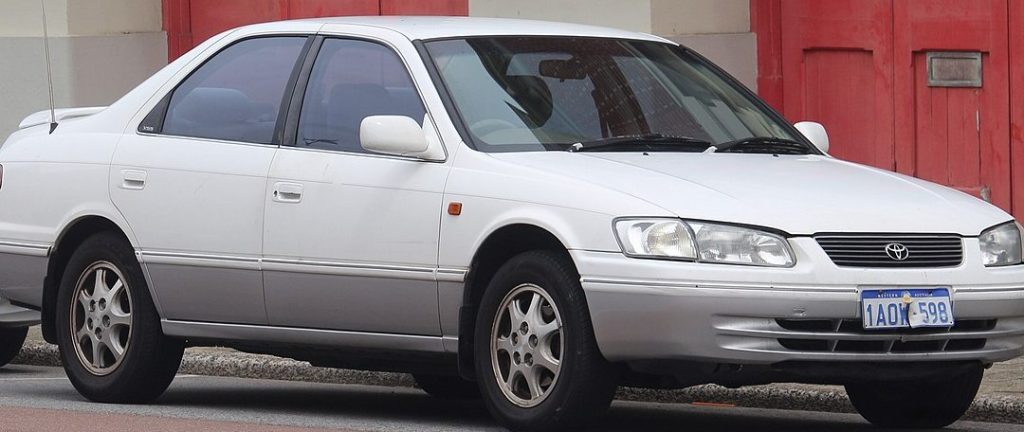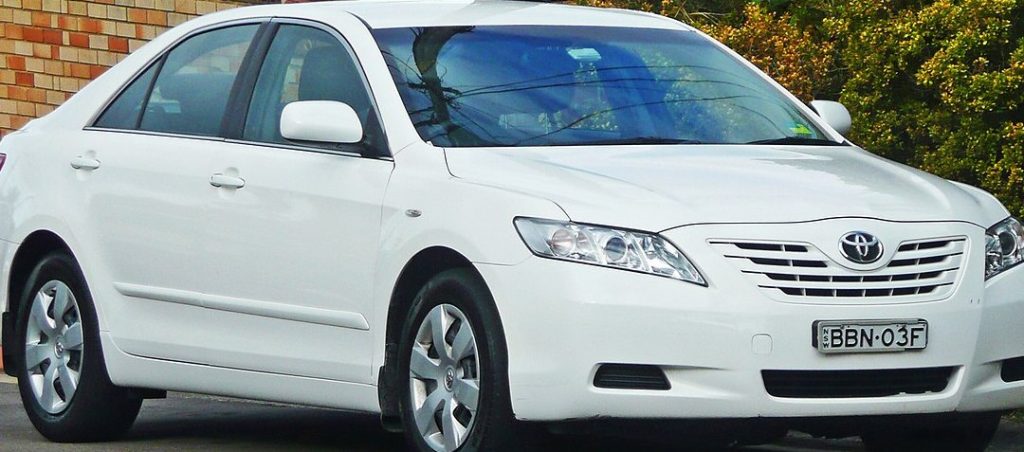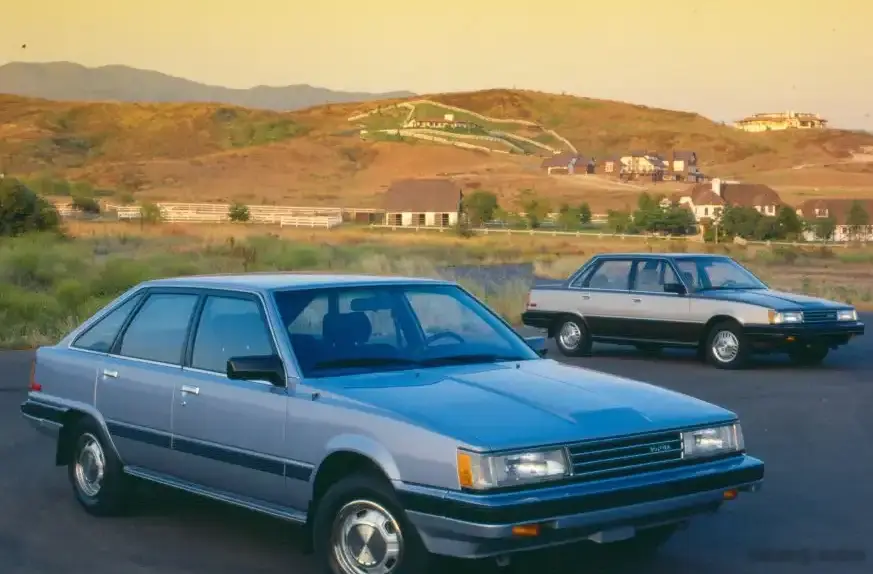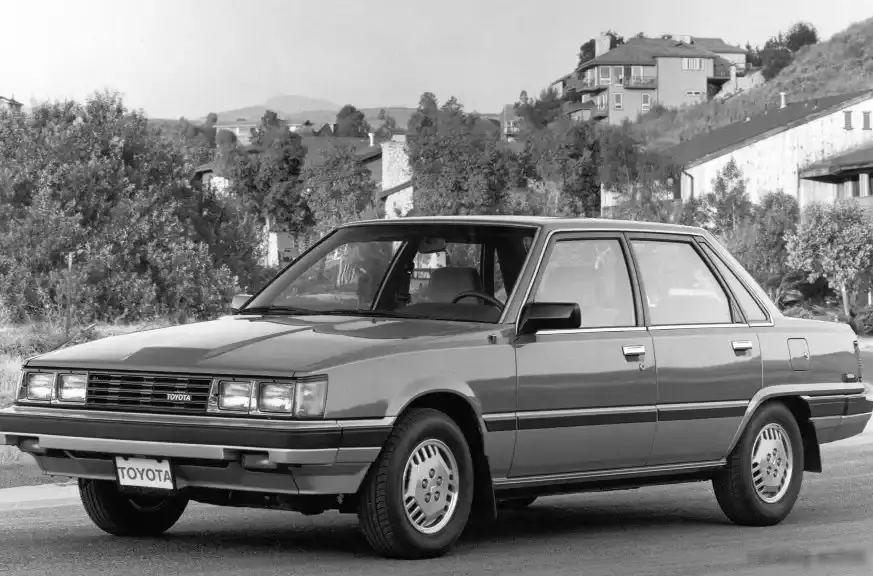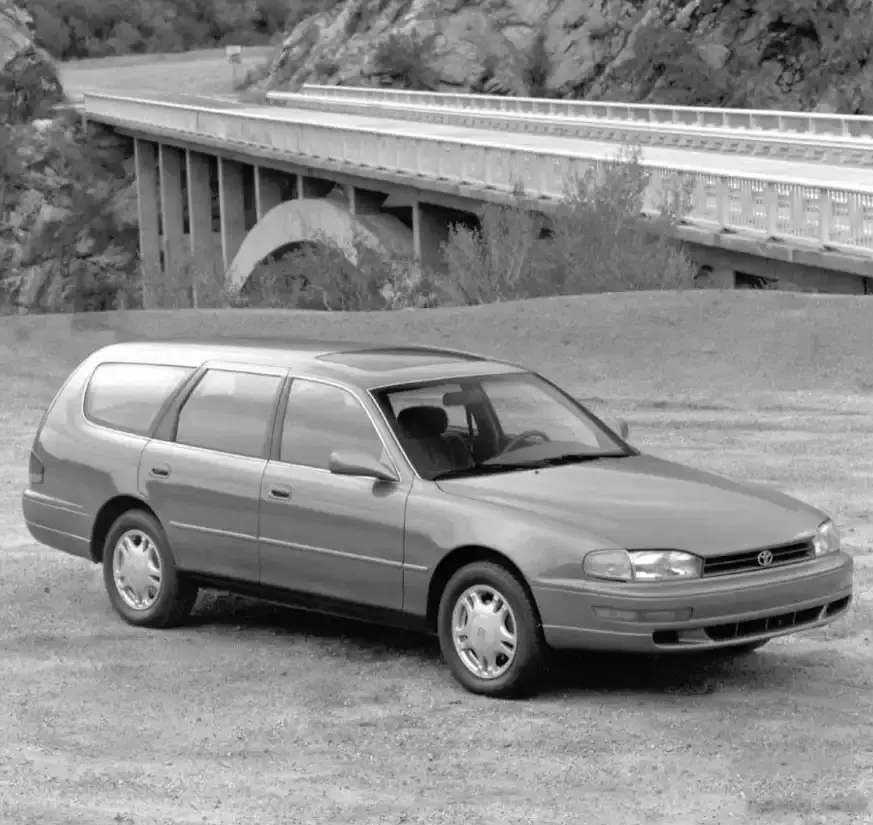
The Toyota Camry III Wagon, specifically the 2.2-liter (136 hp) variant, was produced between 1992 and 1996 as part of the XV10 generation Camry lineup. This model represented Toyota’s entry into the increasingly popular station wagon segment, offering a practical and reliable alternative to sedans for families and those needing increased cargo capacity. In the North American market, wagons were becoming less common, but Toyota continued to offer them in other regions, particularly Australia and Japan, where the estate body style remained highly favored. This particular engine and transmission combination occupied a middle ground within the XV10 Camry wagon range, balancing affordability with reasonable performance.
Technical Specifications
| Brand | Toyota |
| Model | Camry |
| Generation | Camry III Wagon (XV10) |
| Type (Engine) | 2.2 (136 Hp) |
| Start of production | 1992 |
| End of production | 1996 |
| Powertrain Architecture | Internal Combustion engine |
| Body type | Station wagon (estate) |
| Seats | 5 |
| Doors | 5 |
| Fuel Type | Petrol (Gasoline) |
| Acceleration 0 – 100 km/h | 10.4 sec |
| Acceleration 0 – 62 mph | 10.4 sec |
| Acceleration 0 – 60 mph | 9.9 sec |
| Maximum speed | 195 km/h (121.17 mph) |
| Weight-to-power ratio | 9.9 kg/Hp, 100.7 Hp/tonne |
| Weight-to-torque ratio | 6.9 kg/Nm, 145.2 Nm/tonne |
| Power | 136 Hp @ 5400 rpm |
| Power per litre | 62.8 Hp/l |
| Torque | 196 Nm @ 4000 rpm (144.56 lb.-ft. @ 4000 rpm) |
| Engine layout | Front, Transverse |
| Engine Model/Code | 5S-FE |
| Engine displacement | 2166 cm3 (132.18 cu. in.) |
| Number of cylinders | 4 |
| Engine configuration | Inline |
| Cylinder Bore | 87.1 mm (3.43 in.) |
| Piston Stroke | 90.9 mm (3.58 in.) |
| Compression ratio | 9.7:1 |
| Number of valves per cylinder | 4 |
| Fuel injection system | Multi-port manifold injection |
| Engine aspiration | Naturally aspirated engine |
| Valvetrain | DOHC |
| Engine oil capacity | 3.6 l (3.8 US qt | 3.17 UK qt) |
| Coolant | 6.5 l (6.87 US qt | 5.72 UK qt) |
| Kerb Weight | 1350 kg (2976.24 lbs.) |
| Max. weight | 1925 kg (4243.9 lbs.) |
| Max load | 575 kg (1267.66 lbs.) |
| Trunk (boot) space – minimum | 533 l (18.82 cu. ft.) |
| Trunk (boot) space – maximum | 843 l (29.77 cu. ft.) |
| Fuel tank capacity | 70 l (18.49 US gal | 15.4 UK gal) |
| Max. roof load | 100 kg (220.46 lbs.) |
| Permitted trailer load with brakes (12%) | 1500 kg (3306.93 lbs.) |
| Permitted trailer load without brakes | 500 kg (1102.31 lbs.) |
| Length | 4795 mm (188.78 in.) |
| Width | 1770 mm (69.69 in.) |
| Height | 1420 mm (55.91 in.) |
| Wheelbase | 2620 mm (103.15 in.) |
| Front track | 1545 mm (60.83 in.) |
| Rear (Back) track | 1490 mm (58.66 in.) |
| Drivetrain Architecture | The Internal combustion engine (ICE) drives the front wheels of the vehicle. |
| Drive wheel | Front wheel drive |
| Number of gears and type of gearbox | 5 gears, manual transmission |
| Front suspension | Independent, type McPherson with coil spring and anti-roll bar |
| Rear suspension | Independent multi-link suspension |
| Front brakes | Ventilated discs |
| Rear brakes | Ventilated discs |
| Assisting systems | ABS (Anti-lock braking system) |
| Steering type | Steering rack and pinion |
| Power steering | Hydraulic Steering |
| Tires size | 195/70 R14 |
| Wheel rims size | 14 |
Powertrain & Engine Architecture
The heart of this Camry wagon variant is the 5S-FE 2.2-liter inline-four cylinder engine. This engine, a staple of Toyota’s mid-size offerings throughout the 1990s, is known for its durability and relatively simple design. It features a cast iron block and an aluminum cylinder head, employing a double overhead camshaft (DOHC) valvetrain with four valves per cylinder. Fuel delivery is managed by a multi-port fuel injection system, contributing to improved fuel efficiency and smoother operation compared to earlier carbureted designs. The 5S-FE produces 136 horsepower at 5400 rpm and 196 Nm (144.56 lb-ft) of torque at 4000 rpm. The engine is transversely mounted, driving the front wheels. Paired with the 5S-FE is a 5-speed manual transmission, offering a balance between fuel economy and driver control. An automatic transmission was also available, but the manual was favored by those seeking a more engaging driving experience.
Driving Characteristics
The 2.2-liter Camry wagon with the 5-speed manual transmission provides adequate, though not exhilarating, performance. Acceleration from 0-60 mph takes approximately 9.9 seconds, and top speed is around 121 mph. The engine feels reasonably responsive in everyday driving situations, with sufficient torque for passing maneuvers and climbing hills. The manual gearbox is well-matched to the engine’s powerband, allowing drivers to keep the engine in its optimal operating range. Compared to the more powerful V6 options available in the XV10 Camry, this 2.2-liter version feels noticeably less potent. However, it offers a more fuel-efficient and affordable alternative. The suspension provides a comfortable ride, absorbing bumps and imperfections in the road effectively. Steering is light and precise, making the wagon easy to maneuver in urban environments.
Equipment & Trim Levels
The 2.2-liter Camry wagon typically came with a fairly comprehensive list of standard features, reflecting Toyota’s reputation for value. These included power steering, air conditioning, an AM/FM stereo, and cloth upholstery. Higher trim levels, such as the LE, added features like power windows and locks, cruise control, and upgraded audio systems. Optional extras included a sunroof, alloy wheels, and a rear wiper. Interior appointments were generally functional and durable, prioritizing practicality over luxury. The dashboard layout is straightforward and easy to use, with clearly labeled controls.
Chassis & Braking
The XV10 Camry wagon utilizes an independent suspension system at all four wheels. The front suspension employs a McPherson strut design with coil springs and an anti-roll bar, while the rear suspension features a multi-link setup. This configuration provides a good balance of ride comfort and handling stability. Braking duties are handled by ventilated disc brakes on all four wheels, providing ample stopping power. An Anti-lock Braking System (ABS) was standard equipment, enhancing safety by preventing wheel lockup during hard braking. The chassis is relatively lightweight, contributing to the wagon’s nimble handling characteristics.
Market Reception & Comparison
The 2.2-liter Camry wagon was generally well-received by automotive critics, who praised its practicality, reliability, and fuel efficiency. It was seen as a sensible choice for families and those needing a versatile vehicle. Compared to other wagons in its class, such as the Honda Accord wagon and the Subaru Legacy wagon, the Camry offered a competitive combination of features and value. The 2.2-liter engine provided adequate performance for most drivers, while the manual transmission offered a more engaging driving experience than the available automatic. Fuel economy was a strong point, with the 2.2-liter engine achieving around 24 mpg in city driving and 32 mpg on the highway.
Legacy
The Toyota Camry III Wagon, particularly the 2.2-liter variant, has proven to be a remarkably durable and reliable vehicle. Many examples are still on the road today, a testament to Toyota’s engineering prowess. The 5S-FE engine is known for its longevity, and with proper maintenance, can easily exceed 200,000 miles. In the used car market, these wagons are often sought after by those looking for an affordable and dependable vehicle. While not particularly collectible, they represent a practical and well-built example of 1990s Japanese automotive engineering. Parts availability remains good, making maintenance and repairs relatively straightforward.