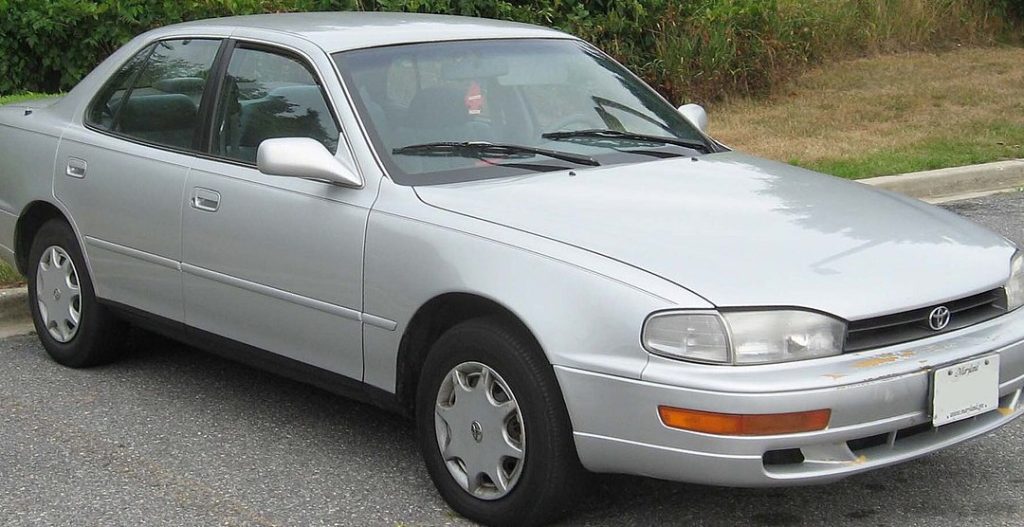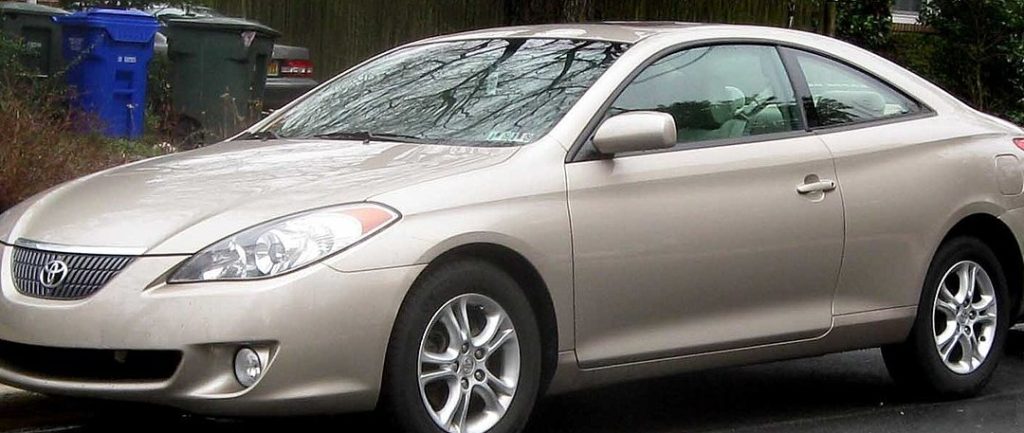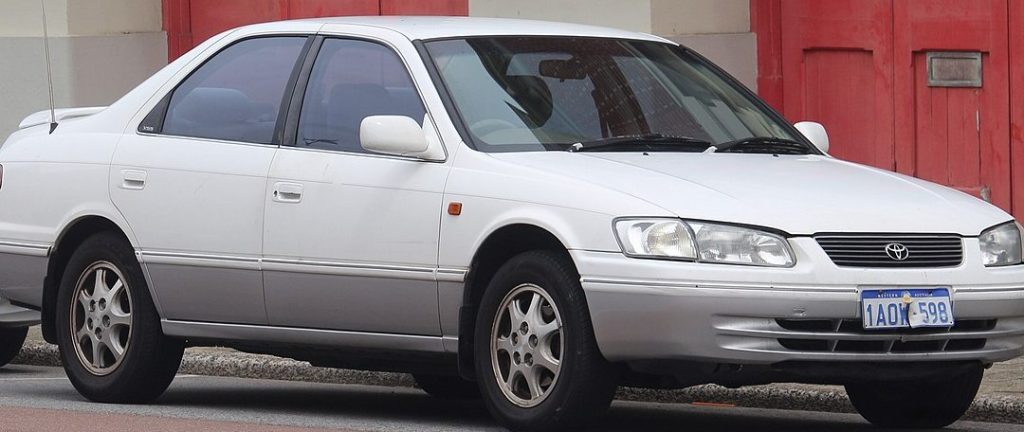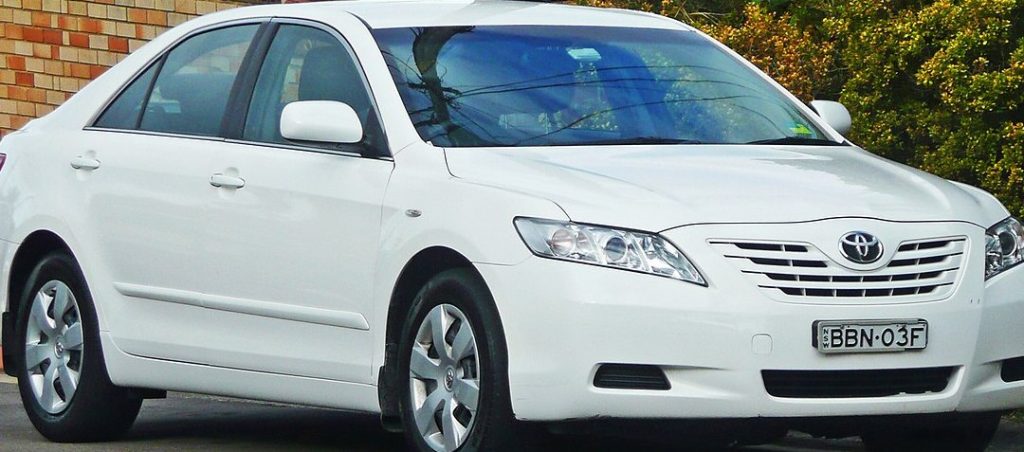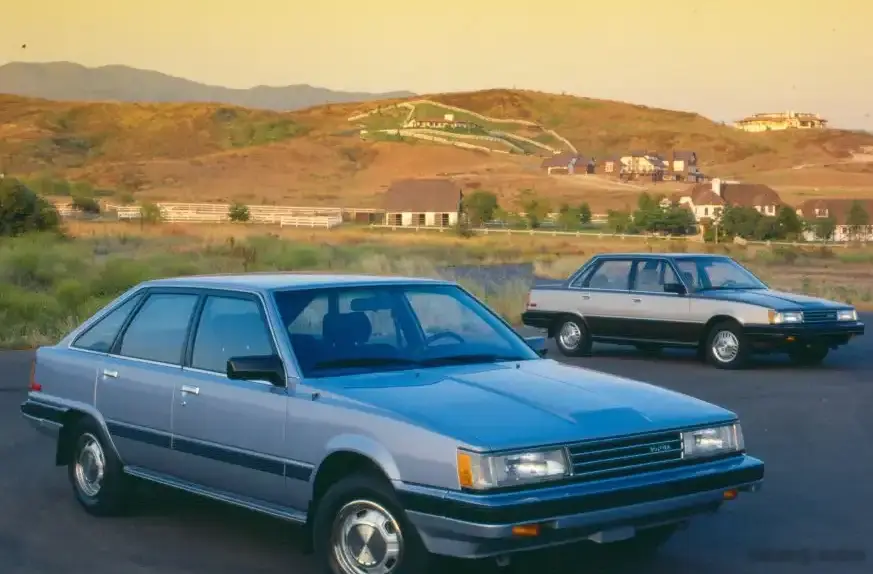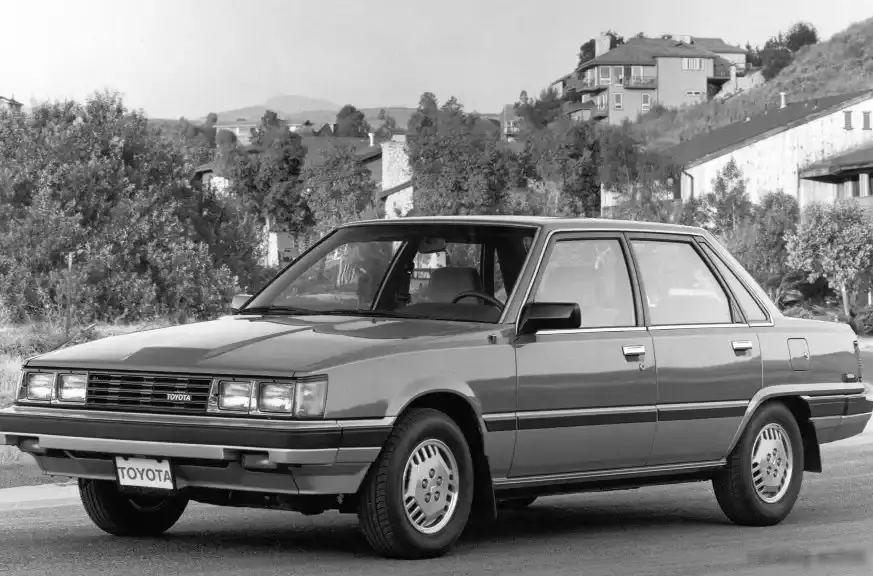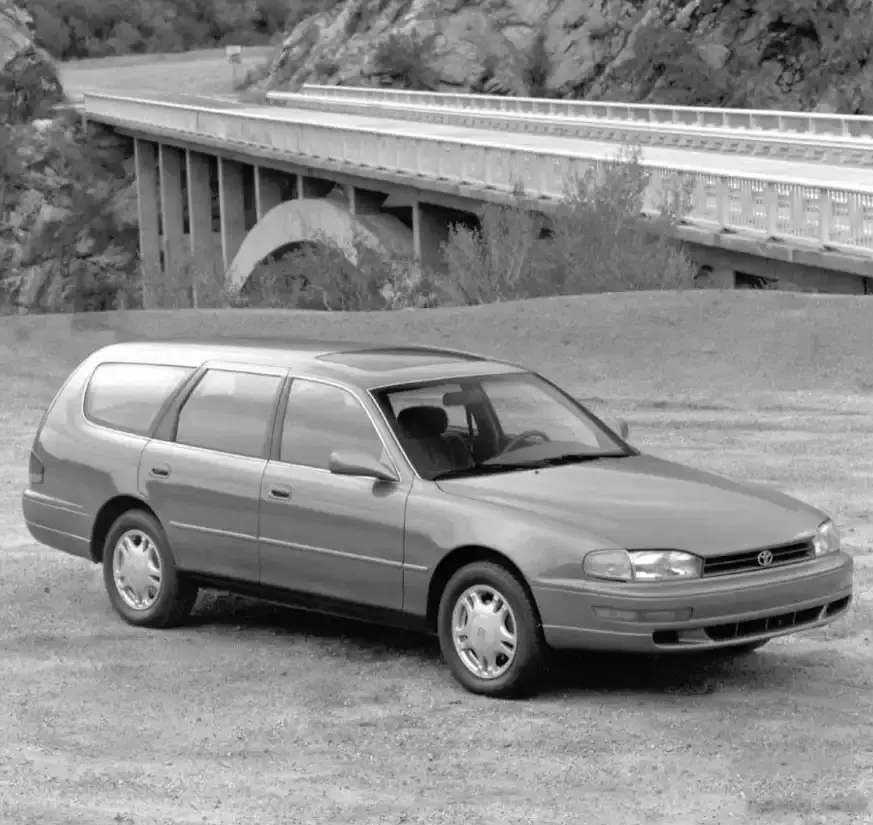
The Toyota Camry III Wagon, specifically the 3.0 V6 24V variant produced between 1992 and 1996, represented a significant offering in the mid-size station wagon segment. Part of the XV10 generation Camry, this model aimed to provide a more practical and spacious alternative to the sedan, while retaining the Camry’s reputation for reliability and comfort. In the North American market, where wagons were steadily declining in popularity, the Camry Wagon offered a compelling option for families needing cargo capacity without sacrificing the driving experience. This particular 3.0L V6 configuration was positioned as the premium trim level for the wagon, offering a substantial performance upgrade over the base four-cylinder models.
Technical Specifications
| Brand | Toyota |
| Model | Camry |
| Generation | Camry III Wagon (XV10) |
| Type (Engine) | 3.0 V6 24V (188 Hp) |
| Start of production | 1992 |
| End of production | 1996 |
| Powertrain Architecture | Internal Combustion engine |
| Body type | Station wagon (estate) |
| Seats | 5 |
| Doors | 5 |
| Fuel consumption (combined) | 10.3 l/100 km |
| Fuel consumption (US mpg) | 22.8 US mpg |
| Fuel consumption (UK mpg) | 27.4 UK mpg |
| Fuel consumption (km/l) | 9.7 km/l |
| Fuel Type | Petrol (Gasoline) |
| Acceleration 0 – 100 km/h | 9.2 sec |
| Acceleration 0 – 62 mph | 9.2 sec |
| Acceleration 0 – 60 mph | 8.7 sec |
| Maximum speed | 215 km/h (133.59 mph) |
| Weight-to-power ratio | 8.4 kg/Hp |
| Weight-to-torque ratio | 6.2 kg/Nm |
| Power | 188 Hp @ 5400 rpm |
| Power per litre | 63.5 Hp/l |
| Torque | 255 Nm @ 4400 rpm (188.08 lb.-ft. @ 4400 rpm) |
| Engine layout | Front, Transverse |
| Engine Model/Code | 3VZ-FE |
| Engine displacement | 2959 cm3 (180.57 cu. in.) |
| Number of cylinders | 6 |
| Cylinder Bore | 87.5 mm (3.44 in.) |
| Piston Stroke | 82 mm (3.23 in.) |
| Compression ratio | 9.6:1 |
| Number of valves per cylinder | 4 |
| Fuel injection system | Multi-port manifold injection |
| Engine aspiration | Naturally aspirated engine |
| Engine oil capacity | 4.4 l (4.65 US qt | 3.87 UK qt) |
| Coolant capacity | 8.5 l (8.98 US qt | 7.48 UK qt) |
| Kerb Weight | 1575 kg (3472.28 lbs.) |
| Max. weight | 2150 kg (4739.94 lbs.) |
| Max load | 575 kg (1267.66 lbs.) |
| Trunk (boot) space – minimum | 533 l (18.82 cu. ft.) |
| Trunk (boot) space – maximum | 843 l (29.77 cu. ft.) |
| Fuel tank capacity | 70 l (18.49 US gal | 15.4 UK gal) |
| Length | 4795 mm (188.78 in.) |
| Width | 1770 mm (69.69 in.) |
| Height | 1495 mm (58.86 in.) |
| Wheelbase | 2620 mm (103.15 in.) |
| Front track | 1545 mm (60.83 in.) |
| Rear track | 1490 mm (58.66 in.) |
| Drivetrain Architecture | Front wheel drive |
| Number of gears | 5 gears, manual transmission |
| Front suspension | Independent, type McPherson with coil spring and anti-roll bar |
| Rear suspension | Independent multi-link suspension |
| Front brakes | Ventilated discs |
| Rear brakes | Ventilated discs |
| Assisting systems | ABS (Anti-lock braking system) |
| Steering type | Steering rack and pinion |
| Power steering | Hydraulic Steering |
| Tires size | 205/65 R15 |
| Wheel rims size | 15 |
Powertrain & Engine Architecture
The heart of the Camry Wagon 3.0 V6 was the 3VZ-FE engine, a 2.959-liter (180.57 cubic inch) naturally aspirated V6. This engine featured a 9.6:1 compression ratio and utilized a multi-port fuel injection system for precise fuel delivery. The 24-valve configuration (four valves per cylinder) contributed to its relatively high output for its displacement. The 3VZ-FE was known for its smooth operation and reasonable reliability, although it was not without its potential issues, such as head gasket leaks as the engine aged. The five-speed manual transmission was the only transmission option available with this engine, providing drivers with full control over the power delivery. The transmission was designed to handle the engine’s 255 Nm (188 lb-ft) of torque, offering a balance between acceleration and fuel efficiency.
Driving Characteristics
The 3.0 V6-equipped Camry Wagon offered a noticeable performance advantage over the base four-cylinder models. Acceleration to 60 mph was achieved in approximately 8.7 seconds, and the car could reach a top speed of 215 km/h (133.59 mph). The five-speed manual transmission allowed for spirited driving, with well-spaced gear ratios that kept the engine in its optimal power band. While not a sports car, the Camry Wagon provided ample power for highway merging, overtaking, and carrying a full load of passengers and cargo. The suspension, tuned for comfort, provided a smooth ride, but the wagon’s weight and higher center of gravity meant it wasn’t as agile as the sedan version.
Equipment & Trim Levels
The 3.0 V6 Camry Wagon typically came with a generous list of standard features. These included power windows, power locks, air conditioning, and an AM/FM stereo. Higher trim levels offered options such as a sunroof, upgraded audio systems, and leather upholstery. The interior was designed with practicality in mind, offering ample space for passengers and cargo. The rear seats could be folded down to create a larger cargo area, further enhancing the wagon’s versatility. The dashboard layout was straightforward and functional, with easy-to-read gauges and well-placed controls.
Chassis & Braking
The Camry Wagon utilized an independent McPherson strut suspension in the front and an independent multi-link suspension in the rear. This setup provided a comfortable ride and decent handling characteristics. Ventilated disc brakes were used on all four wheels, providing adequate stopping power. An Anti-lock Braking System (ABS) was standard, enhancing safety by preventing wheel lockup during hard braking. The steering was rack-and-pinion with hydraulic power assist, offering precise and responsive steering feel.
Market Reception & Comparison
The Camry Wagon 3.0 V6 was generally well-received by automotive critics. It was praised for its spacious interior, comfortable ride, and strong engine performance. However, some critics noted that the wagon’s handling wasn’t as sharp as some of its competitors. Compared to the four-cylinder Camry Wagon, the 3.0 V6 offered a significant performance boost, but at a higher price point. Fuel economy was also slightly lower with the V6 engine, averaging around 22.8 US mpg in combined driving. Against competitors like the Honda Accord Wagon and the Subaru Legacy Wagon, the Camry Wagon offered a compelling combination of features, reliability, and value.
Legacy
The Toyota Camry III Wagon 3.0 V6 has developed a reputation as a reliable and durable vehicle. While not as common as the sedan version, the wagon remains a popular choice among enthusiasts and families seeking a practical and dependable vehicle. The 3VZ-FE engine, while prone to head gasket issues with age, is generally considered a robust and long-lasting powerplant. Today, well-maintained examples of the Camry Wagon 3.0 V6 can be found on the used car market, offering a unique and affordable alternative to more modern vehicles. Its blend of practicality, comfort, and performance continues to appeal to a dedicated following.