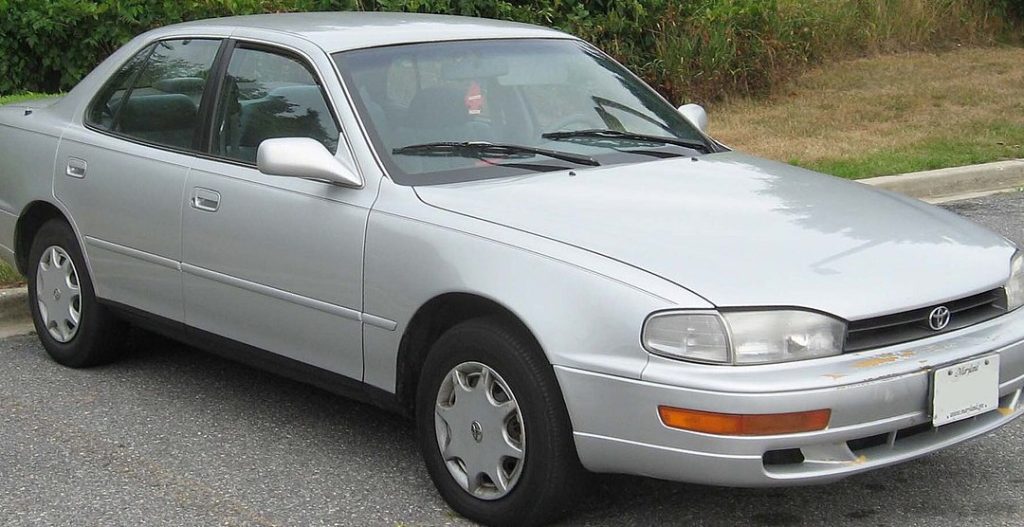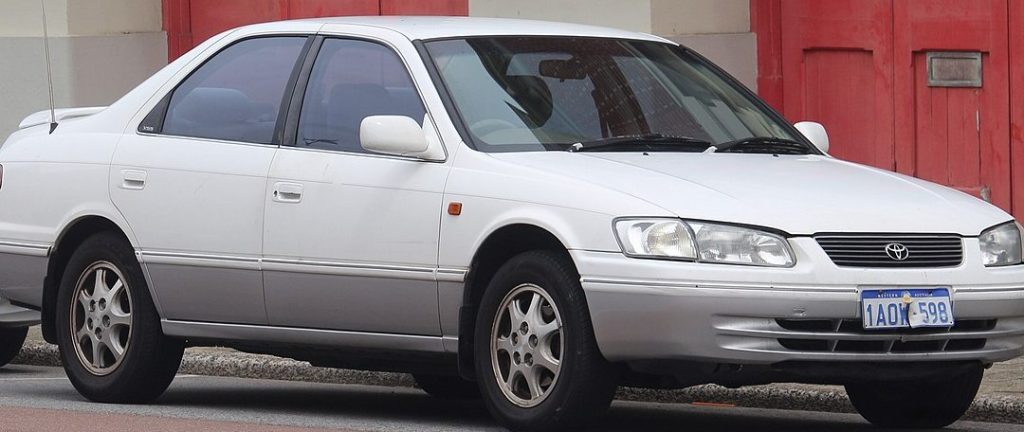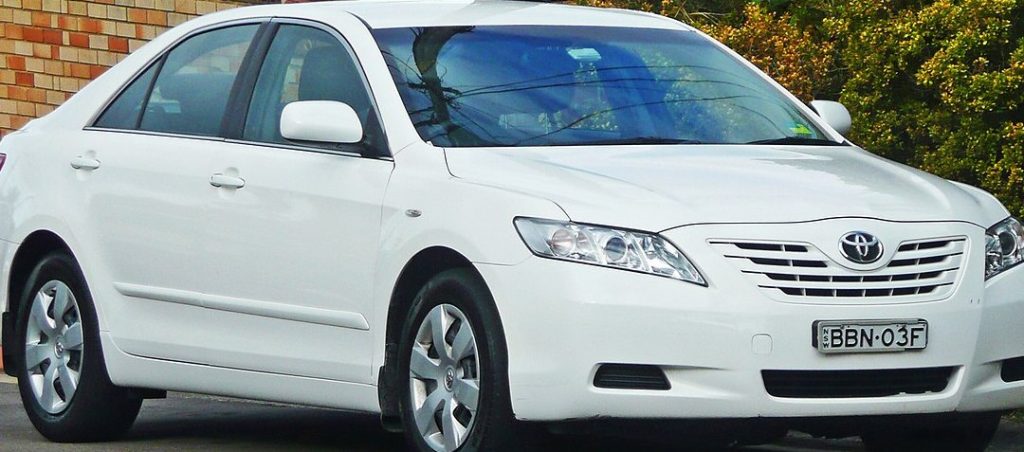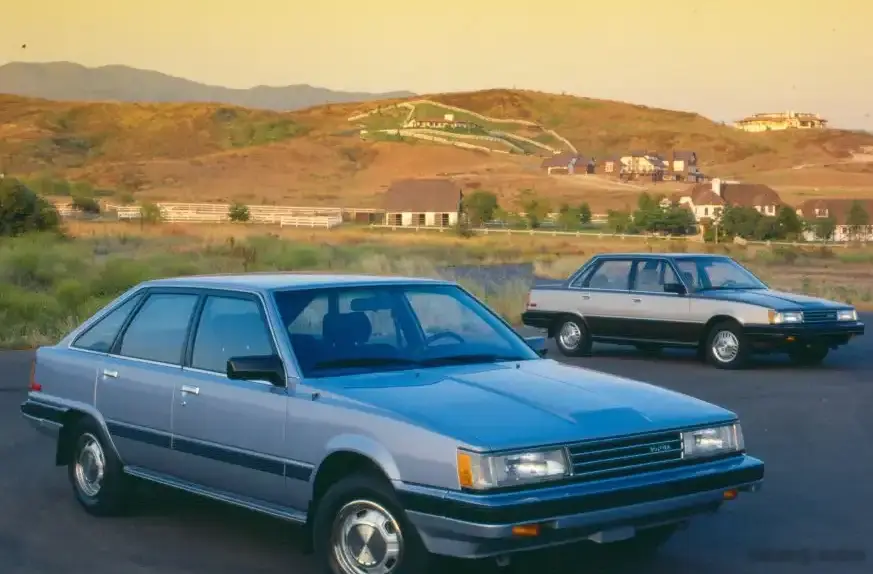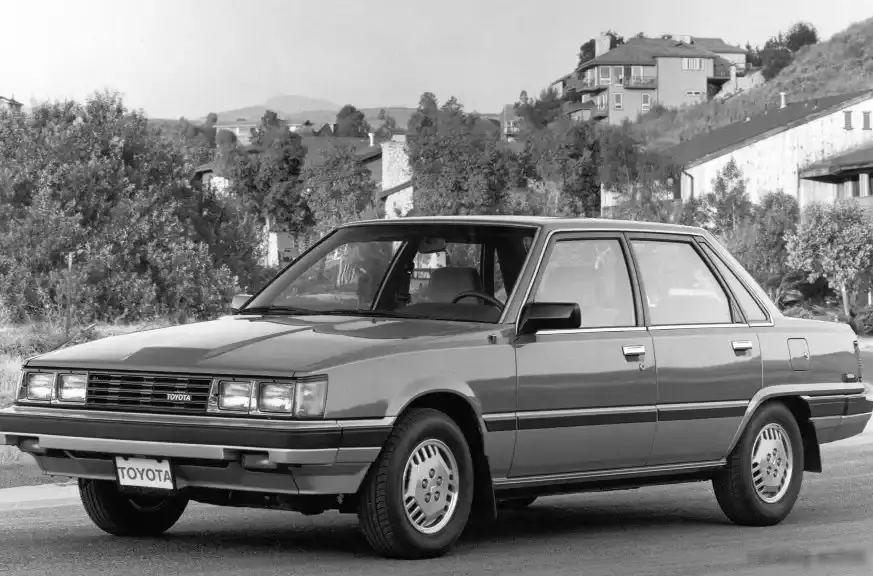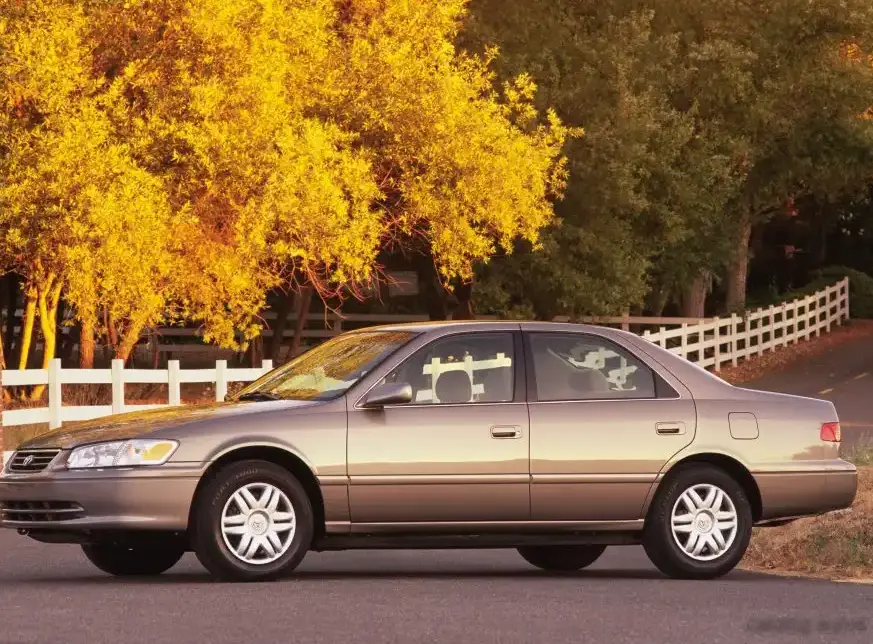
The Toyota Camry IV, specifically the XV20 facelift model produced from 2000 to 2001, represented a significant evolution in Toyota’s mid-size sedan offering. This generation Camry, built on the XV20 platform, aimed to balance comfort, reliability, and a more modern aesthetic compared to its predecessor. The 2.2-liter (136 hp) automatic variant occupied a middle ground within the XV20 lineup, positioned as a practical and accessible option for families and commuters seeking a dependable vehicle without the higher price tag of the V6 models. It was a key player in Toyota’s strategy to maintain market share in a highly competitive segment.
Technical Specifications
| Brand | Toyota |
| Model | Camry |
| Generation | Camry IV (XV20, facelift 2000) |
| Type (Engine) | 2.2 (136 Hp) Automatic |
| Start of production | 2000 |
| End of production | 2001 |
| Powertrain Architecture | Internal Combustion engine |
| Body type | Sedan |
| Seats | 5 |
| Doors | 4 |
| Fuel consumption (urban) | 10.2 l/100 km (23.1 US mpg) |
| Fuel consumption (extra urban) | 7.8 l/100 km (30.2 US mpg) |
| Fuel Type | Petrol (Gasoline) |
| Weight-to-power ratio | 10.4 kg/Hp |
| Weight-to-torque ratio | 7 kg/Nm |
| Power | 136 Hp @ 5200 rpm |
| Power per litre | 62.8 Hp/l |
| Torque | 203 Nm @ 4400 rpm (149.73 lb.-ft. @ 4400 rpm) |
| Engine layout | Front, Transverse |
| Engine Model/Code | 5S-FE |
| Engine displacement | 2164 cm3 (132.06 cu. in.) |
| Number of cylinders | 4 |
| Engine configuration | Inline |
| Cylinder Bore | 87.1 mm (3.43 in.) |
| Piston Stroke | 90.9 mm (3.58 in.) |
| Compression ratio | 9.7:1 |
| Number of valves per cylinder | 4 |
| Fuel injection system | Direct injection |
| Engine aspiration | Naturally aspirated engine |
| Valvetrain | DOHC |
| Engine oil capacity | 3.6 l (3.8 US qt | 3.17 UK qt) |
| Coolant capacity | 6.9 l (7.29 US qt | 6.07 UK qt) |
| Kerb Weight | 1415 kg (3119.54 lbs.) |
| Trunk (boot) space | 399 l (14.09 cu. ft.) |
| Fuel tank capacity | 70 l (18.49 US gal | 15.4 UK gal) |
| Length | 4788 mm (188.5 in.) |
| Width | 1780 mm (70.08 in.) |
| Height | 1407 mm (55.39 in.) |
| Wheelbase | 2672 mm (105.2 in.) |
| Front track | 1552 mm (61.1 in.) |
| Rear track | 1521 mm (59.88 in.) |
| Ride height (ground clearance) | 130 mm (5.12 in.) |
| Drag coefficient (Cd) | 0.30 |
| Minimum turning circle | 10.7 m (35.1 ft.) |
| Drivetrain Architecture | Front wheel drive |
| Number of gears | 4 |
| Gearbox type | Automatic transmission |
| Front suspension | Independent, McPherson with coil spring and anti-roll bar |
| Rear suspension | Independent multi-link with stabilizer |
| Front brakes | Ventilated discs |
| Rear brakes | Drum |
| Assisting systems | ABS (Anti-lock braking system) |
| Steering type | Steering rack and pinion |
| Power steering | Hydraulic |
| Tires size | 205/65 R15 |
| Wheel rims size | 15 |
Powertrain & Engine Architecture
The heart of this Camry variant was the 5S-FE 2.2-liter inline-four engine. This engine was a mainstay in Toyota’s lineup for many years, known for its durability and relatively simple design. The 5S-FE featured a double overhead camshaft (DOHC) valvetrain with four valves per cylinder, contributing to its respectable power output for its displacement. Fuel delivery was handled by a multi-port fuel injection system. The engine’s design prioritized smooth operation and fuel efficiency over outright performance. Paired with this engine was a four-speed automatic transmission, a common choice for buyers prioritizing convenience and ease of driving. This transmission was electronically controlled, offering smooth shifts but lacking the responsiveness of a manual gearbox.
Driving Characteristics
The 2.2-liter automatic Camry offered a comfortable and predictable driving experience. Acceleration was adequate for everyday driving, but it wasn’t particularly sporty. The automatic transmission, while smooth, tended to prioritize fuel economy over quick downshifts. Compared to the available V6 engine, the 2.2L felt noticeably less powerful, especially when fully loaded or climbing hills. The gear ratios were tuned for relaxed cruising, making it a pleasant highway companion. However, drivers seeking a more engaging experience would likely find the 2.2L/automatic combination somewhat underwhelming. The manual transmission versions of the 2.2L offered a more direct connection to the engine and improved fuel economy.
Equipment & Trim Levels
The 2.2-liter automatic Camry typically came standard with features like air conditioning, power windows and locks, and an AM/FM stereo. Higher trim levels added options such as a CD player, cruise control, and upgraded upholstery. Interior materials were generally durable and functional, though not particularly luxurious. The dashboard layout was straightforward and easy to use. Available options included a sunroof, alloy wheels, and upgraded sound systems. The specific trim level (e.g., LE, XLE) determined the level of standard equipment.
Chassis & Braking
The XV20 Camry utilized an independent McPherson strut suspension in the front and an independent multi-link suspension in the rear, providing a comfortable ride quality. Front brakes were ventilated discs, offering good stopping power, while the rear brakes were drums, a cost-saving measure common in this class of vehicle. Anti-lock brakes (ABS) were standard, enhancing safety. The suspension was tuned for comfort rather than sporty handling, resulting in a relatively soft and forgiving ride. Stabilizer bars were included both front and rear to reduce body roll during cornering.
Market Reception & Comparison
The 2.2-liter automatic Camry was generally well-received by consumers and automotive critics as a practical and reliable family sedan. It offered a good balance of features, fuel economy, and affordability. However, some reviewers noted that the engine lacked the power and refinement of the V6 options. Compared to competitors like the Honda Accord and Nissan Maxima, the Camry was often praised for its build quality and long-term reliability. Fuel economy was competitive for its class, and maintenance costs were relatively low. The 1.8L engine was a more economical choice, but the 2.2L offered a noticeable performance boost.
Legacy
The 5S-FE engine and the four-speed automatic transmission used in this Camry variant proved to be exceptionally durable. Many examples of this vehicle are still on the road today, a testament to Toyota’s engineering and build quality. The 2.2-liter automatic Camry remains a popular choice in the used car market, particularly for buyers seeking a dependable and affordable vehicle. While not a performance icon, it represents a solid and practical choice for everyday transportation. Its reputation for reliability continues to make it a sought-after option for those prioritizing longevity and low running costs.