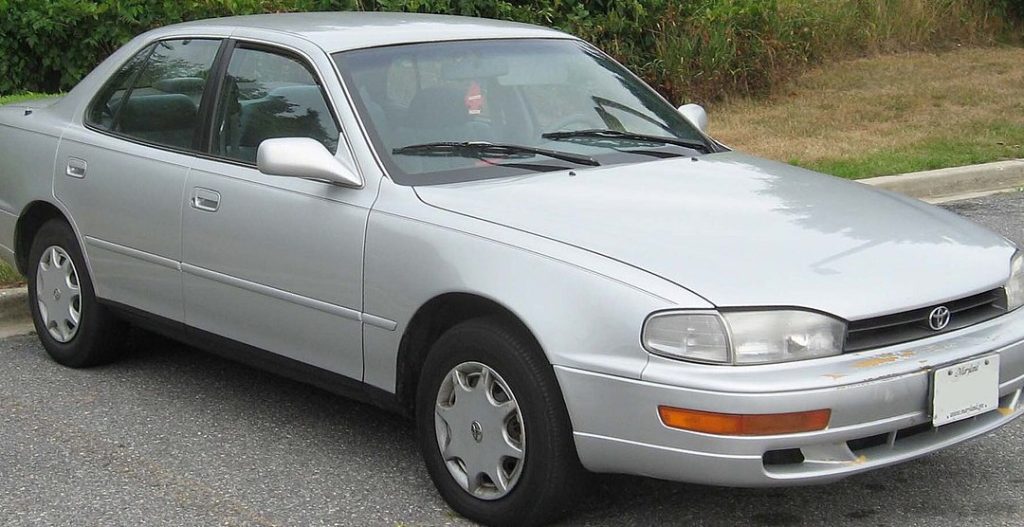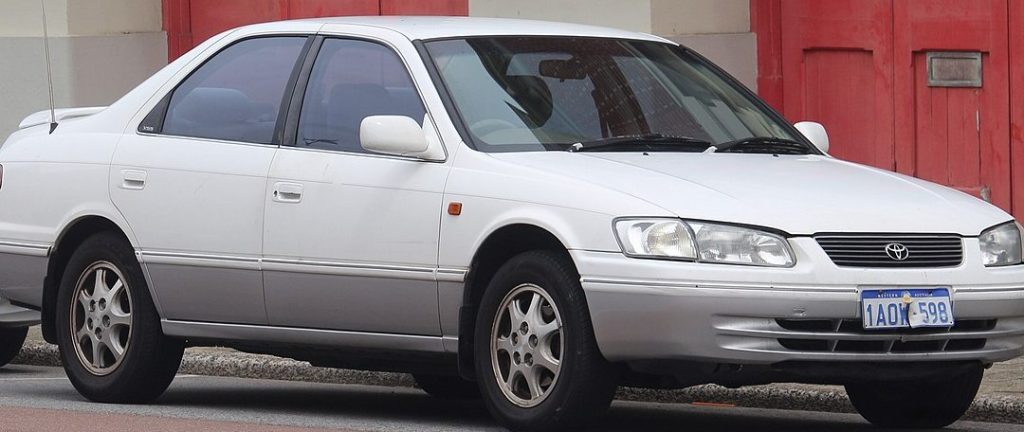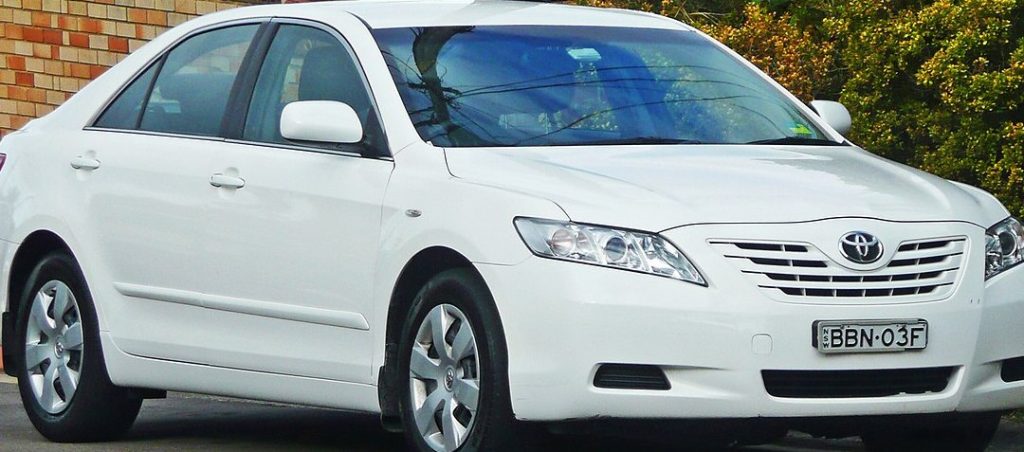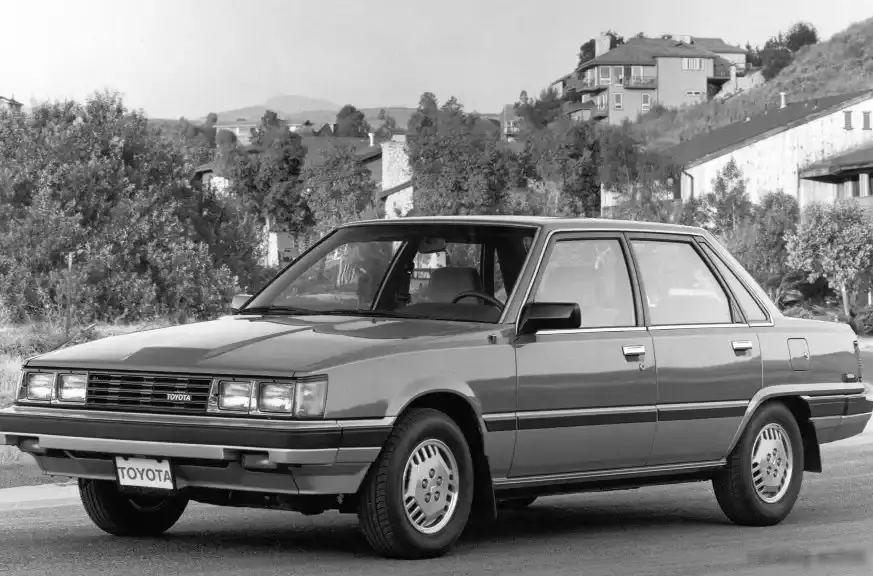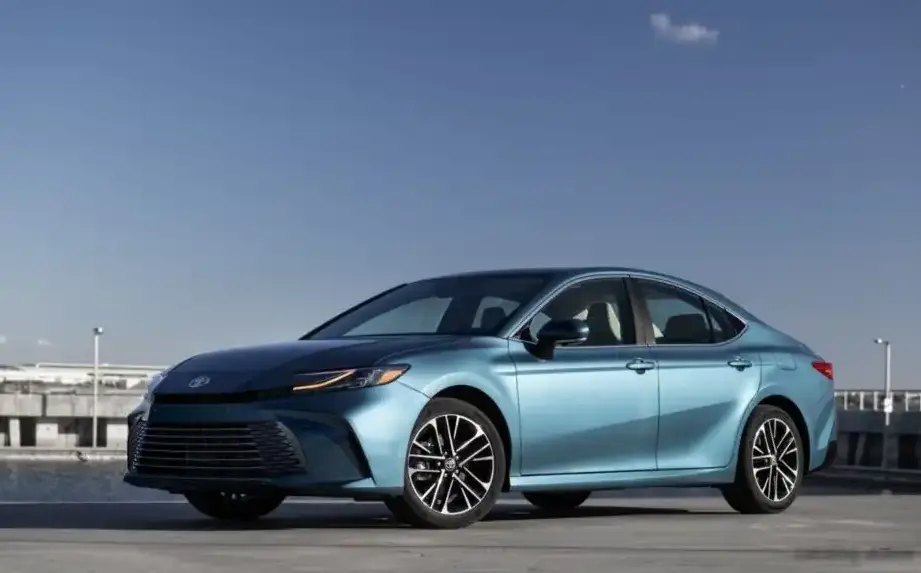
The Toyota Camry IX (XV80) 2.0, equipped with a Direct Shift CVT, represents a significant iteration in Toyota’s globally successful Camry lineage. Introduced in October 2023, this variant occupies a key position within the XV80 generation, offering a balance between fuel efficiency and adequate performance for the mainstream mid-size sedan market. The XV80 Camry, designed with a focus on contemporary styling and enhanced driving dynamics, aimed to appeal to a broader customer base, and the 2.0L CVT model served as a core offering in many markets, particularly where fuel economy is a primary concern. This model is primarily targeted towards buyers seeking a comfortable, reliable, and technologically equipped sedan without the higher price point of more powerful trims.
Technical Specifications
| Brand | Toyota |
| Model | Camry |
| Generation | Camry IX (XV80) |
| Type (Engine) | 2.0 (173 Hp) Direct Shift CVT |
| Start of production | October, 2023 |
| Powertrain Architecture | Internal Combustion engine |
| Body type | Sedan |
| Seats | 5 |
| Doors | 4 |
| Fuel consumption (combined WLTC) | 5.81-6.06 l/100 km (40.5 – 38.8 US mpg, 48.6 – 46.6 UK mpg, 17.2 – 16.5 km/l) |
| Fuel Type | Petrol (Gasoline) |
| Maximum speed | 205 km/h (127.38 mph) |
| Emission standard | China VI |
| Weight-to-power ratio | 9 kg/Hp, 111.6 Hp/tonne |
| Weight-to-torque ratio | 7.5 kg/Nm, 132.9 Nm/tonne |
| Power | 173 Hp @ 6600 rpm |
| Power per litre | 87.1 Hp/l |
| Torque | 206 Nm @ 4600-5000 rpm (151.94 lb.-ft. @ 4600-5000 rpm) |
| Engine layout | Front, Transverse |
| Engine Model/Code | M20C-FKS |
| Engine displacement | 1987 cm3 (121.25 cu. in.) |
| Number of cylinders | 4 |
| Engine configuration | Inline |
| Cylinder Bore | 80.5 mm (3.17 in.) |
| Piston Stroke | 97.6 mm (3.84 in.) |
| Compression ratio | 13:1 |
| Number of valves per cylinder | 4 |
| Fuel injection system | Direct injection and Multi-port manifold injection |
| Engine aspiration | Naturally aspirated engine |
| Valvetrain | DOHC |
| Engine oil capacity | 3.9 l (4.12 US qt | 3.43 UK qt) |
| Coolant capacity | 6.8 l (7.19 US qt | 5.98 UK qt) |
| Kerb Weight | 1550-1570 kg (3417.17 – 3461.26 lbs.) |
| Max. weight | 2030 kg (4475.38 lbs.) |
| Max load | 460-480 kg (1014.13 – 1058.22 lbs.) |
| Fuel tank capacity | 60 l (15.85 US gal | 13.2 UK gal) |
| Length | 4915 mm (193.5 in.) |
| Width | 1840 mm (72.44 in.) |
| Height | 1450 mm (57.09 in.) |
| Wheelbase | 2825 mm (111.22 in.) |
| Front track | 1590 mm (62.6 in.) |
| Rear track | 1600 mm (62.99 in.) |
| Minimum turning circle | 11.4 m (37.4 ft.) |
| Front suspension | Independent, type McPherson with coil spring and anti-roll bar |
| Rear suspension | Independent multi-link spring suspension with stabilizer |
| Front brakes | Ventilated discs |
| Rear brakes | Disc |
| Gearbox | automatic transmission Direct Shift CVT |
Powertrain & Engine Architecture
The heart of the Camry IX 2.0 is the M20C-FKS engine, a 1.987-liter (121.25 cubic inches) inline-four cylinder gasoline engine. This engine utilizes a combination of direct injection and multi-port fuel injection, a system Toyota calls D-4S, to optimize combustion efficiency and power delivery. The DOHC (Double Overhead Camshaft) valvetrain, coupled with four valves per cylinder, further enhances breathing and contributes to the engine’s respectable output. The engine produces 173 horsepower at 6600 rpm and 206 Nm (151.94 lb-ft) of torque between 4600 and 5000 rpm. Paired with this engine is Toyota’s Direct Shift CVT (Continuously Variable Transmission). This isn’t a traditional CVT; it features a physical gearset for initial acceleration, mimicking the feel of a conventional automatic transmission, before seamlessly transitioning to the belt-driven CVT operation for optimal efficiency at cruising speeds. This design aims to address the often-criticized “rubber band” feel associated with traditional CVTs.
Driving Characteristics
The 2.0L Direct Shift CVT Camry delivers a comfortable and predictable driving experience. While not offering the brisk acceleration of the V6 models, it provides sufficient power for everyday driving situations. The CVT is programmed to simulate stepped gear changes during moderate acceleration, providing a more engaging feel than a purely CVT experience. However, under hard acceleration, the CVT reverts to its typical operation, prioritizing fuel efficiency over outright performance. The gear ratios are tuned for fuel economy, resulting in a relatively relaxed driving experience. Compared to manual transmission versions (where available in other markets), the CVT prioritizes smoothness and ease of use over driver involvement. The power delivery is linear, and the engine is relatively quiet, contributing to a refined cabin experience.
Equipment & Trim Levels
The Camry IX 2.0 with the Direct Shift CVT typically comes standard with a comprehensive suite of features. These generally include Toyota Safety Sense, encompassing pre-collision system with pedestrian detection, lane departure alert with steering assist, and dynamic radar cruise control. Interior features often include a touchscreen infotainment system with Apple CarPlay and Android Auto compatibility, automatic climate control, and fabric upholstery. Higher trim levels, available as options, add features such as leather upholstery, a larger touchscreen display, a premium audio system, and power-adjustable seats. Exterior features typically include alloy wheels, LED headlights, and automatic wipers.
Chassis & Braking
The Camry IX utilizes a front-wheel-drive layout. The front suspension employs a McPherson strut design with coil springs and an anti-roll bar, while the rear suspension features an independent multi-link setup, also with a stabilizer bar. This suspension configuration aims to balance ride comfort and handling. Braking duties are handled by ventilated discs at the front and solid discs at the rear. Anti-lock Braking System (ABS) is standard, providing enhanced braking performance and stability. The steering system is an electric power steering (EPS) setup, offering light and precise steering feel.
Market Reception & Comparison
The Camry IX 2.0 CVT was generally well-received by critics as a practical and efficient mid-size sedan. Its fuel economy figures of 5.81-6.06 l/100 km (40.5 – 38.8 US mpg) were competitive within its segment. Compared to the more powerful V6 Camry, the 2.0L model offered a more affordable entry point and superior fuel efficiency, albeit at the expense of performance. Against other 2.0L four-cylinder competitors, the Camry generally held its own in terms of refinement and reliability. Some reviewers noted that the CVT, while improved, still lacked the responsiveness of a traditional automatic transmission. However, the overall package of comfort, features, and fuel economy proved appealing to a wide range of buyers.
Legacy
The M20C-FKS engine and the Direct Shift CVT combination have proven to be relatively reliable powertrains. Toyota’s reputation for durability extends to this configuration, and reports of major mechanical issues have been infrequent. In the used car market, the Camry IX 2.0 CVT remains a popular choice due to its affordability, fuel efficiency, and Toyota’s strong brand reputation. Maintenance costs are generally reasonable, and parts availability is excellent. The XV80 generation Camry, including the 2.0L CVT variant, is expected to maintain its value as a dependable and practical transportation option for years to come.