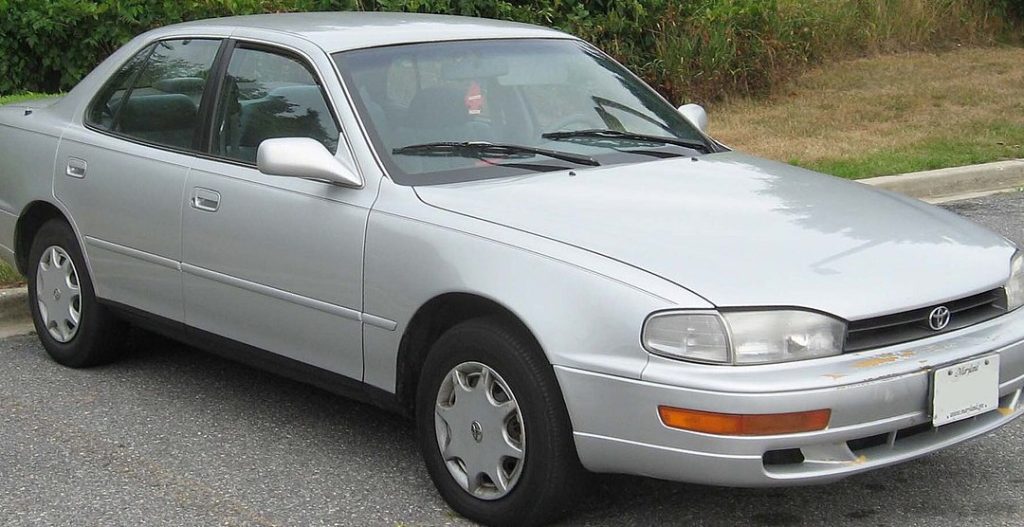
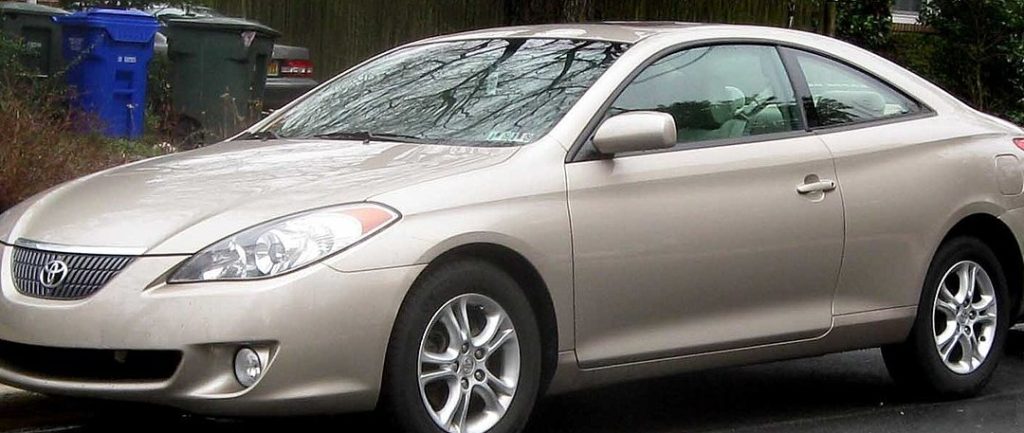
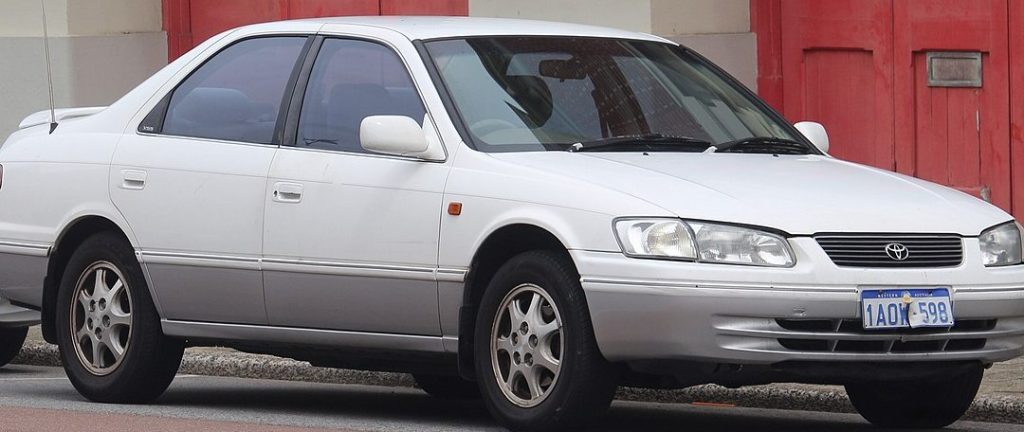
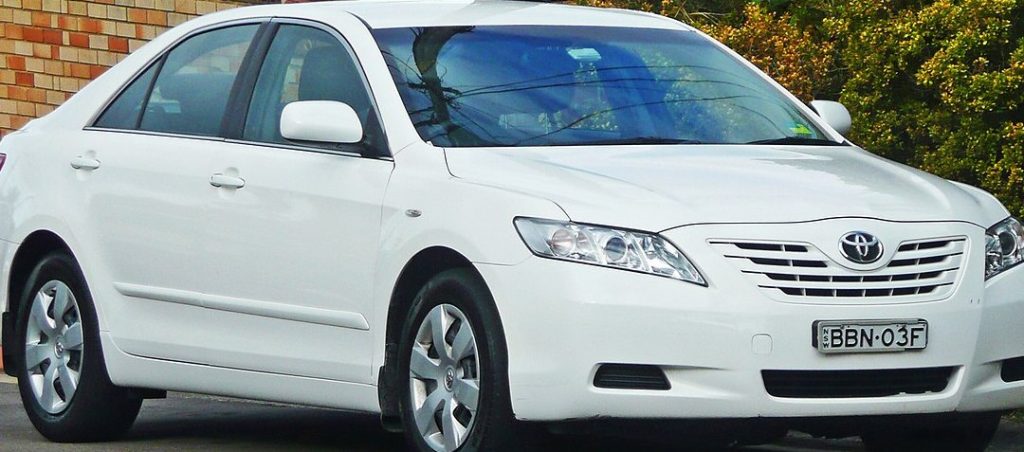
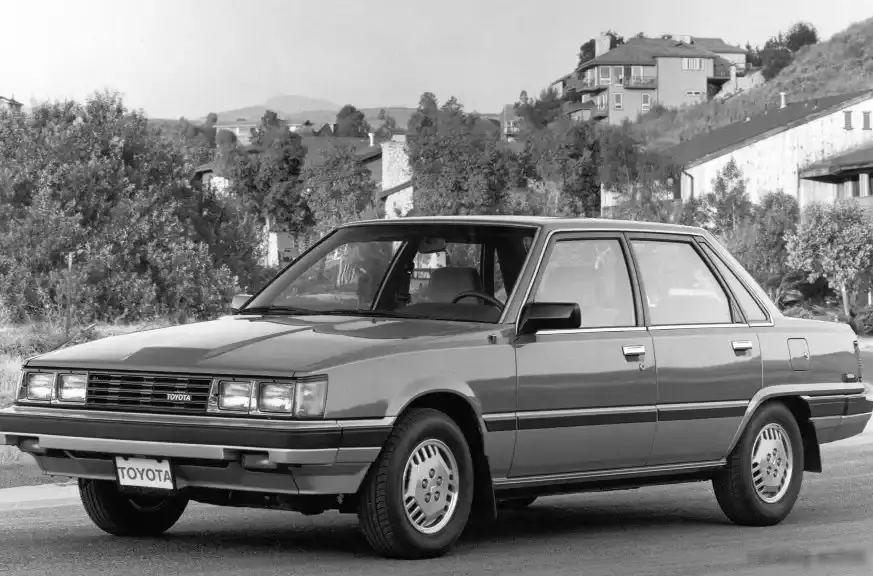
The Toyota Camry V (XV30) 2.4 16V, producing 157 horsepower, was a mainstay of the mid-size sedan segment from 2001 to 2004. Representing the fifth generation of the Camry, the XV30 chassis aimed to balance comfort, reliability, and a more modern driving experience compared to its predecessor. This particular variant, equipped with the 2AZ-FE 2.4-liter engine and a five-speed automatic transmission, occupied a central position in the Camry lineup, offering a step up in performance from the base 2.2-liter engine while remaining more accessible than the higher-trim 3.0-liter V6 models. It was primarily marketed towards families and commuters seeking a dependable and reasonably efficient vehicle.
Technical Specifications
| Brand | Toyota |
| Model | Camry |
| Generation | Camry V (XV30) |
| Type (Engine) | 2.4 16V (157 Hp) |
| Start of production | 2001 |
| End of production | 2004 |
| Powertrain Architecture | Internal Combustion engine |
| Body type | Sedan |
| Seats | 5 |
| Doors | 4 |
| Fuel consumption (urban) | 9.8 l/100 km (24 US mpg) |
| Fuel consumption (extra urban) | 7.1 l/100 km (33.1 US mpg) |
| Fuel Type | Petrol (Gasoline) |
| Weight-to-power ratio | 8.9 kg/Hp |
| Weight-to-torque ratio | 6.4 kg/Nm |
| Power | 157 Hp @ 5600 rpm |
| Power per litre | 66.5 Hp/l |
| Torque | 218 Nm @ 3800 rpm (160.79 lb.-ft. @ 3800 rpm) |
| Engine layout | Front, Transverse |
| Engine Model/Code | 2AZ-FE |
| Engine displacement | 2362 cm3 (144.14 cu. in.) |
| Number of cylinders | 4 |
| Engine configuration | Inline |
| Cylinder Bore | 88.5 mm (3.48 in.) |
| Piston Stroke | 96 mm (3.78 in.) |
| Compression ratio | 9.6:1 |
| Number of valves per cylinder | 4 |
| Fuel injection system | Multi-port manifold injection |
| Engine aspiration | Naturally aspirated engine |
| Valvetrain | DOHC |
| Engine oil capacity | 3.8 l (4.02 US qt | 3.34 UK qt) |
| Coolant capacity | 6.2 l (6.55 US qt | 5.46 UK qt) |
| Kerb Weight | 1400 kg (3086.47 lbs.) |
| Trunk (boot) space | 472 l (16.67 cu. ft.) |
| Fuel tank capacity | 70 l (18.49 US gal | 15.4 UK gal) |
| Length | 4805 mm (189.17 in.) |
| Width | 1795 mm (70.67 in.) |
| Height | 1470 mm (57.87 in.) |
| Wheelbase | 2720 mm (107.09 in.) |
| Front track | 1544 mm (60.79 in.) |
| Rear track | 1534 mm (60.39 in.) |
| Ride height (ground clearance) | 137 mm (5.39 in.) |
| Drag coefficient (Cd) | 0.28 |
| Minimum turning circle | 10.6 m (34.78 ft.) |
| Drivetrain Architecture | Front wheel drive |
| Number of gears | 5 |
| Type of gearbox | Automatic transmission |
| Front suspension | Independent, type McPherson with coil spring and anti-roll bar |
| Rear suspension | Independent multi-link spring suspension with stabilizer |
| Front brakes | Ventilated discs |
| Rear brakes | Drum |
| Assisting systems | ABS (Anti-lock braking system) |
| Steering type | Steering rack and pinion |
| Power steering | Hydraulic Steering |
| Tires size | 205/65 R15 |
| Wheel rims size | 6.5J x 15 |
Introduction
The XV30 Camry represented a significant step forward in terms of refinement and interior space for Toyota. Introduced in 2001, it built upon the reputation for reliability established by previous generations while incorporating a more contemporary design and improved ride quality. The 2.4-liter engine and automatic transmission combination was a popular choice, offering a balance between fuel efficiency and adequate performance for everyday driving. This trim level typically included features like air conditioning, power windows and locks, and an upgraded audio system, making it a well-rounded option for a broad range of buyers.
Powertrain & Engine Architecture
The heart of this Camry variant is the 2AZ-FE 2.4-liter inline-four engine. This engine utilizes a double overhead camshaft (DOHC) valvetrain with four valves per cylinder, contributing to its relatively high output for its displacement. Fuel delivery is managed by a multi-port fuel injection system, ensuring precise fuel metering for optimal combustion. The 2AZ-FE is known for its durability and relatively simple design, contributing to its long-term reliability. Paired with this engine is a five-speed automatic transmission. This transmission, while not offering the sporty responsiveness of a manual gearbox, provides smooth and convenient shifting, ideal for commuting and highway driving. The transmission’s gear ratios are tuned for fuel efficiency and comfortable acceleration, prioritizing usability over outright performance.
Driving Characteristics
The 2.4-liter Camry with the automatic transmission delivers a comfortable and predictable driving experience. Acceleration is adequate for merging onto highways and passing slower traffic, but it doesn’t offer the briskness of the V6 models. The automatic transmission shifts smoothly, though it can sometimes feel hesitant during quick acceleration. Compared to the five-speed manual transmission available on the same engine, the automatic sacrifices some responsiveness. The suspension is tuned for comfort, absorbing bumps and road imperfections effectively. Steering is light and precise, making it easy to maneuver in city traffic. Overall, this variant prioritizes a relaxed and refined driving experience over sporty handling.
Equipment & Trim Levels
The 2.4-liter automatic Camry typically came standard with features such as air conditioning, power windows and door locks, a CD player with multiple speakers, and cloth upholstery. Higher trim levels within the 2.4-liter range, and especially when comparing to the V6 models, offered upgrades like alloy wheels, a sunroof, upgraded audio systems, and leather upholstery. Optional extras included features like side airbags, anti-theft systems, and premium paint colors. The interior design was functional and straightforward, prioritizing ergonomics and ease of use.
Chassis & Braking
The XV30 Camry utilizes an independent McPherson strut suspension in the front and an independent multi-link suspension in the rear. This setup provides a comfortable ride and good handling characteristics. The front brakes are ventilated discs, offering good stopping power, while the rear brakes are drums, a cost-saving measure common in this class of vehicle. Anti-lock braking system (ABS) was standard, enhancing safety by preventing wheel lockup during hard braking. Stabilizer bars are present on both axles, reducing body roll during cornering.
Market Reception & Comparison
The Camry XV30, including the 2.4-liter automatic variant, was well-received by critics and consumers alike. It was praised for its reliability, comfortable ride, and spacious interior. Compared to other mid-size sedans of the time, such as the Honda Accord and Nissan Altima, the Camry offered a compelling combination of features and value. The 2.4-liter engine provided decent fuel economy, averaging around 24 mpg in the city and 33 mpg on the highway. While the V6 models offered more power, the 2.4-liter provided a more affordable and fuel-efficient option. The manual transmission version of the 2.4L offered slightly better fuel economy and a more engaging driving experience, but the automatic was far more popular due to its convenience.
Legacy
The 2AZ-FE engine, when properly maintained, has proven to be remarkably durable. Many examples of the XV30 Camry with this engine are still on the road today, often with high mileage. The automatic transmission is also generally reliable, although regular fluid changes are crucial for longevity. In the used car market, these Camrys are often sought after for their reputation for dependability and affordability. While not a particularly exciting vehicle, the XV30 2.4-liter automatic Camry remains a practical and reliable choice for those seeking a comfortable and dependable mid-size sedan.