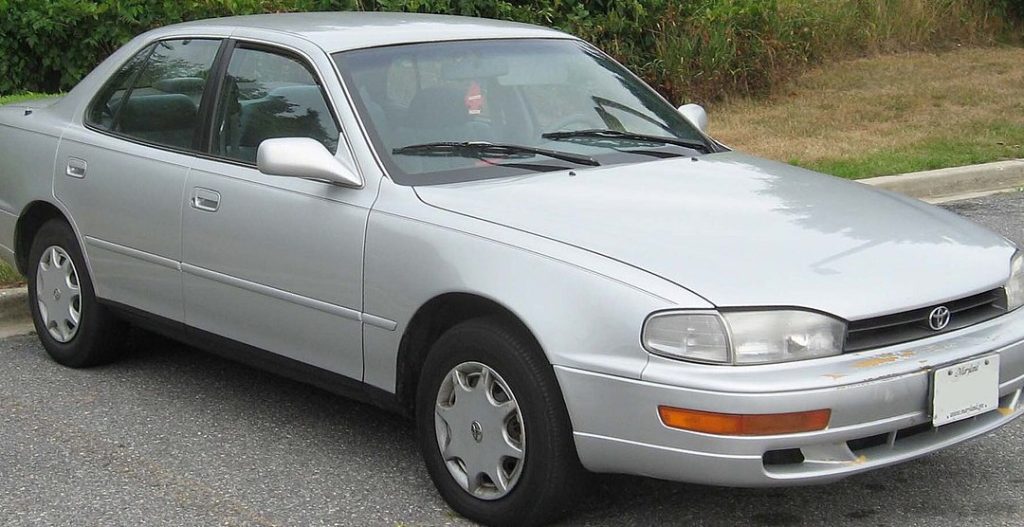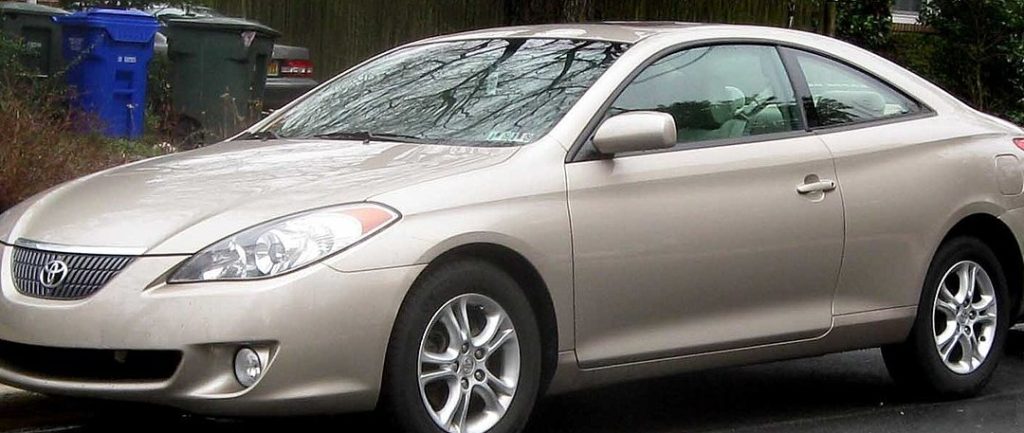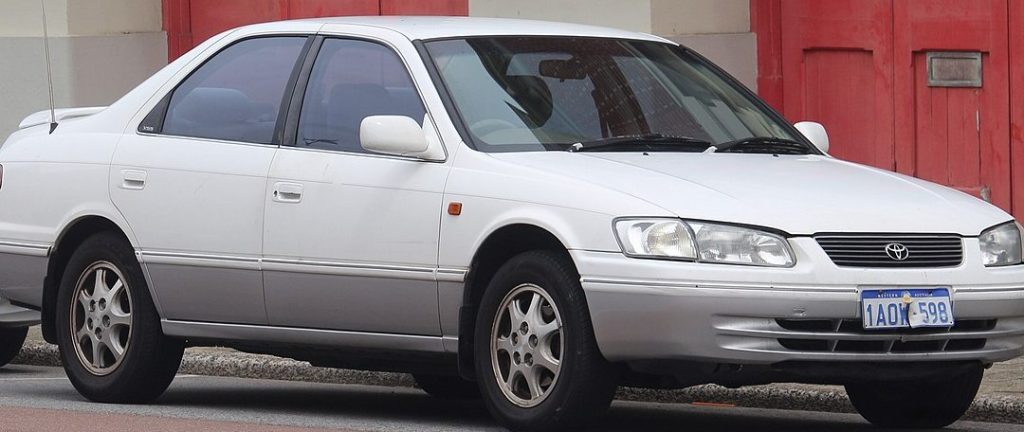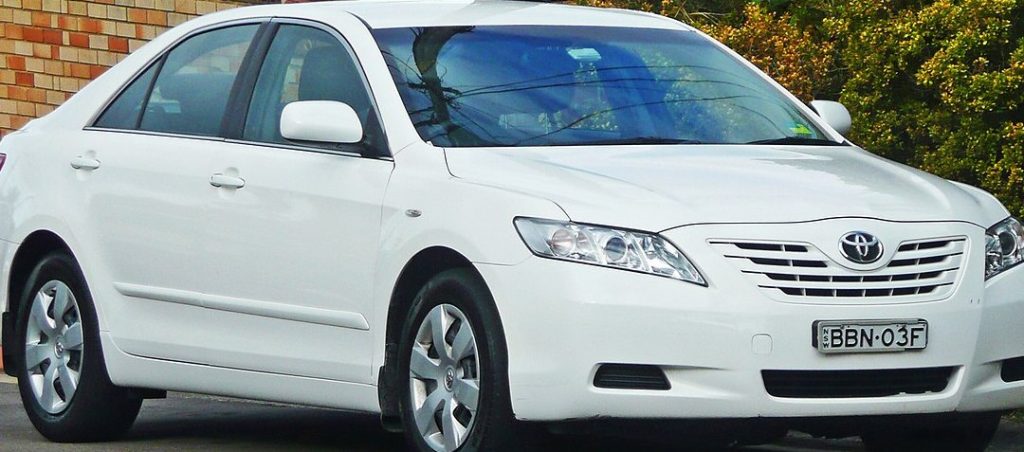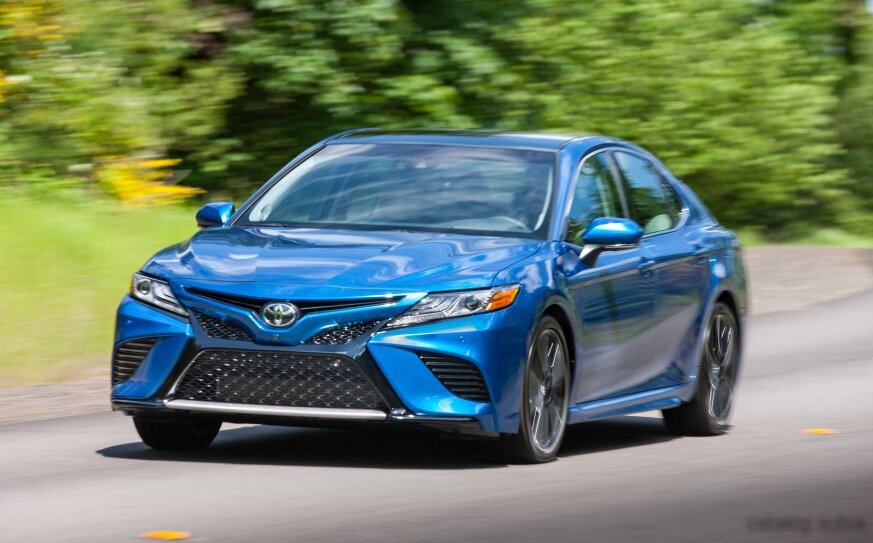
The Toyota Camry VIII (XV70) 2.0, producing 150 horsepower with an automatic transmission, was a mainstay of the Camry lineup from 2018 to 2020. Positioned as a mid-range offering, it bridged the gap between the base 2.5-liter four-cylinder and the more powerful 3.5-liter V6 models. This variant was primarily sold in North America, Australia, and select Asian markets, catering to buyers seeking a balance of fuel efficiency, comfort, and reliability in a mainstream mid-size sedan. The XV70 generation represented a significant evolution in Camry design and technology, moving towards a more expressive and dynamic aesthetic compared to its predecessors.
Technical Specifications
| Brand | Toyota |
| Model | Camry |
| Generation | Camry VIII (XV70) |
| Type (Engine) | 2.0 (150 Hp) Automatic |
| Start of production | 2018 year |
| End of production | 2020 year |
| Powertrain Architecture | Internal Combustion engine |
| Body type | Sedan |
| Seats | 5 |
| Doors | 4 |
| Fuel Type | Petrol (Gasoline) |
| Acceleration 0 – 100 km/h | 11 sec |
| Acceleration 0 – 62 mph | 11 sec |
| Acceleration 0 – 60 mph | 10.5 sec |
| Maximum speed | 210 km/h (130.49 mph) |
| Weight-to-power ratio | 10.5 kg/Hp, 95.5 Hp/tonne |
| Weight-to-torque ratio | 8.2 kg/Nm, 122.3 Nm/tonne |
| Power | 150 Hp @ 6500 rpm |
| Power per litre | 75.1 Hp/l |
| Torque | 192 Nm @ 4700 rpm (141.61 lb.-ft. @ 4700 rpm) |
| Engine layout | Front, Transverse |
| Engine Model/Code | 6AR-FSE |
| Engine displacement | 1998 cm3 (121.93 cu. in.) |
| Number of cylinders | 4 |
| Engine configuration | Inline |
| Cylinder Bore | 86 mm (3.39 in.) |
| Piston Stroke | 86 mm (3.39 in.) |
| Compression ratio | 12.7:1 |
| Number of valves per cylinder | 4 |
| Engine aspiration | Naturally aspirated engine |
| Valvetrain | DOHC, Dual VVT-i |
| Engine oil capacity | 4.4 l (4.65 US qt | 3.87 UK qt) |
| Coolant | 6.6 l (6.97 US qt | 5.81 UK qt) |
| Kerb Weight | 1570-1580 kg (3461.26 – 3483.3 lbs.) |
| Max. weight | 2030 kg (4475.38 lbs.) |
| Max load | 450-460 kg (992.08 – 1014.13 lbs.) |
| Trunk (boot) space – minimum | 493 l (17.41 cu. ft.) |
| Fuel tank capacity | 60 l (15.85 US gal | 13.2 UK gal) |
| Length | 4885 mm (192.32 in.) |
| Width | 1840 mm (72.44 in.) |
| Height | 1455 mm (57.28 in.) |
| Wheelbase | 2825 mm (111.22 in.) |
| Drivetrain Architecture | The Internal combustion engine (ICE) drives the front wheels of the vehicle. |
| Drive wheel | Front wheel drive |
| Number of gears and type of gearbox | 6 gears, automatic transmission |
| Front suspension | Independent, type McPherson with coil spring and anti-roll bar |
| Rear suspension | Independent multi-link spring suspension with stabilizer |
| Front brakes | Ventilated discs |
| Rear brakes | Disc |
| Assisting systems | ABS (Anti-lock braking system) |
| Steering type | Steering rack and pinion |
| Power steering | Electric Steering |
| Tires size | 205/65 R16 |
| Wheel rims size | 16 |
Introduction
The 2018-2020 Toyota Camry XV70, powered by the 6AR-FSE 2.0-liter inline-four engine and paired with a six-speed automatic transmission, represented a significant step forward for Toyota’s best-selling sedan. This configuration was primarily aimed at markets where smaller displacement engines were favored due to tax regulations or fuel economy concerns. Within the XV70 range, which utilized the TNGA (Toyota New Global Architecture) platform, this 2.0L automatic served as a compelling alternative to the more common 2.5L four-cylinder and the performance-oriented 3.5L V6 options. It offered a balance of affordability, reasonable performance, and Toyota’s renowned reliability.
Powertrain & Engine Architecture
The heart of this Camry variant is the 6AR-FSE engine, a 1,998 cc (121.93 cubic inches) inline-four cylinder powerplant. This engine features a naturally aspirated design, utilizing Toyota’s Dual VVT-i (Variable Valve Timing-intelligent) system for both intake and exhaust valves. This technology optimizes valve timing based on engine speed and load, improving both fuel efficiency and power output. The engine employs multi-point fuel injection and a compression ratio of 12.7:1. The six-speed automatic transmission, a conventional torque-converter type, was chosen for its smooth operation and reliability. While not as technologically advanced as some continuously variable transmissions (CVTs) found in competitors, it provided a familiar driving experience and was well-suited to the engine’s torque characteristics. The transmission’s gear ratios were tuned for a balance of acceleration and fuel economy, prioritizing comfortable cruising over outright performance.
Driving Characteristics
The Camry 2.0 Automatic delivered a comfortable and predictable driving experience. Acceleration from 0-60 mph took approximately 10.5 seconds, making it adequately powered for everyday driving but not particularly sporty. The automatic transmission generally shifted smoothly, although it could occasionally feel hesitant during quick acceleration maneuvers. The engine produced sufficient torque for merging onto highways and passing other vehicles, but it lacked the punch of the V6 model. The gear ratios were optimized for fuel efficiency, meaning the engine often operated at lower RPMs during highway cruising. Compared to the manual transmission versions (available in some markets with the 2.0L engine), the automatic offered greater convenience but at the expense of some driver engagement and fuel economy. The suspension, tuned for comfort, absorbed bumps and road imperfections well, providing a smooth ride for passengers.
Equipment & Trim Levels
The 2.0-liter automatic Camry typically came standard with a respectable array of features. These generally included air conditioning, power windows and locks, a touchscreen infotainment system with Bluetooth connectivity, a rearview camera, and Toyota’s Safety Sense suite of driver-assistance technologies (including pre-collision system, lane departure alert, and automatic high beams). Interior upholstery was typically cloth, with optional leather available on higher trim levels. Dashboard configuration was consistent across the XV70 range, featuring a modern and user-friendly design. Optional extras included a sunroof, upgraded audio system, navigation system, and blind-spot monitoring.
Chassis & Braking
The Camry XV70 utilized Toyota’s TNGA platform, which provided a more rigid and refined chassis compared to previous generations. The front suspension employed a McPherson strut design with coil springs and an anti-roll bar, while the rear suspension featured an independent multi-link setup with a stabilizer bar. This configuration delivered a good balance of ride comfort and handling. Braking duties were handled by ventilated discs at the front and solid discs at the rear. Anti-lock braking system (ABS) was standard, providing enhanced stopping power and control. The steering system was an electric power-assisted rack and pinion, offering light and precise steering feel.
Market Reception & Comparison
Critics generally praised the Camry 2.0 Automatic for its fuel efficiency, comfortable ride, and Toyota’s reputation for reliability. However, some reviewers noted that the engine lacked the power and refinement of the 2.5L and 3.5L options. Compared to the 2.5L four-cylinder, the 2.0L offered slightly better fuel economy but less overall performance. The 3.5L V6 provided significantly more power but at the cost of increased fuel consumption. In terms of reliability, the 6AR-FSE engine proved to be generally dependable, with few widespread issues reported. Fuel economy figures typically ranged from 28 mpg city to 39 mpg highway, making it a competitive option in its class.
Legacy
The Toyota Camry XV70 2.0 Automatic has established itself as a reliable and affordable used car option. The 6AR-FSE engine, when properly maintained, is known for its longevity. While not a performance standout, this variant offers a practical and comfortable driving experience. The TNGA platform’s improved rigidity and refinement contribute to a more modern feel compared to older Camry generations. In the used car market, this trim level often represents a good value proposition for buyers seeking a dependable and fuel-efficient mid-size sedan.