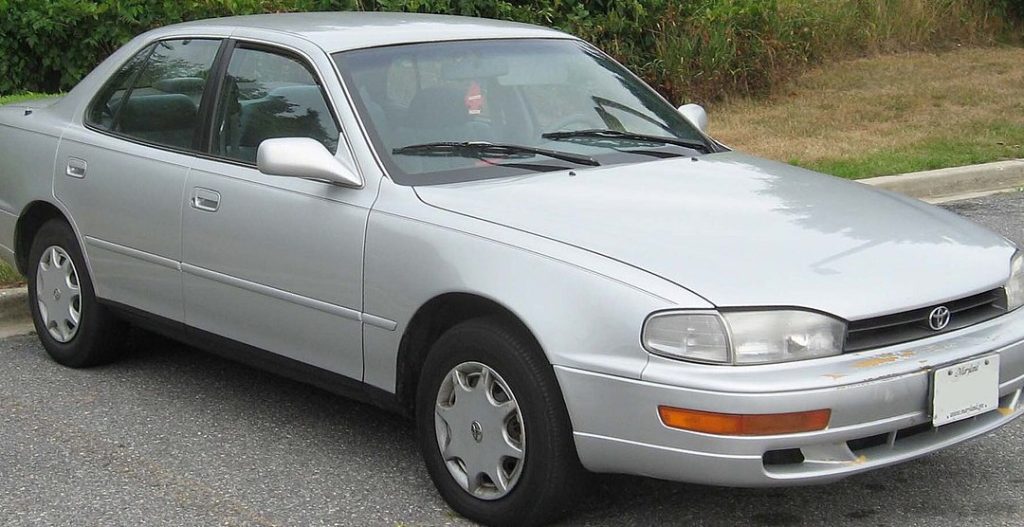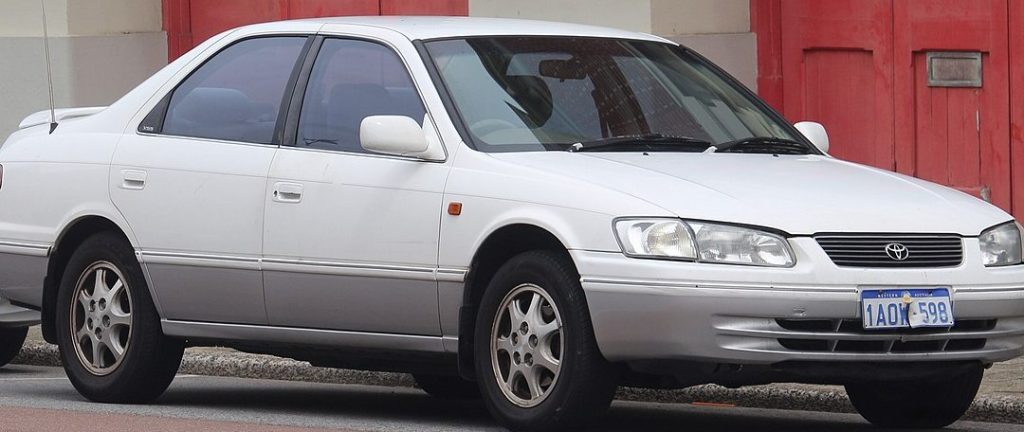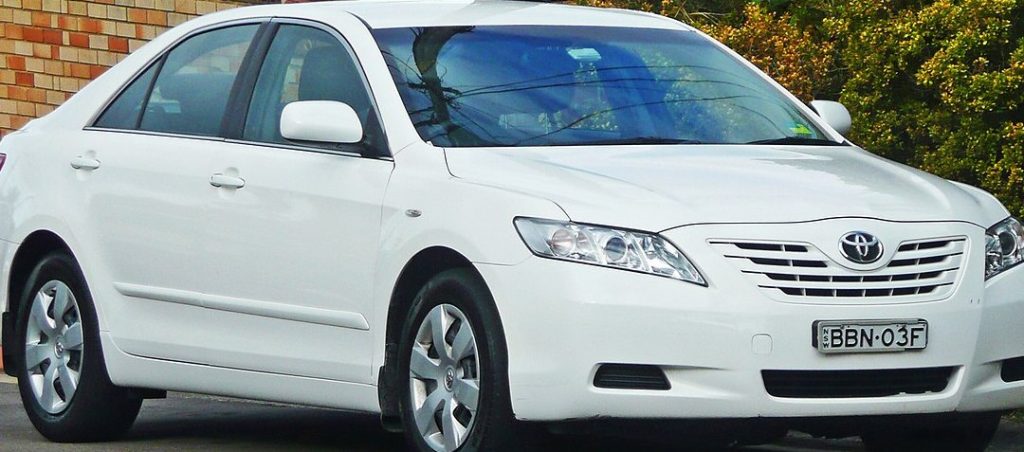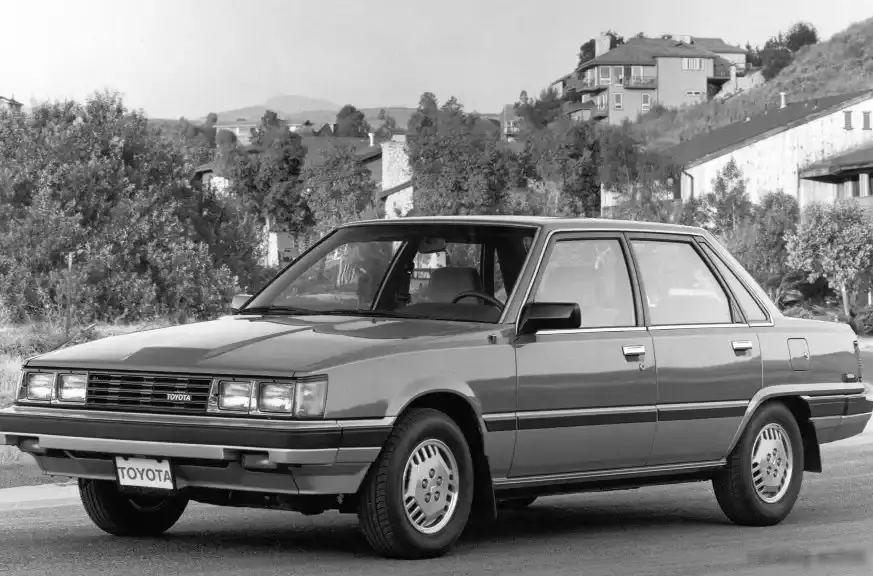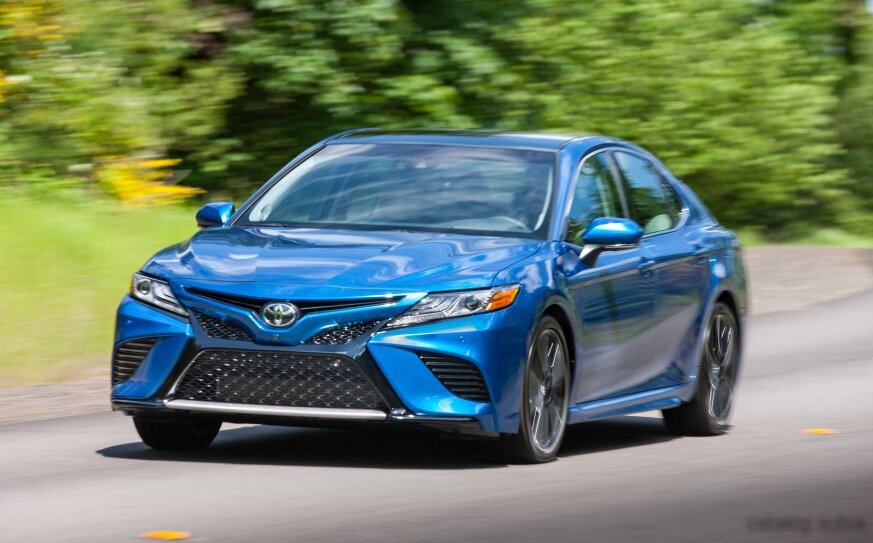
The Toyota Camry VIII (XV70) 2.5 Hybrid, produced from 2017 to 2020, represents a significant step forward in the Camry’s evolution, blending traditional Toyota reliability with a focus on fuel efficiency. This generation Camry, built on the TNGA (Toyota New Global Architecture) platform, aimed to offer a more engaging driving experience and improved interior refinement compared to its predecessor. The 2.5-liter Hybrid variant, utilizing Toyota’s Hybrid Synergy Drive system, was positioned as a mid-to-upper trim level, appealing to buyers seeking a balance between performance and economy. It quickly became a popular choice in the North American market, where fuel costs and environmental concerns were increasingly prominent.
Technical Specifications
| Brand | Toyota |
| Model | Camry |
| Generation | Camry VIII (XV70) |
| Type (Engine) | 2.5 (208 Hp) Hybrid e-CVT |
| Start of production | 2017 |
| End of production | 2020 |
| Powertrain Architecture | FHEV (Full Hybrid Electric Vehicle) |
| Body type | Sedan |
| Seats | 5 |
| Doors | 4 |
| Fuel consumption (urban) | 4.6 l/100 km (51.1 US mpg, 61.4 UK mpg, 21.7 km/l) |
| Fuel consumption (extra urban) | 4.4 l/100 km (53.5 US mpg, 64.2 UK mpg, 22.7 km/l) |
| Fuel consumption (combined) | 4.5 l/100 km (52.3 US mpg, 62.8 UK mpg, 22.2 km/l) |
| Fuel Type | Petrol (Gasoline) |
| Weight-to-power ratio | 7.6 kg/Hp, 132.1 Hp/tonne |
| Weight-to-torque ratio | 7.1 kg/Nm, 140.3 Nm/tonne |
| Gross battery capacity | 1.03 kWh |
| Battery voltage | 259 V |
| Battery technology | Lithium-ion (Li-Ion) |
| Battery location | Under the rear seats |
| Electric motor power | 118 Hp |
| Electric motor Torque | 202 Nm (148.99 lb.-ft.) |
| System power | 208 Hp |
| Internal combustion engine power | 176 Hp @ 5700 rpm |
| Power per litre | 70.8 Hp/l |
| Torque | 221 Nm @ 5200 rpm (163 lb.-ft. @ 5200 rpm) |
| Engine layout | Front, Transverse |
| Engine Model/Code | A25A-FXS |
| Engine displacement | 2487 cm3 (151.77 cu. in.) |
| Number of cylinders | 4 |
| Engine configuration | Inline |
| Cylinder Bore | 87.5 mm (3.44 in.) |
| Piston Stroke | 103.4 mm (4.07 in.) |
| Compression ratio | 14:1 |
| Number of valves per cylinder | 4 |
| Fuel injection system | Direct injection and Multi-port manifold injection |
| Engine aspiration | Naturally aspirated engine |
| Valvetrain | DOHC, Dual VVT-i |
| Engine oil capacity | 4.5 l (4.76 US qt | 3.96 UK qt) |
| Coolant | 6.9 l (7.29 US qt | 6.07 UK qt) |
| Kerb Weight | 1575 kg (3472.28 lbs.) |
| Trunk (boot) space – maximum | 428 l (15.11 cu. ft.) |
| Fuel tank capacity | 49 l (12.94 US gal | 10.78 UK gal) |
| Length | 4879 mm (192.09 in.) |
| Width | 1839 mm (72.4 in.) |
| Height | 1445 mm (56.89 in.) |
| Wheelbase | 2824 mm (111.18 in.) |
| Front track | 1580-1600 mm (62.2 – 62.99 in.) |
| Rear (Back) track | 1590-1605 mm (62.6 – 63.19 in.) |
| Ride height (ground clearance) | 127 mm (5 in.) |
| Minimum turning circle (turning diameter) | 11.39 m (37.37 ft.) |
| Drivetrain Architecture | The Internal combustion engine (ICE) and electric motor drive the front wheels of the car with the ability to work in full electric or mixed mode. |
| Drive wheel | Front wheel drive |
| Number of gears and type of gearbox | automatic transmission e-CVT |
| Front suspension | Independent, type McPherson with coil spring and anti-roll bar |
| Rear suspension | Double wishbone |
| Front brakes | Ventilated discs, 304.8 mm |
| Rear brakes | Disc, 280.92 mm |
| Assisting systems | ABS (Anti-lock braking system) |
| Steering type | Steering rack and pinion |
| Power steering | Electric Steering |
| Tires size | 205/65 R16; 215/55 R17; 235/45 R18; 235/40 R19 |
| Wheel rims size | 16; 17; 18; 20 |
Powertrain & Engine Architecture
The heart of the XV70 Camry Hybrid is the A25A-FXS 2.5-liter inline-four engine. This engine utilizes Toyota’s D-4S fuel injection system, combining direct injection and port injection for optimal efficiency and power delivery. The engine also features a Dual VVT-i (Variable Valve Timing-intelligent) system, which adjusts the timing of both intake and exhaust valves to improve performance across the rev range. Paired with the gasoline engine is a permanent magnet synchronous electric motor, drawing power from a lithium-ion battery pack located under the rear seats. The total system output of 208 horsepower is achieved through the seamless integration of the engine and electric motor. The e-CVT (electronically controlled Continuously Variable Transmission) is a key component of the Hybrid Synergy Drive. Unlike traditional CVTs with belts and pulleys, Toyota’s e-CVT uses a planetary gearset to split power between the engine and electric motor, providing a smooth and efficient driving experience. It doesn’t have fixed gear ratios, instead offering a continuously variable range to keep the engine operating at its most efficient point.
Driving Characteristics
The 2.5-liter Hybrid Camry offers a comfortable and refined driving experience. The e-CVT contributes to exceptionally smooth acceleration, although it lacks the immediate responsiveness of a traditional automatic transmission. The combined output of 208 hp provides adequate power for everyday driving situations, with a 0-60 mph time of around 7.6 seconds. The electric motor provides instant torque, which helps to fill in any gaps in the engine’s power delivery. The hybrid system prioritizes fuel efficiency, and the car can operate in electric-only mode at lower speeds and under light loads. Compared to the non-hybrid 2.5-liter Camry, the hybrid version offers significantly better fuel economy, but slightly less overall performance. The handling is generally secure and predictable, but the Camry is not designed to be a sporty vehicle. The suspension is tuned for comfort, absorbing bumps and imperfections in the road effectively.
Equipment & Trim Levels
The 2.5-liter Hybrid Camry was typically offered in LE, SE, and XLE trim levels. The LE trim served as the entry point, featuring standard equipment such as Toyota Safety Sense P (including pre-collision system with pedestrian detection, lane departure alert with steering assist, and automatic high beams), a 7-inch touchscreen infotainment system, Bluetooth connectivity, and automatic climate control. The SE trim added a sportier appearance with unique alloy wheels, a mesh grille, and sport-tuned suspension. The XLE trim offered premium features such as leather upholstery, heated front seats, a larger 8-inch touchscreen display, and a premium audio system. Optional extras included a panoramic sunroof, blind spot monitoring, and rear cross-traffic alert.
Chassis & Braking
The XV70 Camry utilizes a MacPherson strut front suspension and a double-wishbone rear suspension. This configuration provides a good balance between ride comfort and handling. The SE trim featured a slightly stiffer suspension tuning for a more engaging driving experience. Braking duties are handled by ventilated discs at the front and solid discs at the rear. ABS (Anti-lock Braking System) is standard, along with electronic brake-force distribution and brake assist. The steering is electric power-assisted, providing light and precise steering feel.
Market Reception & Comparison
The 2017-2020 Camry Hybrid was well-received by critics and consumers alike. It was praised for its fuel efficiency, comfortable ride, and spacious interior. Compared to other mid-size hybrid sedans, such as the Honda Accord Hybrid and Hyundai Sonata Hybrid, the Camry Hybrid offered a competitive combination of features, performance, and reliability. The Camry Hybrid consistently achieved excellent fuel economy ratings, typically exceeding 50 mpg in combined driving. Reliability was also a strong point, with the Camry Hybrid consistently ranking highly in consumer reports and reliability surveys.
Legacy
The Toyota Camry VIII (XV70) 2.5 Hybrid has proven to be a reliable and durable vehicle. The Hybrid Synergy Drive system has a strong track record of longevity, and the A25A-FXS engine is known for its dependability. In the used car market, these Camrys hold their value well, due to their reputation for reliability and fuel efficiency. The e-CVT transmission, while not known for being a performance-oriented unit, has proven to be robust and requires minimal maintenance. The XV70 Camry Hybrid represents a significant step forward in Toyota’s hybrid technology, and it continues to be a popular choice for buyers seeking a fuel-efficient and reliable mid-size sedan.