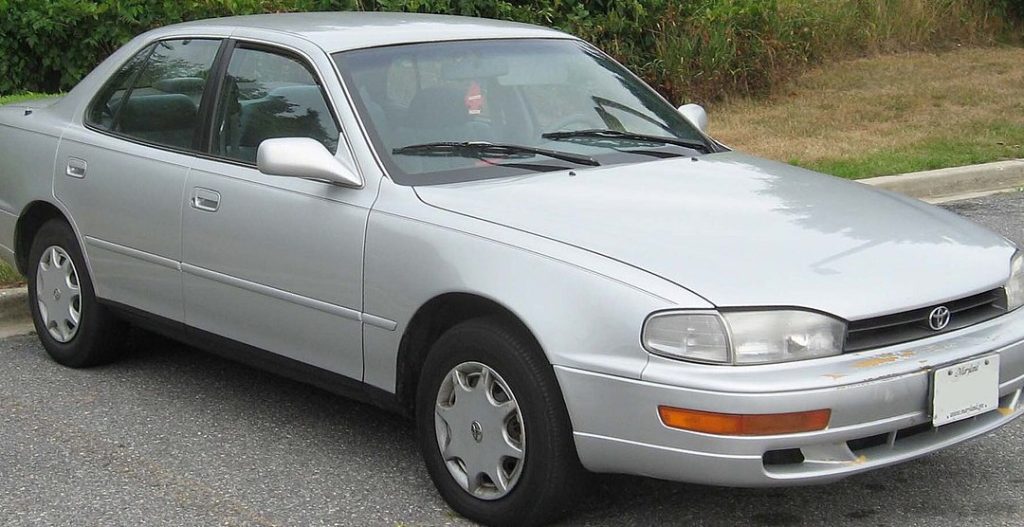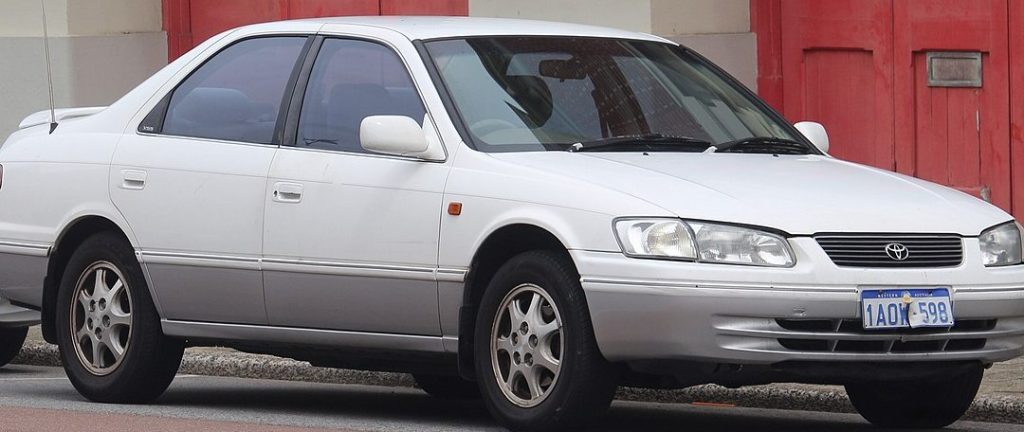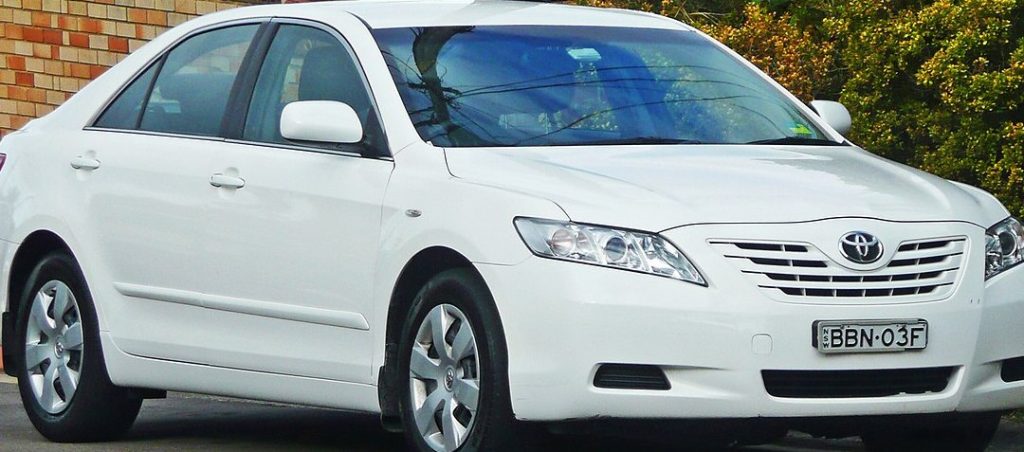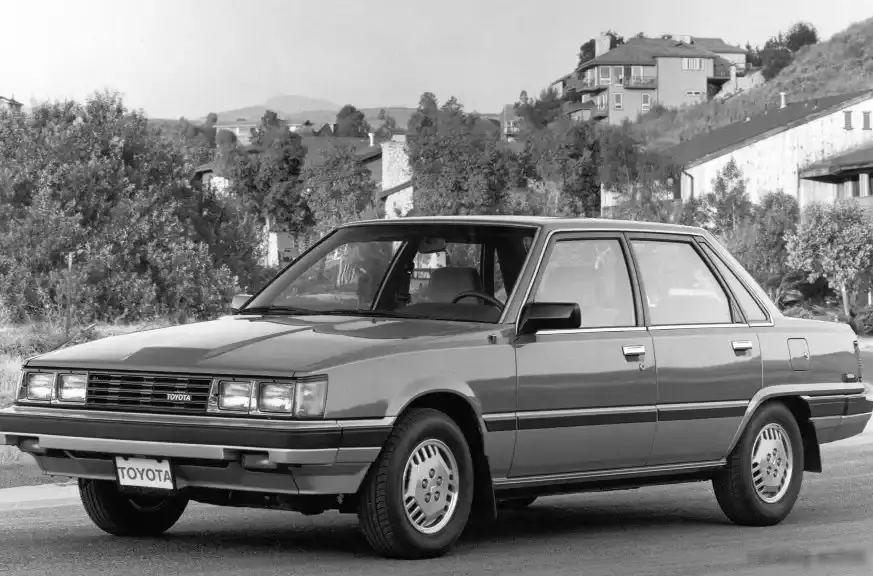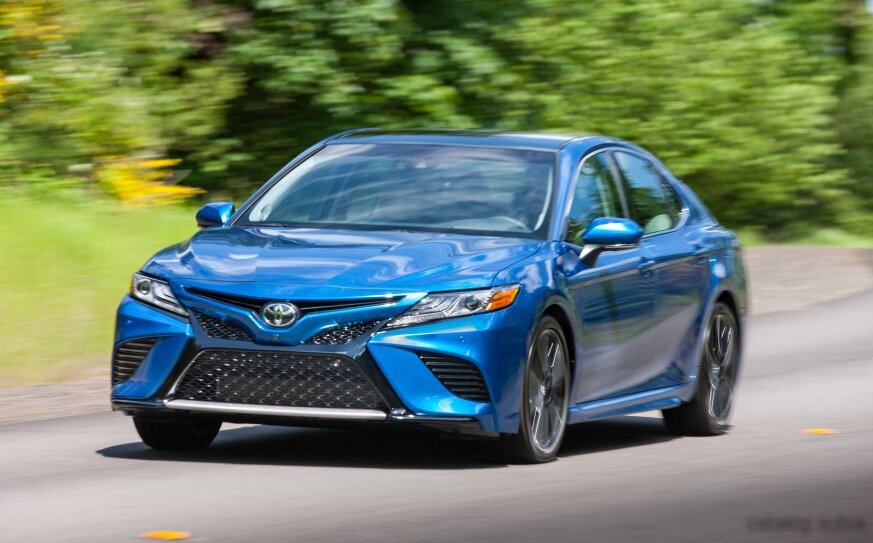
The Toyota Camry VIII (XV70), produced from 2017 to 2020, represented a significant evolution for Toyota’s best-selling mid-size sedan. Within the XV70 generation, the 3.5 V6 Automatic variant occupied the premium position in the lineup, offering a substantial increase in performance compared to the base 2.5-liter four-cylinder models. This configuration was aimed at buyers seeking a more refined and powerful driving experience without stepping into the luxury segment. The XV70 Camry was a crucial model for Toyota in the North American market, where sedans remained highly popular, and the V6 model catered to those prioritizing performance and a more upscale feel.
Technical Specifications
| Brand | Toyota |
| Model | Camry |
| Generation | Camry VIII (XV70) |
| Type (Engine) | 3.5 V6 (301 Hp) Automatic |
| Start of production | 2017 year |
| End of production | 2020 year |
| Powertrain Architecture | Internal Combustion engine |
| Body type | Sedan |
| Seats | 5 |
| Doors | 4 |
| Fuel consumption (economy) – urban | 10.6 l/100 km (22.2 US mpg) |
| Fuel consumption (economy) – extra urban | 7.1 l/100 km (33.1 US mpg) |
| Fuel consumption (economy) – combined | 9 l/100 km (26.1 US mpg) |
| Fuel Type | Petrol (Gasoline) |
| Weight-to-power ratio | 5.3 kg/Hp, 187 Hp/tonne |
| Weight-to-torque ratio | 4.4 kg/Nm, 224.8 Nm/tonne |
| Power | 301 Hp @ 6600 rpm |
| Power per litre | 87.1 Hp/l |
| Torque | 362 Nm @ 4700 rpm (267 lb.-ft. @ 4700 rpm) |
| Engine layout | Front, Transverse |
| Engine Model/Code | 2GR-FKS |
| Engine displacement | 3456 cm3 (210.9 cu. in.) |
| Number of cylinders | 6 |
| Engine configuration | V-engine |
| Cylinder Bore | 94 mm (3.7 in.) |
| Piston Stroke | 83 mm (3.27 in.) |
| Compression ratio | 11.8:1 |
| Number of valves per cylinder | 4 |
| Fuel injection system | Multi-port manifold injection |
| Engine aspiration | Naturally aspirated engine |
| Valvetrain | DOHC, Dual VVT-i |
| Engine oil capacity | 5.4 l (5.71 US qt | 4.75 UK qt) |
| Coolant | 8.6 l (9.09 US qt | 7.57 UK qt) |
| Kerb Weight | 1610 kg (3549.44 lbs.) |
| Trunk (boot) space – maximum | 399 l (14.09 cu. ft.) |
| Fuel tank capacity | 55 l (14.53 US gal | 12.1 UK gal) |
| Length | 4879 mm (192.09 in.) |
| Width | 1839 mm (72.4 in.) |
| Height | 1445 mm (56.89 in.) |
| Wheelbase | 2824 mm (111.18 in.) |
| Front track | 1580-1600 mm (62.2 – 62.99 in.) |
| Rear (Back) track | 1590-1605 mm (62.6 – 63.19 in.) |
| Ride height (ground clearance) | 127 mm (5 in.) |
| Minimum turning circle (turning diameter) | 11.5 m (37.73 ft.) |
| Drivetrain Architecture | The Internal combustion engine (ICE) drives the front wheels of the vehicle. |
| Drive wheel | Front wheel drive |
| Number of gears and type of gearbox | 8 gears, automatic transmission Direct Shift |
| Front suspension | Independent, type McPherson with coil spring and anti-roll bar |
| Rear suspension | Double wishbone |
| Front brakes | Ventilated discs |
| Rear brakes | Disc |
| Assisting systems | ABS (Anti-lock braking system) |
| Steering type | Steering rack and pinion |
| Power steering | Electric Steering |
| Tires size | 205/65 R16; 215/55 R17; 235/45 R18; 235/40 R19 |
| Wheel rims size | 16; 17; 18; 20 |
INTRODUCTION
The 2017-2020 Toyota Camry XV70, powered by the 3.5-liter 2GR-FKS V6 engine and an eight-speed automatic transmission, represented the top-tier performance option for the eighth-generation Camry. Positioned above the more fuel-efficient 2.5-liter four-cylinder variants, the V6 model aimed to attract buyers who valued a more spirited driving experience and a more luxurious feel. The XV70 Camry, built on the TNGA (Toyota New Global Architecture) platform, offered improved rigidity and handling characteristics compared to its predecessor. This V6 Automatic trim was typically offered in the XLE and XSE trim levels, providing a comprehensive package of features and performance.
Powertrain & Engine Architecture
The heart of this Camry variant is the 2GR-FKS 3.5-liter dual VVT-i V6 engine. This engine is a naturally aspirated, 24-valve DOHC powerplant utilizing multi-port fuel injection. The 2GR-FKS is known for its smooth power delivery and relatively high output for a naturally aspirated engine of its size. The eight-speed automatic transmission (Direct Shift) was a key upgrade for the XV70 generation, replacing the previous six-speed unit. This transmission offered quicker shifts and improved fuel efficiency compared to the older design. The transmission’s gear ratios were tuned to balance acceleration with highway cruising comfort. The engine produces 301 horsepower at 6600 rpm and 267 lb-ft of torque at 4700 rpm, providing ample power for both city driving and highway passing maneuvers.
Driving Characteristics
The 3.5 V6 Camry delivers a noticeably more engaging driving experience than the four-cylinder models. Acceleration is brisk, with the car feeling confident in most driving situations. The eight-speed automatic transmission contributes to this by providing smooth and timely gear changes. While not a sports car, the V6 Camry offers a level of performance that is uncommon in the mid-size sedan segment. The steering is precise, and the suspension provides a comfortable ride without feeling overly soft. Compared to the manual transmission options (available on the four-cylinder models), the automatic prioritizes convenience and ease of use, making it ideal for daily commuting and long road trips. The gear ratios are optimized for a balance between quick acceleration and efficient highway cruising.
Equipment & Trim Levels
The 3.5 V6 Automatic was primarily available in the XLE and XSE trim levels. The XLE focused on luxury, featuring leather upholstery, wood grain interior trim, and a premium audio system. The XSE, on the other hand, offered a sportier appearance with unique exterior styling cues, sport-tuned suspension, and paddle shifters. Standard features across both trims included Toyota Safety Sense P, which encompassed pre-collision system with pedestrian detection, lane departure alert with steering assist, automatic high beams, and dynamic radar cruise control. Optional extras included a panoramic glass roof, a premium JBL audio system, and a rear-seat entertainment system.
Chassis & Braking
The XV70 Camry utilizes a MacPherson strut front suspension and a double-wishbone rear suspension. This setup provides a good balance of ride comfort and handling precision. The V6 models typically featured slightly stiffer suspension tuning compared to the four-cylinder versions to better manage the increased power and weight. Braking duties are handled by ventilated discs at all four corners, providing ample stopping power. Anti-lock brakes (ABS) and electronic brake-force distribution (EBD) are standard features. The Camry’s chassis is designed to minimize noise, vibration, and harshness, contributing to a refined driving experience.
Market Reception & Comparison
Critics generally praised the 3.5 V6 Camry for its smooth and powerful engine, comfortable ride, and comprehensive feature set. It was often seen as a strong competitor to other V6-powered mid-size sedans, such as the Honda Accord and Nissan Maxima. While the V6 Camry offered superior performance compared to the four-cylinder models, it came at a cost in terms of fuel economy. The combined fuel economy of 26.1 US mpg was lower than the four-cylinder variants, which achieved around 32 US mpg. However, many buyers were willing to accept this trade-off for the added performance and refinement.
Legacy
The 2GR-FKS engine has proven to be a reliable and durable powerplant. While some early models experienced issues with oil consumption, these were largely addressed through updated engine components and software revisions. The eight-speed automatic transmission has also proven to be a robust unit. On the used car market, the 2017-2020 Camry 3.5 V6 Automatic holds its value well due to its reputation for reliability and its desirable combination of performance and features. These Camrys continue to be a popular choice for buyers seeking a comfortable, reliable, and relatively powerful mid-size sedan.