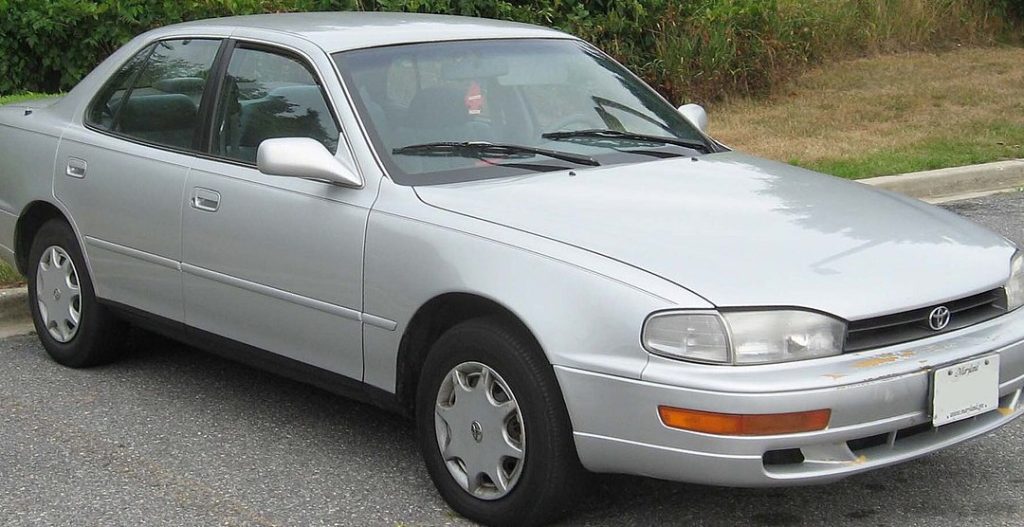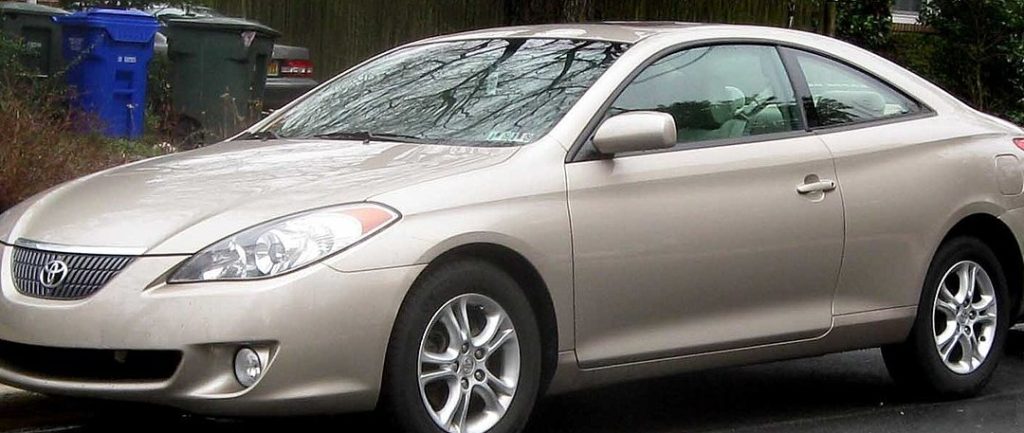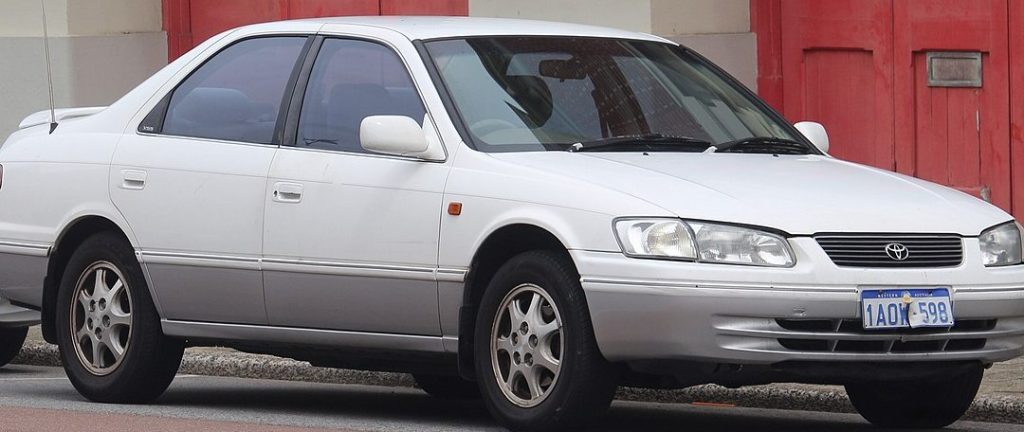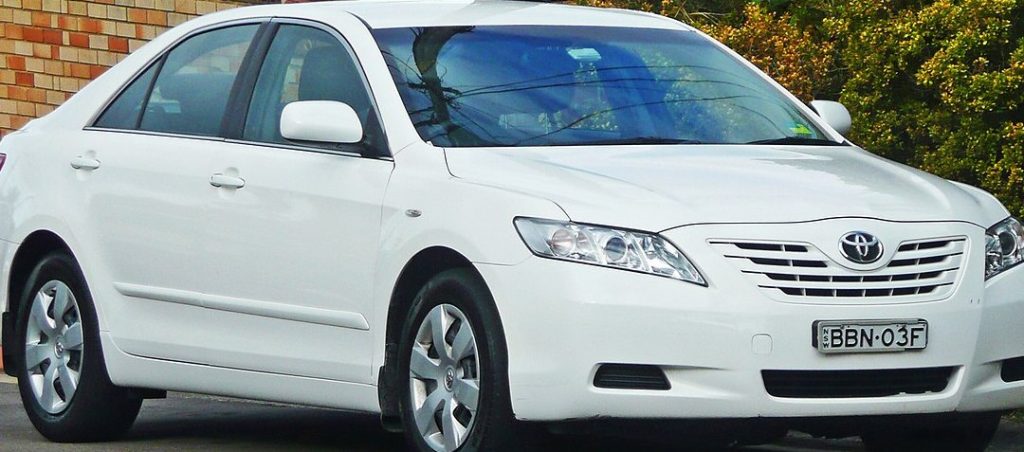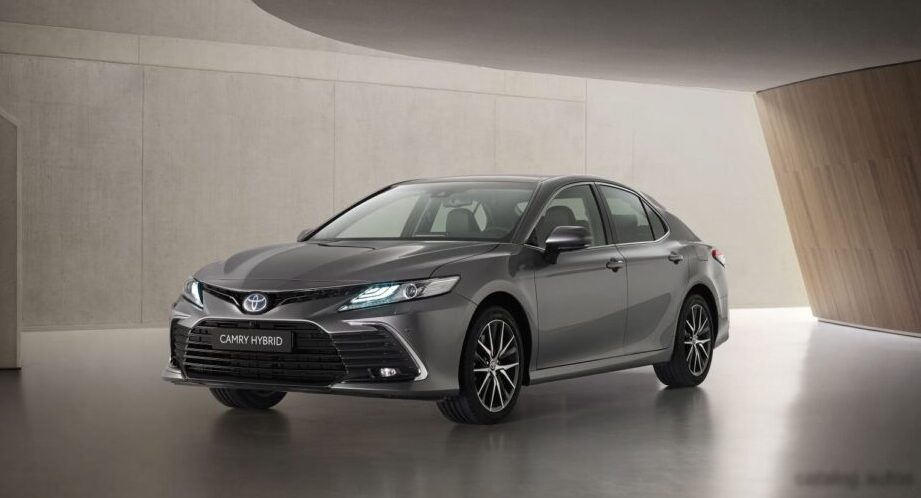
The Toyota Camry XSE 2.5 (206 Hp) ECT-i, part of the eighth-generation (XV70) Camry lineup, represented a significant refresh of the model introduced in 2018, with the facelift debuting in 2020 and continuing through the 2024 model year. Positioned as a near-top-tier trim, the XSE 2.5 aimed to blend sporty styling with comfortable, everyday usability, appealing to buyers seeking a more dynamic Camry experience without sacrificing the model’s renowned reliability. This variant occupied a space between the more mainstream LE and SE trims and the more luxurious, hybrid-focused models.
Technical Specifications
| Brand | Toyota |
| Model | Camry |
| Generation | Camry VIII (XV70, facelift 2020) |
| Type (Engine) | XSE 2.5 (206 Hp) ECT-i |
| Start of production | 2020 |
| End of production | 2024 |
| Powertrain Architecture | Internal Combustion engine |
| Body type | Sedan |
| Seats | 5 |
| Doors | 4 |
| Fuel consumption (urban) | 8.7 l/100 km (27 US mpg) |
| Fuel consumption (extra urban) | 6.2 l/100 km (37.9 US mpg) |
| Fuel consumption (combined) | 7.6 l/100 km (30.9 US mpg) |
| Fuel Type | Petrol (Gasoline) |
| Emission standard | SULEV |
| Weight-to-power ratio | 7.5 kg/Hp |
| Weight-to-torque ratio | 6.2 kg/Nm |
| Power | 206 Hp @ 6600 rpm |
| Torque | 252 Nm @ 5000 rpm (185.87 lb.-ft. @ 5000 rpm) |
| Engine layout | Front, Transverse |
| Engine Model/Code | A25A-FKS |
| Engine displacement | 2487 cm3 (151.77 cu. in.) |
| Number of cylinders | 4 |
| Engine configuration | Inline |
| Cylinder Bore | 87.5 mm (3.44 in.) |
| Piston Stroke | 103.4 mm (4.07 in.) |
| Compression ratio | 13:1 |
| Number of valves per cylinder | 4 |
| Fuel injection system | Direct injection and Multi-port manifold injection |
| Engine aspiration | Naturally aspirated engine |
| Valvetrain | DOHC, VVT-i, VVT-iE |
| Engine oil capacity | 4.5 l (4.76 US qt | 3.96 UK qt) |
| Coolant capacity | 6.9 l (7.29 US qt | 6.07 UK qt) |
| Kerb Weight | 1554 kg (3425.98 lbs.) |
| Trunk (boot) space | 428 l (15.11 cu. ft.) |
| Fuel tank capacity | 60 l (15.85 US gal | 13.2 UK gal) |
| Length | 4895 mm (192.72 in.) |
| Width | 1840 mm (72.44 in.) |
| Height | 1445 mm (56.89 in.) |
| Wheelbase | 2825 mm (111.22 in.) |
| Front track | 1580 mm (62.2 in.) |
| Rear track | 1590 mm (62.6 in.) |
| Ride height | 145 mm (5.71 in.) |
| Turning circle | 11.6 m (38.06 ft.) |
| Drivetrain | Front wheel drive |
| Gearbox | 8-speed automatic (ECT-i) |
| Front suspension | Independent, McPherson with coil spring and anti-roll bar |
| Rear suspension | Independent multi-link with stabilizer |
| Front brakes | Ventilated discs, 305 mm |
| Rear brakes | Discs, 281 mm |
| Tire size | 235/40 R19 |
| Wheel size | 8J x 19 |
Powertrain & Engine Architecture
The heart of the Camry XSE 2.5 was the A25A-FKS 2.5-liter inline-four engine. This engine utilized Toyota’s Dynamic Fuel Injection system, combining direct injection with traditional port injection to optimize combustion efficiency and power delivery. The engine featured a dual VVT-iE (Variable Valve Timing with intelligence – Electric motor) system, controlling both intake and exhaust valve timing for improved performance and fuel economy across a wider range of engine speeds. The 8-speed ECT-i (Electronically Controlled Transmission – intelligent) automatic transmission was specifically chosen for its smooth shifting and responsiveness. This transmission offered a wider gear ratio spread compared to older 6-speed units, contributing to both improved acceleration and reduced highway cruising RPMs.
Driving Characteristics
The 206 horsepower and 252 lb-ft of torque provided by the A25A-FKS engine and 8-speed automatic delivered a comfortable and capable driving experience. While not overtly sporty, the XSE 2.5 offered adequate acceleration for everyday driving situations, with a 0-60 mph time estimated around 7.6 seconds. The 8-speed transmission was well-tuned, providing smooth and relatively quick shifts. Compared to the base 2.0-liter engine, the 2.5-liter offered a noticeable increase in power, particularly during highway merging and overtaking maneuvers. However, it didn’t possess the more aggressive character of the available hybrid powertrains or the performance focus of potential aftermarket modifications. The automatic transmission, while convenient, didn’t offer the same level of driver engagement as a manual transmission, which wasn’t available with this engine option.
Equipment & Trim Levels
The XSE trim level added several features over the lower trims. Standard equipment included 19-inch alloy wheels, a sport-tuned suspension, LED headlights, a 9-inch touchscreen infotainment system with Apple CarPlay and Android Auto compatibility, a 7-inch multi-information display, and a suite of Toyota Safety Sense 2.5+ driver-assistance features. Interior appointments featured sport seats upholstered in fabric with leather accents, a leather-wrapped steering wheel, and aluminum interior trim. Optional extras included a panoramic glass roof, a premium audio system (JBL), and blind-spot monitoring with rear cross-traffic alert.
Chassis & Braking
The Camry XSE 2.5 utilized a front-wheel-drive platform with an independent McPherson strut suspension in the front and an independent multi-link suspension in the rear. The suspension was tuned to provide a balance between ride comfort and handling. The XSE trim featured a slightly stiffer suspension setup compared to the LE trim, offering improved body control during cornering. Braking duties were handled by ventilated discs in the front and solid discs in the rear. Anti-lock brakes (ABS), electronic brake-force distribution (EBD), and brake assist were standard features. The braking system was adequate for the vehicle’s weight and performance, providing confident stopping power in most driving conditions.
Market Reception & Comparison
The Camry XSE 2.5 was generally well-received by automotive critics. It was praised for its comfortable ride, spacious interior, and comprehensive suite of standard features. The 2.5-liter engine was considered a good balance of power and fuel efficiency. Compared to the base 2.0-liter engine, the 2.5-liter offered a more refined and responsive driving experience. However, some reviewers noted that the XSE trim didn’t feel significantly sportier than the lower trims, despite its sporty styling cues. Fuel economy was competitive within its class, averaging around 30 mpg combined. Reliability was a strong point, as expected from a Toyota, with few reported issues.
Legacy
The A25A-FKS engine, paired with the 8-speed automatic transmission, has proven to be a reliable and durable powertrain. The Camry XV70 generation, including the XSE 2.5 variant, has maintained strong resale values in the used car market. Common maintenance items include routine oil changes, coolant flushes, and spark plug replacements. The engine is generally considered low-maintenance, with a good track record for longevity. The combination of practicality, reliability, and a comfortable driving experience continues to make the Camry XSE 2.5 a popular choice among used car buyers.