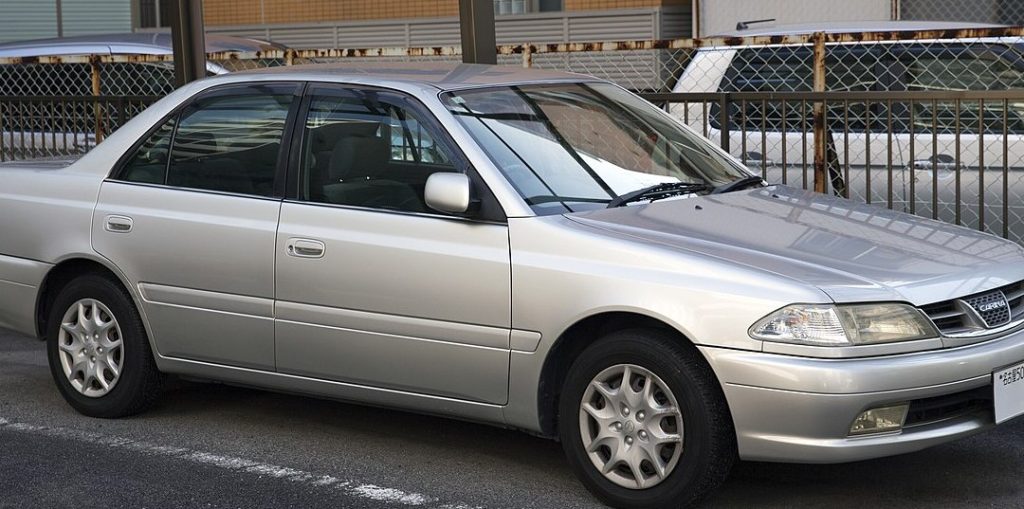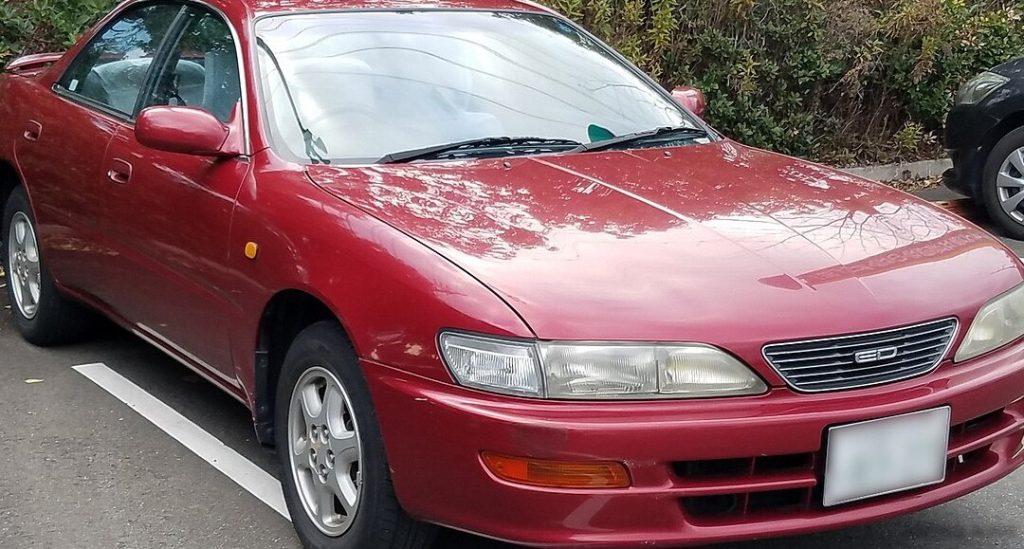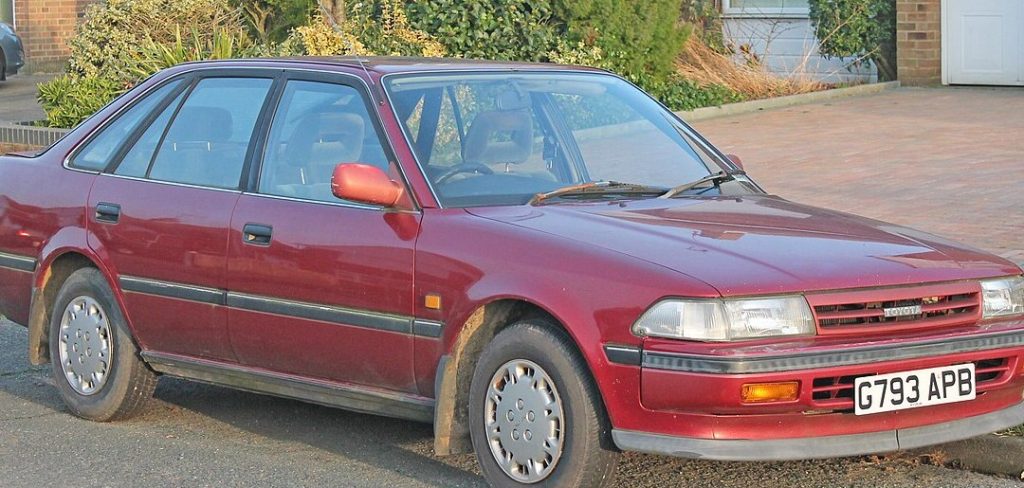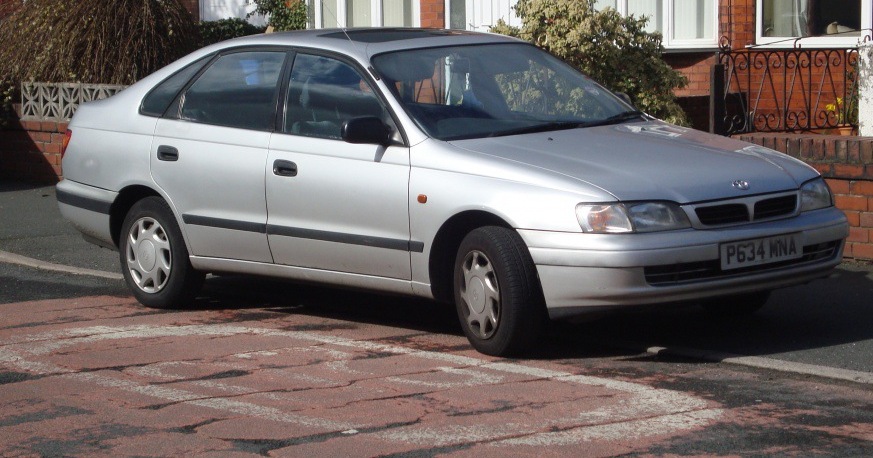
The Toyota Carina E Hatch (T19) 2.0 i 16V, produced between 1996 and 1997, represented a refinement of Toyota’s mid-size offering in the European market. Positioned as a more sporting variant within the Carina E range, it aimed to appeal to drivers seeking a balance of practicality, performance, and Toyota’s renowned reliability. This model sat within the T19 series, which was the third generation of the Carina, and utilized the front-wheel-drive configuration common to many contemporary Japanese automobiles. The 2.0 i 16V trim was a step up from the base models, offering increased horsepower and a more engaging driving experience, though it wasn’t the top-of-the-line offering – that distinction belonged to the more expensive and less common 2.2-liter variants.
Technical Specifications
| Brand | Toyota |
| Model | Carina |
| Generation | Carina E Hatch (T19) |
| Type (Engine) | 2.0 i 16V (126 Hp) |
| Start of production | 1996 |
| End of production | 1997 |
| Powertrain Architecture | Internal Combustion engine |
| Body type | Hatchback |
| Seats | 5 |
| Doors | 5 |
| Fuel consumption (combined) | 7.8 l/100 km |
| Fuel consumption (US mpg) | 30.2 |
| Fuel consumption (UK mpg) | 36.2 |
| Fuel consumption (km/l) | 12.8 |
| Fuel Type | Petrol (Gasoline) |
| Acceleration 0 – 100 km/h | 9.4 sec |
| Acceleration 0 – 62 mph | 9.4 sec |
| Acceleration 0 – 60 mph | 8.9 sec |
| Maximum speed | 200 km/h (124.27 mph) |
| Weight-to-power ratio | 10.1 kg/Hp |
| Weight-to-torque ratio | 7.2 kg/Nm |
| Power | 126 Hp @ 5600 rpm |
| Power per litre | 63.1 Hp/l |
| Torque | 178 Nm @ 4400 rpm (131.29 lb.-ft. @ 4400 rpm) |
| Engine layout | Front, Transverse |
| Engine Model/Code | 3S-FE |
| Engine displacement | 1998 cm3 (121.93 cu. in.) |
| Number of cylinders | 4 |
| Engine configuration | Inline |
| Cylinder Bore | 86 mm (3.39 in.) |
| Piston Stroke | 86 mm (3.39 in.) |
| Compression ratio | 9.8:1 |
| Number of valves per cylinder | 4 |
| Fuel injection system | Multi-port manifold injection |
| Engine aspiration | Naturally aspirated |
| Valvetrain | DOHC |
| Engine oil capacity | 3.9 l (4.12 US qt | 3.43 UK qt) |
| Coolant capacity | 6.5 l (6.87 US qt | 5.72 UK qt) |
| Kerb Weight | 1278 kg (2817.51 lbs.) |
| Max. weight | 1720 kg (3791.95 lbs.) |
| Max load | 442 kg (974.44 lbs.) |
| Trunk (boot) space – minimum | 470 l (16.6 cu. ft.) |
| Trunk (boot) space – maximum | 810 l (28.6 cu. ft.) |
| Fuel tank capacity | 60 l (15.85 US gal | 13.2 UK gal) |
| Length | 4530 mm (178.35 in.) |
| Width | 1695 mm (66.73 in.) |
| Height | 1410 mm (55.51 in.) |
| Wheelbase | 2580 mm (101.57 in.) |
| Front track | 1465 mm (57.68 in.) |
| Rear track | 1445 mm (56.89 in.) |
| Drivetrain Architecture | Front wheel drive |
| Number of gears | 5 |
| Gearbox type | Manual transmission |
| Front suspension | Spring Strut |
| Rear suspension | Coil spring |
| Front brakes | Ventilated discs |
| Rear brakes | Drum |
| Assisting systems | ABS (Anti-lock braking system) |
| Steering type | Steering rack and pinion |
| Power steering | Hydraulic |
| Tires size | 185/65 R14 H |
Powertrain & Engine Architecture
The heart of the Carina E 2.0 i 16V was the 3S-FE engine, a 1.998-liter, inline-four cylinder powerplant. This engine was a mainstay of Toyota’s lineup during the 1990s, known for its durability and relatively smooth operation. The “16V” designation indicated a dual overhead camshaft (DOHC) valvetrain, featuring four valves per cylinder, which contributed to improved breathing and higher-end power. Fuel delivery was handled by a multi-port fuel injection system, optimizing the air-fuel mixture for efficient combustion. The 3S-FE engine produced 126 horsepower at 5600 rpm and 178 Nm (131.29 lb-ft) of torque at 4400 rpm. The engine’s relatively high compression ratio of 9.8:1 helped to extract maximum energy from the fuel. The five-speed manual transmission was the standard offering, providing a direct connection between the engine and the front wheels. The transmission’s gear ratios were tuned for a balance of acceleration and fuel economy, though it wasn’t particularly sporty compared to some European rivals.
Driving Characteristics
The 2.0 i 16V Carina E offered a competent, if not thrilling, driving experience. Acceleration to 60 mph took approximately 8.9 seconds, and it could reach a top speed of 200 km/h (124 mph). The engine felt responsive enough for everyday driving, with adequate torque for overtaking maneuvers. However, it lacked the outright punch of the larger 2.2-liter engines available in the Carina E range. The manual transmission provided precise shifts, and the front-wheel-drive chassis offered predictable handling. Compared to the base 1.6-liter models, the 2.0 i 16V felt noticeably more powerful and refined. The suspension, while comfortable, wasn’t particularly sporty, resulting in some body roll during cornering. Overall, the driving experience was geared towards practicality and ease of use rather than outright performance.
Equipment & Trim Levels
The 2.0 i 16V trim level typically included features such as power steering, central locking, electric windows, and an AM/FM radio. Air conditioning was often standard, though it could be an optional extra depending on the specific market. Interior upholstery was typically cloth, with a relatively simple and functional dashboard layout. Optional extras included alloy wheels, a sunroof, and upgraded audio systems. The Carina E aimed for a comfortable and well-equipped interior, though it didn’t offer the same level of luxury as some of its more premium competitors.
Chassis & Braking
The Carina E Hatch utilized a front strut and rear coil spring suspension setup. The front suspension featured MacPherson struts, while the rear employed a trailing arm configuration. This setup provided a comfortable ride, but wasn’t particularly sophisticated. Braking duties were handled by ventilated discs at the front and drum brakes at the rear. Anti-lock braking system (ABS) was standard, enhancing safety by preventing wheel lockup during hard braking. The steering was a rack-and-pinion system with hydraulic power assistance, providing light and precise steering feel.
Market Reception & Comparison
The Toyota Carina E 2.0 i 16V was generally well-received by automotive critics as a solid and reliable family hatchback. It was praised for its build quality, comfortable ride, and fuel efficiency. However, it was often criticized for its somewhat bland styling and lack of driving excitement compared to some European rivals. Compared to the 1.6-liter models, the 2.0 i 16V offered a significant performance upgrade, but at a higher price point. The 2.2-liter variants provided even more power, but were considerably more expensive and less common. Fuel economy was respectable for its class, averaging around 30.2 US mpg in combined driving.
Legacy
The Toyota Carina E 2.0 i 16V has proven to be a durable and reliable vehicle, with many examples still on the road today. The 3S-FE engine is known for its longevity, and with proper maintenance, can easily exceed 200,000 miles. Parts availability is generally good, though some trim-specific components may be difficult to find. In the used car market, the Carina E 2.0 i 16V represents a good value for those seeking a practical and dependable family hatchback. While it may not be a collector’s item, its reputation for reliability and affordability ensures its continued presence on roads for years to come.