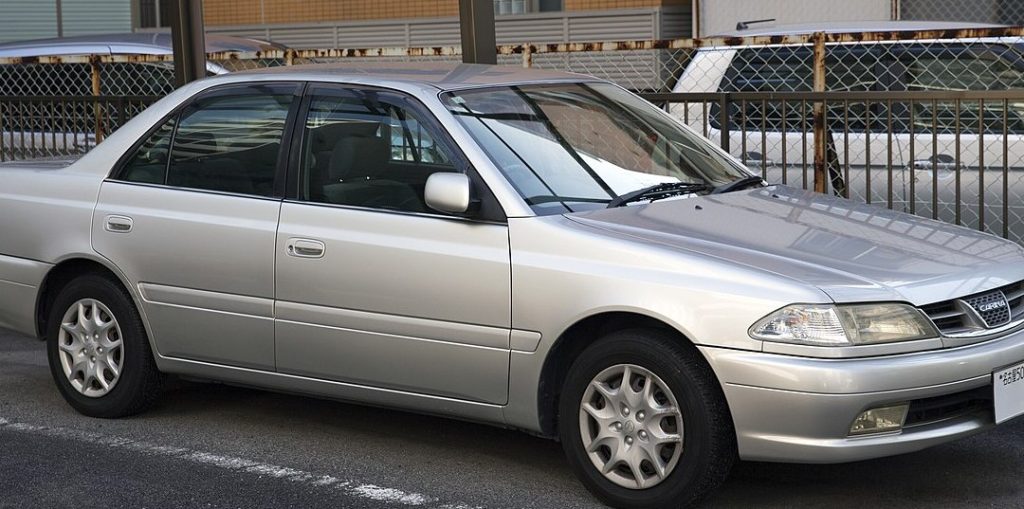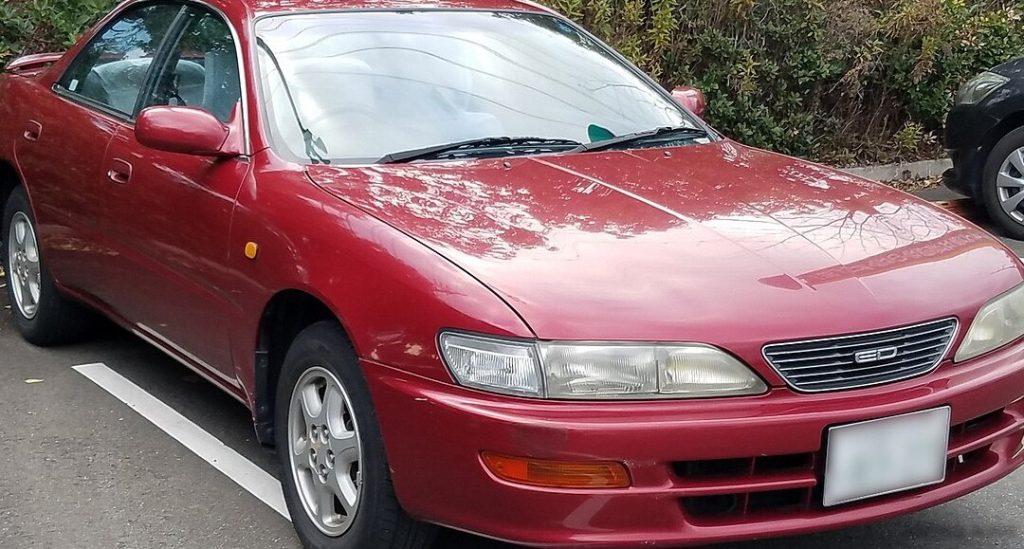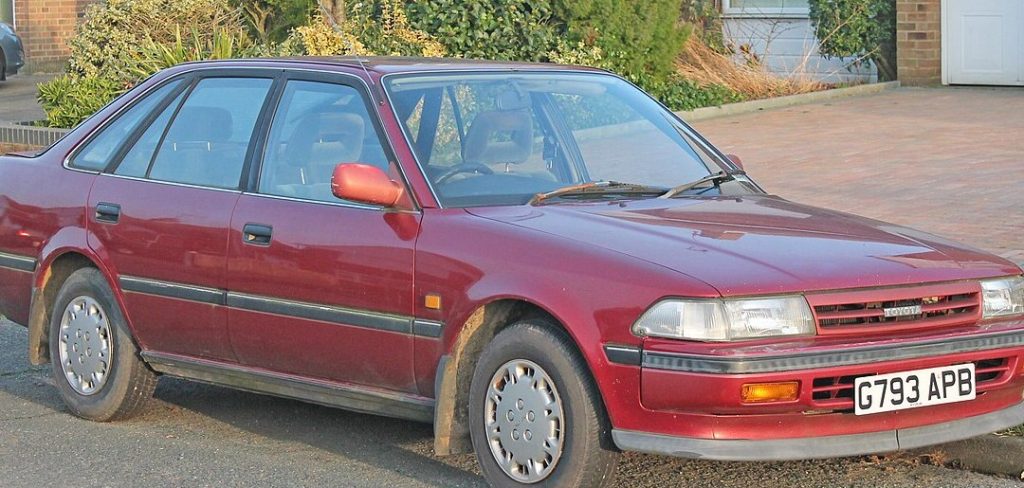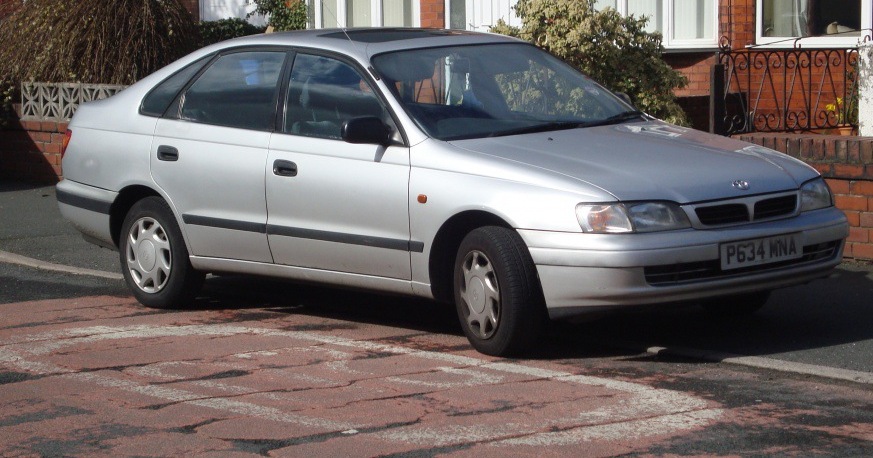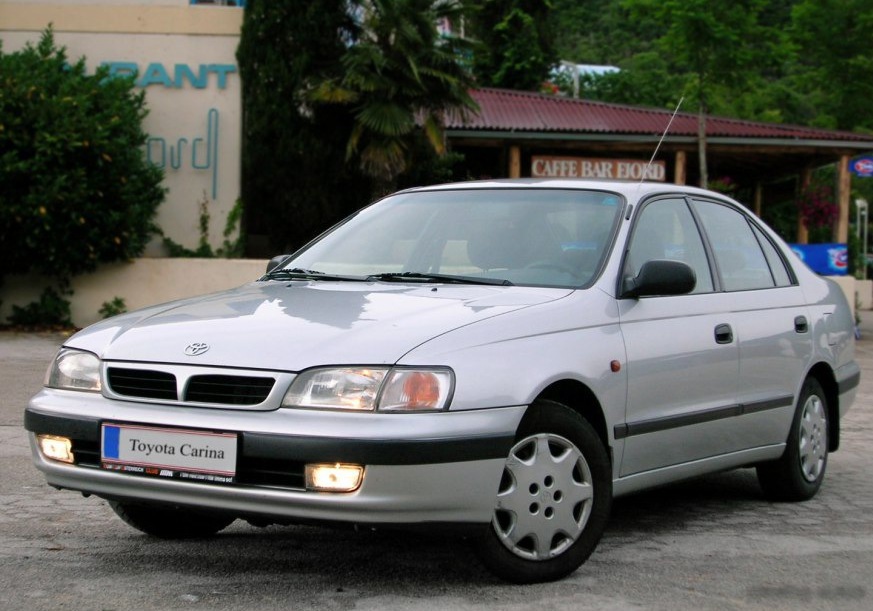
The Toyota Carina E (T19) 1.6 i 16V XLi, produced between 1992 and 1997, represented a key offering in Toyota’s mid-size sedan lineup, primarily aimed at the European market. Positioned as a comfortable and reliable family car, the Carina E sought to blend practicality with a degree of sporting aspiration. The 1.6L 16V XLi trim, generating 107 horsepower, served as a mid-range option, offering a balance between affordability and performance within the broader Carina E range. It was built on the T19 platform, sharing components with other Toyota models of the era, and was a direct competitor to vehicles like the Ford Mondeo and Vauxhall/Opel Vectra.
Technical Specifications
| Brand | Toyota |
| Model | Carina |
| Generation | Carina E (T19) |
| Type | 1.6 i 16V XLi (107 Hp) |
| Start of production | 1992 |
| End of production | 1997 |
| Powertrain Architecture | Internal Combustion engine |
| Body type | Sedan |
| Seats | 5 |
| Doors | 4 |
| Fuel consumption (combined) | 6.5 l/100 km (36.2 US mpg, 43.5 UK mpg, 15.4 km/l) |
| Fuel Type | Petrol (Gasoline) |
| Acceleration 0 – 100 km/h | 11.4 sec |
| Acceleration 0 – 62 mph | 11.4 sec |
| Acceleration 0 – 60 mph | 10.8 sec |
| Maximum speed | 190 km/h (118.06 mph) |
| Weight-to-power ratio | 10.4 kg/Hp, 96.4 Hp/tonne |
| Weight-to-torque ratio | 8.1 kg/Nm, 123.4 Nm/tonne |
| Power | 107 Hp @ 6000 rpm |
| Power per litre | 67.4 Hp/l |
| Torque | 137 Nm @ 4600 rpm (101.05 lb.-ft. @ 4600 rpm) |
| Engine layout | Front, Transverse |
| Engine Model/Code | 4A-FE |
| Engine displacement | 1587 cm3 (96.84 cu. in.) |
| Number of cylinders | 4 |
| Engine configuration | Inline |
| Cylinder Bore | 81 mm (3.19 in.) |
| Piston Stroke | 77 mm (3.03 in.) |
| Compression ratio | 9.5:1 |
| Number of valves per cylinder | 4 |
| Fuel injection system | Multi-port manifold injection |
| Engine aspiration | Naturally aspirated engine |
| Valvetrain | DOHC |
| Engine oil capacity | 3.3 l (3.49 US qt | 2.9 UK qt) |
| Coolant | 5.4 l (5.71 US qt | 4.75 UK qt) |
| Kerb Weight | 1110 kg (2447.13 lbs.) |
| Max. weight | 1600 kg (3527.4 lbs.) |
| Max load | 490 kg (1080.27 lbs.) |
| Trunk (boot) space – minimum | 545 l (19.25 cu. ft.) |
| Fuel tank capacity | 60 l (15.85 US gal | 13.2 UK gal) |
| Length | 4530 mm (178.35 in.) |
| Width | 1695 mm (66.73 in.) |
| Height | 1410 mm (55.51 in.) |
| Wheelbase | 2580 mm (101.57 in.) |
| Front track | 1465 mm (57.68 in.) |
| Rear (Back) track | 1445 mm (56.89 in.) |
| Drivetrain Architecture | Front wheel drive |
| Number of gears and type of gearbox | 5 gears, manual transmission |
| Front suspension | Spring Strut |
| Rear suspension | Coil spring |
| Front brakes | Ventilated discs |
| Rear brakes | Drum |
| Assisting systems | ABS (Anti-lock braking system) |
| Steering type | Steering rack and pinion |
| Power steering | Hydraulic Steering |
| Tires size | 175/70 R14 H |
Powertrain & Engine Architecture
The heart of the Carina E 1.6 i 16V XLi is the 4A-FE engine, a 1.6-liter inline-four cylinder gasoline engine. This engine is a naturally aspirated unit featuring multi-port fuel injection and a double overhead camshaft (DOHC) valvetrain. The 16 valves (four per cylinder) contribute to improved breathing and higher-end power delivery. The 4A-FE is known for its relative simplicity and durability, making it a reliable powerplant. The engine’s 9.5:1 compression ratio was a standard figure for the time, balancing performance and fuel efficiency. The engine was transversely mounted, driving the front wheels. The five-speed manual transmission was the standard offering, providing a reasonably direct connection between the engine and the wheels. The gear ratios were tuned for a blend of acceleration and highway cruising, though not particularly sporty.
Driving Characteristics
The 1.6L engine in the Carina E XLi delivered adequate, but not exhilarating, performance. Acceleration from 0-60 mph took around 10.8 seconds, and the top speed was approximately 118 mph. The engine felt most comfortable in the mid-range, providing sufficient power for everyday driving and overtaking maneuvers. Compared to the more powerful 2.0L versions of the Carina E, the 1.6L felt noticeably less responsive, particularly at higher speeds. However, the lighter engine weight contributed to slightly better handling and fuel economy. The five-speed manual transmission offered a decent shift feel, though it wasn’t particularly sporty or precise. The overall driving experience was geared towards comfort and ease of use rather than outright performance.
Equipment & Trim Levels
The XLi trim level represented a mid-range specification for the Carina E. Standard equipment typically included power steering, central locking, electric front windows, and an AM/FM radio. The interior featured cloth upholstery, and the dashboard layout was functional and straightforward. Optional extras available for the XLi included air conditioning, alloy wheels, and a sunroof. The XLi trim aimed to provide a good balance of features and affordability, appealing to buyers who wanted a well-equipped car without the higher price tag of the more luxurious trims.
Chassis & Braking
The Carina E utilized a conventional front-wheel-drive chassis layout. The front suspension employed MacPherson strut springs, while the rear suspension featured a coil spring setup. This configuration provided a comfortable ride quality, though it wasn’t particularly sporty. The braking system consisted of ventilated discs on the front wheels and drum brakes on the rear. Anti-lock Braking System (ABS) was included as standard, enhancing safety. The steering was rack and pinion, providing reasonably precise control. The Carina E’s suspension and braking systems were designed to provide safe and predictable handling, prioritizing comfort and stability over outright performance.
Market Reception & Comparison
The Toyota Carina E 1.6 i 16V XLi was generally well-received by automotive critics as a practical and reliable family car. It was praised for its comfortable ride, spacious interior, and fuel efficiency. However, it was often criticized for its somewhat bland styling and lack of driving excitement compared to rivals like the Ford Mondeo. The 1.6L engine was considered adequate for most drivers, but some reviewers felt it was underpowered, especially when compared to the larger-displacement engines available in the Carina E range. Fuel economy was a strong point, with the 1.6L engine achieving around 36.2 US mpg in combined driving. Reliability was also a key strength, with the Carina E consistently ranking highly in reliability surveys.
Legacy
The Toyota Carina E, and specifically the 1.6 i 16V XLi variant, has developed a reputation for long-term reliability and durability. The 4A-FE engine is known to be a robust and long-lasting unit, and many examples are still on the road today. In the used car market, the Carina E is often sought after by buyers looking for an affordable and dependable vehicle. While it may not offer the same level of performance or features as more modern cars, its simplicity and reliability make it a popular choice for those seeking a practical and economical mode of transportation. Parts availability remains reasonably good, further contributing to its appeal as a classic and dependable vehicle.