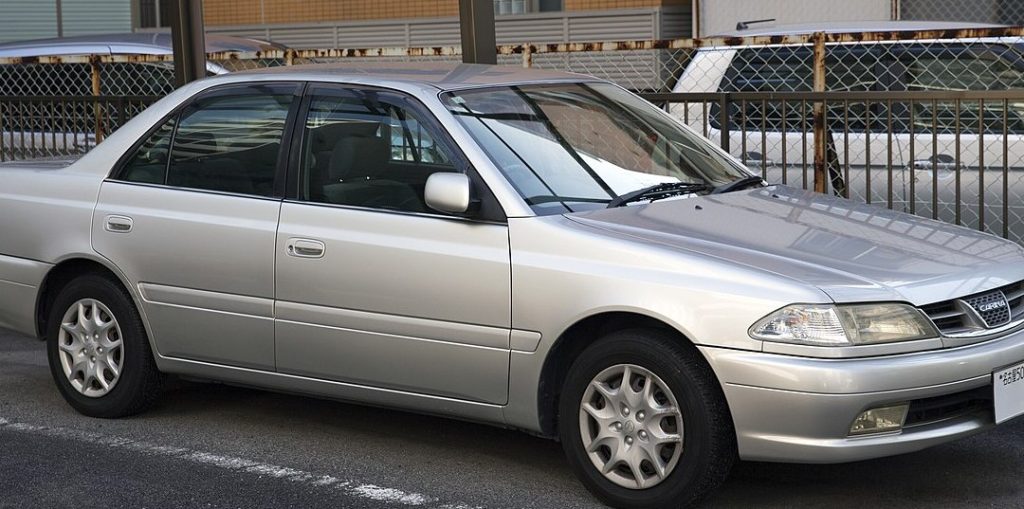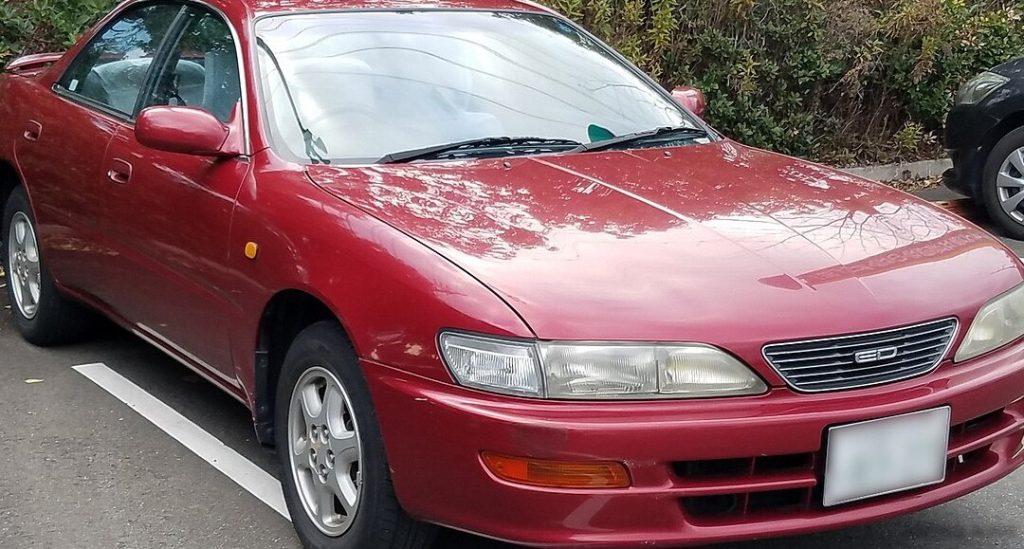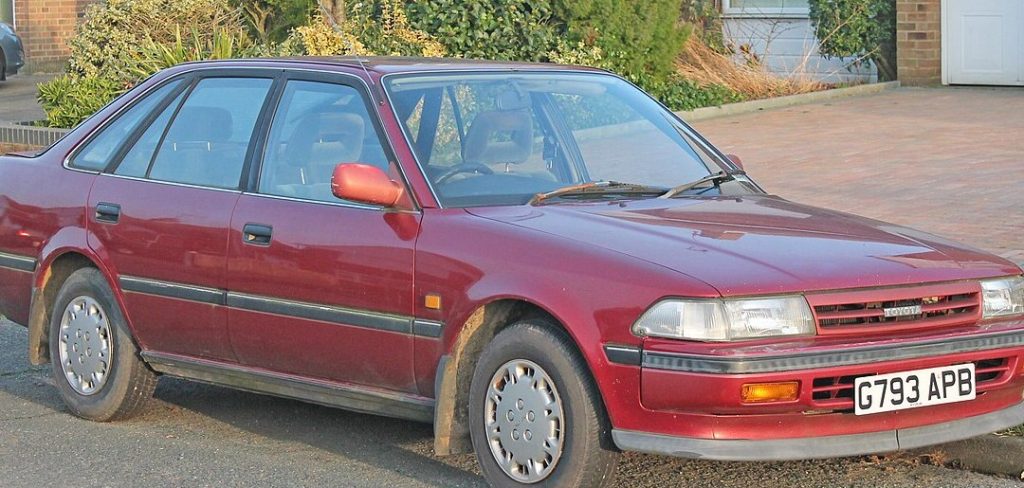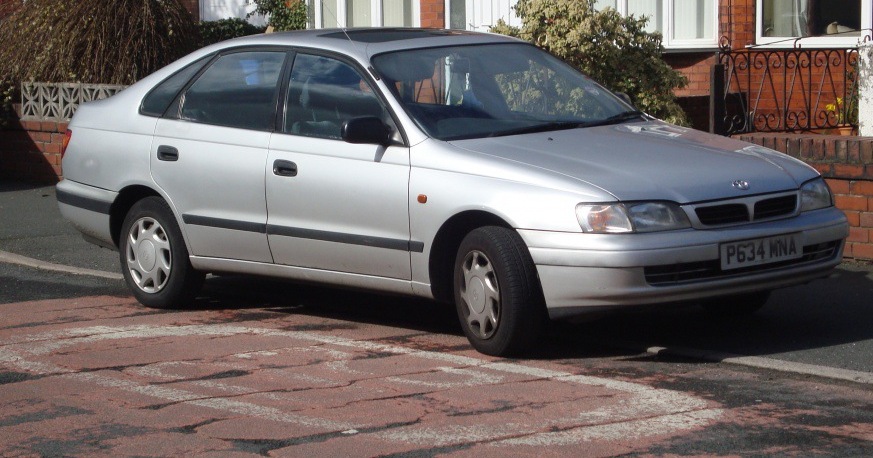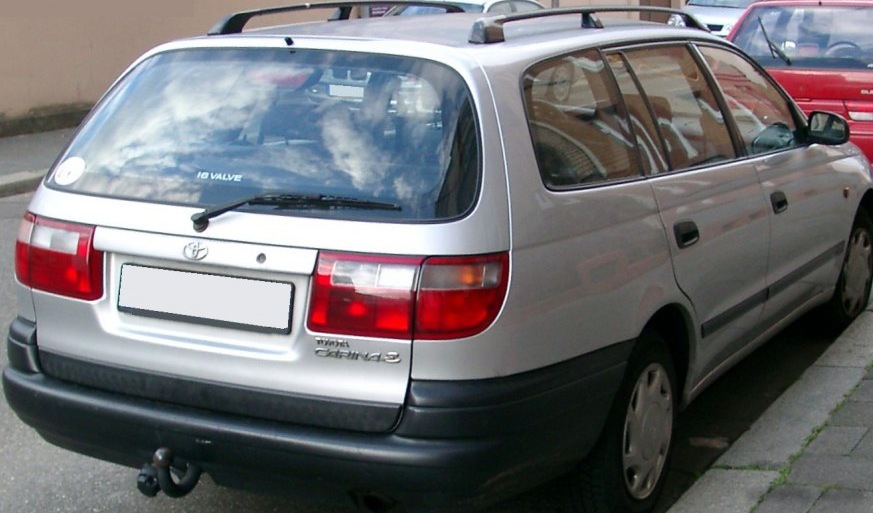
The Toyota Carina E Wagon, specifically the T19 series produced between 1997 and 1998, represented Toyota’s offering in the European mid-size station wagon segment. Positioned as a practical and reliable family vehicle, the Carina E Wagon aimed to compete with established rivals like the Ford Mondeo Estate and Vauxhall/Opel Vectra Estate. The 1.6 i 16V variant, producing 99 horsepower, served as an entry-level engine option within the Carina E Wagon range, prioritizing fuel efficiency and affordability over outright performance. It was a key model for buyers seeking a spacious and dependable vehicle for everyday use.
Technical Specifications
| Brand | Toyota |
| Model | Carina |
| Generation | Carina E Wagon (T19) |
| Type (Engine) | 1.6 i 16V (99 Hp) |
| Start of production | 1997 |
| End of production | 1998 |
| Powertrain Architecture | Internal Combustion engine |
| Body type | Station wagon (estate) |
| Seats | 5 |
| Doors | 5 |
| Fuel consumption (combined) | 7.2 l/100 km |
| Fuel consumption (US mpg) | 32.7 US mpg |
| Fuel consumption (UK mpg) | 39.2 UK mpg |
| Fuel consumption (km/l) | 13.9 km/l |
| Fuel Type | Petrol (Gasoline) |
| Acceleration 0 – 100 km/h | 12.3 sec |
| Acceleration 0 – 62 mph | 12.3 sec |
| Acceleration 0 – 60 mph | 11.7 sec |
| Maximum speed | 180 km/h (111.85 mph) |
| Weight-to-power ratio | 12.6 kg/Hp |
| Weight-to-torque ratio | 9.6 kg/Nm |
| Power | 99 Hp @ 5800 rpm |
| Power per litre | 62.4 Hp/l |
| Torque | 130 Nm @ 4600 rpm (95.88 lb.-ft. @ 4600 rpm) |
| Engine layout | Front, Transverse |
| Engine Model/Code | 4A-FE |
| Engine displacement | 1587 cm3 (96.84 cu. in.) |
| Number of cylinders | 4 |
| Engine configuration | Inline |
| Cylinder Bore | 81 mm (3.19 in.) |
| Piston Stroke | 77 mm (3.03 in.) |
| Compression ratio | 9.5:1 |
| Number of valves per cylinder | 4 |
| Fuel injection system | Multi-port manifold injection |
| Engine aspiration | Naturally aspirated engine |
| Valvetrain | DOHC |
| Engine oil capacity | 3.3 l (3.49 US qt | 2.9 UK qt) |
| Coolant capacity | 5.4 l (5.71 US qt | 4.75 UK qt) |
| Kerb Weight | 1248 kg (2751.37 lbs.) |
| Max. weight | 1720 kg (3791.95 lbs.) |
| Max load | 472 kg (1040.58 lbs.) |
| Trunk (boot) space – minimum | 485 l (17.13 cu. ft.) |
| Trunk (boot) space – maximum | 860 l (30.37 cu. ft.) |
| Fuel tank capacity | 60 l (15.85 US gal | 13.2 UK gal) |
| Length | 4545 mm (178.94 in.) |
| Width | 1695 mm (66.73 in.) |
| Height | 1470 mm (57.87 in.) |
| Wheelbase | 2580 mm (101.57 in.) |
| Front track | 1465 mm (57.68 in.) |
| Rear track | 1445 mm (56.89 in.) |
| Drivetrain Architecture | Front wheel drive |
| Number of gears | 5 gears, manual transmission |
| Front suspension | Spring Strut |
| Rear suspension | Coil spring |
| Front brakes | Ventilated discs |
| Rear brakes | Drum |
| Steering type | Steering rack and pinion |
| Power steering | Hydraulic Steering |
| Tires size | 185/65 R14 H |
INTRODUCTION
The Toyota Carina E Wagon 1.6 i 16V (T19) was produced from 1997 to 1998 as part of the broader Carina E range. This generation, built on the T19 platform, represented a significant update to Toyota’s mid-size offerings, focusing on improved styling, interior space, and driving dynamics. The wagon body style, or ‘estate’ as it was often called in Europe, provided a practical alternative to the sedan, offering increased cargo capacity for families and those requiring additional load-carrying ability. The 1.6L engine was positioned as the entry point to the Carina E Wagon lineup, appealing to buyers prioritizing economy and affordability.
Powertrain & Engine Architecture
The heart of the Carina E Wagon 1.6 i 16V is the 4A-FE engine, a 1.6-liter (1587cc) inline-four cylinder gasoline engine. This engine is a naturally aspirated unit featuring a double overhead camshaft (DOHC) valvetrain with four valves per cylinder, contributing to its relatively high specific output for its displacement. The 4A-FE utilizes a multi-port fuel injection system, delivering fuel directly to each intake port for improved combustion efficiency and throttle response. The engine produces 99 horsepower at 5800 rpm and 130 Nm (95.88 lb-ft) of torque at 4600 rpm. The engine’s compression ratio is 9.5:1. The 1.6L engine was typically paired with a five-speed manual transmission, although a four-speed automatic transmission was also available, impacting performance and fuel economy.
Driving Characteristics
The 1.6 i 16V Carina E Wagon offered a comfortable, if not particularly sporty, driving experience. With 99 horsepower propelling a vehicle weighing around 1248 kg (2751 lbs), acceleration was modest, taking approximately 12.3 seconds to reach 62 mph (100 km/h). The engine felt responsive enough for everyday driving, but overtaking maneuvers required careful planning. The five-speed manual transmission allowed drivers to keep the engine in its optimal power band, while the optional automatic transmission prioritized ease of use over performance. Compared to the higher-output 2.0L variants, the 1.6L engine provided a smoother, more relaxed driving experience, prioritizing fuel efficiency over outright speed. The suspension, tuned for comfort, absorbed bumps and imperfections in the road well, making it a suitable vehicle for long journeys.
Equipment & Trim Levels
The Carina E Wagon 1.6 i 16V typically came equipped with a reasonable level of standard features. Interior appointments included cloth upholstery, a basic stereo system, and power windows. Air conditioning was often an optional extra. Trim levels varied depending on the market, but generally, the 1.6L model represented the entry-level specification. Optional extras could include alloy wheels, upgraded audio systems, and a sunroof. Safety features included driver and passenger airbags, and ABS brakes were often available as an option.
Chassis & Braking
The Carina E Wagon featured a front-wheel-drive layout with independent front suspension utilizing MacPherson struts and a coil-sprung rear suspension. The front brakes were ventilated discs, providing adequate stopping power, while the rear brakes were typically drum brakes, a cost-saving measure for the entry-level model. Steering was rack and pinion with hydraulic power assistance, offering a light and responsive feel. Tire size was typically 185/65 R14. The suspension setup prioritized ride comfort over sharp handling, making it well-suited for everyday driving conditions.
Market Reception & Comparison
The Toyota Carina E Wagon 1.6 i 16V was generally well-received by critics as a practical and reliable family vehicle. However, its performance was often criticized as being somewhat underwhelming compared to rivals with larger engines. Fuel economy was a strong point, with combined fuel consumption figures around 7.2 l/100 km (32.7 US mpg). Compared to the 2.0L variants, the 1.6L model offered a lower purchase price and lower running costs, making it an attractive option for budget-conscious buyers. The Carina E Wagon faced competition from the Ford Mondeo Estate, Vauxhall/Opel Vectra Estate, and other mid-size wagons in the European market.
Legacy
The Toyota Carina E Wagon, including the 1.6 i 16V variant, has proven to be a durable and reliable vehicle. The 4A-FE engine is known for its longevity and relatively low maintenance requirements. Today, these vehicles are relatively rare, but well-maintained examples are sought after by enthusiasts and collectors. The Carina E Wagon represents a solid and dependable choice for those seeking a classic Japanese estate car, offering a blend of practicality, reliability, and affordability. Parts availability can be a challenge, but many components are still available through specialist suppliers and online marketplaces.