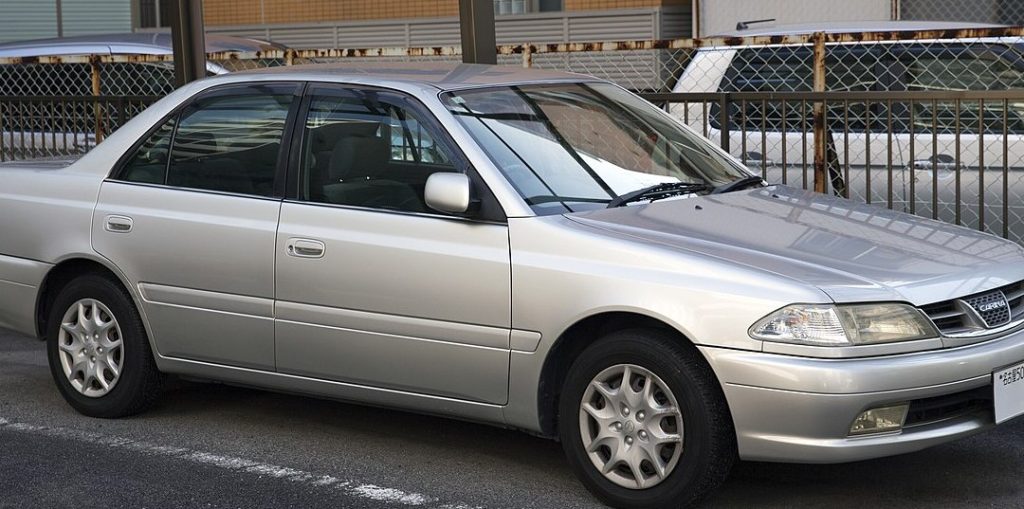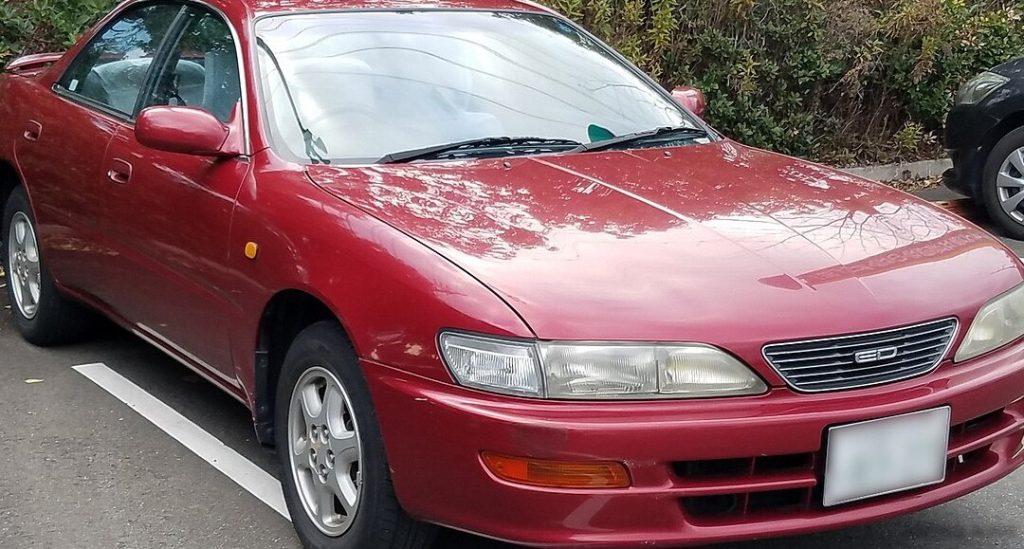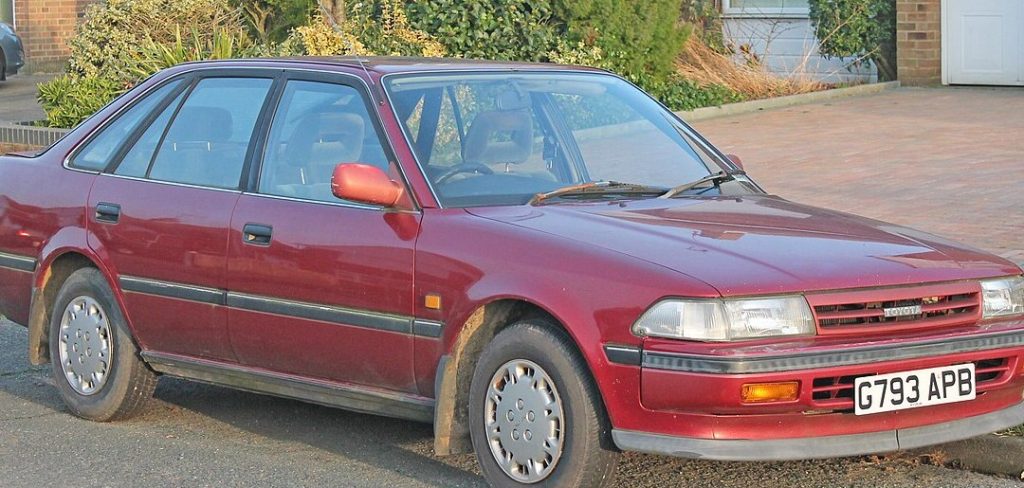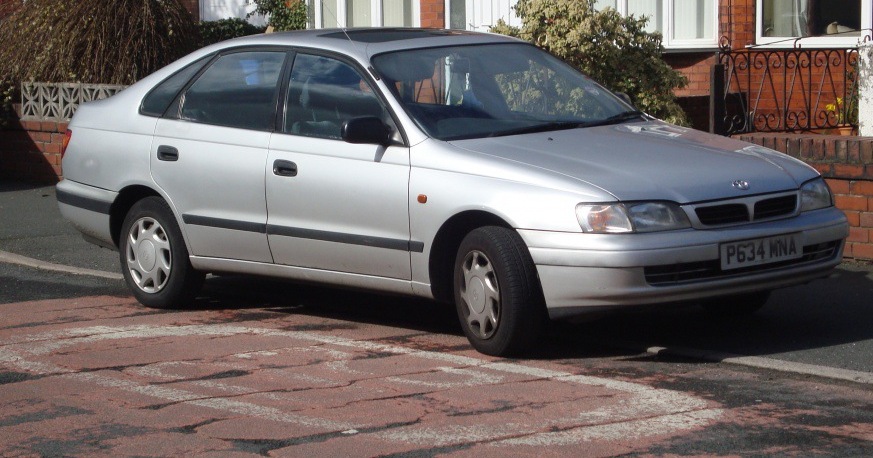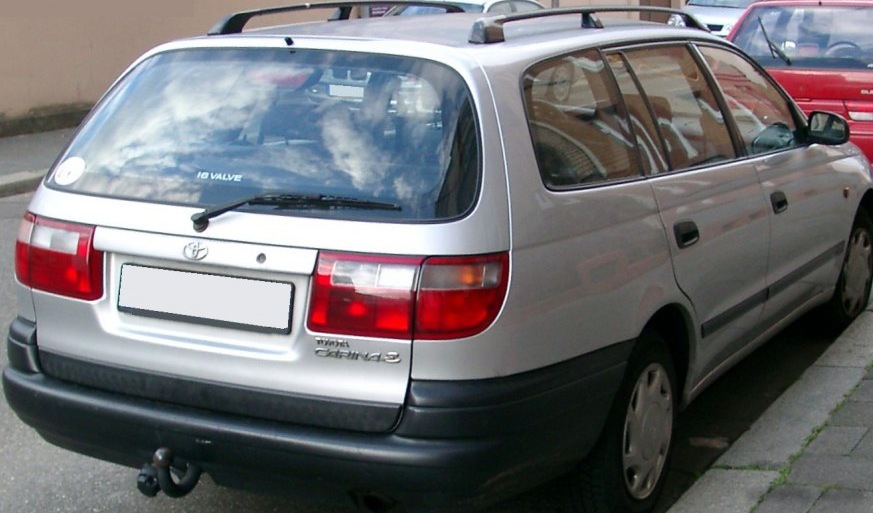
The Toyota Carina E Wagon, specifically the 2.0i 16V GLi variant produced between 1993 and 1998, represented a significant offering in Toyota’s European lineup. Part of the T19 series, this station wagon (estate) aimed to provide a practical and relatively upscale option for families and those needing versatile cargo space. Positioned as a mid-range trim, the 2.0i 16V GLi offered a balance between performance, features, and affordability within the broader Carina E range, which also included lower-displacement engines and more basic trims. It was primarily sold in the European market, where the demand for wagons remained strong throughout the 1990s.
Technical Specifications
| Brand | Toyota |
| Model | Carina |
| Generation | Carina E Wagon (T19) |
| Type | 2.0i 16V GLi (133 Hp) |
| Start of production | 1993 |
| End of production | 1998 |
| Powertrain Architecture | Internal Combustion engine |
| Body type | Station wagon (estate) |
| Seats | 5 |
| Doors | 5 |
| Fuel consumption (combined) | 8.2 l/100 km (28.7 US mpg, 34.4 UK mpg, 12.2 km/l) |
| Fuel Type | Petrol (Gasoline) |
| Acceleration 0 – 100 km/h | 9 sec |
| Acceleration 0 – 62 mph | 9 sec |
| Acceleration 0 – 60 mph | 8.6 sec |
| Maximum speed | 200 km/h (124.27 mph) |
| Weight-to-power ratio | 9.2 kg/Hp, 109 Hp/tonne |
| Weight-to-torque ratio | 6.7 kg/Nm, 150 Nm/tonne |
| Power | 133 Hp @ 5800 rpm |
| Power per litre | 66.6 Hp/l |
| Torque | 183 Nm @ 4400 rpm (134.97 lb.-ft. @ 4400 rpm) |
| Engine layout | Front, Transverse |
| Engine Model/Code | 3S-FE |
| Engine displacement | 1998 cm3 (121.93 cu. in.) |
| Number of cylinders | 4 |
| Engine configuration | Inline |
| Cylinder Bore | 86 mm (3.39 in.) |
| Piston Stroke | 86 mm (3.39 in.) |
| Compression ratio | 9.8:1 |
| Number of valves per cylinder | 4 |
| Fuel injection system | Multi-port manifold injection |
| Engine aspiration | Naturally aspirated engine |
| Valvetrain | DOHC |
| Engine oil capacity | 3.9 l (4.12 US qt | 3.43 UK qt) |
| Coolant | 6.5 l (6.87 US qt | 5.72 UK qt) |
| Kerb Weight | 1220 kg (2689.64 lbs.) |
| Max. weight | 1750 kg (3858.09 lbs.) |
| Max load | 530 kg (1168.45 lbs.) |
| Trunk (boot) space – minimum | 485 l (17.13 cu. ft.) |
| Trunk (boot) space – maximum | 860 l (30.37 cu. ft.) |
| Fuel tank capacity | 60 l (15.85 US gal | 13.2 UK gal) |
| Length | 4545 mm (178.94 in.) |
| Width | 1695 mm (66.73 in.) |
| Height | 1470 mm (57.87 in.) |
| Wheelbase | 2580 mm (101.57 in.) |
| Front track | 1465 mm (57.68 in.) |
| Rear (Back) track | 1445 mm (56.89 in.) |
| Drivetrain Architecture | The Internal combustion engine (ICE) drives the front wheels of the vehicle. |
| Drive wheel | Front wheel drive |
| Number of gears and type of gearbox | 5 gears, manual transmission |
| Front suspension | Spring Strut |
| Rear suspension | Coil spring |
| Front brakes | Ventilated discs |
| Rear brakes | Drum |
| Assisting systems | ABS (Anti-lock braking system) |
| Steering type | Steering rack and pinion |
| Power steering | Hydraulic Steering |
| Tires size | 185/65 R14V |
Powertrain & Engine Architecture
The heart of the Carina E Wagon 2.0i 16V GLi is the 3S-FE engine, a 2.0-liter (1998 cc) inline-four cylinder gasoline engine. This engine was a mainstay of Toyota’s mid-size offerings throughout the 1990s, known for its reliability and relatively smooth operation. The “16V” designation indicates a dual overhead camshaft (DOHC) valvetrain with four valves per cylinder, enhancing breathing and contributing to the engine’s 133 horsepower output at 5800 rpm and 183 Nm (135 lb-ft) of torque at 4400 rpm. Fuel delivery is managed by a multi-port fuel injection system, providing precise fuel metering for improved efficiency and performance. The engine features a compression ratio of 9.8:1. The 5-speed manual transmission was standard, offering a balance between fuel economy and driver engagement.
Driving Characteristics
The 2.0i 16V GLi offered a noticeable step up in performance compared to the lower-displacement Carina E Wagon models. While not a sports car, the 133 hp engine provided adequate power for comfortable highway cruising and overtaking maneuvers. The 0-60 mph time of around 8.6 seconds was respectable for the era. The manual transmission allowed for greater driver control, although the gear ratios were tuned more for fuel efficiency than outright acceleration. Compared to the base 1.6L models, the 2.0i felt significantly more responsive, especially at higher speeds. It didn’t possess the punch of the later, more powerful engines found in other Toyota models, but it provided a smooth and refined driving experience.
Equipment & Trim Levels
The GLi trim level placed the 2.0i 16V Wagon in a comfortable mid-range position. Standard features typically included power windows, central locking, power steering, and an AM/FM radio. The interior was generally finished with cloth upholstery, although higher-grade fabrics were sometimes available as options. Optional extras could include air conditioning, a sunroof, and upgraded audio systems. The dashboard layout was functional and straightforward, prioritizing ease of use over flashy design. The wagon body style itself was a key feature, offering a generous 485-860 liters of cargo space depending on the rear seats being up or folded down.
Chassis & Braking
The Carina E Wagon utilized a front-engine, front-wheel-drive layout. Suspension consisted of a MacPherson strut setup at the front and a coil spring arrangement at the rear. The braking system featured ventilated discs on the front wheels and drum brakes on the rear, a common configuration for vehicles in this class during the 1990s. Anti-lock braking system (ABS) was included as a standard safety feature. The steering was rack and pinion, providing reasonably precise handling. The suspension was tuned for comfort, prioritizing a smooth ride over sporty handling characteristics.
Market Reception & Comparison
The Toyota Carina E Wagon 2.0i 16V GLi was generally well-received by automotive critics as a practical and reliable family vehicle. It offered a good balance of space, comfort, and performance. Compared to rivals like the Ford Mondeo Wagon and the Vauxhall/Opel Vectra Estate, the Carina E Wagon was often praised for its build quality and dependability. Fuel economy was respectable for its class, averaging around 28.7 US mpg. However, some critics noted that the interior design was somewhat conservative and lacked the visual flair of some competitors. The 2.0i 16V GLi offered a compelling alternative to the diesel-powered wagons popular in Europe, providing a smoother and quieter driving experience.
Legacy
The Toyota Carina E Wagon, and the 3S-FE engine in particular, have earned a reputation for long-term reliability. Many examples are still on the road today, a testament to Toyota’s engineering prowess. The 3S-FE is known to be a durable engine, capable of high mileage with proper maintenance. In the used car market, the Carina E Wagon 2.0i 16V GLi represents a relatively affordable and dependable option for those seeking a practical and spacious estate car. While it may not offer the modern features of newer vehicles, its simplicity and proven reliability continue to appeal to budget-conscious buyers.