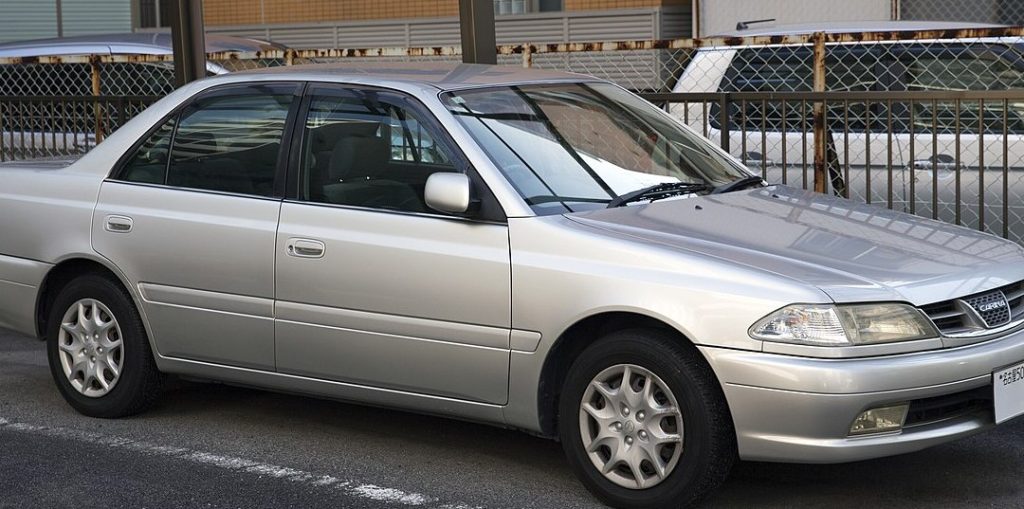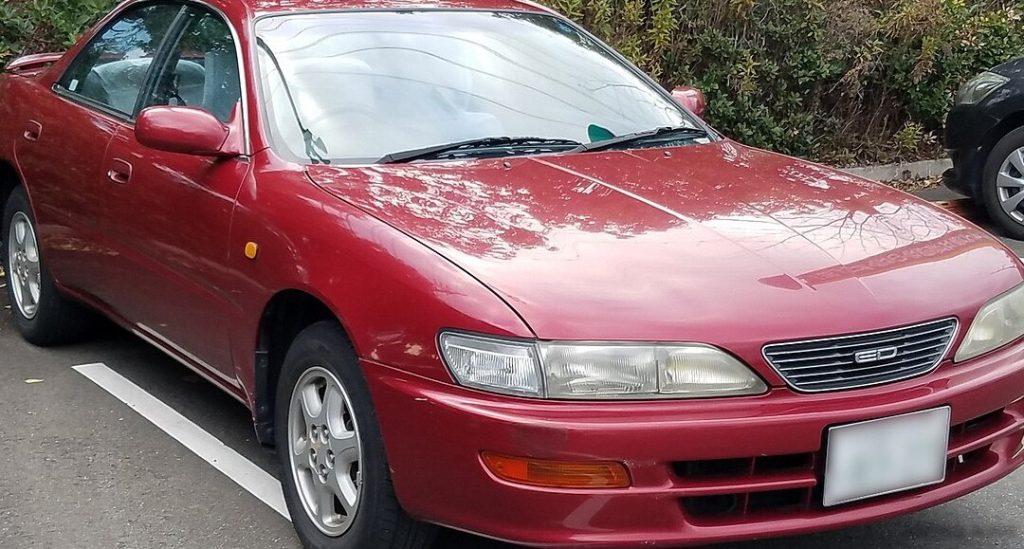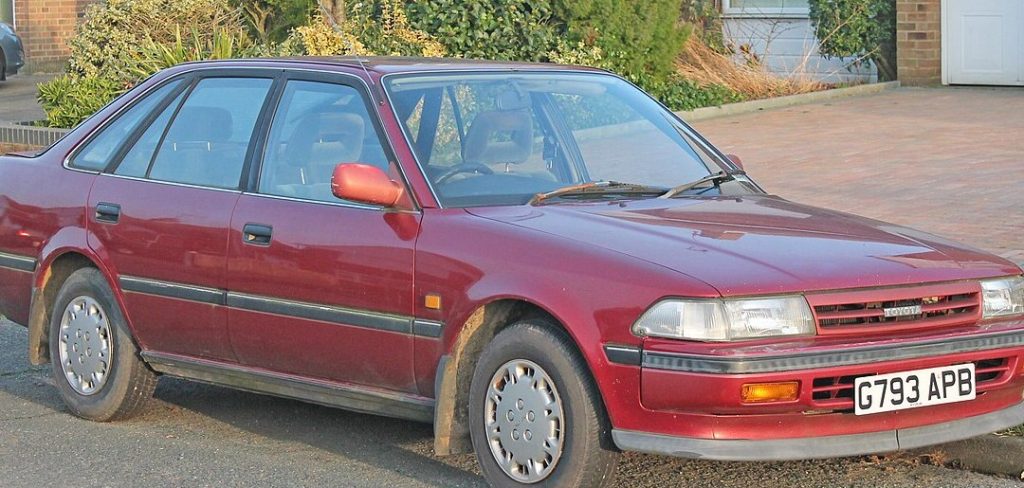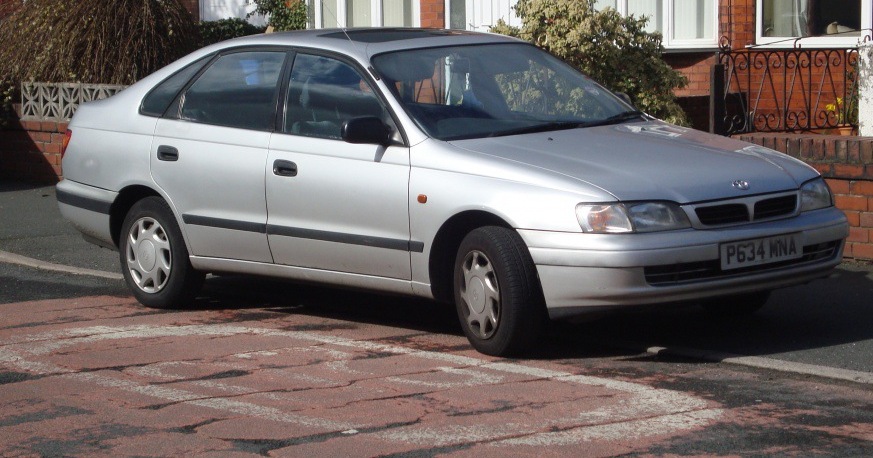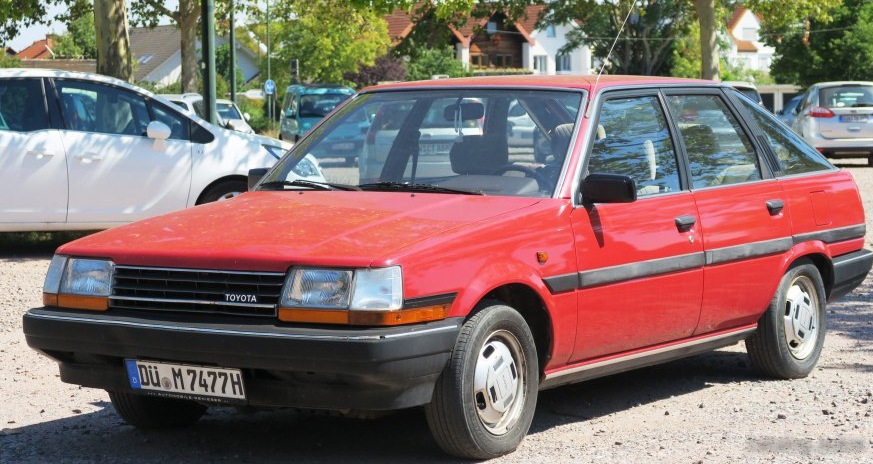
The Toyota Carina Hatch (T15) 1.6, specifically the AT151 variant producing 84 horsepower, was a compact hatchback produced between 1984 and 1988. It represented Toyota’s entry into the increasingly popular European-style hatchback market, offering a practical and relatively affordable option for families and commuters. The T15 generation Carina, while sharing some components with the Corolla and Corona, aimed for a slightly more upscale and refined experience. The AT151 model, with its 1.6-liter engine and automatic transmission, was positioned as a comfortable and convenient choice within the Carina Hatch lineup, prioritizing ease of use over outright performance.
Technical Specifications
| Brand | Toyota |
| Model | Carina |
| Generation | Carina Hatch (T15) |
| Type (Engine) | 1.6 (AT151) (84 Hp) |
| Start of production | 1984 |
| End of production | 1988 |
| Powertrain Architecture | Internal Combustion engine |
| Body type | Hatchback |
| Seats | 5 |
| Doors | 5 |
| Fuel Type | Petrol (Gasoline) |
| Power | 84 Hp |
| Engine Model/Code | 4A-LU |
| Engine aspiration | Naturally aspirated engine |
| Engine oil capacity | 3.3 l (3.49 US qt | 2.9 UK qt) |
| Coolant capacity | 5 l (5.28 US qt | 4.4 UK qt) |
Powertrain & Engine Architecture
The heart of the AT151 Carina Hatch was the 4A-LU engine, a 1.6-liter (1587 cc) inline-four cylinder gasoline engine. This engine was a naturally aspirated unit, meaning it did not employ a turbocharger or supercharger. It featured a single overhead camshaft (SOHC) valvetrain operating two valves per cylinder. Fuel delivery was managed by a carburetor, a common feature for vehicles of this era, though some later models within the T15 range transitioned to fuel injection. The 4A-LU produced 84 horsepower at approximately 6,000 rpm and 118 lb-ft of torque at 3,600 rpm. The engine was known for its relative simplicity and durability, though it wasn’t particularly powerful compared to some of its competitors.
Paired with the 4A-LU engine was a three-speed automatic transmission. This transmission was a conventional hydraulic automatic, offering smooth but not particularly quick shifts. The gear ratios were optimized for fuel economy and comfortable cruising rather than sporty acceleration. The automatic transmission was a key selling point for buyers prioritizing convenience, especially in urban environments.
Driving Characteristics
The Carina Hatch 1.6 AT151 offered a comfortable and predictable driving experience. Acceleration was adequate for everyday driving, but it wasn’t a particularly quick car. The three-speed automatic transmission meant that the engine often felt strained during overtaking maneuvers or when climbing hills. Compared to the five-speed manual transmission available on other Carina Hatch models, the automatic version felt noticeably slower. The automatic’s gear ratios prioritized fuel efficiency, resulting in a lower engine speed at highway cruising speeds, but at the expense of responsiveness. Steering was light and easy, making it maneuverable in city traffic, but lacked the feedback desired by more enthusiastic drivers. The suspension provided a reasonably comfortable ride, absorbing bumps and imperfections in the road surface effectively.
Equipment & Trim Levels
The AT151 Carina Hatch typically came equipped with a fairly basic level of standard features. Interior upholstery was usually cloth, with a simple dashboard layout. Standard equipment included power steering, a basic AM/FM radio, and manual windows. Air conditioning was often an optional extra, as were features like a sunroof and upgraded audio systems. The trim level of the AT151 was generally considered to be entry-level within the Carina Hatch range. Higher trim levels, often paired with the more powerful engines, offered features like alloy wheels, upgraded interior trim, and more sophisticated audio systems.
Chassis & Braking
The Carina Hatch utilized a front-engine, front-wheel-drive layout. The suspension consisted of MacPherson struts at the front and a torsion beam axle at the rear. Braking was typically accomplished with disc brakes at the front and drum brakes at the rear. The braking system was adequate for the car’s weight and performance, but lacked the stopping power of more modern vehicles. Stabilizer bars were fitted to both the front and rear axles to reduce body roll during cornering, improving handling stability. The chassis was designed to provide a balance between comfort and handling, prioritizing ride quality over sporty dynamics.
Market Reception & Comparison
The Toyota Carina Hatch 1.6 AT151 was generally well-received by critics as a practical and reliable family car. However, its performance was often criticized as being somewhat underwhelming, particularly when compared to competitors offering more powerful engines or more advanced transmissions. Fuel economy was a strong point, with the 1.6-liter engine and automatic transmission returning reasonable mileage for the time. Compared to the more powerful Carina Hatch variants, such as those equipped with the 1.8-liter engine, the 1.6 AT151 was significantly less expensive to purchase and insure, making it an attractive option for budget-conscious buyers. The automatic transmission appealed to drivers who prioritized convenience over performance.
Legacy
The Toyota Carina Hatch (T15) 1.6 AT151, while not a particularly groundbreaking vehicle, played a significant role in establishing Toyota’s reputation for reliability and build quality in the European market. The 4A-LU engine, while simple in design, proved to be remarkably durable and capable of withstanding high mileage. Today, the AT151 Carina Hatch is becoming increasingly rare, and well-maintained examples are sought after by collectors and enthusiasts. The car’s simplicity and affordability make it relatively easy to maintain, and parts availability is generally good. The automatic transmission, while not known for its performance, is generally reliable if properly maintained. The Carina Hatch 1.6 AT151 remains a testament to Toyota’s commitment to producing practical, dependable, and long-lasting vehicles.