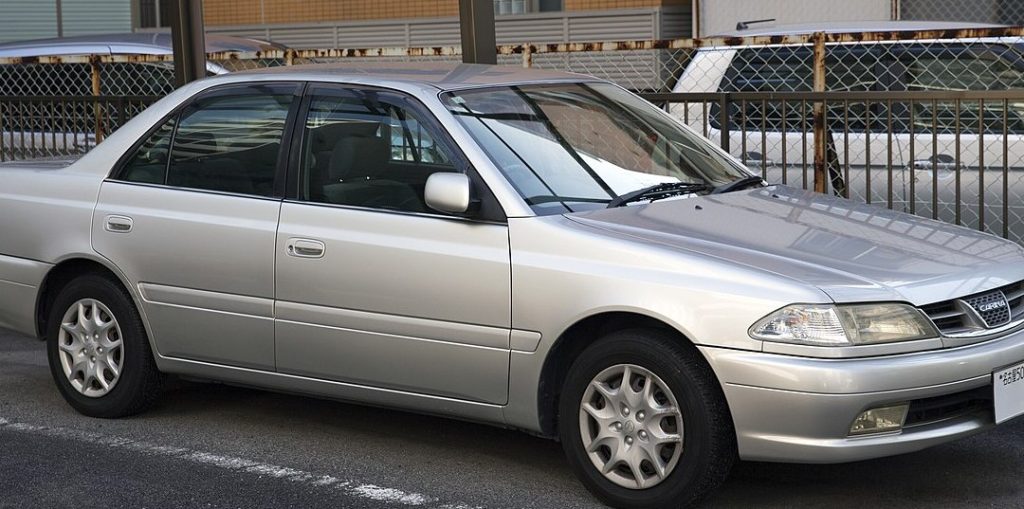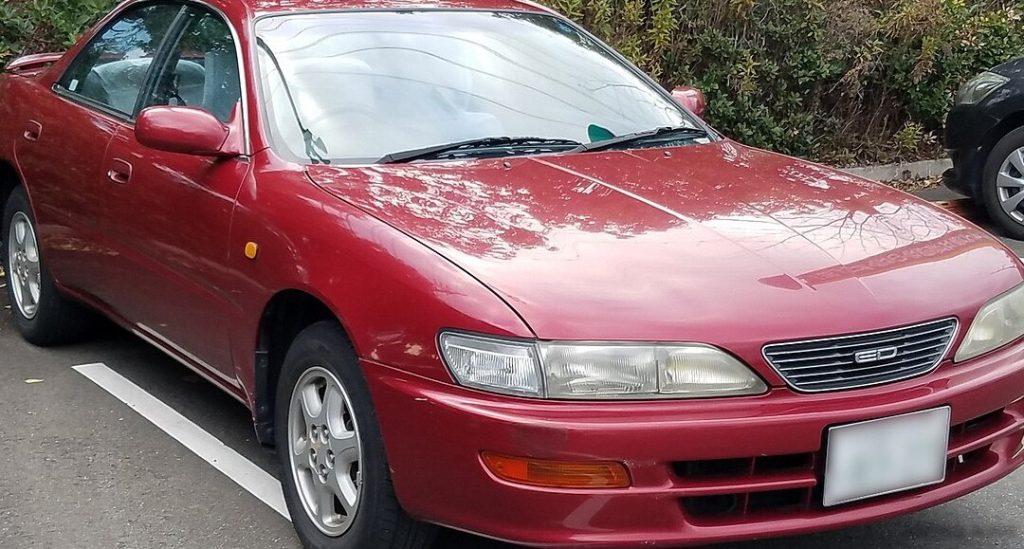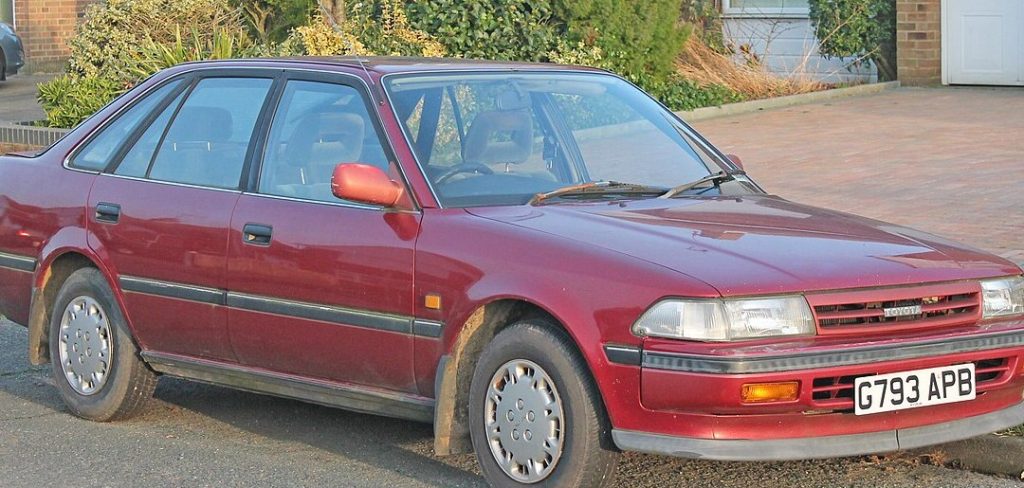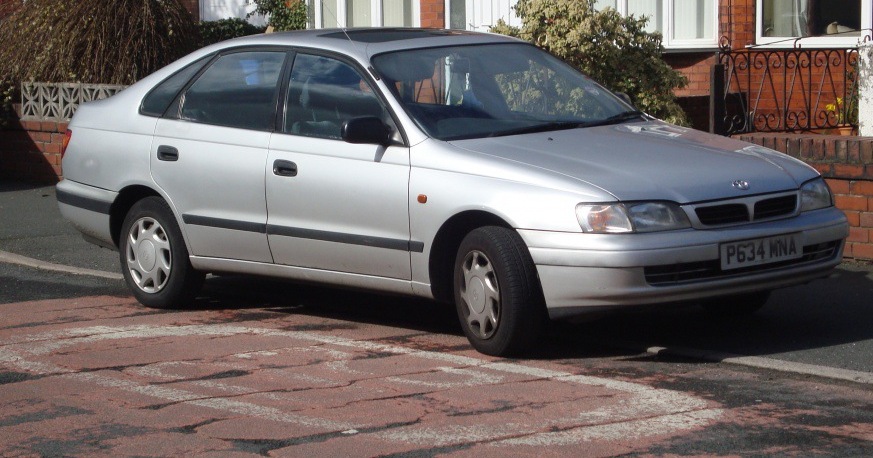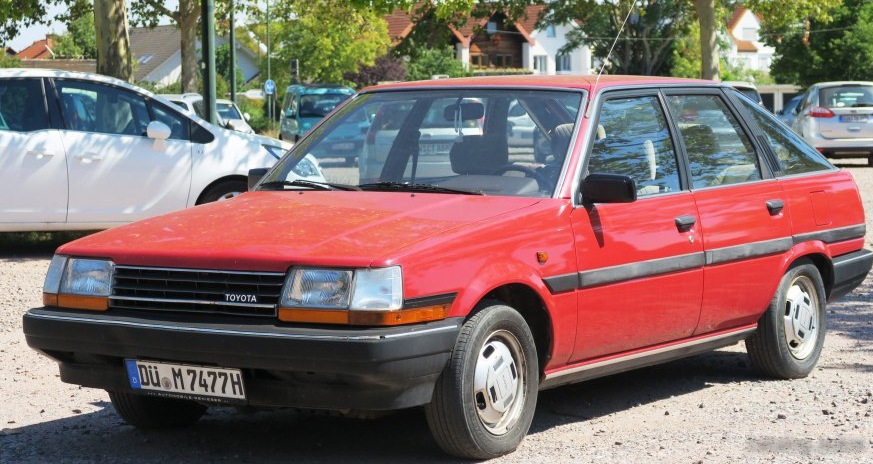
The Toyota Carina Hatch (T15) 1.8 GLI (ST150), produced between 1986 and 1988, represented a significant offering in Toyota’s European lineup during that period. Positioned as a practical and relatively affordable compact hatchback, the T15 Carina aimed to provide a comfortable and reliable driving experience for families and commuters. This particular 1.8 GLI variant, with its 101 horsepower engine, occupied a mid-range position within the T15 series, offering a balance between performance and economy. It was part of the broader T15 generation, which sought to modernize Toyota’s image and compete more effectively with established European and Japanese rivals in the increasingly competitive C-segment.
Technical Specifications
| Brand | Toyota |
| Model | Carina |
| Generation | Carina Hatch (T15) |
| Type | 1.8 GLI (ST150) (101 Hp) |
| Start of Production | 1986 |
| End of Production | 1988 |
| Powertrain Architecture | Internal Combustion Engine |
| Body Type | Hatchback |
| Seats | 5 |
| Doors | 5 |
| Fuel Type | Petrol (Gasoline) |
| Power | 101 Hp |
| Engine Model/Code | 1S-ELU |
| Engine Aspiration | Naturally Aspirated |
| Engine Oil Capacity | 4 l (4.23 US qt | 3.52 UK qt) |
| Coolant Capacity | 7 l (7.4 US qt | 6.16 UK qt) |
Powertrain & Engine Architecture
The heart of the Carina 1.8 GLI (ST150) was the 1S-ELU engine, a 1.8-liter, inline-four cylinder gasoline engine. This engine was a naturally aspirated unit, meaning it did not employ forced induction like a turbocharger or supercharger. The 1S-ELU featured a single overhead camshaft (SOHC) valvetrain, operating two valves per cylinder. Fuel delivery was managed by Toyota’s electronically controlled fuel injection system, contributing to improved fuel efficiency and reduced emissions compared to earlier carbureted engines. The engine produced 101 horsepower at approximately 5,600 rpm and 138 lb-ft of torque at 3,600 rpm. The engine was paired with a four-speed automatic transmission, a common choice for buyers prioritizing convenience over outright performance. This transmission was designed for smooth shifts and comfortable cruising, though it did impact acceleration times.
Driving Characteristics
The 1.8 GLI automatic offered a comfortable, if not particularly sporty, driving experience. The automatic transmission, while providing ease of use, resulted in slightly slower acceleration compared to the available five-speed manual transmission. The gear ratios were tuned for fuel economy and relaxed highway cruising. The 101 horsepower engine provided adequate power for everyday driving situations, such as commuting and running errands, but it wasn’t designed for rapid acceleration or aggressive driving. The Carina’s suspension, tuned for comfort, absorbed bumps and road imperfections reasonably well, contributing to a smooth ride. Steering was light and responsive, making it easy to maneuver in urban environments. Compared to other Carina variants, such as those equipped with the manual transmission, the automatic version felt less engaging but more forgiving for less experienced drivers.
Equipment & Trim Levels
The GLI trim level, as a mid-range offering, came reasonably well-equipped for its time. Standard features typically included cloth upholstery, power steering, a basic audio system (often a cassette player), and central locking. The interior design was functional and straightforward, prioritizing practicality over luxury. Optional extras available for the 1.8 GLI included air conditioning, electric windows, and upgraded audio systems. The dashboard layout was clean and easy to read, with clearly marked gauges and controls. The GLI trim also featured some exterior enhancements, such as body-colored bumpers and door handles, distinguishing it from the more basic models.
Chassis & Braking
The Carina Hatch (T15) utilized a front-engine, front-wheel-drive layout. The suspension consisted of MacPherson struts at the front and a torsion beam axle at the rear. This setup provided a good balance between ride comfort and handling. Braking duties were handled by disc brakes at the front and drum brakes at the rear. While adequate for normal driving conditions, the rear drum brakes were a cost-saving measure and didn’t offer the same stopping power as disc brakes on all four wheels. The Carina’s chassis was relatively lightweight, contributing to its fuel efficiency and maneuverability. Stabilizer bars were included at both the front and rear to reduce body roll during cornering.
Market Reception & Comparison
The Toyota Carina Hatch (T15) 1.8 GLI was generally well-received by automotive critics as a practical and reliable family car. The 1.8-liter engine was considered adequate for most drivers, and the automatic transmission was praised for its smoothness. However, some critics noted that the car lacked the sporty character of some of its rivals. Fuel economy was a strong point, with the 1.8 GLI achieving around 28-32 mpg in mixed driving conditions. Compared to other trims in the Carina lineup, the 1.8 GLI offered a good balance between price and features. The smaller 1.6-liter engine provided better fuel economy but less power, while the larger 2.0-liter engine offered more performance but at a higher cost. The Carina also competed with other popular hatchbacks of the era, such as the Ford Escort, Opel Astra, and Volkswagen Golf.
Legacy
The Toyota Carina Hatch (T15) 1.8 GLI (ST150) has proven to be a relatively reliable vehicle over the long term. The 1S-ELU engine is known for its durability and longevity, provided it has been properly maintained. Parts availability can be a challenge today, as the car is now considered a classic. However, many parts are still available through specialist suppliers and online marketplaces. In the used car market, well-maintained examples of the Carina 1.8 GLI are sought after by enthusiasts and collectors who appreciate its simplicity, reliability, and classic styling. While not a particularly rare or valuable car, it represents a significant piece of Toyota’s history and a testament to the company’s commitment to building durable and dependable vehicles.