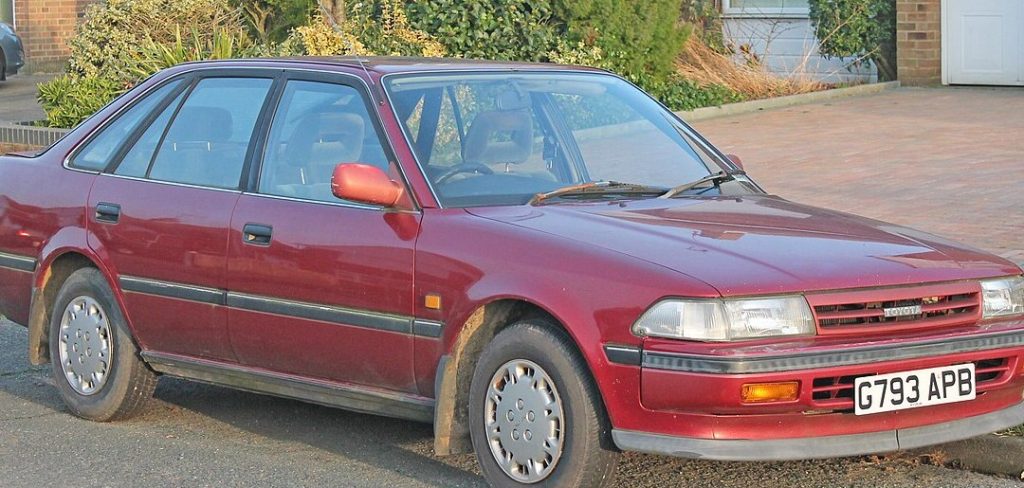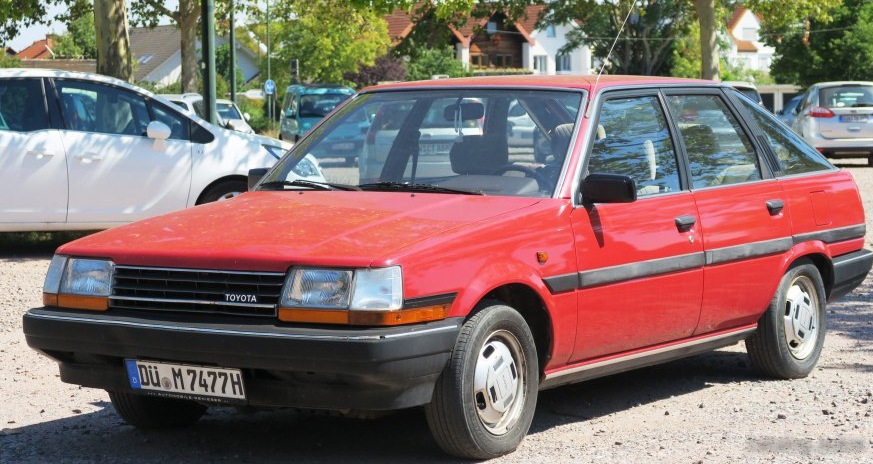
The Toyota Carina Hatch (T15) 2.0 D, produced between 1984 and 1988, represented a practical and economical offering within the broader Carina range. Positioned as a diesel-powered variant of the T15 hatchback, it catered to buyers prioritizing fuel efficiency and durability over outright performance. The T15 generation Carina, launched in 1984, aimed to modernize Toyota’s presence in the compact family car segment, offering a more contemporary design and improved features compared to its predecessors. This 2.0 D model, with its modest 68 horsepower, served as an entry point into the Carina lineup, particularly appealing to fleet buyers and those covering long distances.
Technical Specifications
| Brand | Toyota |
| Model | Carina |
| Generation | Carina Hatch (T15) |
| Type (Engine) | 2.0 D (68 Hp) |
| Start of production | 1984 |
| End of production | 1988 |
| Powertrain Architecture | Internal Combustion engine |
| Body type | Hatchback |
| Seats | 5 |
| Doors | 5 |
| Fuel Type | Diesel |
| Power | 68 Hp |
| Engine Model/Code | 2C-L |
| Engine aspiration | Naturally aspirated engine |
| Engine oil capacity | 4.3 l (4.54 US qt | 3.78 UK qt) |
| Coolant capacity | 7.3 l (7.71 US qt | 6.42 UK qt) |
Powertrain & Engine Architecture
The heart of the Carina 2.0 D was the 2C-L diesel engine. This 1998cc, naturally aspirated inline-four engine was a mainstay of Toyota’s diesel offerings during the 1980s. The 2C series was known for its robust construction and relatively simple design, prioritizing reliability and longevity over high performance. It featured indirect injection, utilizing a pre-combustion chamber design to improve combustion efficiency and reduce noise – a common characteristic of diesel engines of that era. The engine employed a single overhead camshaft (SOHC) valvetrain, operating two valves per cylinder. While not particularly powerful, the 2C-L produced a respectable 68 horsepower and approximately 128 lb-ft of torque. The engine was typically paired with a four-speed automatic transmission, although a five-speed manual was also available in some markets. The automatic transmission was chosen to enhance the ease of driving, particularly in urban environments, and to appeal to a broader customer base. The transmission’s gear ratios were optimized for fuel economy and smooth cruising, rather than rapid acceleration.
Driving Characteristics
The driving experience in the Carina 2.0 D Automatic was characterized by its relaxed and unhurried nature. Acceleration was modest, with a 0-60 mph time estimated to be around 14-16 seconds. The engine’s torque delivery was relatively flat, providing adequate pulling power for everyday driving and highway cruising. The automatic transmission shifted smoothly, but lacked the responsiveness of more modern units. Compared to the gasoline-powered Carina variants, the 2.0 D offered significantly better fuel economy, making it a popular choice for high-mileage drivers. However, it lacked the refinement and performance of its petrol counterparts. The manual transmission version, while offering more driver involvement, still couldn’t overcome the inherent limitations of the engine’s power output. The Carina’s suspension provided a comfortable ride, absorbing bumps and imperfections in the road surface effectively. However, the car wasn’t particularly sporty to drive, with noticeable body roll in corners.
Equipment & Trim Levels
The Carina 2.0 D typically occupied a mid-range position within the T15 lineup. Standard equipment generally included cloth upholstery, a basic stereo system, and power-assisted steering. Air conditioning was often an optional extra, as were electric windows and central locking. The interior design was functional and straightforward, prioritizing practicality over luxury. Dashboard layout was conventional for the period, with clearly labeled controls and a simple instrument cluster. Trim levels varied depending on the market, but generally offered incremental upgrades in terms of comfort and convenience features. Higher trim levels might include upgraded upholstery, a more sophisticated stereo system, and additional exterior trim. The 2.0 D was often seen as a sensible and well-equipped vehicle for its price point.
Chassis & Braking
The Carina T15 utilized a front-engine, front-wheel-drive layout. The suspension consisted of MacPherson struts at the front and a torsion beam axle at the rear. This configuration provided a good balance between ride comfort and handling. Braking was typically accomplished with disc brakes at the front and drum brakes at the rear. Power assistance was standard. The braking system was adequate for the car’s weight and performance, but lacked the stopping power of more modern vehicles. Stabilizer bars were fitted to both the front and rear axles to reduce body roll during cornering. The chassis was relatively lightweight, contributing to the car’s fuel efficiency. The steering was precise and responsive, making the Carina easy to maneuver in urban environments.
Market Reception & Comparison
The Toyota Carina 2.0 D was generally well-received by critics as a practical and reliable family car. Its fuel economy was a major selling point, particularly in Europe where diesel fuel was often cheaper than gasoline. However, its modest performance and lack of refinement were often criticized. Compared to other diesel-powered cars in its class, such as the Volkswagen Golf Diesel and the Ford Escort Diesel, the Carina offered a more comfortable ride and a more spacious interior. However, it was often more expensive to purchase. The gasoline-powered Carina variants offered significantly more performance, but at the cost of increased fuel consumption. The 2.0 D appealed to buyers who prioritized economy and durability over outright driving excitement.
Legacy
The Toyota Carina T15 2.0 D has proven to be a remarkably durable vehicle. Many examples are still on the road today, testament to the robustness of the 2C-L engine and the overall build quality of the car. The engine is known for its ability to withstand high mileage with minimal maintenance. However, age-related issues such as corrosion and wear and tear on suspension components are common. In the used car market, the Carina 2.0 D is often sought after by those looking for a reliable and affordable classic car. Its simplicity and ease of maintenance make it an attractive option for DIY mechanics. While not a particularly collectible model, it represents a significant chapter in Toyota’s history and a testament to the company’s commitment to building durable and dependable vehicles.