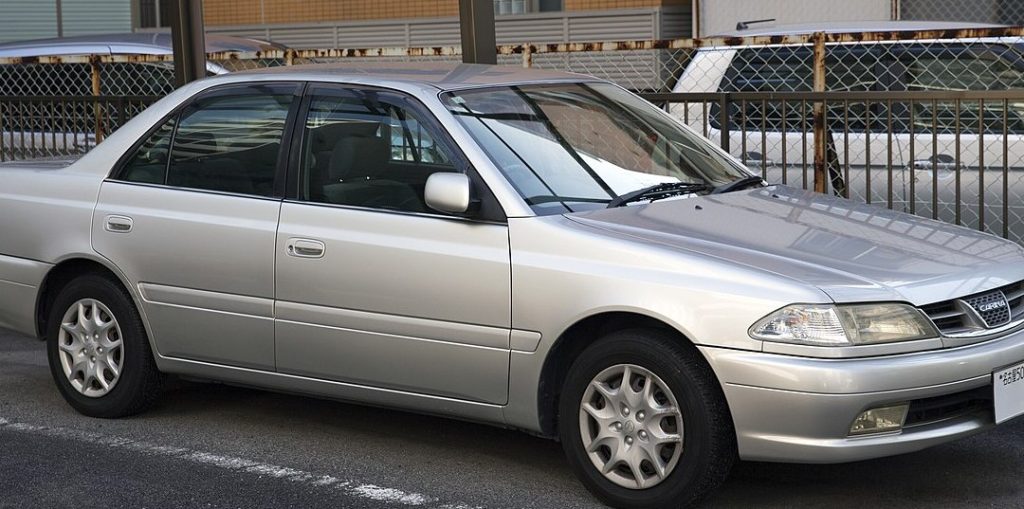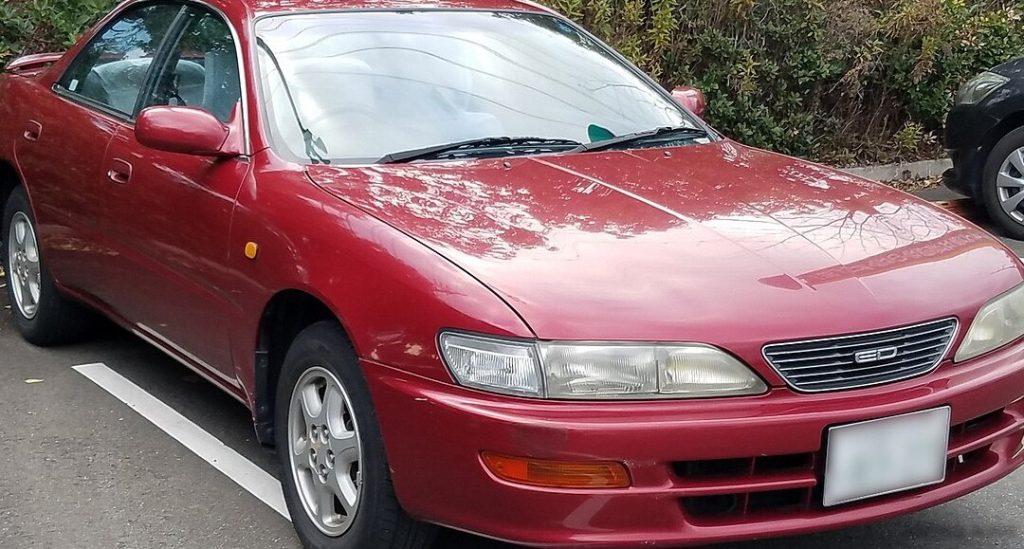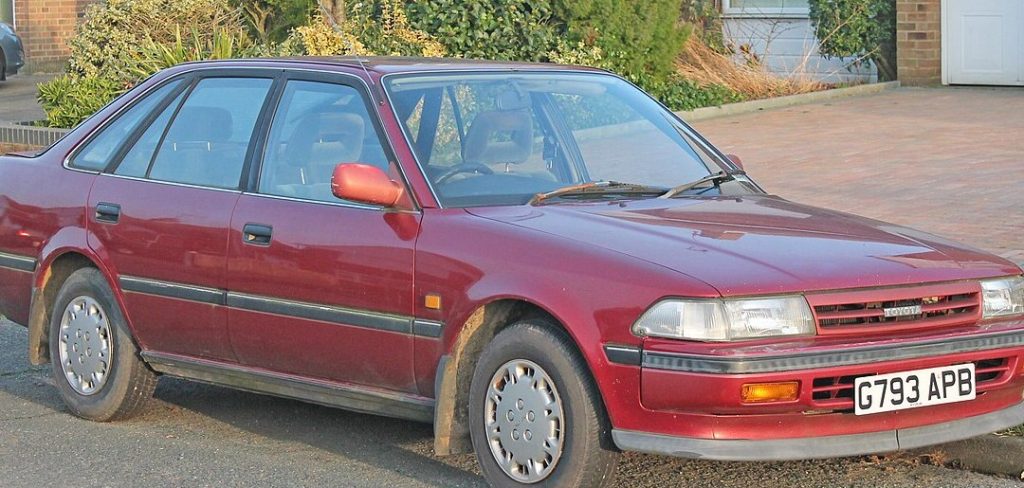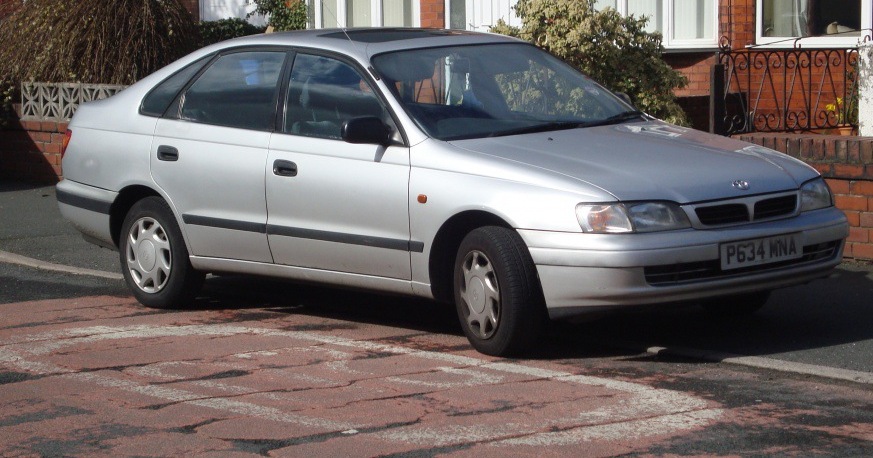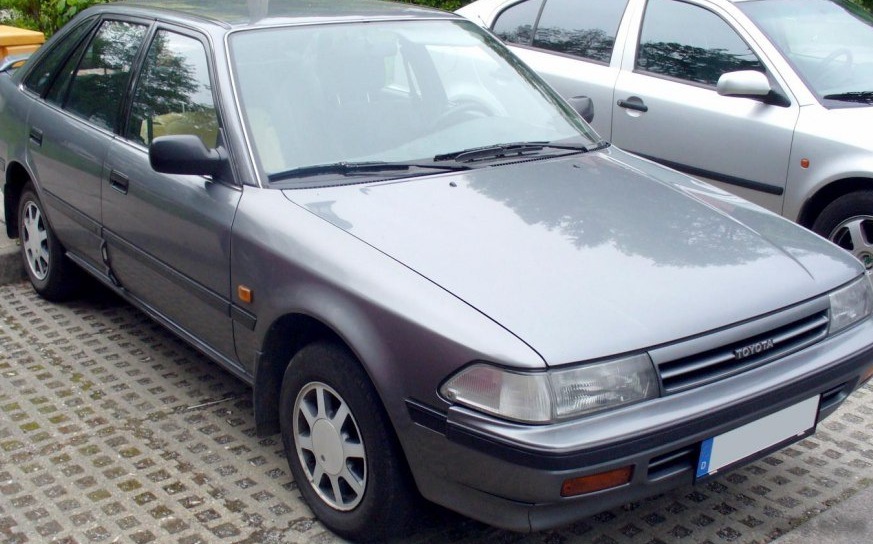
The Toyota Carina Hatch (T17) 1.6, specifically the AT171 variant producing 90 horsepower, was a compact hatchback manufactured between 1987 and 1990. It was a key model in Toyota’s lineup during a period of increasing competition in the global compact car market. Positioned as a practical and affordable option, the AT171 served as an entry point into the Carina range, balancing fuel efficiency with everyday usability. It was part of the broader T17 series, which aimed to modernize Toyota’s offerings and appeal to a wider demographic. This generation Carina represented a shift towards more contemporary styling and improved interior comfort compared to its predecessors.
Technical Specifications
| Brand | Toyota |
| Model | Carina |
| Generation | Carina Hatch (T17) |
| Type (Engine) | 1.6 (AT171) (90 Hp) |
| Start of production | 1987 |
| End of production | 1990 |
| Powertrain Architecture | Internal Combustion engine |
| Body type | Hatchback |
| Seats | 5 |
| Doors | 5 |
| Fuel Type | Petrol (Gasoline) |
| Power | 90 Hp |
| Engine Model/Code | 4A-F |
| Engine aspiration | Naturally aspirated engine |
| Engine oil capacity | 3.2 l (3.38 US qt | 2.82 UK qt) |
| Coolant capacity | 5.2 l (5.49 US qt | 4.58 UK qt) |
Powertrain & Engine Architecture
The AT171 Carina Hatch’s powertrain centered around the 4A-F engine, a 1.6-liter inline-four cylinder gasoline engine. This engine was a mainstay in Toyota’s lineup from the late 1980s through the early 1990s, celebrated for its reliability and relatively straightforward design. The 4A-F featured a single overhead camshaft (SOHC) valvetrain operating two valves per cylinder. Fuel delivery was managed by a carburetor system, typical for vehicles of that era, although some later models within the T17 range transitioned to fuel injection. The engine produced 90 horsepower at approximately 5,600 rpm and 99 lb-ft of torque at 3,600 rpm. It was paired with a four-speed automatic transmission, designed for smooth and convenient shifting in everyday driving. This transmission wasn’t geared towards sporty performance, but rather dependability and ease of use. The automatic featured a conventional torque converter design, prioritizing comfort over outright efficiency.
Driving Characteristics
The combination of the 1.6-liter, 90-horsepower engine and the four-speed automatic transmission in the AT171 Carina Hatch delivered adequate, though not particularly exciting, performance. Acceleration was modest, with an estimated 0-60 mph time of around 12-14 seconds. The automatic transmission’s gear ratios were optimized for fuel economy and comfortable cruising, rather than quick acceleration. Compared to the available five-speed manual transmission, the automatic version resulted in a noticeable decrease in responsiveness and a slight reduction in fuel efficiency. However, the automatic offered a more relaxed driving experience, especially in city traffic. The Carina’s suspension, tuned for comfort, provided a reasonably smooth ride, effectively absorbing most road imperfections. Handling was predictable but not exceptionally sharp, making it well-suited for daily commuting and family transportation. The steering felt light and easy, contributing to the overall ease of driving.
Equipment & Trim Levels
The AT171 Carina Hatch 1.6 typically came with a fairly basic level of standard equipment, reflecting its position as an entry-level model. Standard features generally included cloth upholstery, a basic AM/FM radio, and manual windows and door locks. Air conditioning was often an optional extra, as were power windows and an upgraded audio system. Interior trim was functional and durable, prioritizing practicality over luxury. The dashboard layout was straightforward and user-friendly, with clearly labeled controls. Higher trim levels within the T17 Carina range offered upgrades such as improved upholstery, alloy wheels, and additional convenience features, but the AT171 remained focused on providing essential transportation at an affordable price. Some models also offered an optional digital clock and a basic trip odometer.
Chassis & Braking
The Carina Hatch (T17) employed a front-engine, front-wheel-drive layout. The suspension consisted of MacPherson struts at the front and a torsion beam axle at the rear. This setup provided a good balance between ride comfort and handling stability. Braking on the AT171 typically consisted of disc brakes at the front and drum brakes at the rear. While adequate for normal driving conditions, the rear drum brakes offered less stopping power and were more prone to fade compared to disc brakes. Steering was rack-and-pinion, providing reasonably precise control. The Carina’s chassis was designed to be lightweight and rigid, contributing to its overall handling characteristics and fuel efficiency. The use of relatively simple suspension components helped to keep maintenance costs down.
Market Reception & Comparison
The Toyota Carina Hatch (T17) 1.6 Automatic was generally well-received by automotive critics as a practical and reliable family car. It was praised for its fuel efficiency, comfortable ride, and Toyota’s well-established reputation for build quality. However, it was often criticized for its relatively modest performance and somewhat dated interior design. Compared to other compact hatchbacks of the era, such as the Volkswagen Golf or Ford Escort, the Carina offered a more conservative styling and a greater emphasis on reliability and ease of maintenance. The automatic transmission version, while convenient, was often seen as detracting from the car’s overall driving experience compared to the manual transmission models. Fuel economy was respectable for the time, averaging around 30-35 mpg in mixed driving conditions. It was often seen as a more sensible alternative to sportier, but potentially less reliable, competitors.
Legacy
The Toyota Carina Hatch (T17) 1.6 Automatic, while not a particularly groundbreaking vehicle, holds a significant place in Toyota’s history as a reliable and affordable compact car. The 4A-F engine, in particular, is renowned for its durability and longevity, and many examples are still on the road today. In the used car market, the AT171 Carina Hatch is often sought after by enthusiasts looking for a simple, dependable, and inexpensive vehicle. Maintenance costs are generally low, and parts availability remains reasonably good. While it may not offer the performance or features of more modern vehicles, the Carina Hatch represents a solid and practical choice for those seeking a classic Toyota with a proven track record of reliability. Its simple design makes it relatively easy to repair and maintain, contributing to its enduring appeal. The Carina’s reputation for trouble-free operation has cemented its place as a dependable and affordable classic.